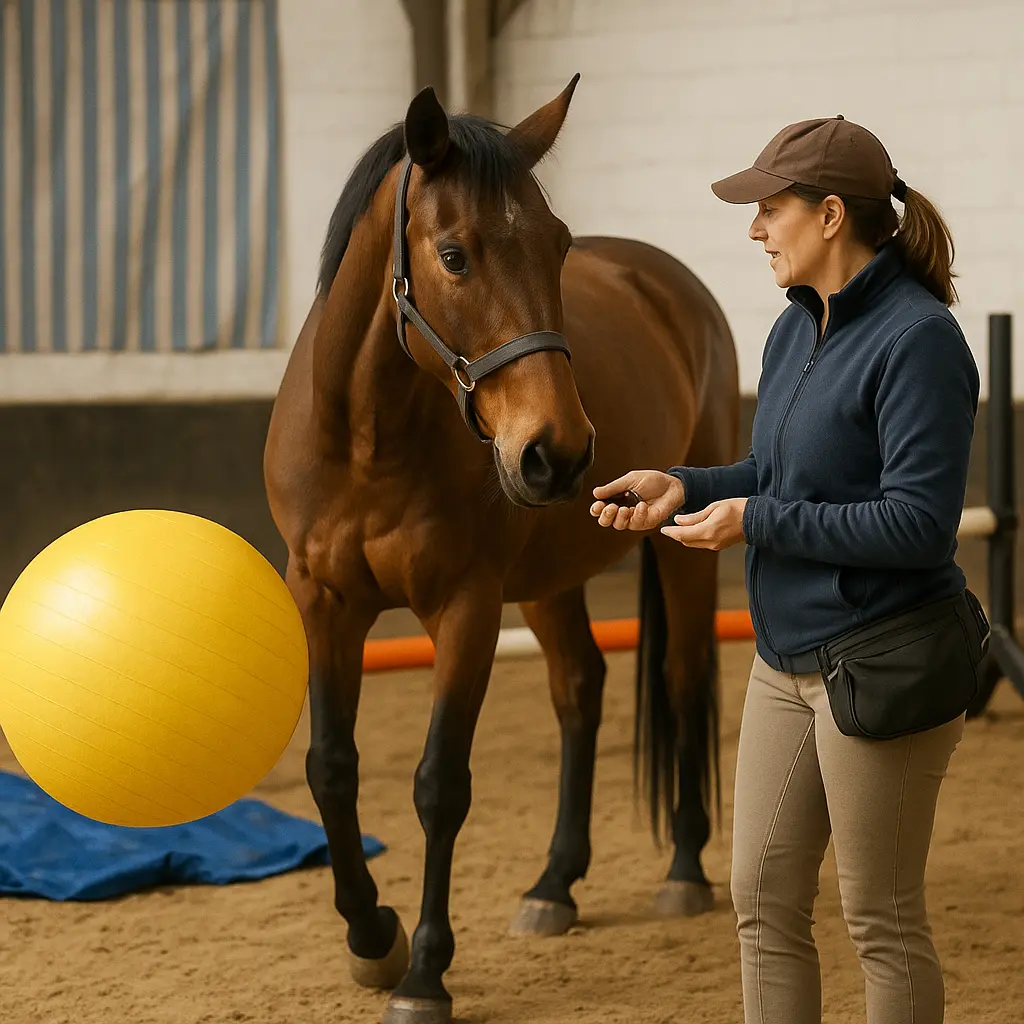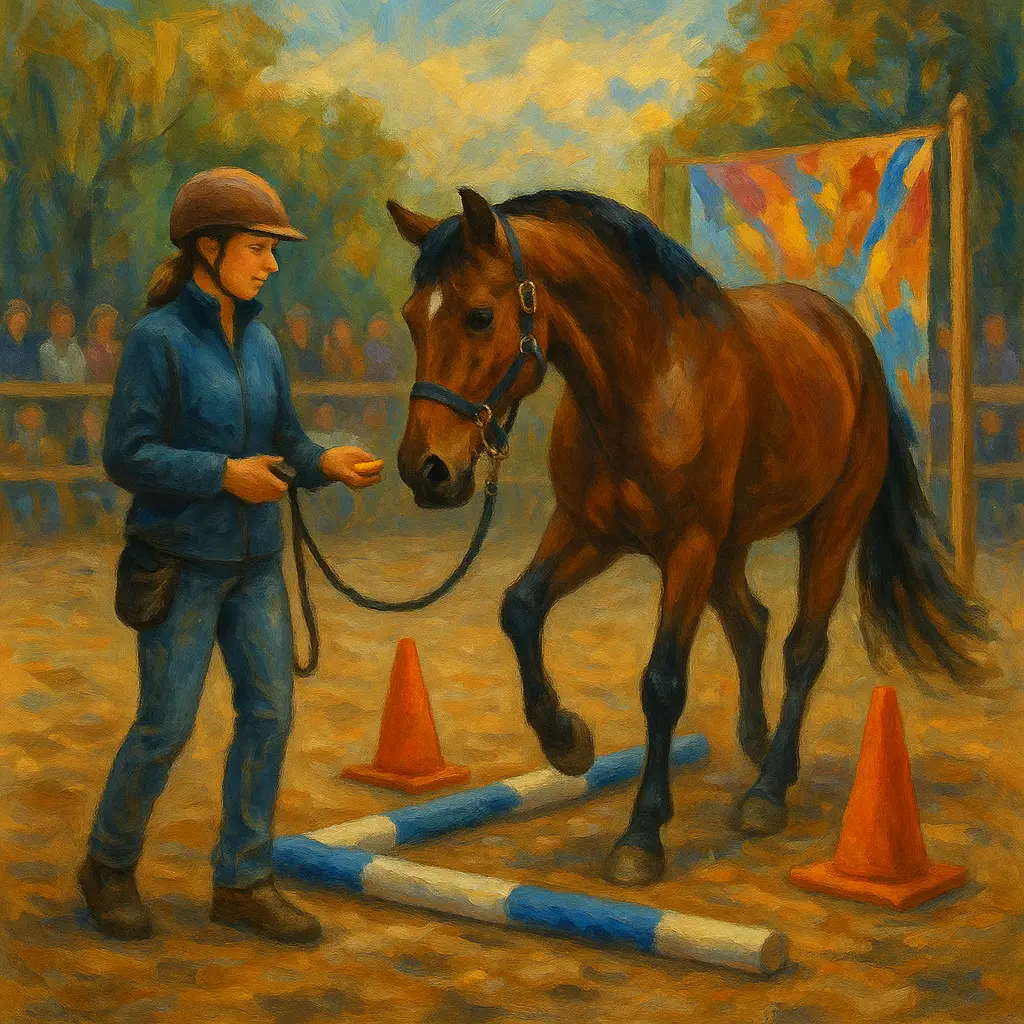
Positive reinforcement is moving from “nice-to-have” to mainstream in UK yards. The 2024 Horsemanship Showcase put clicker training centre stage — proving you can lower stress and build focus with nothing more than a headcollar, a clicker and a pocket of treats.
Key takeaway: Reward-based, clicker-led training reduces stress, accelerates learning and aligns with the latest UK and FEI welfare direction — and you can start in 10 minutes a day.
What the 2024 Horsemanship Showcase proved
The 2024 Horsemanship Showcase demonstrated that clicker-based positive reinforcement (PR) can quickly calm and focus a horse using a headcollar, treats and a clicker. Trainers ran an in-hand “spook-busting” agility course with loud noises to show rapid, consent-based desensitisation on a novice horse.
The PR demos were not fringe — they were a highlight, reflecting a clear shift in UK horsemanship. Attendees even noted traditionally minded trainers, like Ben, integrating clickers and treats alongside their usual methods, signalling broader acceptance of reward-based training across disciplines. See the discussion from attendees on Horse & Hound Forums.
“By using positive reinforcement with clicker training, you are rewarding your horse for any positive behaviour... positive reinforcement is a relatively new but powerful form of training that can build trust, motivation, confidence, reduce stress levels and improve the overall wellbeing of your horse.” — Millie (Equus with Millie), Horsemanship Showcase Trainer
This is not just about tricks. At the Showcase, PR reframed stressful flashpoints (like stepping onto a spooky surface or hearing sudden noise) into opportunities for your horse to choose calm, be reinforced for it, and try again with more confidence.
Why reward-based training works for welfare and performance
Positive reinforcement reduces stress and turns historically aversive scenarios — loading, mounting, veterinary handling — into positive experiences by marking and rewarding the behaviour you want. That makes learning faster and more durable.
Horses are motivated by clear, predictable outcomes. When you pair a marker (the click) with a reward, you give unambiguous feedback the instant your horse offers the right choice. This builds a cycle of curiosity, confidence and willingness — exactly what we want in competition environments or on busy livery yards. The Horsemanship Showcase team spotlighted this as a welfare win, not just a training hack (source).
Globally, the welfare tide is shifting in the same direction. The FEI Equine Ethics and Wellbeing Commission’s 2023 report set out 30 recommendations to reinforce ethical horsemanship, including promoting reward-based alternatives to restrictive training approaches (Mad Barn summary).
Quick tip: Keep initial sessions to 5–10 minutes. Short, successful reps produce more learning than long, tired ones — and they keep you aligned with modern welfare guidance on rest and avoiding overtraining.
The UK welfare rule shift you need to know for 2024–2025
British Equestrian formed an Equine Welfare Steering Group in 2024 and is rolling out a federation-wide 2025 rulebook with a whistleblowing policy across disciplines to improve welfare oversight. This dovetails with tighter discipline rules on tack, whip use and veterinary checks.
This matters for everyday riders too. Public scrutiny is higher than ever, and the sport is responding with stronger safeguards and education. World Horse Welfare reports these steps are designed to support welfare-driven decision-making across British Showjumping, British Dressage and British Eventing. At the same time, guidance like this from Ask Animal Web highlights the regulatory trend: rules target ethical treatment and prevention of overuse of restrictive tack and excessive training methods, driven by the FEI Charter for the Horse and public expectations (source).
Reward-based training fits this landscape perfectly: it prioritises consent signals (soft eye, neutral to forward ears, steady breathing), supports compliance with tack rules (e.g., noseband tightness), and gives you an ethical framework when prepping for competition or audits under new whistleblowing avenues.
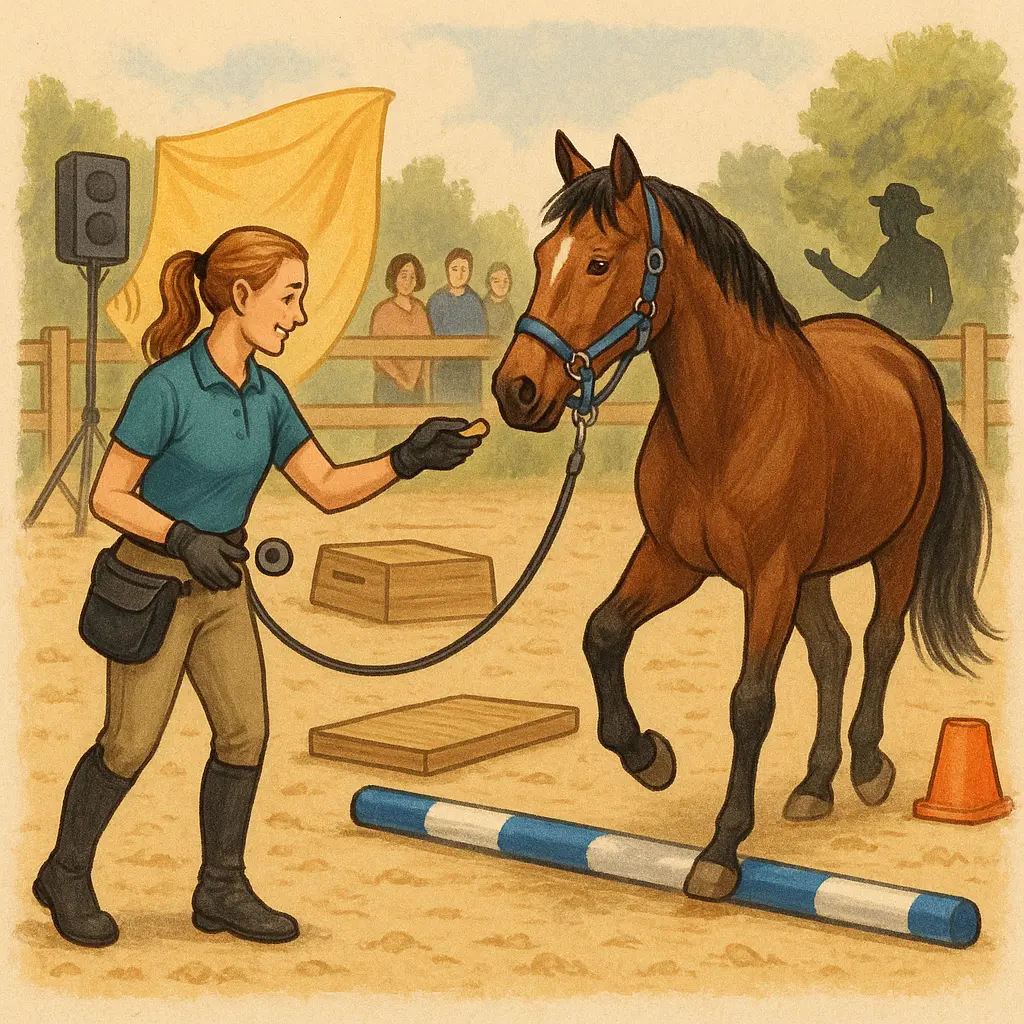
Start clicker training this week: a simple 10‑day plan
You can install the basics of clicker training in 10 days with 5–10 minute sessions, focusing on consent, calm and clarity.
Day 1–2: Charge the clicker
Stand by your horse in a quiet spot. Click, then immediately deliver a small reward. Repeat 20–30 times across the session so the click predicts a treat. Use small, low-sugar rewards to avoid overfeeding; our range of UK‑sourced training treats makes it easy to keep portions pea-sized.
Day 3–4: Install a “default calm”
Wait for a calm posture — four feet still, soft eye, neutral ears — then click and reward. Build to 5–10 seconds of stillness. This is your foundation for everything from mounting to vet work.
Day 5–6: Mounting block confidence
Lead to the block in a headcollar. Mark and reward steps towards the block, standing quietly, and swinging the saddle flap. Keep each rep tiny and successful. If your horse tenses, step back to the last easy step and reinforce there.
Day 7–8: Spook-busting with sound
Set up an in-hand agility lane with a cone and a mild noise source at a distance (a crinkly jacket, soft rattle). At the first ear flick or look without stepping away, click and reward. Approach and retreat, gradually decreasing the distance as your horse offers calm. This echoes the Showcase’s headcollar-only demos and prevents flight responses through choice and reinforcement.
Day 9–10: Trailer loading reset
Start far enough away that your horse is relaxed. Mark and reward looking at the trailer, one step towards, touching the ramp, then one hoof on, and so on. End with a jackpot when your horse stands calmly inside and lowers the head. Repeat short sessions across days, not marathons.
- Work on safe footing and protect limbs for in-hand sessions; supportive boots from our horse boots & bandages collection can help prevent knocks.
- For your safety, wear a well-fitted hat from our riding helmets range and sturdy horse riding boots.
- Keep sessions upbeat and end on a win; if you hit a wobble, go back to the last easy success and pay generously there.
Pro tip: Keep a simple training journal and, if possible, video short clips. Reviewing your timing and your horse’s body language helps you stay ethical and effective — and aligns with FEI-aligned welfare guidance on self-auditing.
Ethical tool use: when aids help — and when they don’t
Artificial aids can be ethical and useful if they’re applied correctly, sparingly and with the horse’s wellbeing front and centre. The FEI’s recent welfare work encourages humane, reward-based alternatives and tightens rules around restrictive tack.
Used well, tools clarify communication; used poorly, they substitute for training or mask pain. Before adding or tightening anything, ask: “Can I teach this with shaping and reward first?” Aids should refine, not coerce.
“Artificial aids can be ethical and helpful if used correctly, thoughtfully, sparingly, and with the horse’s well-being in mind... the FEI has implemented strict rules... promoting humane training methods, including reward-based alternatives.” — Mad Barn (equine welfare analysis)
An ethical check-in before you tack up
- Purpose: Can you state the aid’s job in one sentence? If not, you don’t need it yet.
- Fit: Use a noseband gauge to confirm ethical tightness; pressure must not suppress normal behaviour.
- Body language: Stop and reassess if you see pinned ears, tail swishing, gaping mouth, head tossing or tension around the eyes.
- Training plan: Replace repetition and force with short, reinforced steps and rest periods.
- Audit: Film key sessions; you’ll catch things you miss in the moment.
When you do need kit, choose reputable, welfare-minded brands with consistent sizing and materials. Our customers rate Weatherbeeta for reliable, horse-friendly design across rugs and accessories used alongside ethical training plans.
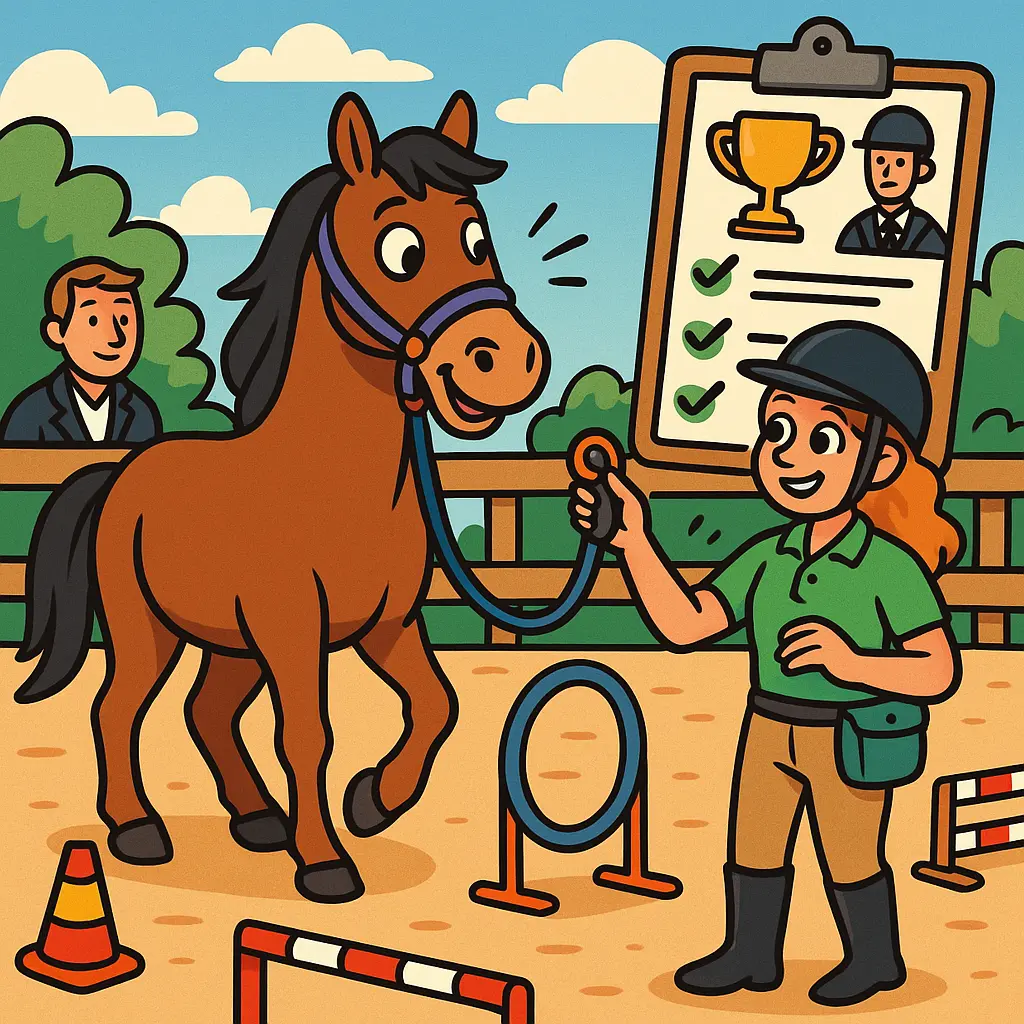
Make PR training work in real UK conditions
Reward-based training excels in short, indoor or sheltered sessions — perfect for wet, dark UK winters — and it reduces the need for forceful aids that can worsen slips or tension on muddy yards. Five-minute bursts fit easily around turnout and limited daylight.
In winter, keep your horse warm and dry so they’re comfortable to learn; a well-fitted stable layer helps during short barn sessions. Explore our breathable, cosy stable rugs to keep muscles relaxed for better movement and mindset. If you’re heading out on lanes for in-hand confidence walks, visibility is non-negotiable; pick up high-visibility garments from our hi‑vis rider gear range and choose safe times of day.
On the ground, wear grippy footwear and a hat for spook training. Our riding boots and helmets are built for exactly this kind of steady, practical work in British conditions.
Quick tip: UK winds can be noisy. Start desensitisation indoors, then generalise outside on calmer days before attempting blustery conditions.
Your training choices matter: horses add £1.2bn in social value
Equestrianism contributes £1.2 billion in social value each year in the UK, with each riding centre averaging £292,000 annually (British Equestrian). Welfare-forward, reward-based training helps protect that public good by keeping horses — and the sport — in step with community expectations.
Across the industry, welfare-led updates are becoming the norm. British racing’s adoption of white fence markers, informed by Exeter University’s equine vision research, shows how evidence-based tweaks can materially improve horse experience. Adopting PR at home is the same principle: small, thoughtful changes with outsized benefits for confidence, safety and public trust.
At Just Horse Riders, we recommend planning your season with welfare checkpoints: is your horse showing consent signals during training? Do you have a rest day scheduled after every 2–3 schooling days? These habits build longevity and confidence, which the public understandably expects to see in our sport.
Your next steps: build calm, confidence and compliance
Start with one behaviour (e.g., standing quietly at the block), charge your clicker, and run 5-minute sessions daily for 10 days. Keep a log, video a few reps, and challenge yourself to reduce pressure and increase clarity. Expand to desensitisation and trailer loading only when your horse’s “default calm” is strong.
For practical kit to make this easy and ethical, choose:
- Small, low-sugar rewards from our training treats collection for crisp timing without overfeeding.
- Safe, protective boots from horse boots & bandages for in-hand agility.
- Warm, breathable stable rugs to keep sessions comfortable in cold barns (browse proven options from Weatherbeeta).
- Personal safety essentials: a certified riding helmet, sturdy riding boots, and hi‑vis if training near roads.
Build your plan now, and by this time next month you’ll have a horse who offers calm, confident choices — and a training routine aligned with the UK’s latest welfare direction.
FAQs
What exactly was demonstrated at the 2024 Horsemanship Showcase about PR?
Trainers used clicker training with a headcollar, treats and a clicker to run an in-hand spook-busting agility course, introducing loud noises and marking calm responses to quickly reduce stress on a novice horse (source).
Is positive reinforcement replacing traditional aids in UK competition?
It’s not a wholesale replacement, but it’s rapidly gaining traction. Trainers at the 2024 Showcase integrated clickers and treats with classical methods, and British Equestrian’s welfare initiatives support this direction (attendee feedback; welfare policy context).
How are UK rules regulating ethical tool use?
Discipline rules limit whip use and restrictive tack, backed by veterinary checks and an FEI framework promoting humane, reward-based methods. British Equestrian’s 2025 rulebook introduces federation-wide whistleblowing to strengthen oversight (rule trends; policy update).
How do I know my horse is consenting to the training?
Look for relaxed ears, soft eyes, steady breathing, loose tail, and eager participation. PR enhances these signals by creating positive associations with tasks and environments (source).
How long should a clicker session be, and how many treats should I use?
Keep sessions 5–10 minutes with frequent, small rewards. Use pea-sized, low-sugar treats and prioritise quality of timing over quantity of food. End on a success and give your horse a break.
Can I do PR through winter on a busy UK livery yard?
Yes. PR thrives in short, indoor or sheltered sessions ideal for wet, dark months. Keep your horse comfortable with appropriate layering, and choose quiet times for focus. Our stable rugs help maintain comfort so learning stays positive.
Where should I start if my horse is anxious about trailer loading?
Begin far enough away that your horse is calm. Click and reward looking at the trailer, then steps towards, touching, placing a hoof, standing quietly, and so on. Break it into micro-steps, keep sessions short, and reinforce generously at each success.