Your older mare isn’t being “naughty” when she ducks away at the gate — she’s communicating. With age comes stiffness, shape change and, sometimes, anxiety around being handled. Tackle the root causes and switch to low-pressure, reward-based catching, and you’ll see her confidence return.
Key takeaway: Most older horses avoid being caught because they anticipate discomfort or stress — fix health and comfort first, then use calm, consistent handling and rewards to rebuild trust.
Why older horses avoid being caught
Older horses usually dodge catching because they anticipate discomfort (poor saddle fit, joint stiffness, dental pain) or they’ve built negative associations with being caught. Rule out pain first, then retrain with calm, reward-based handling.
As horses age, reduced immune function, dental changes and musculoskeletal stiffness are common, and any of these can make handling and ridden work feel uncomfortable. The British Horse Society (BHS) highlights that elderly horses are more susceptible to issues like thrush and joint stiffness, so they need more thoughtful daily care and longer warm-ups and cool-downs to reduce discomfort during exercise (BHS). If your mare has learned that being caught predicts discomfort, she’ll avoid the experience.
Behaviour professionals and vets will also point you towards tack: older horses change shape more quickly, so saddles that once fit can pinch. The Blue Cross also notes that weight can drop in autumn as grass growth slows, which can affect energy and comfort — and make earlier rugging and extra forage necessary (Blue Cross).
Quick tip: If she’s “fine” once you’ve caught her but wary at the moment of haltering, suspect negative associations. Make being caught predict something pleasant — a scratch, a small treat, or release — and vary your routine so catching doesn’t always equal hard work.
First fix health and comfort
Book twice-yearly dental checks, schedule annual or bi-annual vet checks, and get your saddle re-fitted regularly for seniors; then commit to daily hoof care to prevent infections that older horses struggle to fight.
Start with a comfort audit:
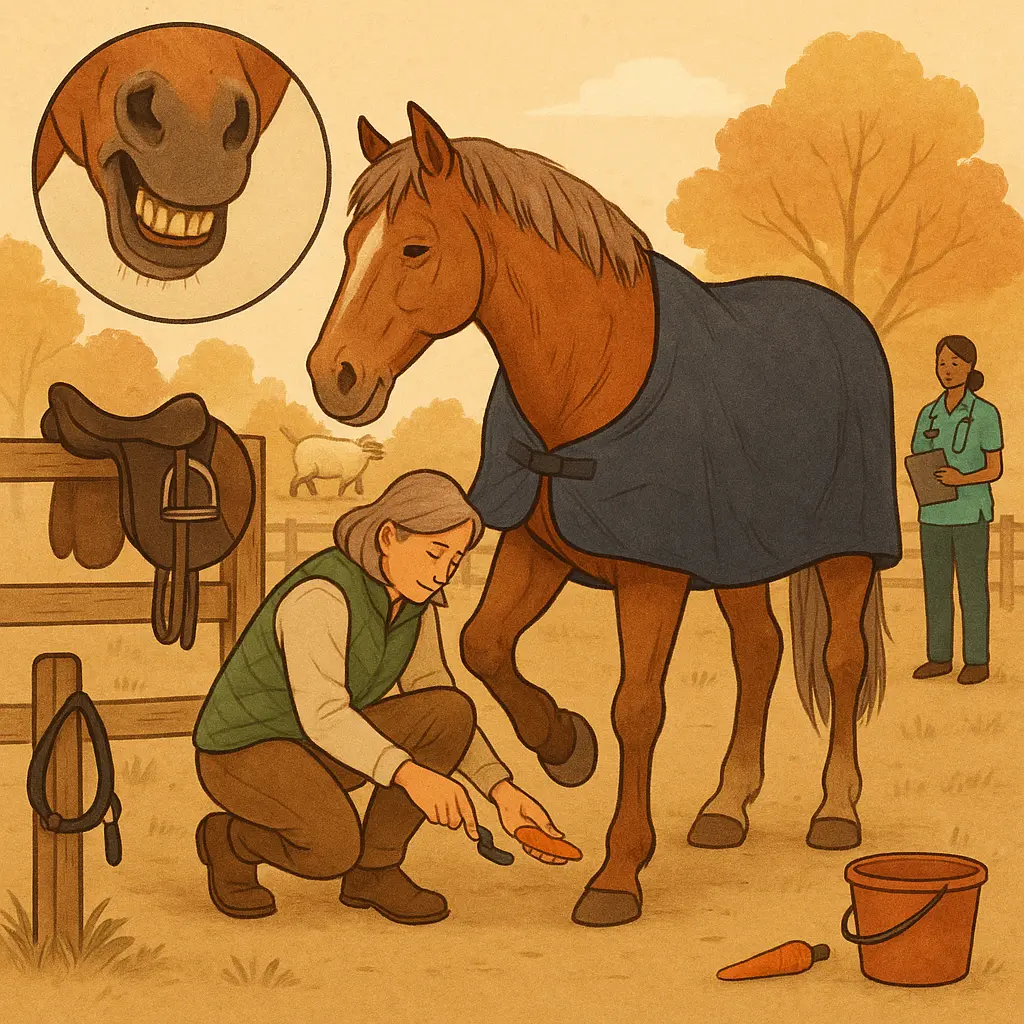
- Teeth: Older horses need dental checks twice a year to keep chewing painless and efficient, which also supports healthy weight (Petplan Equine).
- Vet: Annual or bi-annual veterinary reviews help keep vaccinations, worming strategies and age-related health on track (Petplan Equine).
- Saddle fit: The BHS advises frequent checks because older horses’ shape changes can make a once-comfy saddle painful; always build in long warm-ups/cool-downs to reduce stiffness (BHS).
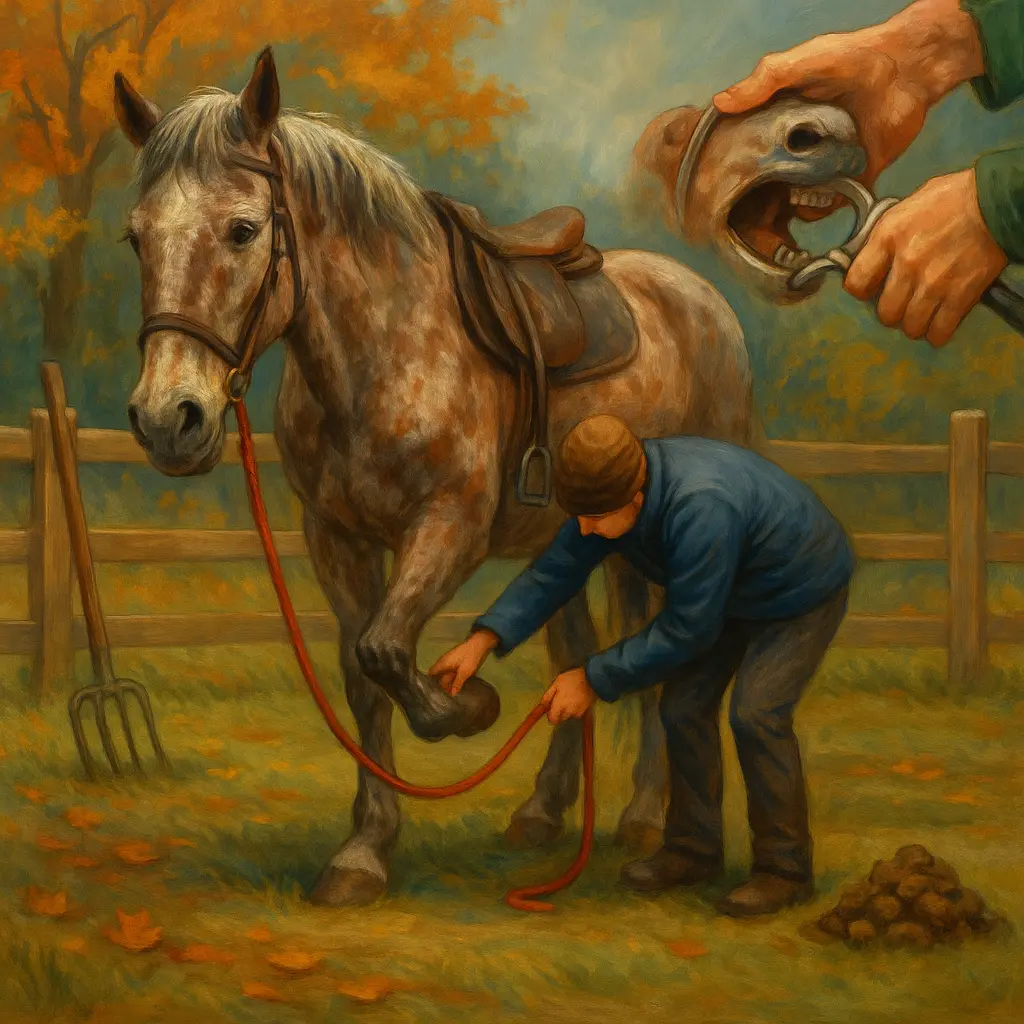
- Hooves: Pick out feet daily. Seniors are more prone to thrush due to reduced immune function, and damp UK conditions don’t help. Support their leg low and close to the midline if they’re stiff (BHS).
- Weight and warmth: In autumn, grass growth slows; older horses often need earlier rugging and extra feed to maintain condition (Blue Cross).
At Just Horse Riders, we recommend a practical toolkit for this daily care: a soft, ergonomic hoof pick and a gentle grooming kit for hands-on checks, plus season-appropriate rugs. For changeable UK weather, consider reliable winter turnout rugs from brands like WeatherBeeta, and add a cosy layer from our stable rugs collection for nights in.
“Elderly horses can suffer with a reduced immune system, so if [thrush] is allowed to develop, they’ll find it much harder to fight off... Be mindful that elderly horses may not be able to pick their feet up as high.” — British Horse Society
Catch without chasing: the step-by-step that works
Approach in a soft arc (not head-on), follow calmly until she stops, and reward as the headcollar goes on; never chase, holler or punish.
Here’s a proven, low-stress sequence:
- Enter the field quietly. Keep your shoulders turned slightly away, head low, eyes soft. Walk in a curve — prey animals find direct approaches threatening.
- Pause if she looks at you; back up a step if she turns away. This releases pressure and teaches her your approach is safe.
- If she walks off, just follow at a steady walk. Do not chase. When she stops, stop. Let her choose the pause.
- Approach the shoulder, not the face. Offer a rub on the wither or chest. Slip the noseband on smoothly and reward immediately as the headcollar fastens.
- Lead a couple of steps, then offer a scratch or a small treat and release if you’re not planning work. This breaks the “caught = hard work” expectation.
Pro tip: Keep high-value rewards tiny — think one pony nut or a sliver of carrot — and deliver them as the nose goes into the headcollar, not after a tug-of-war. Our customers find a pocketful of favourites from our horse treats range transforms tricky catchers in weeks.
“To start with, make sure your horse is in good health and that she’s in no pain or discomfort which may cause her to be difficult to catch.” — Horse & Hound expert advice
Quick tip: Practise short “catch, rub, release” sessions in a smaller pen near the yard. Repeat several times a day for a week to fast-track trust without always leading to work.
Build positive routines and associations
Reward during haltering, vary the routine, and sometimes catch just to groom or release — so being caught predicts comfort, not conflict.
Older horses thrive on calm, predictable handling. Make catching the start of something they enjoy:
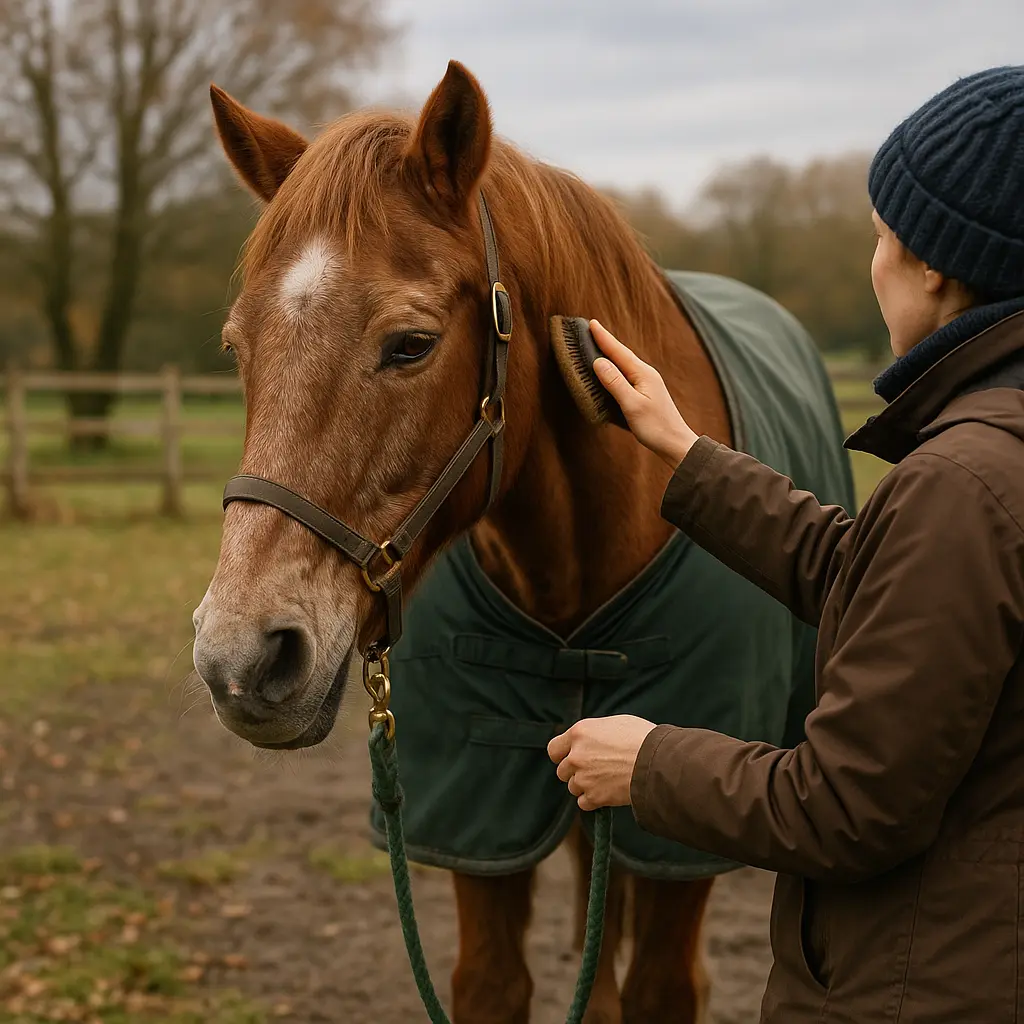
- Catch, groom with soft brushes, release. Gentle sessions with a soft-bristled grooming kit build feel-good associations and help you spot rubs or soreness early.
- Reward as the headcollar goes on. If treats suit your horse, use something tiny from our treats selection and phase out gradually as the new habit sticks.
- Keep sessions short at first. Ten minutes of positive handling beats an hour of wrangling every time.
Consider environment, too. David Higgins (Horses Inside Out) manages his 24-year-old Thoroughbred x Hanoverian by maximising choice and movement:
“With older horses it is especially important to take note of every sign they give... His stable door is left open so he can choose to be inside, in the yard, a small school or in the field.” — Horses Inside Out
Choice reduces stress — and stressed horses are harder to catch.
Turnout and winter management for UK seniors
Maximise turnout and movement year-round, use a safe arena or lunge pen when fields are restricted in winter, and rug earlier in autumn to protect older horses as grass slows.
The BHS recommends increased turnout for retired or semi-retired horses and avoiding long periods stabled. In UK winters, that may mean turning out in a secure arena or lunge pen when paddocks are waterlogged (BHS). Movement keeps joints supple, which reduces the discomfort that fuels catching problems.
Rugging: As nights cool and grass growth slows in autumn, the Blue Cross notes that older horses may need rugs earlier and extra forage to maintain weight. Choose breathable, waterproof lightweight turnout rugs for changeable weather, and keep a snug, dry option from our stable rug collection for overnight comfort. If your horse is sensitive, consider trusted brands like WeatherBeeta with generous shoulder gussets to reduce rubbing.
Pro tip: Keep walking surfaces safe. If your horse is stiffer on hard ground, supportive exercise boots or bandages during short in-hand walks can add confidence as you rebuild her catching routine.
Worm control and paddock management
Pick up droppings at least twice a week, rotate paddocks for several months, and consider cross-grazing to break worm life cycles — especially in the UK’s common mild, damp conditions.
Good pasture hygiene supports overall health and prevents the “not-quite-right” feeling that can make older horses evasive. The BHS advises twice-weekly poo-picking (more often if possible) and resting fields for several months where you can. Worm eggs die faster in hot, dry weather than in mild, damp UK conditions, so be diligent in typical British springs and autumns. Cross-grazing with sheep, goats or cattle helps disrupt worm life cycles without mutual illness risk, but consult your vet for protocols for other species (BHS).
At Just Horse Riders, we’re big fans of prevention: regular worm egg counts via your vet, field hygiene, and consistent nutrition. For overall wellbeing support during seasonal changes, browse our carefully selected horse care supplements and discuss options with your vet.
What to wear and carry when catching safely
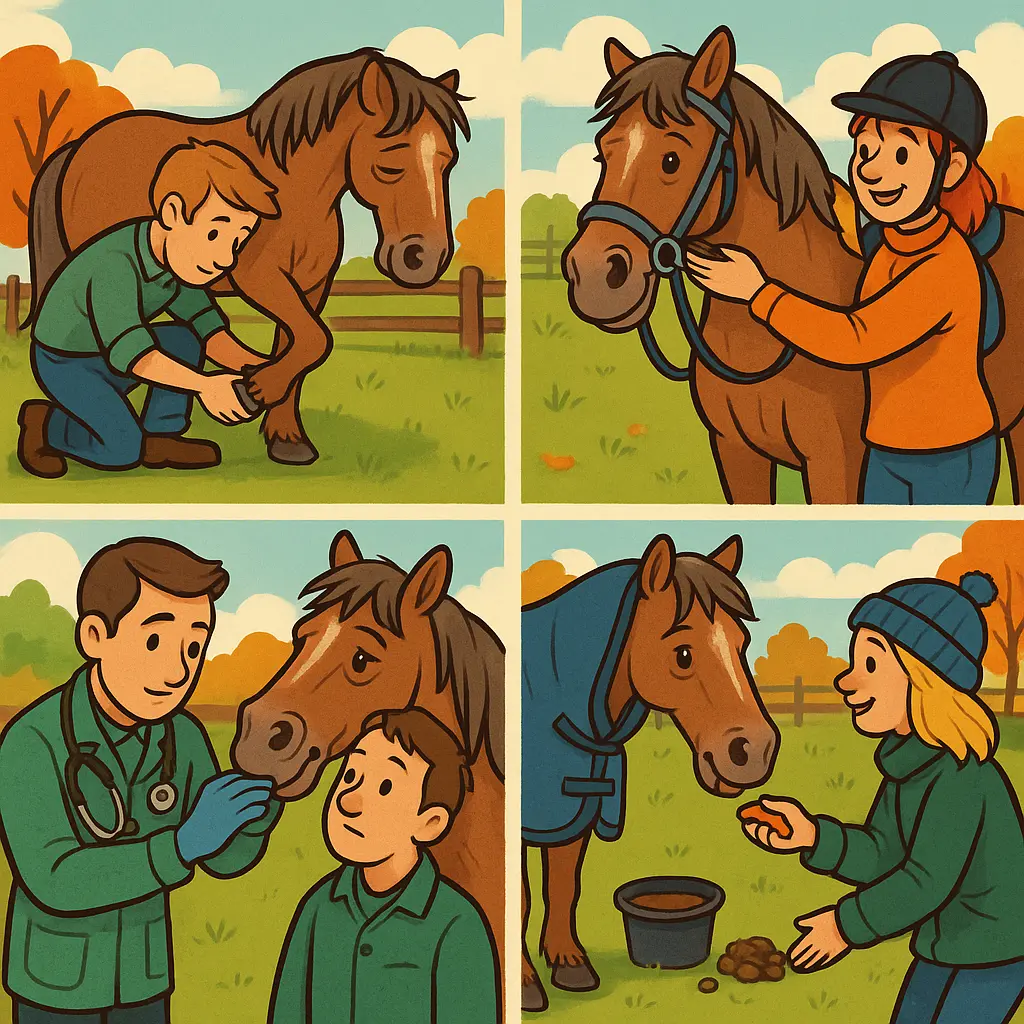
Wear sturdy boots and gloves, consider a helmet for unpredictable situations, and carry a soft rope with a comfortable, quick-release headcollar.
Your safety matters, especially with big fields, slippery gateways or windy days. Choose supportive, grippy riding yard boots for secure footing and consider a well-fitted riding helmet if your horse is lively at the gate. If you’re crossing tracks or shared access, add rider hi-vis for visibility on gloomy UK afternoons. Opt for a broad, kind headcollar with a quick-release and a soft rope — comfort at first touch helps set the tone for positive handling.
FAQs
Why is my older mare suddenly hard to catch in autumn?
Older horses can lose weight as grass growth slows and nights cool, making them feel colder and less comfortable. Combine earlier rugging, extra forage, and a full comfort check (teeth, saddle fit, joints) before retraining catching with rewards (Blue Cross; BHS).
How do I catch her without chasing around the field?
Walk in a non-threatening arc, soften your body language, and follow calmly until she stops. Approach the shoulder, reward as the headcollar goes on, and sometimes catch just to groom or release so catching isn’t always “work.”
What turnout routine works best for older horses on UK livery yards?
Maximise movement with as much turnout as your yard allows and avoid long periods in the stable. In winter, use a safe arena or lunge pen when paddocks are out of action and rug appropriately to maintain comfort (BHS).
When should I call the vet about catching problems?
Call your vet if you suspect pain, stiffness or health issues — especially if you notice weight loss in autumn, reluctance to pick up feet, new sensitivity to grooming, or saddle-area flinching. Schedule twice-yearly dental checks and annual/bi-annual health reviews (Petplan Equine).
How often should I check my older horse’s tack and hooves?
Have saddles checked regularly (more often if weight or musculature changes), and pick out feet daily to prevent thrush. Support the leg lower and closer in if she’s stiff, and keep farrier visits consistent even if she’s unshod (BHS).
Can gentle exercise make catching easier?
Yes. Regular, comfortable movement reduces stiffness — think twice-weekly hacks, in-hand walks, or ground poles at walk — always with long warm-ups and cool-downs for seniors (BHS; Horses Inside Out).
What kit helps with catching and care for seniors?
Choose a soft, quick-release headcollar and rope, a gentle grooming kit, daily-use hoof pick, and season-appropriate turnout rugs or stable rugs. For handler safety, add sturdy yard boots and a helmet when needed, plus hi-vis for low light.
With a little health-first thinking, low-pressure handling, and UK-savvy management, your older mare can learn that being caught is the start of comfort and connection — not discomfort or chase. If you need help choosing the right rug, grooming tools, or handler kit, our team at Just Horse Riders is here to help.