

Should You Conduct Nutritional Analysis on Soil, Grass, or Both for Optimal Equine Health?
Introduction
Horse owners often face a pressing question when trying to optimize their herd's health: should they focus more on soil testing or forage analysis? The straightforward answer is both! Balancing these two analyses is critical for maintaining robust equine health and vibrant pasture productivity. Let's delve into the science to understand why both are essential.
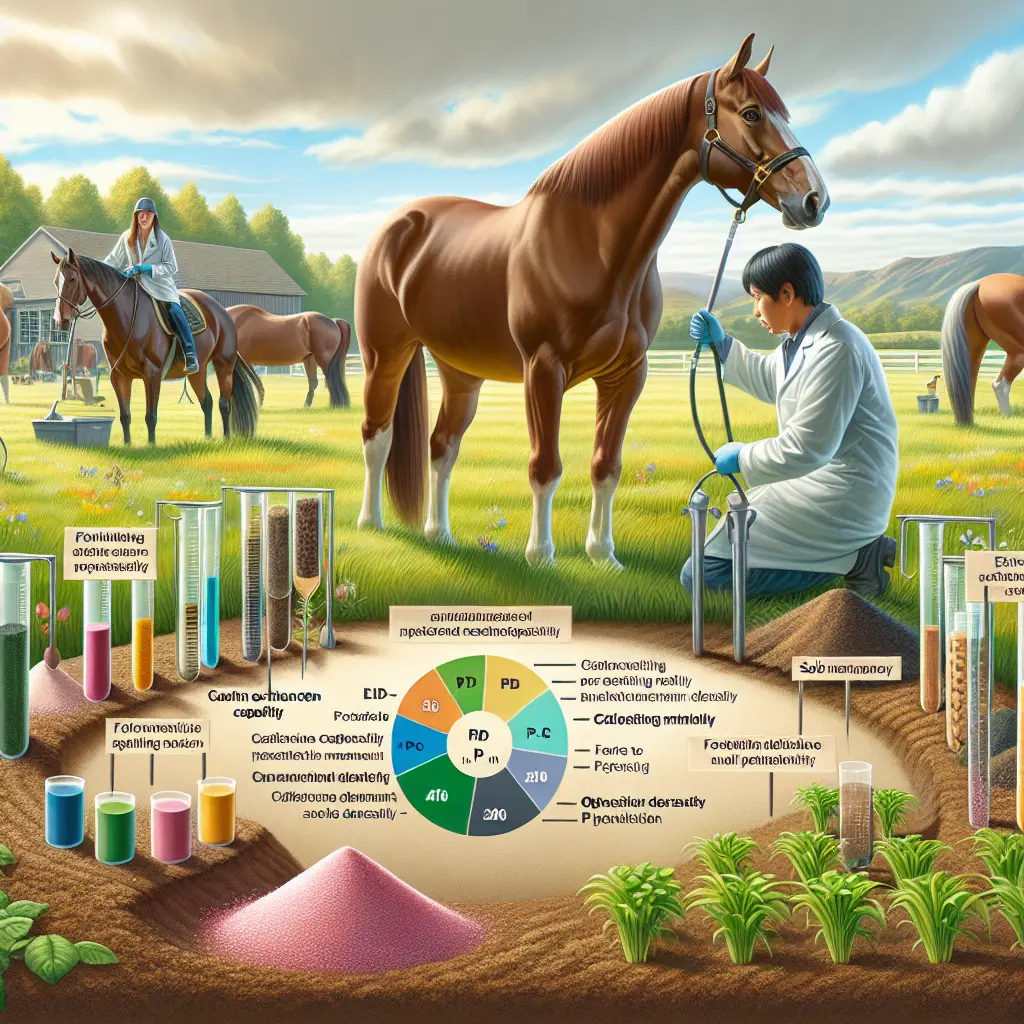
The Critical Link Between Soil and Forage Quality
It's common for horse owners to focus solely on what their beloved animals consume, potentially ignoring the underlying basis for that nutrition: healthy soil. This oversight can weaken even the best feeding strategies, as soil health is directly linked to forage quality.
A detailed soil testing report provides clarity on pH levels and essential nutrient values like nitrogen and phosphorus.
Understanding Soil Composition and Its Effects
Believe it or not, soil organic matter can hold up to 20 times more nutrients than sand, silt, or clay! The nutrient absorption capacity is determined largely by the soil's organic content.
Stocking Density and Its Impact
One common mistake made by horse owners is overstocking pastures. Ideally, the recommended equine stocking density should be 1.5 to 2 acres per mature horse. Exceeding this can lead to reduced forage quality and imbalances in soil nutrients.
The Perks of Soil Testing
A soil test can inform a variety of critical management decisions such as liming strategies, fertilizer requirements, and long-term tracking of soil health. It also protects water quality by reducing nutrient runoff and erosion.
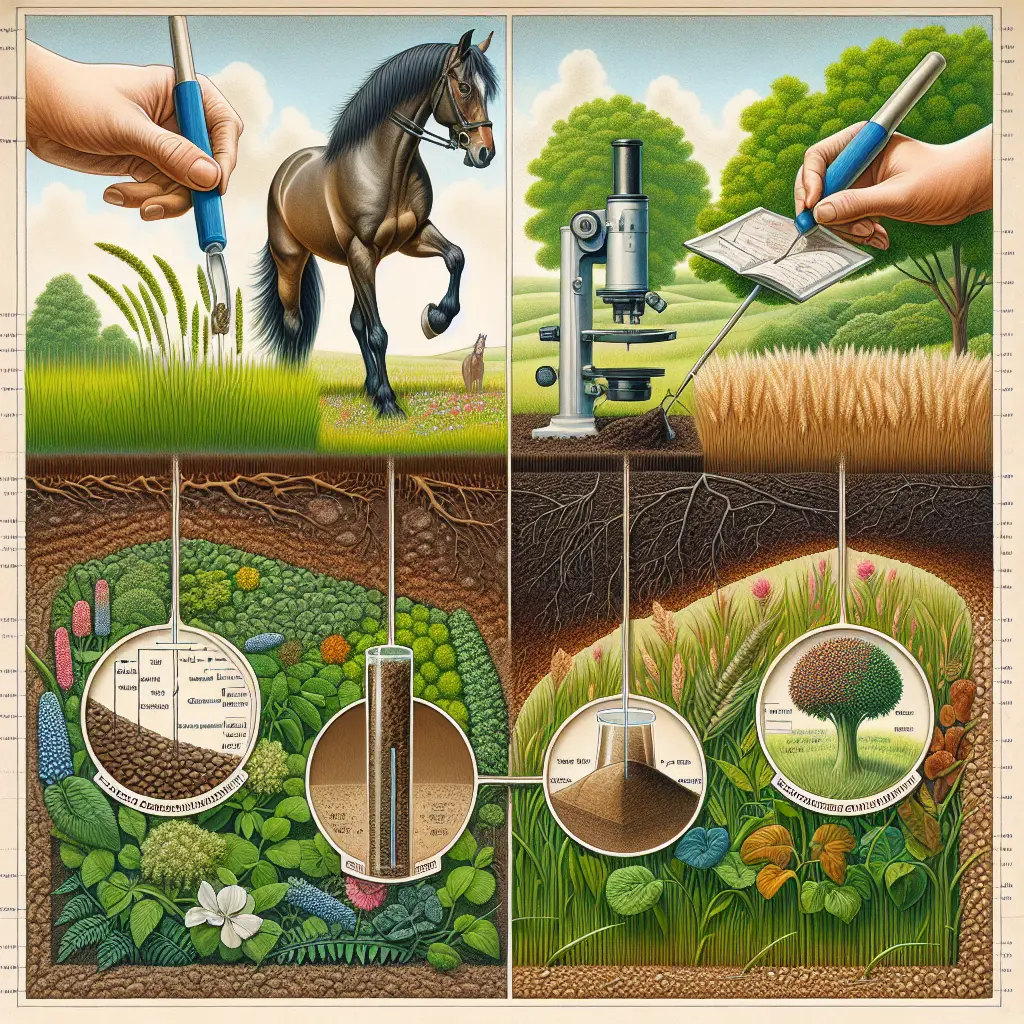
Boron and Other Micronutrient Deficiencies
Soil testing is also pivotal for spotting micronutrient deficiencies. For example, the sandy coastal plains are often more susceptible to boron deficiencies, which can be problematic for legume pastures.
Forage Analysis and Its Importance
Knowing soil conditions is key, but forage analysis delves into what horses are actually eating. From evaluating the plant's maturity to its species-type nutritional concentration, forage gives insight into your horse's diet.
The Role of the Calcium-to-Phosphorus Ratio
This ratio is crucial for horses, as it affects bone strength and muscle function. An ideal ratio is at least 1.2:1, ensuring more calcium than phosphorus.
Beyond Basic Nutrition
Basic forage analysis helps adjust vitamins and supplements based on the nutritional content of hay. This refinement is invaluable for horses with specific dietary requirements.
The Synergistic Value of Both Approaches
Insights from both soil and forage analyses reveal what each individually misses, providing a comprehensive overview.
What Soil Testing Cannot Tell You
While excellent for nutrient availability, soil tests don't account for how efficiently specific grass types absorb these nutrients.
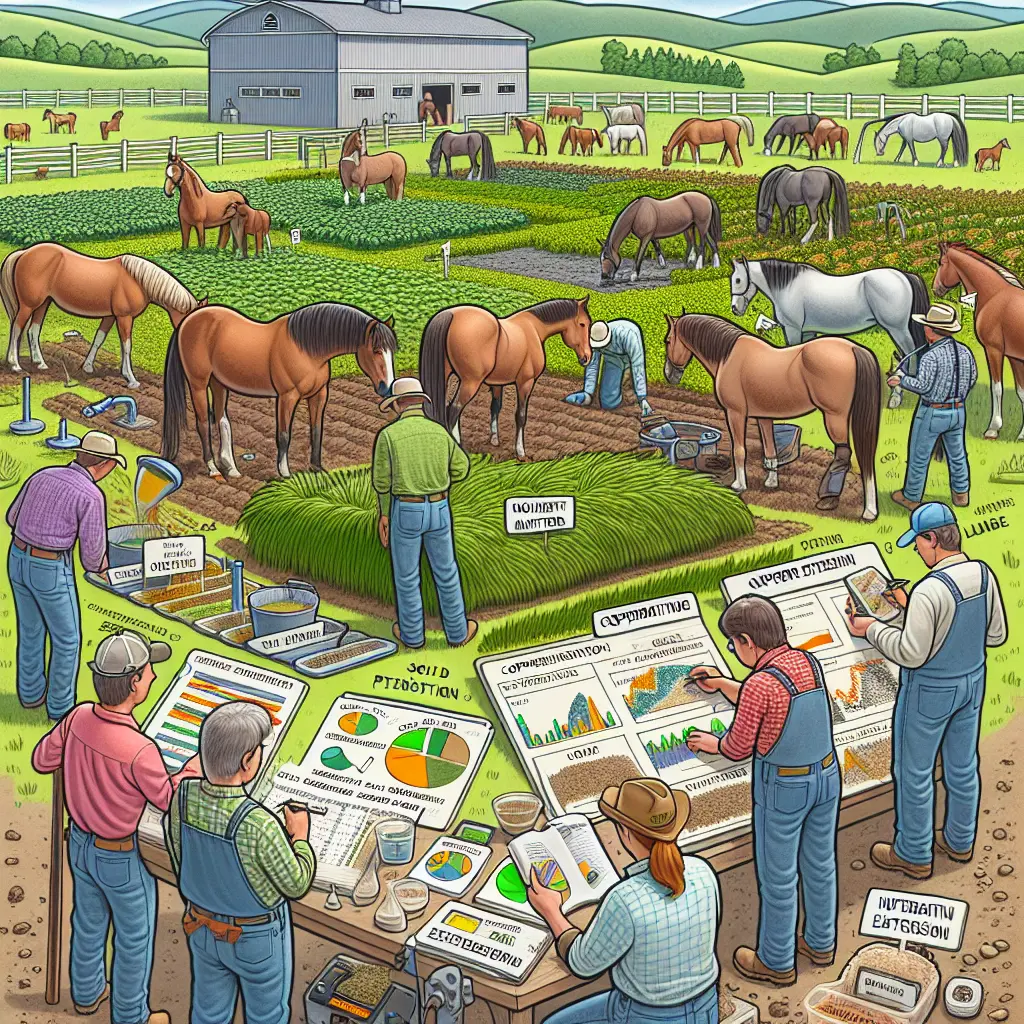
What Forage Analysis Cannot Tell You
Forage analysis shows what your horses eat but won't reveal why the nutrient levels are what they are. For that, soil testing is crucial.
The Complete Picture
For a thorough understanding of pasture health, both soil and forage are essential. They help identify forage types, soil conditions, and appropriate horse density.
Implementing a Comprehensive Testing Program
Below is what you need to start soil and forage testing at your own stable!
Getting Started with Soil Testing
Contact local offices for kits to test your soil. Accurate sampling, such as grid soil sampling, is crucial for actionable results. It helps pinpoint which parts of your pasture have varied usage and requirements.
Developing a Forage Analysis Schedule
Collect forage samples during peak seasons to gauge nutrition precisely during high-grazing periods.
Creating a Long-Term Tracking System
Record soil test reports to monitor nutrient ranges. Essential for making informed changes to your pasture management strategy.
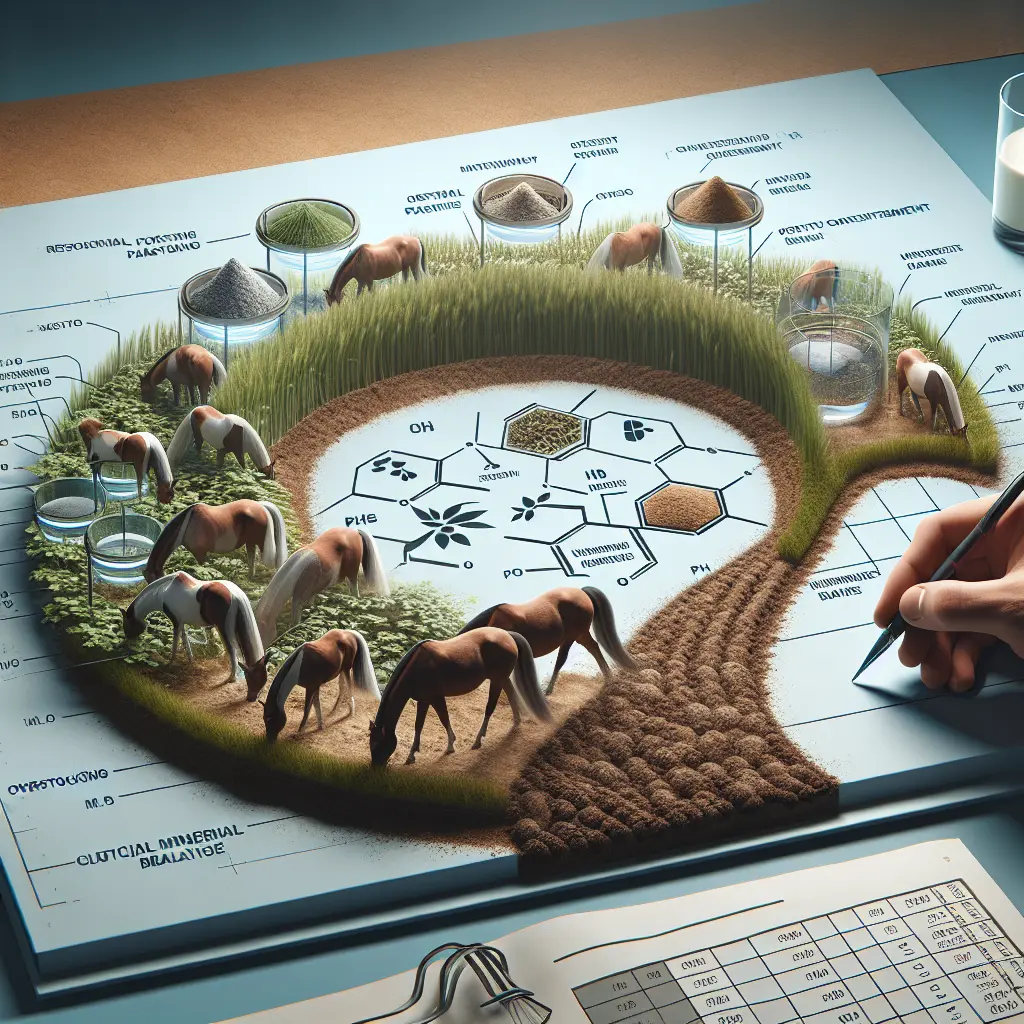
Building Soil Health for Sustained Equine Nutrition
Beyond testing, understanding ways to boost soil health can lead to significant improvements in forage quality.
The Role of Grazing Management
Consider giving your land and its grasses a "spa" day! Sustainable grazing regimes encourage regeneration, increase organic carbon levels, and improve overall pasture health.
Nitrogen Fertilization Timing
Optimizing nitrogen application can boost pasture productivity. Strategically apply throughout the season to balance growth and hardiness.
Building Soil Biodiversity
Biodiverse soils are strong soils! Increased diversity leads to robust plants with higher pest resistance and more efficient nutrient cycling.
Conclusion: Both Tests Are Non-Negotiable
In our quest for optimal equine health, the combination of soil and forage analysis is an unbeatable team. By performing both tests and keeping meticulous records, you accomplish more than optimizing your equine's diet—you future-proof your pasture for lasting vitality and productivity.
Trust yourself and the science. Start with soil testing through your local extension office, complement it with forage analysis, and pledge this as an annual practice. In the end, your horses will be the real winners, and they may just thank you with a nuzzle!