

Exploring the Causes and Significance of High Blowing and Fluttering Nostrils in Horses
Horses, much like humans, can signal distress in unique ways. One of such indicators is through high blowing and fluttering nostrils. This article plunges into the reasons behind these nasal gymnastics and their implications, aiming to keep your equine friend in peak condition.

What Do High Blowing and Fluttering Nostrils Look Like?
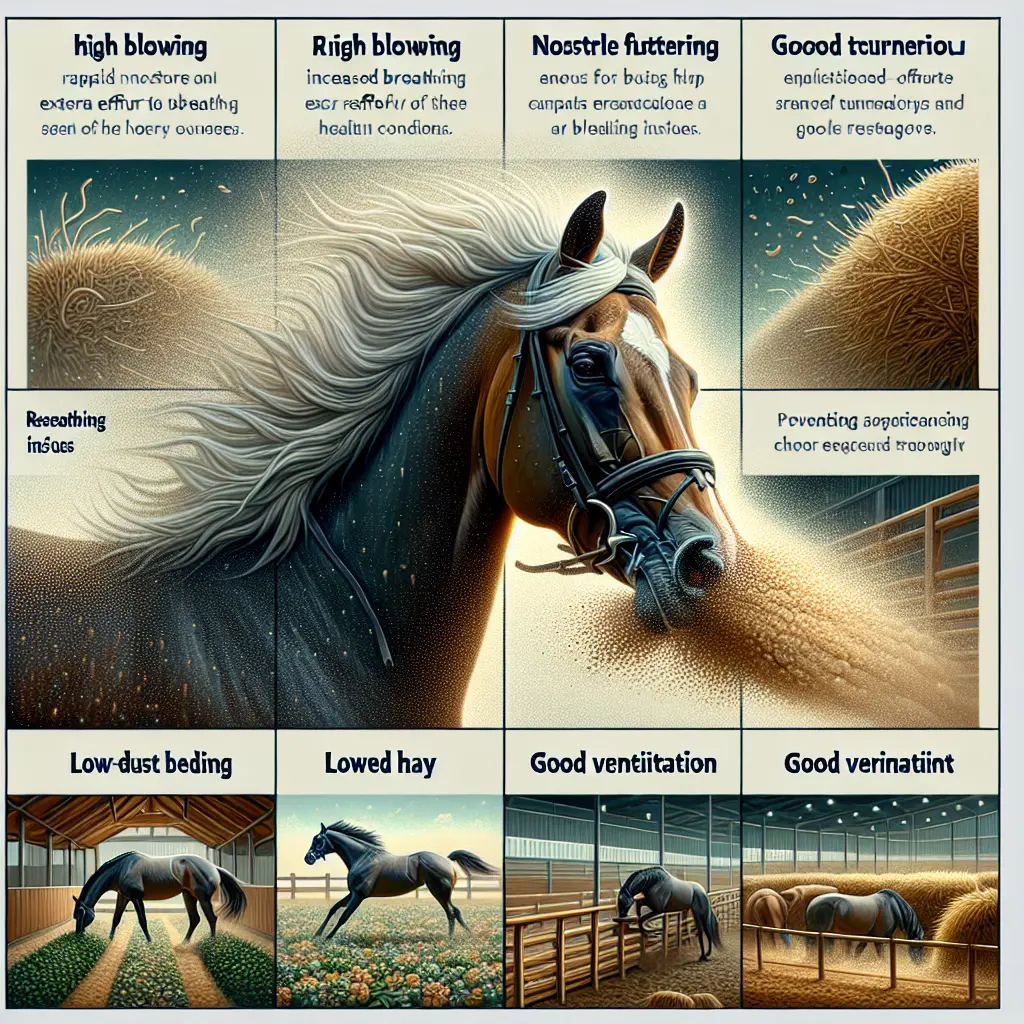
Picture your horse mid-gallop: instead of the gentle sound of wind, there's a clear "high blowing"—a series of puffing or whistling noises, often synchronized with their movements. This phenomenon is the result of nostril or false nostril vibration during exhalation. If your horse's nostrils are fluttering dramatically, they might be struggling for air, using all means to increase airflow.
These sounds might be mundane during an intense workout but can signify deeper issues if persistent during rest or coupled with coughing or poor performance. Studies suggest that respiratory noises can lead to performance drops in up to 70% of affected racehorses [Horsetalk].
Common Causes of High Blowing in Horses
Laryngeal Hemiplegia (Roaring)
This condition sees one of the vocal folds paralyze, producing a "roaring" sound on inhalation. It's more common in Thoroughbreds but can affect various breeds, impacting up to 20-30% of racehorses over two years old [Kentucky Equine Research].
Dorsal Displacement of the Soft Palate
The soft palate flipping up blocks air, creating snoring-like noises and exercise intolerance. Treatment ranges from rest and medication to surgical intervention in severe cases. This condition is prevalently seen in performance horses.
Epiglottic Entrapment
This is where cartilage traps the epiglottis, affecting airflow. Although it doesn’t always hamper performance, surgical correction is often necessary.
Fluttering Nostrils: Signs of Respiratory Distress
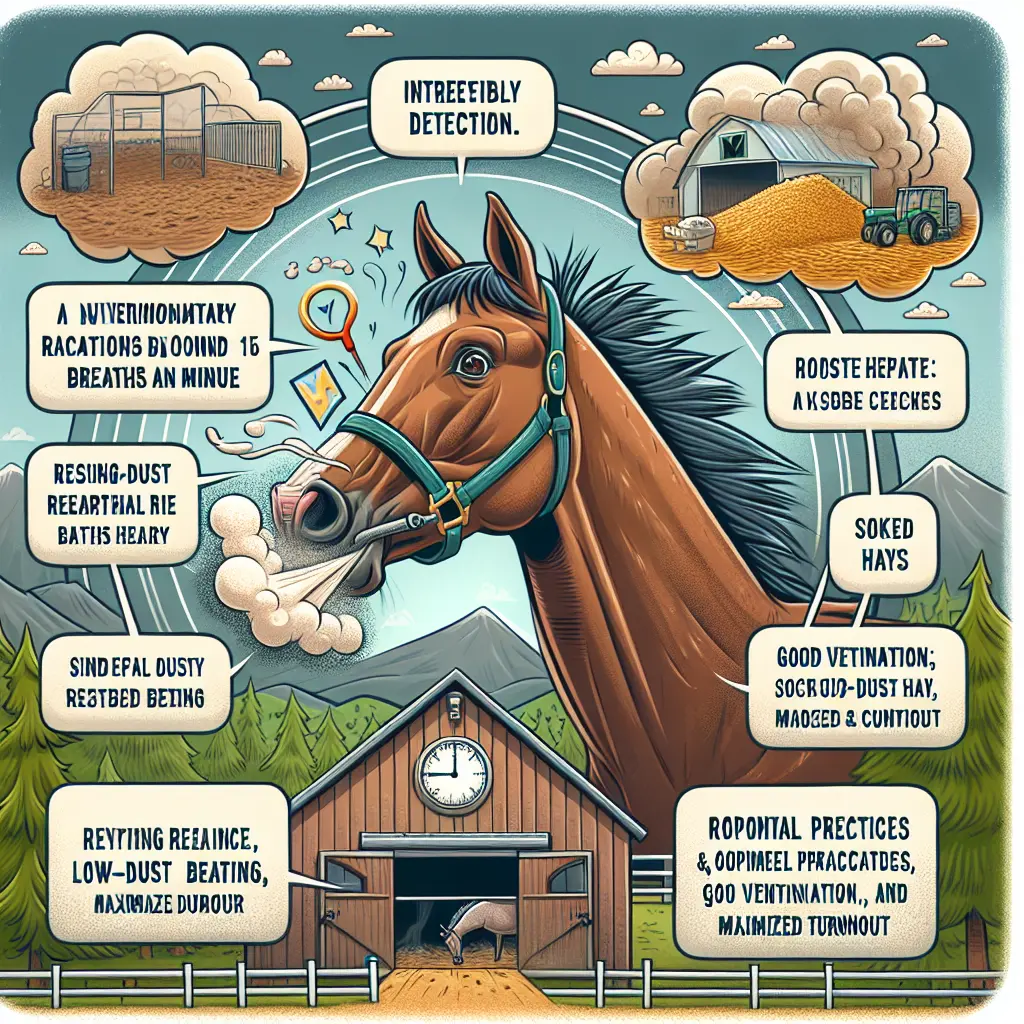
Fluttering or flared nostrils is a red flag that your horse is working overtime to breathe, likely due to expiratory effort where air is trapped in constricted airways. A horse's normal resting respiratory rate is 8-15 breaths per minute, so noticeable increases accompanied by nostril flaring indicate stress [The Horse].
Equine Asthma (Heaves or RAO)
This condition results in chronic airway inflammation, often causing mucus and spasms. Severe cases see nostril flaring at rest, with a characteristic "heave line" along the belly. This affects about 10-20% of stabled horses, with common triggers being dust and mold [Equine Guelph].

Inflammatory Airway Disease (IAD)
This subtle condition strikes performance horses, manifesting as excess mucus and a persistent cough, though nostril fluttering might only appear during strenuous activity.
Environmental Allergies or Irritants
Things like pollen, dust, or poor air quality in barns can provoke watery discharge and nostril flaring. Dusty stalls present prime conditions for such irritants [Alberta Equestrian Federation].
Why These Signs Matter: Performance and Health Impacts
The implications of these signs go beyond mere annoyance—they severely hinder oxygen uptake and, by extension, performance. Airway noise can curtail exercise efficacy, and obstructions can lead to a 10-20% drop in speed according to studies [Horsetalk].
Real-World Facts and Figures
Respiratory issues often overshadow lameness in performance horses, with half of all horses experiencing asthma at some point. Dust from inadequate bedding is responsible for over 80% of heaves flare-ups, illustrating the direct correlation between environment quality and respiratory health [Kentucky Equine Research].
When to Call the Vet and Prevention Tips
It's time to summon a vet when high blowing persists after exercise, nostrils flutter at rest, or there's noticeable coughing or discharge. Early interventions are key to preserving your horse’s long-term health. Meanwhile, prevention can be your first line of defense:
- Soak hay and opt for low-dust bedding to slash irritants by up to 90%.
- Enhance ventilation—good airflow dramatically reduces asthma risks.
- Keep an eye during workouts: a bit of puffing is fine, but roaring or labored breathing isn't.
At Just Horse Riders, we understand the nuances of horse care, providing everything from the right Jodhpurs and Boots to Supplements that promote optimal wellbeing. Paying close attention to signs like high blowing and fluttering nostrils equips you with the tools to ensure your equine companion stays healthy and high-spirited.