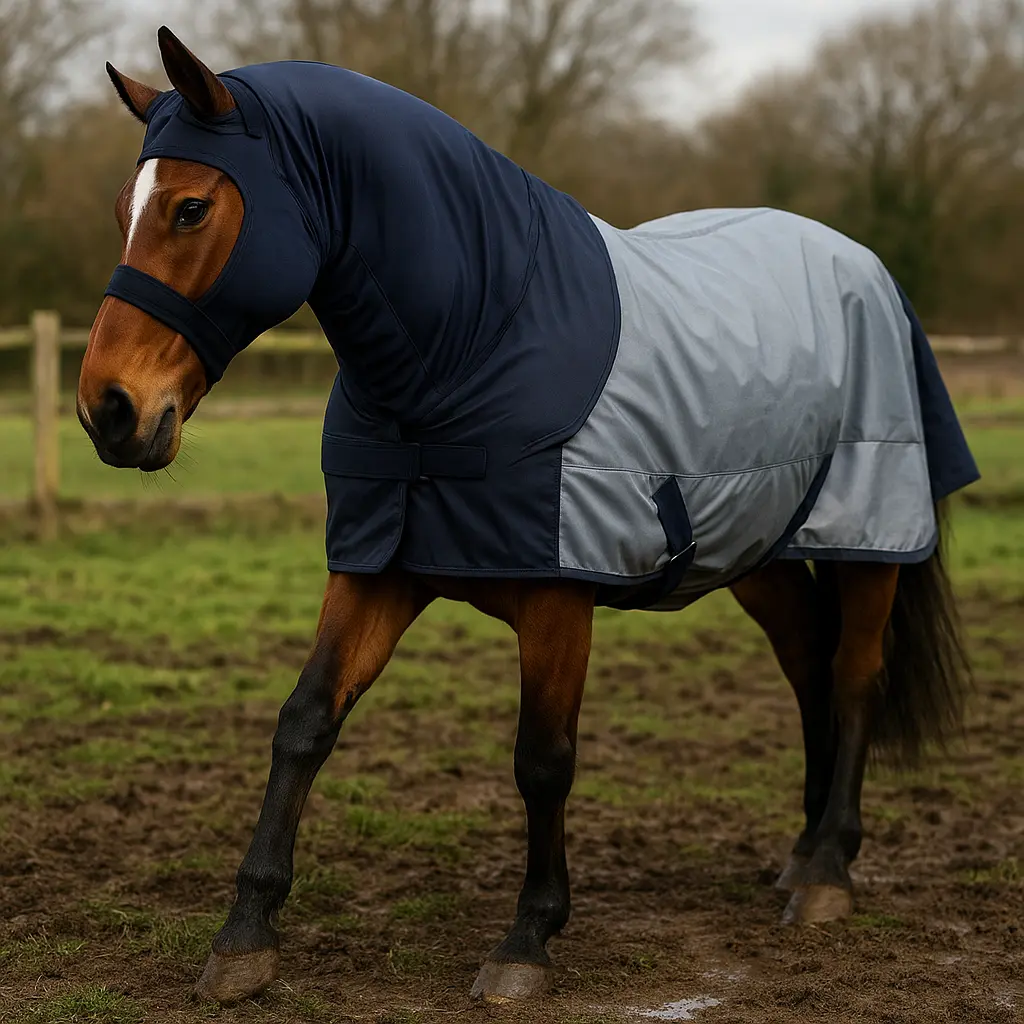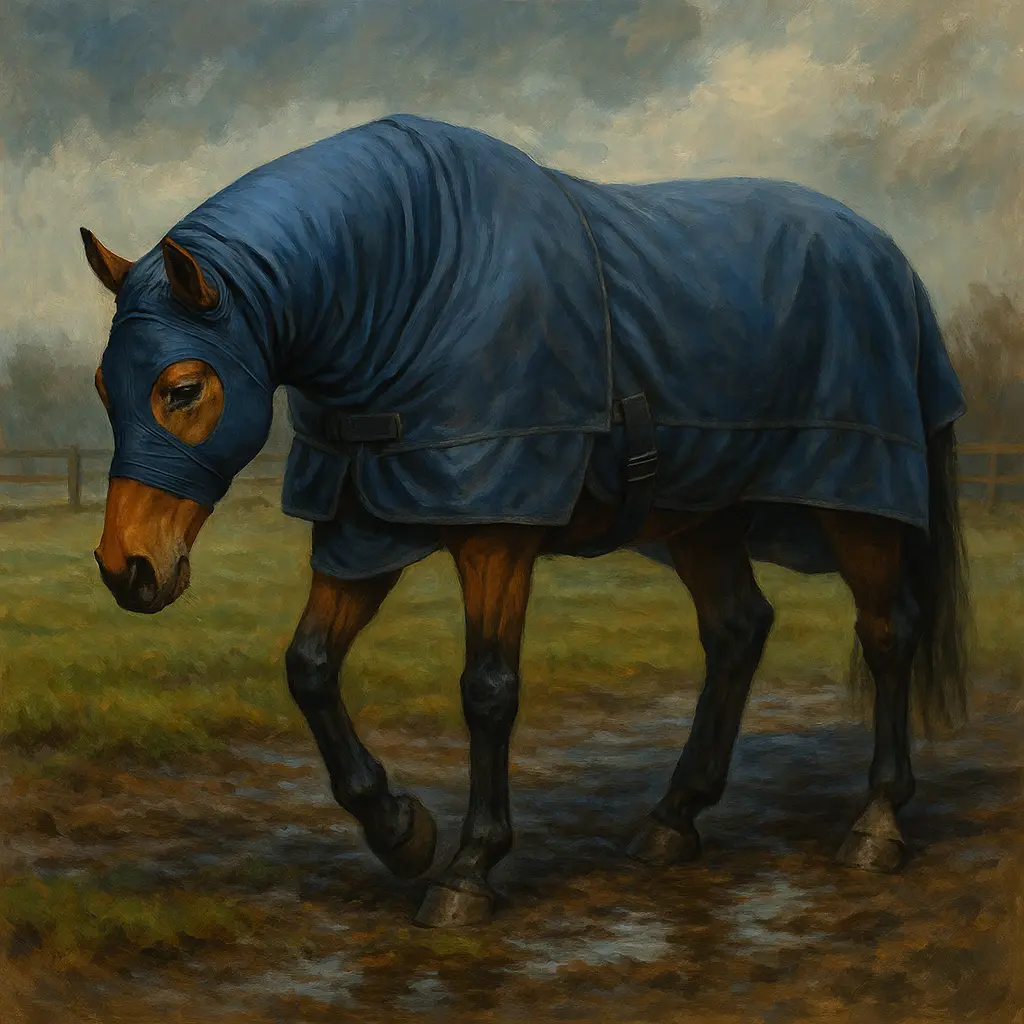
Fed up with mud-dreadlocks, rubbed manes and hoods that wriggle into eyes the moment your horse puts their head down? If you want full neck protection without covering the face, you can have it — reliably — with the right fit and a couple of smart tweaks.
Key takeaway: You can run a Snuggy Hood without face coverage by choosing a Headless Hood or having your existing hood altered (£30 incl. return postage), as long as the belly band is fastened tightly just behind the elbow and the fit is checked with the head fully down.
Yes — you can use a Snuggy Hood without the face
You can remove face coverage and still keep the mane and shoulders mud-free by using a Headless Hood or by having Snuggy Hoods professionally alter your existing hood for £30 including return postage. This setup is secure in UK wind and rain when fitted correctly.
Headless Hoods are designed to slip on over the nose and sit behind the ears, giving the neck room to wrinkle for grazing while staying anchored on the withers. If you already own a hood with a face, Snuggy Hoods offer a straightforward alteration service to remove or shorten the face, add neck length, or insert face panels to improve the fit.
“Most alterations are possible for the perfect fit! If you are unsure call us or better still take a photo of the hood on the horse and email it to us to check BEFORE you use it.” — Snuggy Hoods Ltd
For typical UK field use, their Turn Out Hoods are hard-wearing, breathable, heavy shower-proof and — when correctly sized and fitted — effectively 100% mud-proof on the mane. That makes them ideal for autumn–winter when wet, gritty mud does the most damage to hair condition.
How to fit a headless or modified hood correctly
The belly surcingle must be fastened tightly and forward, just behind the elbow on the girth line; this single step prevents backward slip and keeps the neck the right length.
Start with a clean horse (remove scurf and grease) and position the hood so the chest is close but not restrictive. A slightly baggy chest is acceptable on finer types as long as the chest depth is correct. Smooth the mane from the back of the hood to prevent rubs, then fasten the belly band through the elastic keeper (if present) and secure it firmly just behind the elbow.
“The belly band should be done up tightly and forward – just behind the front leg on the girth. The chest should be a close fit, but not too tight.” — Snuggy Hoods Fitting Guide
For headless use, zip or pull the hood on over the nose, fasten the throat/chin Velcro snugly, and adjust the poll straps so the cheeks sit close without pressure. Now test with your horse’s head fully down to graze: the hood should not pull into the eyes, slide over the withers, or restrict the base of the neck.
“Straighten the horse’s mane from the back of the hood, pass belly band through the elastic strap and fasten tightly on the girth just behind the elbow – DO NOT FASTEN FURTHER BACK AS THIS WILL REDUCE THE LENGTH OF THE NECK.” — Snuggy Hoods Fitting Advice
How to stop slipping and rubbing
If a hood slips, it’s almost always because the belly band is too loose or positioned too far back; move it forward and tighten until secure. To prevent rubs, keep the hood and mane clean and allow slight neck wrinkling so your horse can graze comfortably without drag.
Key checks and tweaks that work:
- Secure the belly band tightly at the front girth line (behind the elbow) and pass it through the elastic keeper to reduce movement.
- Set the throat/under-chin Velcro snugly; cheeks should sit close, not tight. Adjust poll straps so the hood stays behind the ears when the head drops.
- Ensure the neck has mild “wrinkles” when the head is up; this spare fabric stops tension and chafing during grazing.
- Straighten the mane underneath from the back of the hood and wash the hood fortnightly to remove grease that can cause friction.
- If pairing with a rug, either use a rug without a neck or fold the rug’s neck back; sew a supplied Velcro loop to the top of the rug neck to tether the hood in place.
Snuggy Hoods themselves recommend letting the hood do the neck protection and avoiding doubling up with another neck cover, which can trap heat and increase rub risk. If you do need rug coverage as well, choose appropriate layers and weights. For the field, browse our range of winter turnout rugs to match your horse’s clipping and the day’s temperature.
Quick tip: A quick pre-fit brush and a light spritz from your grooming kit helps the fabric glide into place and reduces scurf build-up that can cause friction.
When to choose Turn Out Hoods in the UK
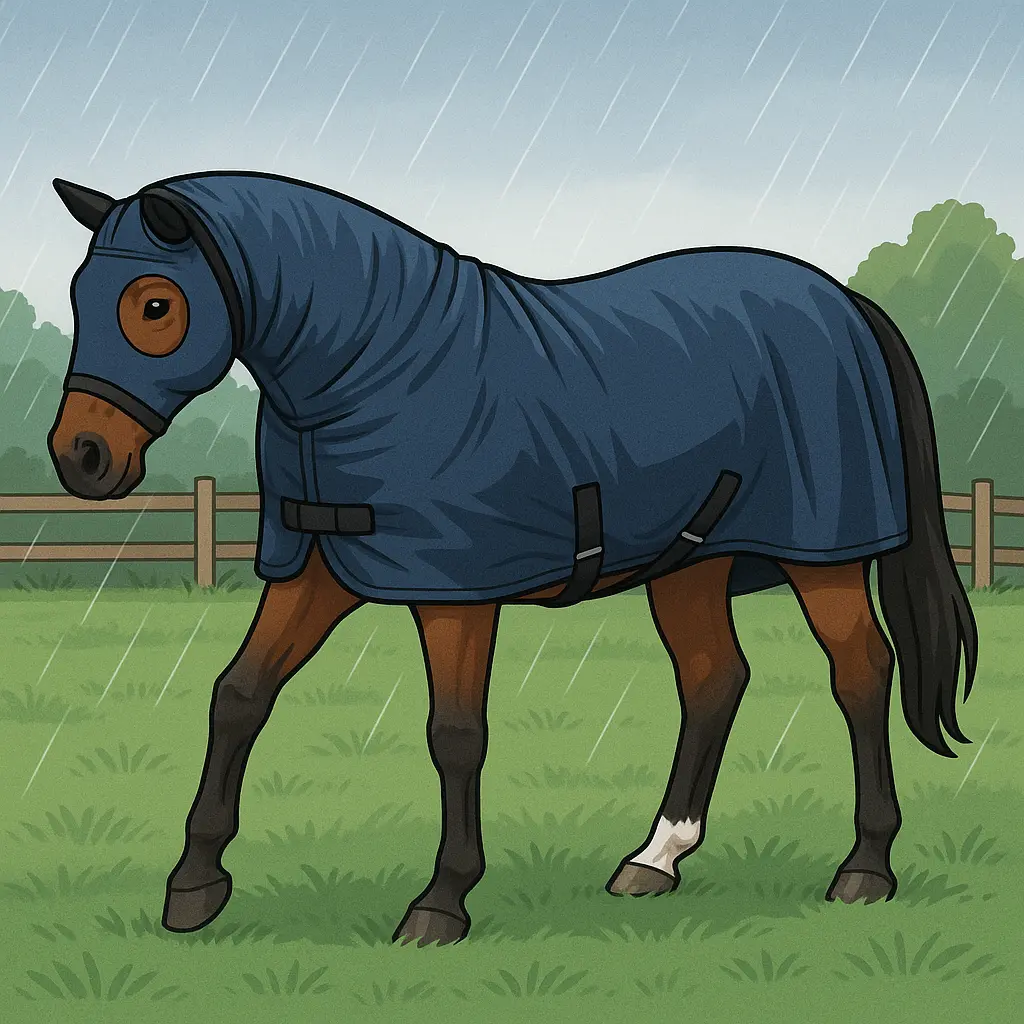
Use Turn Out Hoods through the UK’s wet and muddy months for 100% mud-proof mane protection when correctly fitted; they’re breathable and heavy shower-proof, built for outdoor wear.
From autumn into early spring, fields are slick and gritty rinses are cold — exactly when a Turn Out Hood saves you time and your horse’s hair condition. Snuggy Hoods advise letting the hood handle the neck protection and either using a rug without a neck or folding the rug’s neck back; the hood’s fabric is designed for this job outdoors. On milder days or when flies are active, a lighter layer may be more comfortable — if you’re transitioning from a fly hood or rug, remember your horse will need acclimatisation time. You can explore breathable options in our curated fly rugs and sheets for the shoulder seasons.
Pairing ideas that work well in the UK:
- Wet and mild (8–12°C): Turn Out Hood + lightweight or no-neck rug, folded back rug neck.
- Cold and wet (0–8°C): Turn Out Hood + medium-weight rug with the rug neck folded back; add a liner if clipped or poor doer.
- Dry and cold: Consider whether the mud-proofing is still needed; if not, swap to a stable hood inside and a standard rug outside.
At Just Horse Riders, we’ve seen great results when owners keep neck layering simple outdoors, then use a breathable stable layer inside. If your horse is also prone to field knocks, add protective legwear from our horse boots and bandages collection to reduce scuffs during group turnout.
Acclimatising your horse safely
Allow at least 1–2 weeks for your horse to acclimatise to a new hood or rug setup; this is critical if you’re moving up from a light fly layer to a denser Turn Out Hood to avoid overheating during the coat-shedding phase.
Start with short, supervised periods in the stable or a small paddock, then increase turnout time daily as you check for warmth, sweat, or rubs. UK weather flips quickly — a cold morning can turn into a mild, damp afternoon — so recheck warmth mid-day. If the horse is toasty under the hood, fold back extra rug necks or step down a rug weight to maintain comfort.
Acclimatisation checklist:
- Day 1–3: 1–2 hours wear, head-down test, adjust straps; check for any slipping towards the eyes or over the withers.
- Day 4–7: Half-day turnout; reassess warmth midday; ensure dirt or grease is brushed off daily at the mane/cheek areas.
- Day 8–14: Full-day or 24/7 turnout once you’re confident there are no rubs and the fit is stable (belly band still tight and forward).
Pro tip: If your horse is shedding heavily, a gentle daily groom and a mane wipe reduce friction under the hood; consider supportive skin and coat products from NAF supplements if your horse’s skin is sensitive during seasonal changes.
Getting the perfect fit with alterations and returns
Most fit issues can be corrected by Snuggy Hoods’ alteration service for £30 including return postage; returns of tried-on but unsoiled goods are accepted within 28 days under UK/EU distance selling rules.
If your hood rubs, slips, or looks short/long in the neck even after proper fitting, go straight to alterations. Typical fixes include shortening or removing the face, adding neck length, or inserting a face panel. Before sending, the hood must be machine-washed and dried; include clear photos (side views with head up and down), measurements, and a quick diagram of the issue. This helps their team decide whether to shorten the face, deepen the chest, or tweak strap lengths for your horse’s conformation.
Examples of when to choose alterations:
- Neck rides up when grazing: add neck length or review belly band position with a photo check.
- Cheek rubs despite clean mane: adjust face panel/cheek depth or switch to headless style.
- Chest too shallow/deep: alter chest depth rather than sizing up or down.
How to proceed:
- Fit-test on a clean horse and take photos with the head fully up and fully down.
- Contact Snuggy Hoods with your photos for advice and a quote (standard alterations are £30 incl. return postage).
- Send the hood washed and dry with notes/measurements; expect most adjustments to be possible for a “made-to-measure” feel.
Returns: If you decide the hood isn’t right and it’s only been tried on, wipe it clean, secure the Velcro, remove hairs, and return within 28 days. Washed or soiled items can’t be returned but can still be altered. For fitting advice direct from the manufacturer, see Snuggy Hoods’ fitting advice and their Help FAQ.
Practical UK turnout tips that work
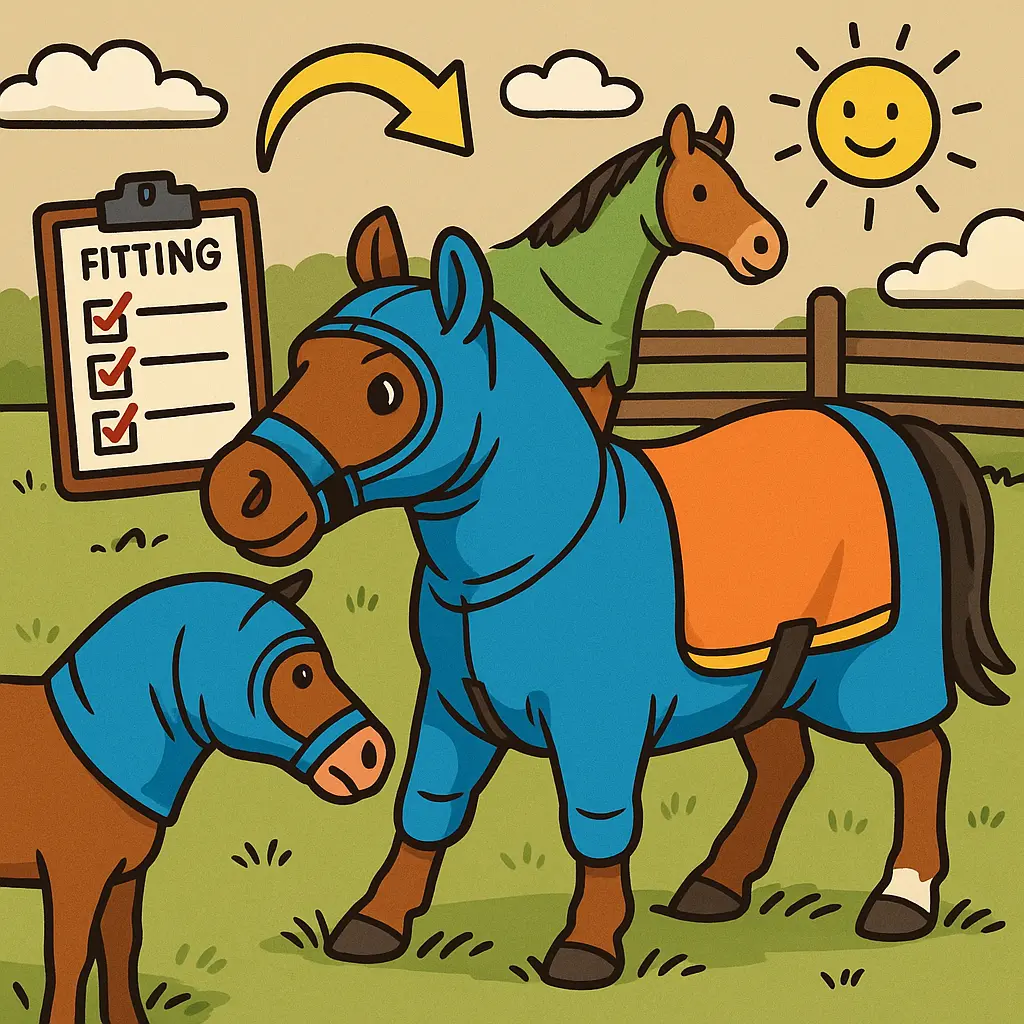
The simplest way to keep a headless or modified hood secure in UK fields is to anchor the belly band properly and attach the hood to the top of your rug at the neck using a sewn-on Velcro loop.
Here are field-tested ways to keep everything in place through rain, wind and play:
- Sew the spare Velcro loop provided to the top of any over-rug’s neck so the hood can attach and resist sideways twist.
- Always fasten the hood first (belly band tight and forward), then put the rug on over the top.
- Check the fit with the head down to graze: the hood should stay behind the ears and on the withers without eye contact.
- Keep a spare belly strap/surcingle on hand; replacing a tired strap is cheaper than a lost hood.
- Wash the hood every fortnight; damp UK mud + coat grease = friction. Clean fabric glides and reduces risk of rubs.
- If your horse is in a boisterous herd, choose tougher outer layers beneath the hood; brands like LeMieux, Shires, and WeatherBeeta are popular with our UK customers for durable rugs that pair well with hoods.
- Budget saver: check our Secret Tack Room clearance for replacement straps or a back-up hood for winter.
Owners in UK yards also report practical repairs like fleece face replacements after field damage — handy if you’re moving between face-on and headless setups or dealing with bitey fieldmates. If you’re transitioning from fly-weight summer layers, plan ahead: a week of gradual introduction reduces fussing and heat build-up when you first bring out the heavier Turn Out Hood.
How to pair your hood with rugs
Let the hood do the neck work and either use a rug without a neck or fold the neck back; this avoids overheating and reduces rub risk while keeping the mane 100% mud-free when fitted correctly.
Snuggy Hoods specifically recommend dropping the rug neck because the hood already provides head and neck coverage outdoors. If you still need more body warmth, choose the right weight for the day and horse. You’ll find dependable UK-ready options in our turnout rugs, plus cosy indoor layers in our stable rugs if you prefer to swap to a stable-appropriate setup at night.
If your horse’s skin is prone to scurf, consider a sleek liner between coat and rug in the stable, and keep on top of weekly grooming. Our customers often pair a fortnightly hood wash with a thorough session using tools from our grooming range to keep hair and fabric sliding smoothly.
FAQs
Can I modify a Snuggy Hood to remove the face while keeping the mane protected?
Yes. Choose a Headless Hood or have your existing hood altered by Snuggy Hoods to remove/shorten the face for £30 including return postage. This keeps the mane and shoulders protected while leaving the face free. See their alteration guidance.
Will a headless or face-removed hood slip off in wind and rain?
No — provided the belly surcingle is fastened tightly just behind the elbow, the throat Velcro is secure, and there’s a little spare neck fabric to allow grazing. Always test fit with the head fully down. Follow the manufacturer’s fitting advice.
Is a Turn Out Hood safe for 24/7 turnout in a UK winter?
Yes. Turn Out Hoods are hard-wearing, breathable and heavy shower-proof, and they give 100% mud-proof mane protection when fitted correctly. Acclimatise your horse over 1–2 weeks and avoid doubling neck layers to prevent overheating.
What should I do if the hood rubs after modification?
Stop, clean the hood, and arrange an alteration. Send the washed, dry hood with photos (head up and down), measurements and notes; most fit issues can be corrected for £30. Regular fortnightly washing and clean manes help prevent rubbing.
Can I use the hood under a standard UK turnout rug?
Yes. Fit the hood first, then your rug. Either use a rug without a neck or fold the neck back, and sew a Velcro loop to the top of the rug’s neck to attach the hood securely. Explore compatible turnout rugs that work well with hoods.
How do I know the size is correct after removing the face?
The chest should be close (not tight), the neck should have slight wrinkles for grazing, and the hood must stay behind the ears and on the withers with the head fully down. If it slips or restricts, send photos for an alteration consult before use.
How should I care for the hood through a UK winter?
Brush off mud daily, machine-wash every fortnight, and keep Velcro free of hair. During wet spells, rotate with a spare if possible; watch warmth during mild afternoons. If you need an extra layer or a back-up piece, check our clearance and winter-ready brands like LeMieux.