

Strategic Deworming for Horses: A Modern Approach
Every horse owner wants their herd to thrive, free from parasites that can rob them of vitality. Astonishingly, most equestrian enthusiasts don't realize that different horses may require different deworming strategies. Welcome to the world of strategic deworming—where it's not just about the drugs you use but how you decide when and which ones.
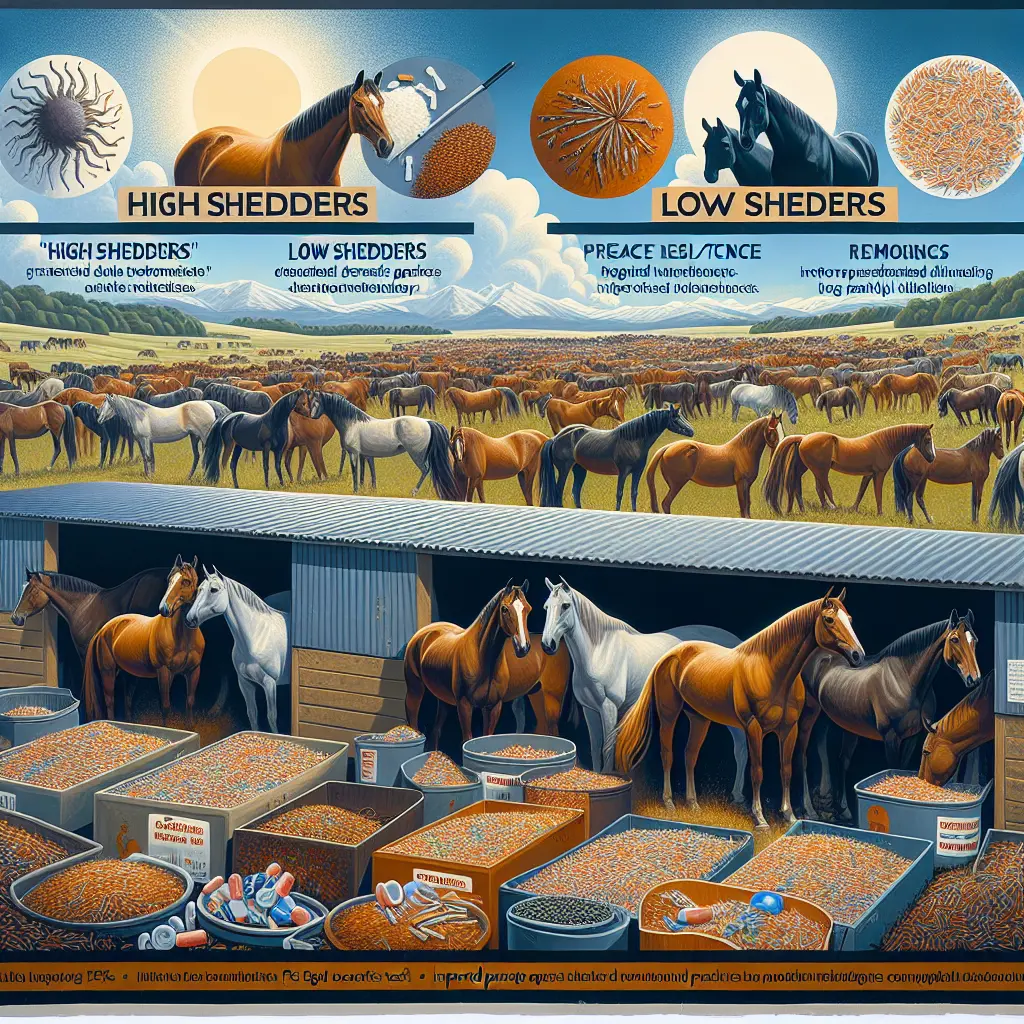
Understanding Parasite Burden in Herds
The first step in strategic deworming is understanding that parasite burdens vary significantly among horses. Did you know that around 20-30% of horses are the notorious “high shedders” responsible for approximately 80% of the parasite eggs[1]? These facts reshape how we should approach deworming, focusing on individualized treatments rather than a one-size-fits-all method.
Issues with Traditional Deworming Programs
Many horse owners were brought up on calendar-based or rotational deworming programs, where wormers are swapped out without second thought. However, these can actually accelerate resistance development due to overuse of drugs[2]. We're in a time where evidence-based approaches yield the best results.
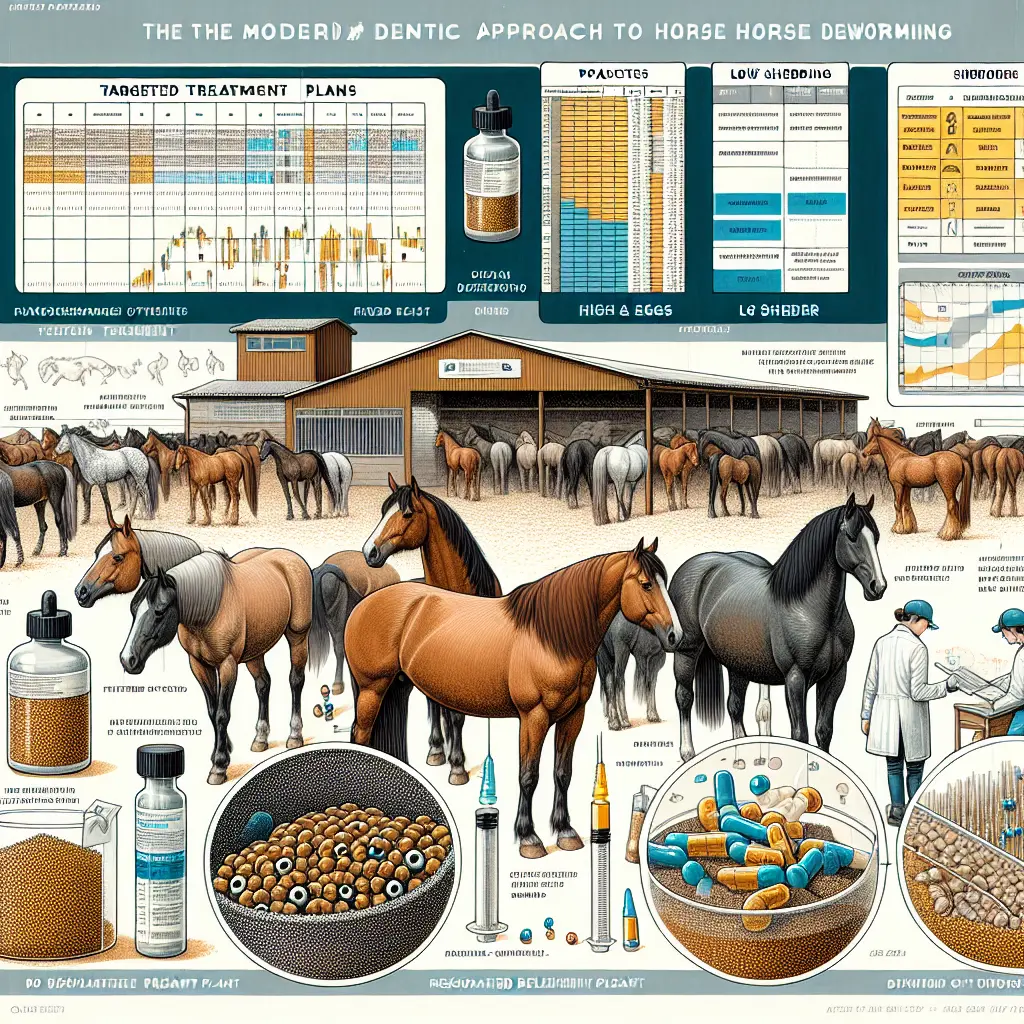
Targeted Deworming: The Fecal Egg Count (FEC) Method
Welcome to the future with the Fecal Egg Count (FEC) method. Here, your horse's shedding status dictates the plan. High shedders get targeted, more frequent treatments, while low shedders have less exposure to drugs, benefiting everyone involved[1].
Conducting FECs Regularly
A critical part of implementing this plan involves conducting FECs at least twice a year for each horse. It's like a report card for your equine's digestive health, emphasizing which horses need more attention.
Consulting Veterinary Experts
Your veterinarian should be your co-pilot in this journey. Working with them allows you to perform fecal egg count reduction tests to assess your dewormer’s effectiveness at the farm level[3]. Ensuring that your chosen dewormers actually work is as crucial as selecting them in the first place.
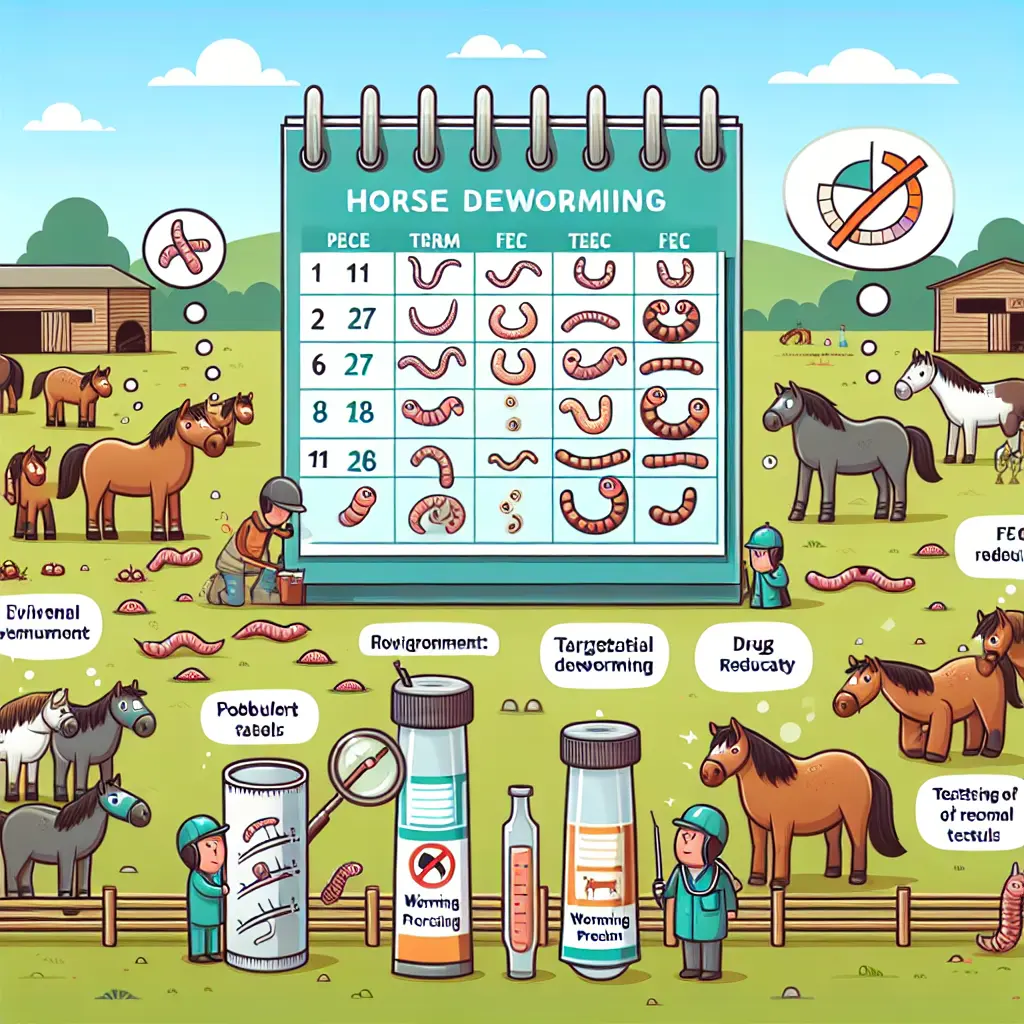
The Growing Issue of Drug Resistance
Resistance to anthelmintics is not merely a theoretical issue—it's real. Widespread resistance has been observed across all major drug classes like benzimidazoles and macrocyclic lactones[4]. As resistance grows, so does the necessity to tailor our approaches based on the confirmed efficacy of the available drugs on our farms.
Environmental and Management Factors
Location, location, location! Regional factors and even your management practices (pasture boarding versus indoor housing) affect the prevalence of certain parasites. Horses in different environments are exposed to different types and levels of parasites[5]. This should inform your parasite management plan more than any arbitrary calendar date.
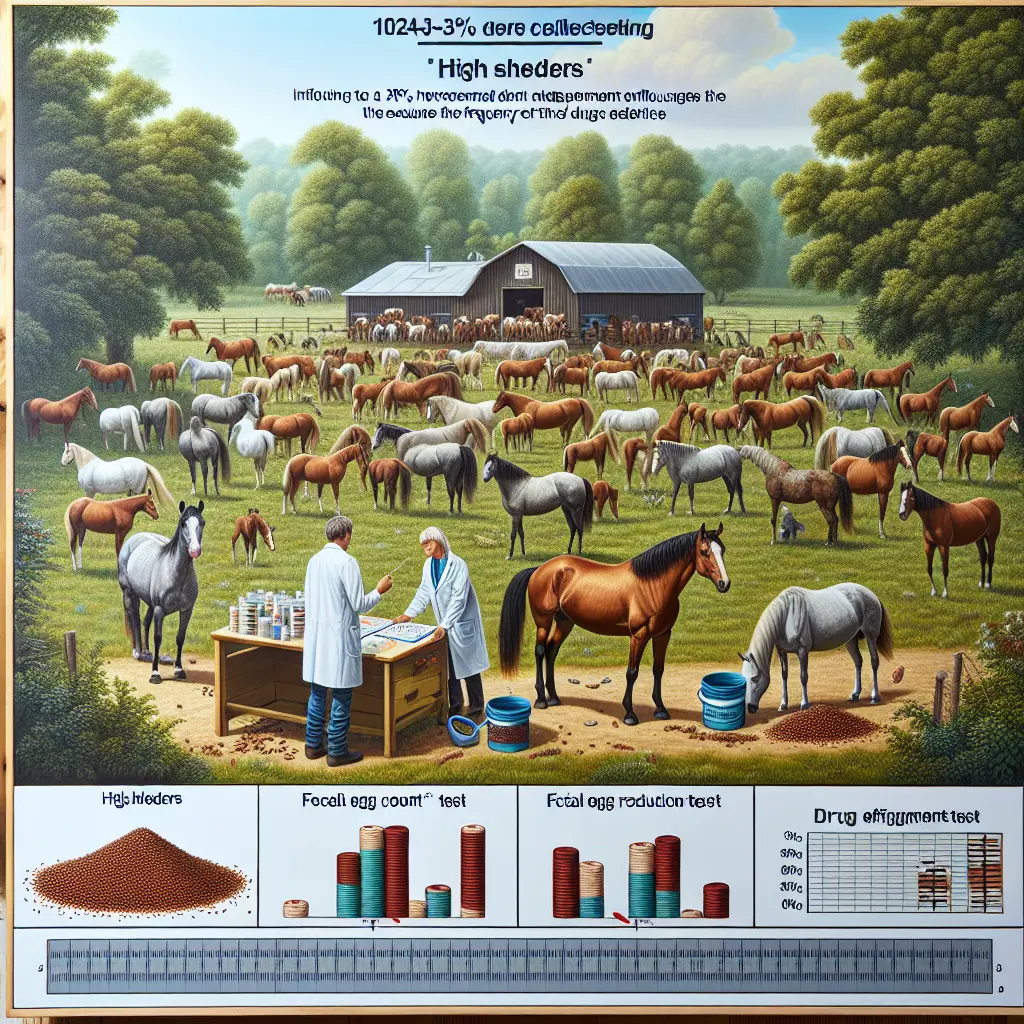
Developing a Herd-Wide Parasite Control Plan
Instead of blanketing your herd with drugs, let's step back for strategic planning. Target treatments primarily for high shedders while treating low shedders only when necessary. This balanced approach reduces costs and overall drug use, helping slow resistance development[1].
Pasture Management Practices
Don't underestimate the power of pasture management. Simple changes like rotating pastures or combining with co-grazers can help reduce the overall worm burden on your land. Some horses just need a room with a view, while others may need a different field altogether!
Boosting Your Horse's Immunity
Besides strategic deworming, boosting your horse's immunity through equine supplements provides them with yet another line of defense against parasites.
An Ounce of Prevention is Worth a Pound of Cure
Take a look through collections from jodhpurs to riding boots, and make sure your steed looks as good as he feels. Gloves? Got them. Socks? Absolutely. Consider every aspect of equine lifestyle for best health results.
Conclusion: A 21st-Century Approach
Strategic deworming is more than just a wellness buzzword; it's a vital tool in protecting the health and vitality of your horse herd. By adopting individualized plans, considering environmental influences, and utilizing professional guides, you're not merely treating symptoms but building a healthier, more resilient herd.
For more on responsible horse care—from choosing the right stable rugs to turnout options—visit Just Horse Riders and ensure your equine buddy's wellbeing is safeguarded for years to come.