

When Borrowing Horse Equipment: Understanding the Liabilities
When it comes to borrowing horse equipment, it's crucial to understand the responsibilities involved. From jodhpurs to gloves, borrowing necessitates an understanding of both legal liabilities and maintenance responsibilities. Whether you're borrowing from Just Horse Riders or a friend, these insights can prevent misunderstandings.
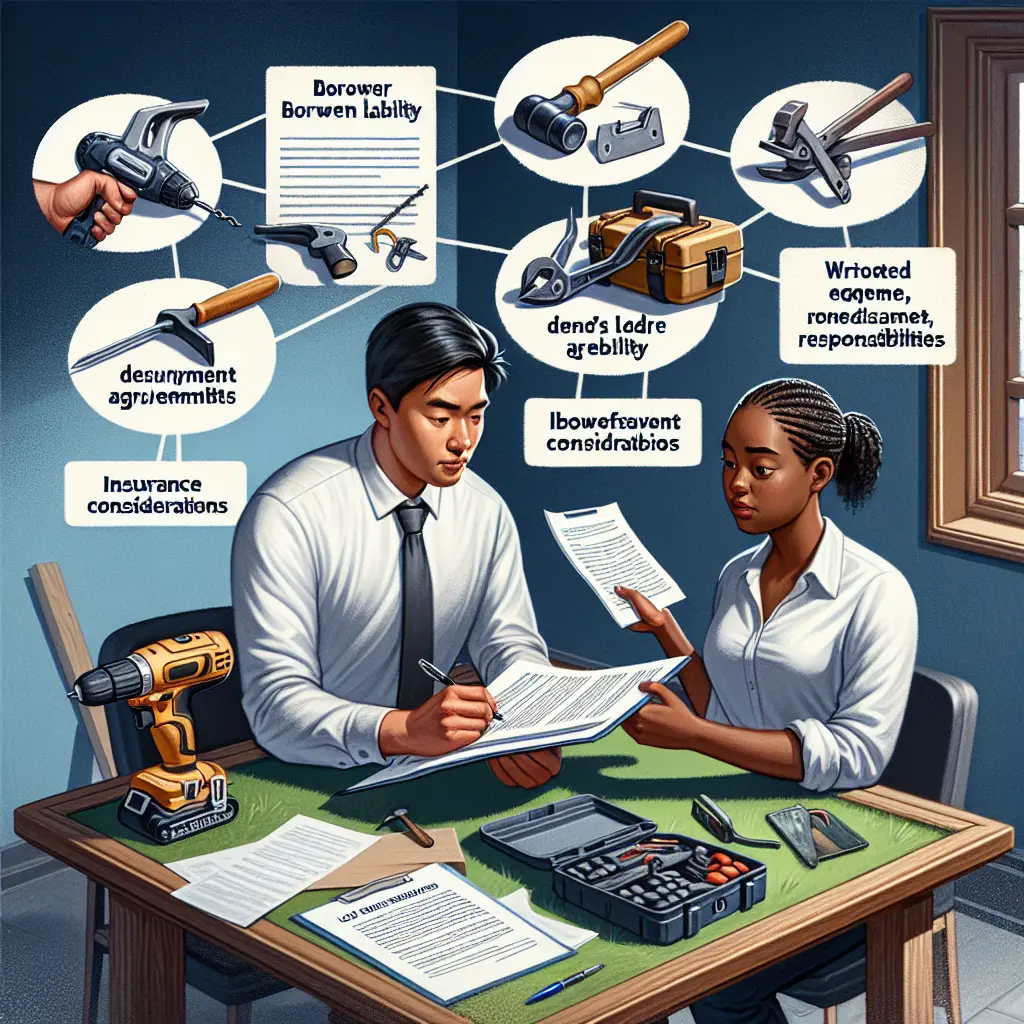
Understanding Borrower Liability
The general rule of borrower liability is straightforward: the borrower is typically responsible for returning the equipment in the same condition as it was when loaned, barring reasonable wear and tear. This rule often holds true whether borrowing a friend's riding boots or a friend's stable rugs.
The Consequences of Misuse
Misuse can lead to significant liabilities. Should a borrower inadvertently damage riding gear through improper use or negligence, they must cover the cost of repairs or replacements. This emphasizes the importance of understanding proper usage before the equipment exchange occurs.
Lender Liability Explained
On the flip side, the lender may carry liability if the equipment was defective or improperly maintained. For example, a neglected horse riding glove may cause inconvenience or injury. In such cases, the owner might share the liability.
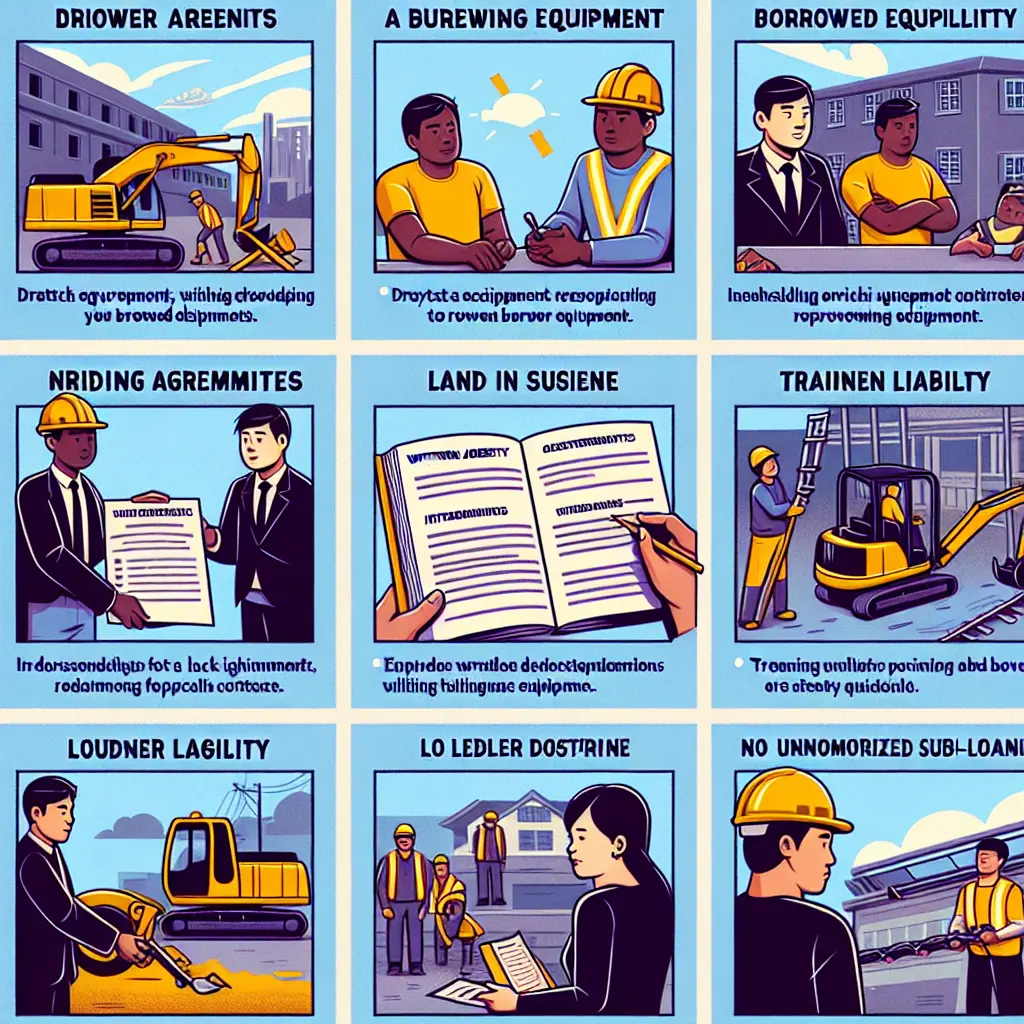
Unpacking Written Agreements and Clauses
Clear agreements are essential. Written or implied agreements help outline responsibilities and set clear expectations through clauses that specifically address issues such as repairs, replacements, and conditions of return. Such clarity protects lenders, ensuring fairness in the borrowing process.
Insurance Considerations in Borrowing
Insurance stands as a cornerstone in managing borrowing risks. Many personal liability policies exclude coverage for borrowed equipment, leaving borrowers to face uncovered damages. Riders and horse lovers should verify their insurance policies or seek necessary endorsements to bridge these coverage gaps.
The Borrowed Servant Doctrine
Legal doctrines, like the "borrowed servant" doctrine, can complicate liability. For example, a contractor borrowing a horse with a handler might be liable if they assume control of that handler, emphasizing the need for knowledge about legal liabilities [4].
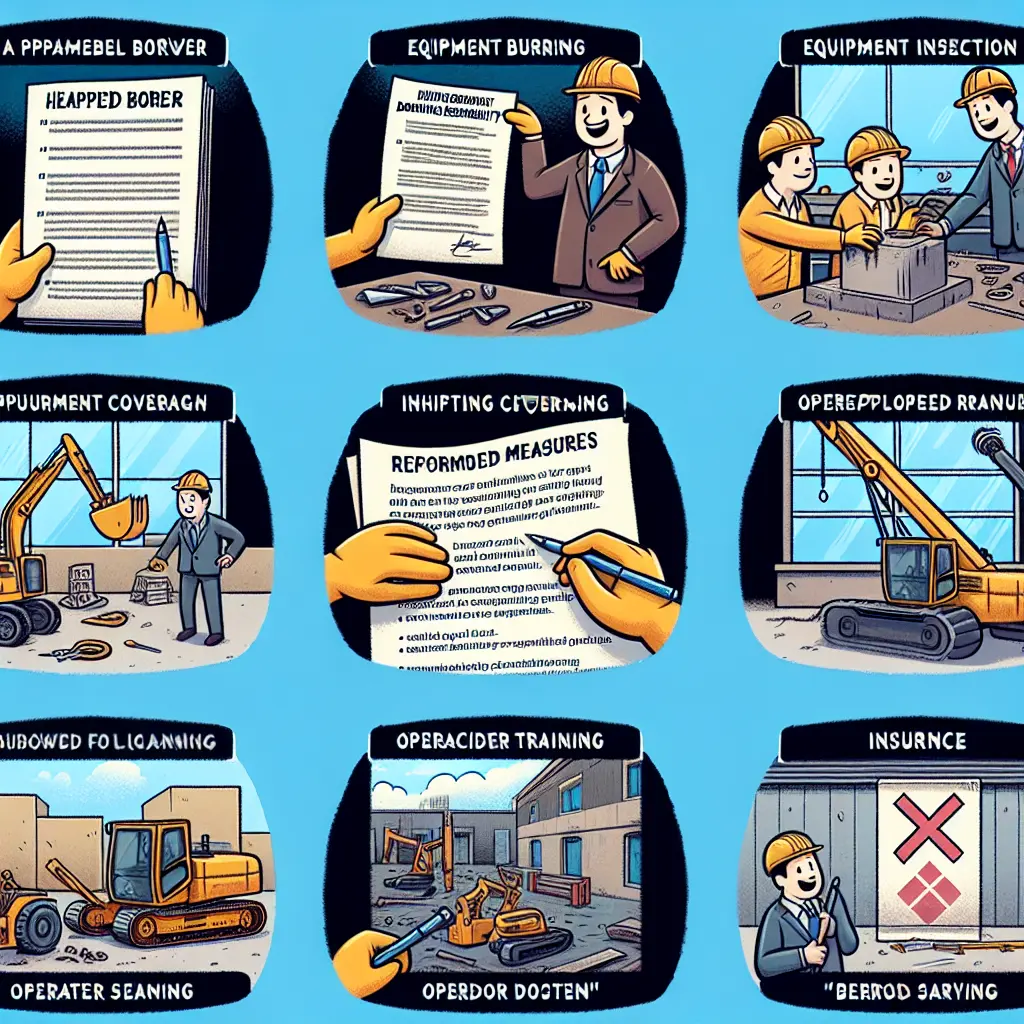
Preventing Conflicts When Borrowing
A proactive approach helps prevent borrowing disputes. Details like drafting an agreement, inspecting equipment prior to use, securing insurance, obtaining proof of training, and avoiding unauthorized lending can make a world of difference in ensuring equipment safety and preserving relationships.
Checklist for Borrowers
Create a borrower checklist to streamline responsibilities. This ensures that crucial considerations—insurance checks, the condition of the borrowed item, and proper usage knowledge—are accounted for ahead of time.
Conclusion: Navigating Borrowing Fairly
Borrowing horse equipment should be a straightforward and mutually beneficial transaction. By understanding liabilities and following practical recommendations, borrowers and lenders can enjoy a smoother, hassle-free experience. This is not just about saddles or stirrups—it's about nurturing trust and connection through responsible lending practices.

For a wide range of equestrian apparel and equipment, including jodhpurs, boots, and gloves, explore the offerings at Just Horse Riders.