

Exploring the Pros and Cons of Using Ex-Dairy Farms as Livery Yards for Horses
As demand for alternative rural space utilization increases, the concept of transforming ex-dairy farms into livery yards is capturing the interest of the equestrian community. This innovative reuse proposition capitalizes on existing resources while addressing equestrian space needs. In this article, we'll delve into the merits and demerits of using ex-dairy farms as livery yards, offering insights beneficial for horse enthusiasts, livery operators, and farmers.
Why Ex-Dairy Farms Are Attractive for Livery Yards
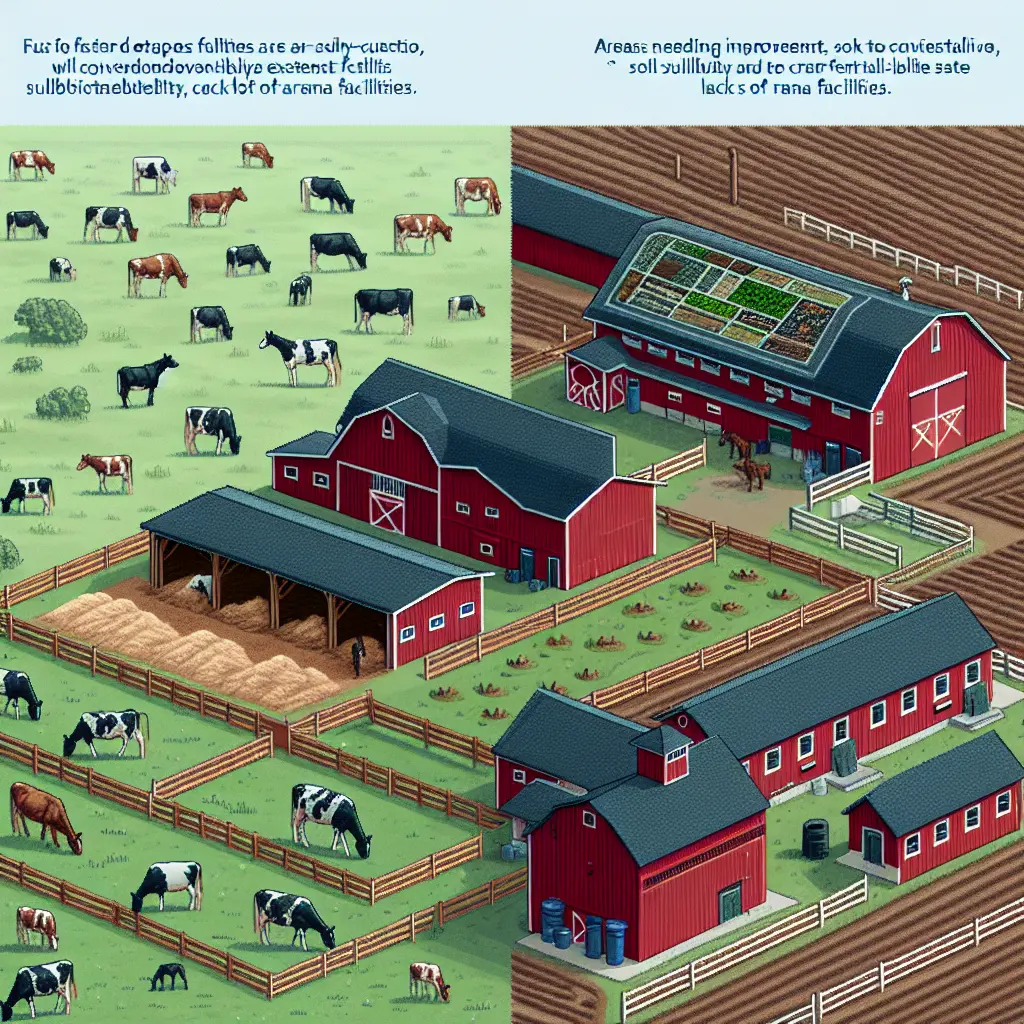
Abundant Grazing Land and Suitable Terrain
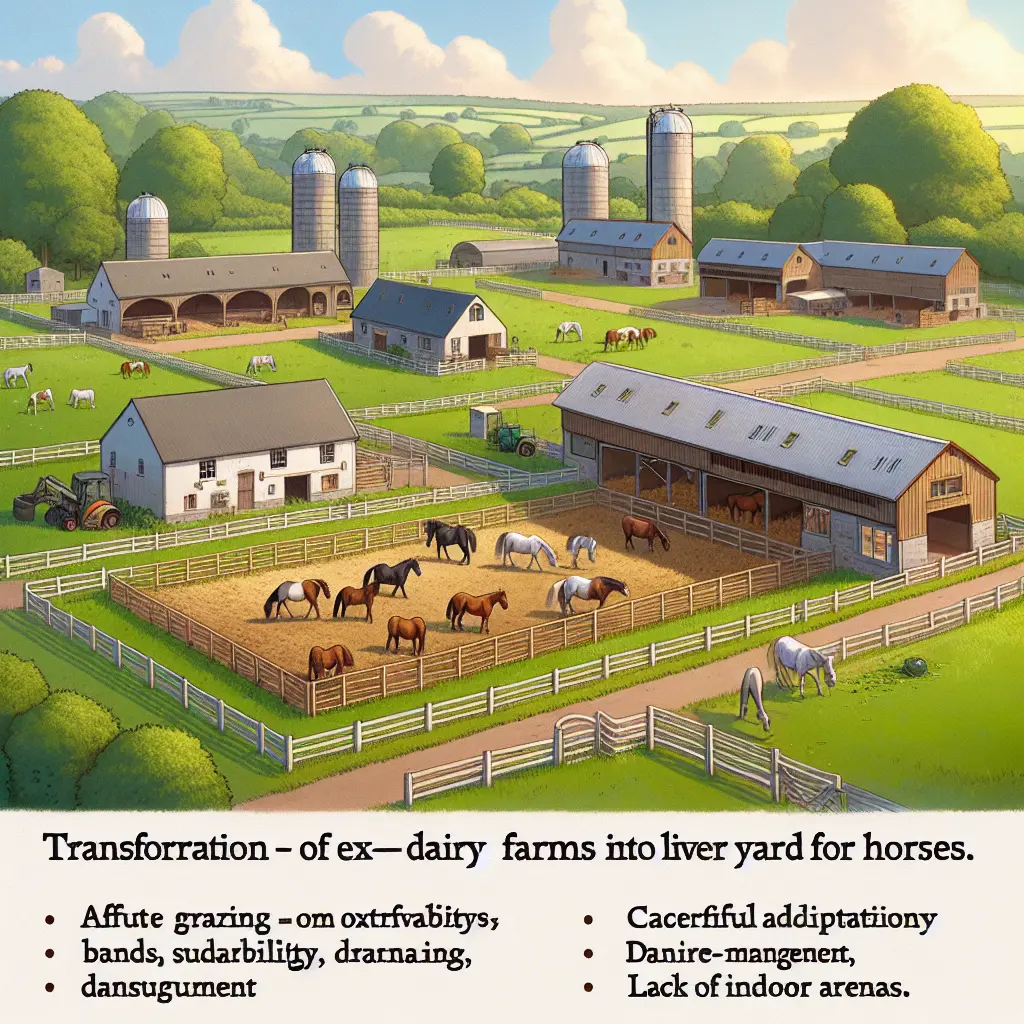
Dairy farms, with their rich grasslands designed for optimal cattle grazing, make excellent turnout areas for horses. These pastures offer a multitude of benefits to horses, delivering year-round turnout options crucial for their physical and mental wellbeing. Additionally, many farms have flat terrains that facilitate road hacking—a favorite among horse riders.
Established Infrastructure
The pre-existing barns, stables, and workshops on these farms often require fewer resources to adapt for equine purposes, providing a ready-made setup that reduces initial capital outlay. Such infrastructure efficiency makes these locations particularly appealing for cost-conscious livery operations.
Key Pros of Using Ex-Dairy Farms as Livery Yards
Excellent Year-Round Grazing Potential
Thanks to long-standing dairy pasture management practices, ex-dairy farms offer high-quality grazing potential, promoting healthier, happier horses. The large expanse of land also allows for more space per horse, enhancing their overall welfare.
Diverse Riding Options
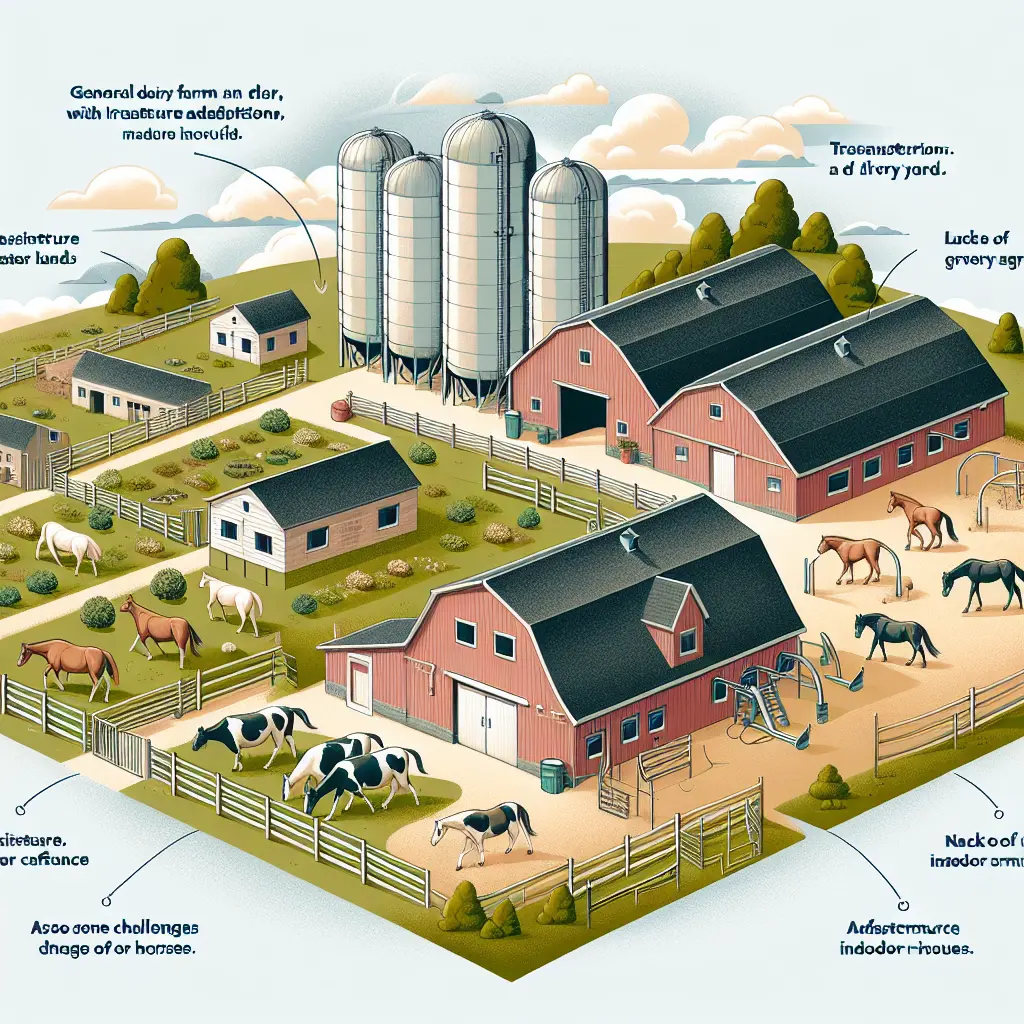
The flat fields combined with established network paths enable diverse riding experiences, including space for setting up jumps and riding courses that bolster riders' satisfaction and horses' exercise regimes.
Sustainability and Rural Employment
This sustainable use of land not only minimizes the need for new developments but also provides opportunities for rural employment. Transitioning workers from farming to equine care focuses on preserving jobs and sustaining local economies.
Challenges and Cons to Consider
Soil and Land Suitability Differences
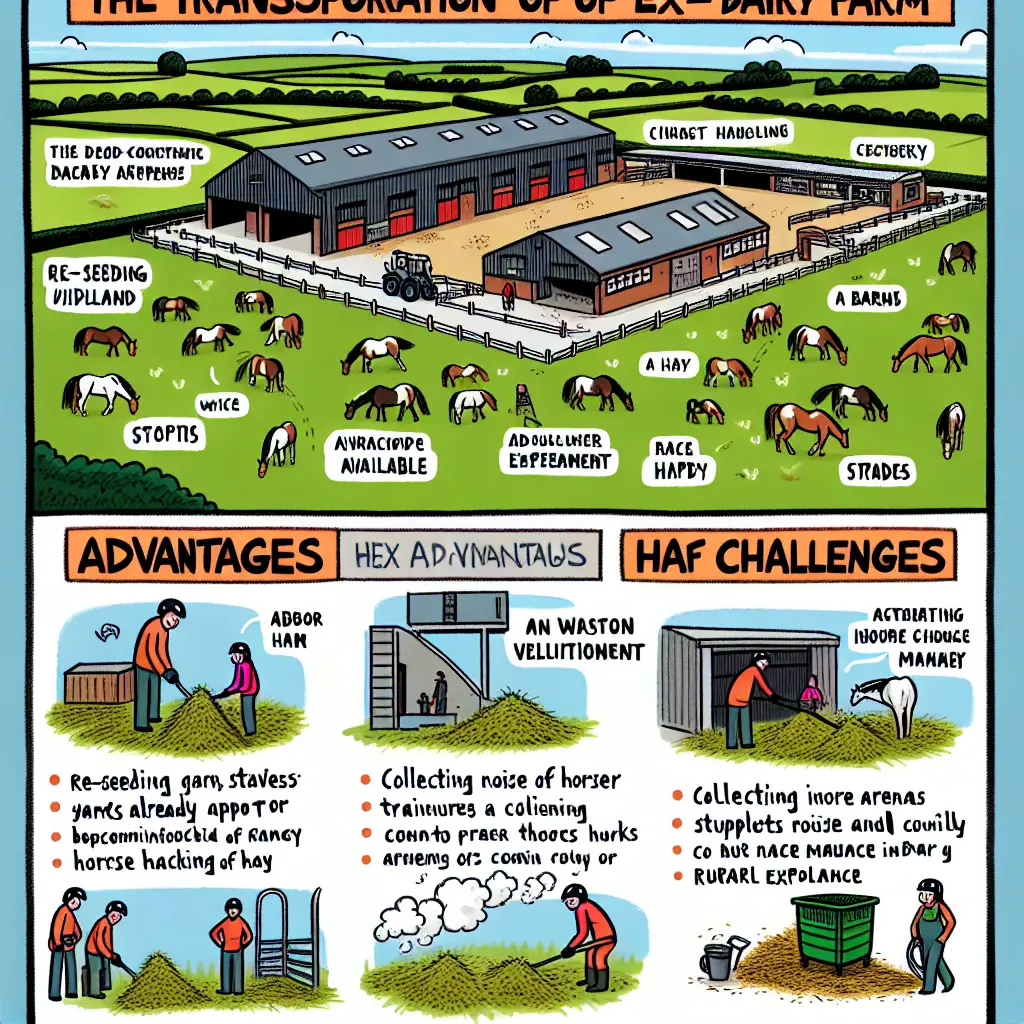
Adapting dairy pastures for equine grazing isn't without its challenges. The grass types favored by cattle might not serve equine dietary needs optimally, sometimes necessitating pasture re-seeding to avoid health issues such as laminitis.
Infrastructure Adaptations Needed
While barns and sheds may be present, these structures often require retrofitting to suit horses' needs. Incorporating proper ventilation, appropriate bedding, and sufficient space are essential modifications.
Drainage and Manure Management Issues
The management of manure poses a considerable challenge. Horse waste differs from cattle manure, necessitating new systems tailored specifically for equine upkeep to ensure efficient waste management.
Noise and Smell Concerns
Equine facilities may present new or different noise and smell issues compared to dairy farms, potentially impacting nearby communities. Addressing these sensory challenges is critical for maintaining peace with neighboring residents.
Supporting Facts and Figures
Trends in Dairy Farm Closure
An increasing trend of farm closures or consolidations in the UK presents opportunities for alternative land uses, such as equine livery yards. These changes are underscored by historicalprecedents that advocate for innovative agricultural transformations.
Pasture Quality Insights
With proper management adjustments, the long-term optimized grass breeding on dairy farms can support nutrient-rich diets, as detailed in USDA Economic Research Service reports.
Final Thoughts
Adopting ex-dairy farms as livery yards underscores a compelling yet challenging opportunity. The size and existing infrastructure provide undeniable advantages, but the unique requirements of horses demand thoughtful adaptation. Collaboration with experts on land management and compliance with welfare standards form the cornerstone of a successful transition.
Whether you're a horse owner or a farmer eager to explore new revenue opportunities, understanding these nuances makes all the difference. For more on equestrian gear that supports this journey, delve into the Jodhpur Collection, Horse Riding Boots, and other essentials that ensure you and your horse are ready for every adventure.