

Finding Grazing and Livery Options for Horse Owners: Tips and Strategies
Owning a horse is like owning a big dog that doesn't fit in your living room but brings immense joy nonetheless. Though, finding suitable grazing and livery arrangements can sometimes feel like picking the right hay in a haystack. This guide will help you navigate through the options, ensuring your horse's welfare and your wallet are equally satisfied.
Understanding Your Pasture Requirements
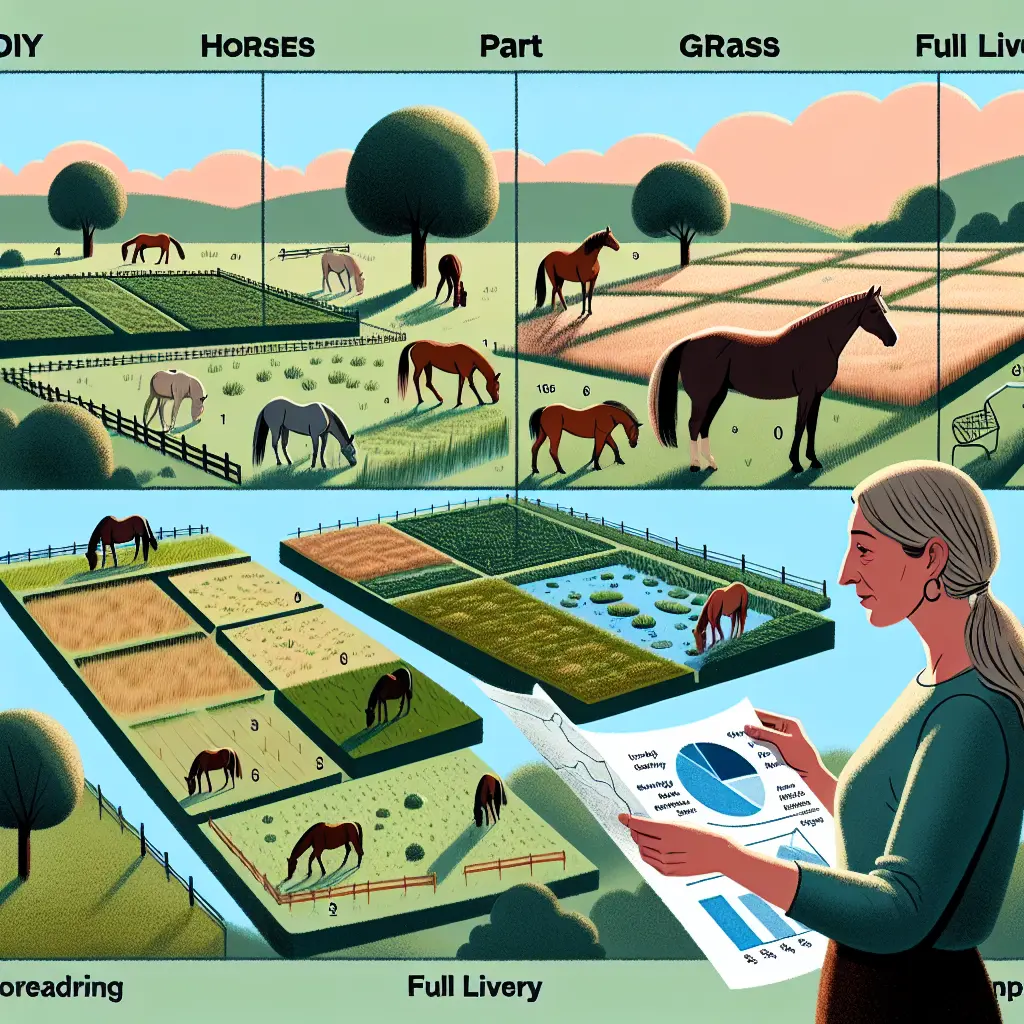
Before you dive into the ocean of grazing options, it’s crucial to assess how much land your horse needs. The British Horse Society recommends about one horse per 0.4-0.6 hectares, roughly 1-1.5 acres per horse[2]. Yet, this isn't a strict rule, just a nice guideline—like "Don’t spill your coffee on your computer."
Factors That Influence Your Land Requirements
- Size and type of horse
- Fat score and current weight of your horse
- Time spent stabled versus grazing
- Seasonal grass growth patterns
- Quality of the pasture and soil type
- Number of animals sharing the grazing area
- Overall pasture management and care standards
That means if you have a petite pony rather than a hefty warmblood, you might need less acreage. Also, keep seasonal shifts in mind; grass growth pauses for a winter nap, so prepare for feeding changes accordingly[2].
Exploring Different Livery Options
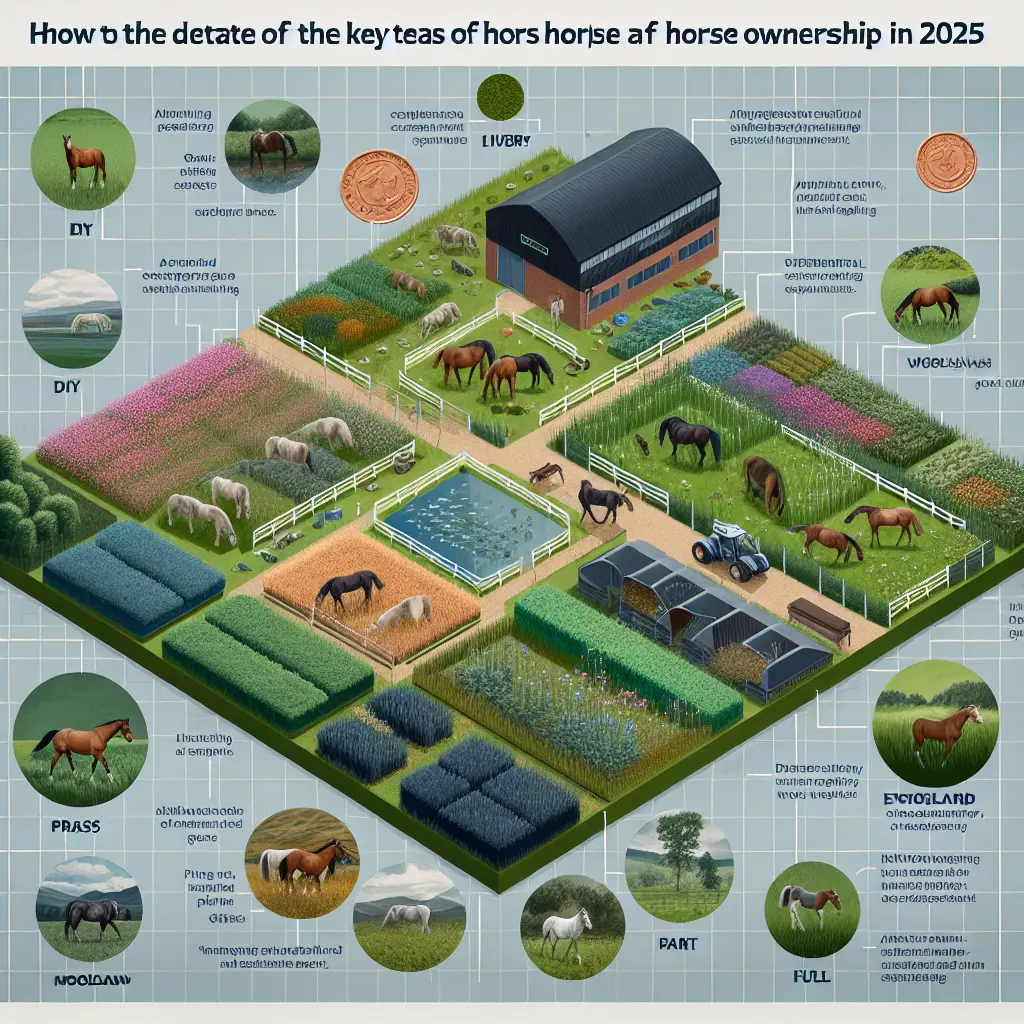
As of 2025, the horse-owning community is spoiled with choices when it comes to livery arrangements, each with its unique advantages and cost implications. As a savvy horse owner, you should know your options for optimal match-making.
DIY (Do-It-Yourself) Livery
With DIY livery, you become the CEO of your pasture land—handling all horse care aspects yourself. It’s popular, comprising 45% of livery arrangements, because of the elusive power of cost control. Manage feed purchases, farrier visits, and pasture maintenance like a pro without middle management interference[3]. But it demands quite the equestrian expertise and time commitment.
Grass Livery
Involves renting land just for grazing—no frills, no extras, just good ol’ grass. Currently embraced by 3% of horse owners, this option suits those seeking minimalist facilities with a minimalist price tag[3]. However, it’s best paired with additional shelter options or during balmier climates.
Part Livery
Part livery combines the best of both worlds, a middle ground between DIY and full-service setups that 11% of owners currently enjoy[3]. Yard staff might help with mucking out or feeding, while you handle riding and training. This works well for those with time constraints but who still want hands-on involvement.
Full Livery
Full livery is the red-carpet service of the horse-livery world, with professionals managing all aspects of care. Ideal for time-strapped or novice owners, 14% of equestrians say yes to full care[3]. However, high maintenance might mean high bills, and losing direct management control could feel like letting someone else read your horse bedtime stories.
Competition and Specialist Livery
Got an equestrian prodigy? Competition livery would provide arenas fit for a star, supporting only 1% of current arrangements[3]. For aged equine royalties who gracefully gallop into retirement, specialized retirement livery is a blissful rest home.
Managing Feed Costs and Nutrition
Feed is not just nutrition; it’s a budgetary joust. In 2025, stats show some significant trends regarding feed expenses among owners[3]:
- 15% enjoy free feed from livery inclusions
- 12% pay below £25 monthly
- 24% fit within the £25-£50 bracket
Costs are slowly climbing the expense ladder, so pasture management gets the spotlight—it might just save your coin purse with healthy forage coverage.
Maximizing Forage Quality
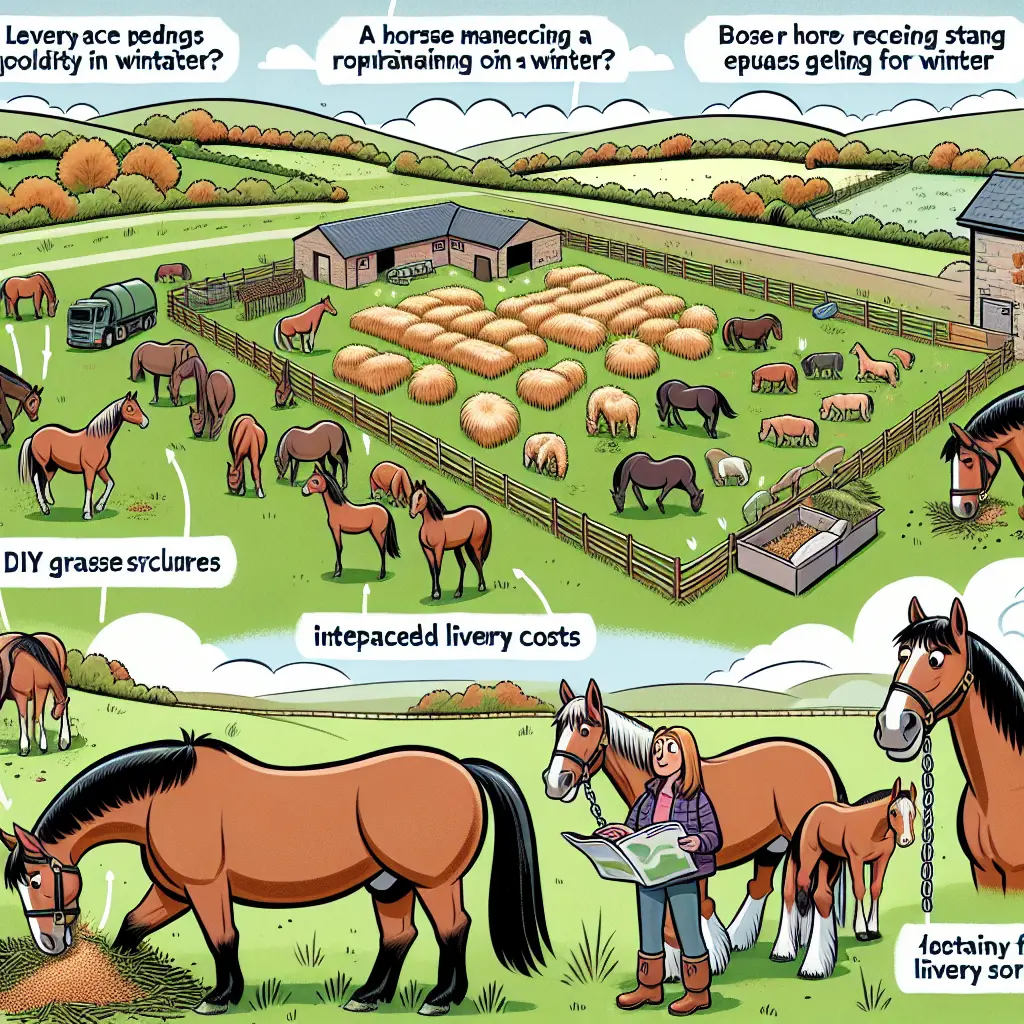
A well-managed pasture is like your horse’s personal buffet. Better forage means less reliance on pricy supplementary options. Research shows pastures treated for weed control alongside nurturing desirables like white clover can boost the buffet by 21%[1]. So, trim the weeds and let the good stuff bloom for robust digestive health and dietary savings.
Strategic Pasture Management Techniques
Rotational Grazing and Rest Periods
If your land is large enough for divisions, implementing rotational grazing is your horse craft. This strategy minimizes overgrazing, lets pastures rest, and maintains grass growth—as solid a line of defense as an electric fence[1]. Current trends show decreased herd sizes, presenting a unique opportunity to offer extended pasture rest.
Plant Diversity
Diverse plant species, including legumes like white clover, fortify your pasture's nutrient density. High-quality pastures contribute to tastier grazing, healthier horses, and reduced feed cost reliance[1]. So, embrace diversity—make sure the flora reflects the rich tapestry of horse nutrition rather than an infamous weed finale.
Seasonal Considerations
The clock in nature’s pasture isn’t always synched to convenience. 2025 shows higher grass growth than usual[4]. Droughts and unpredictably harsh winters can disrupt plans, so be mindful of seasonal shifts. Map out grazing plans and supplement feeding systematically for effective cost and nutrition management, cuz' rain dances aren't as reliable as reviews suggest.
Alternative Grazing Systems
Track Systems and Equicentral Systems
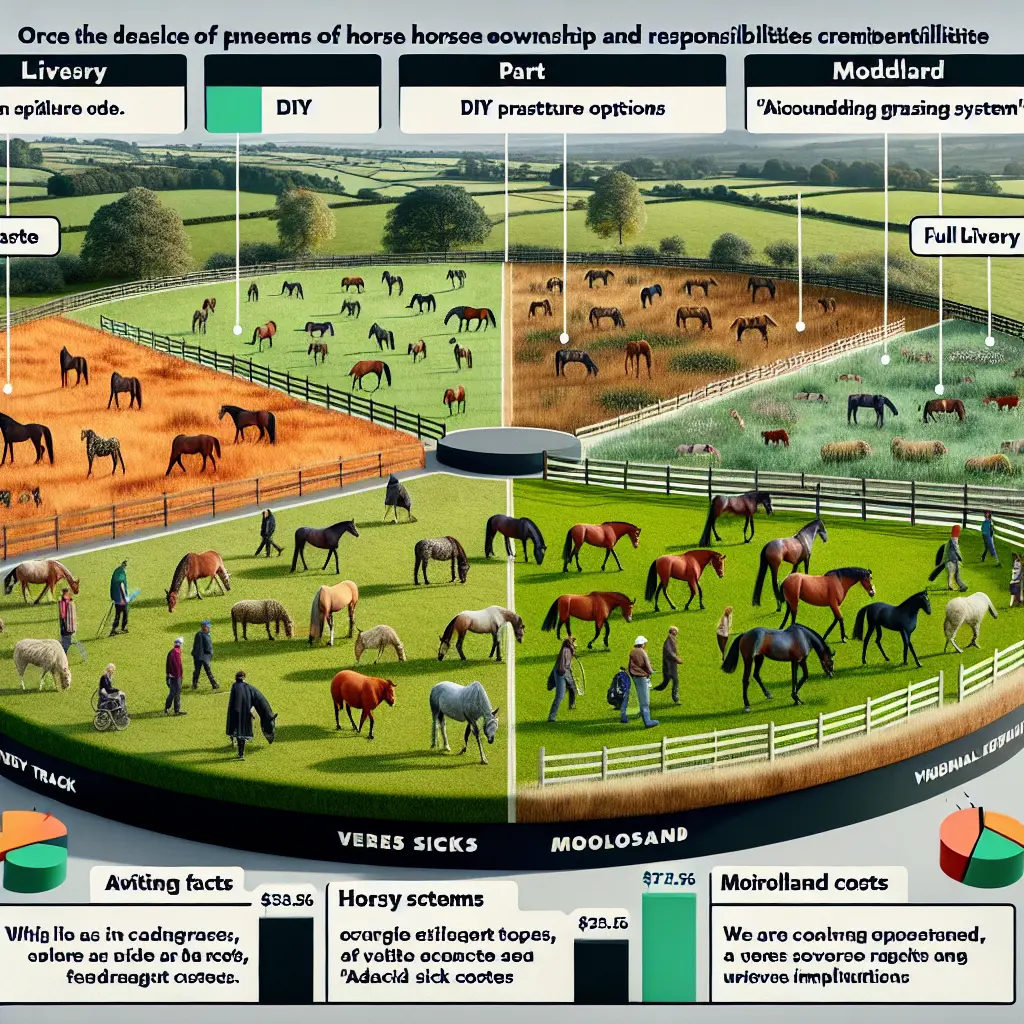
For innovation seekers or those bound by space constraints, alternative grazing systems may interest you. Track systems keep your horse active with designated paths around pastures, stimulating continuous movement without contributing to the tractor-pulled hay rides. Equicentral corresponds with this approach through its own central hub design[2].
Woodland and Moorland Grazing
Diversify pastures with woodlands or moorlands when possible. These areas encourage horses to express natural instincts while low-pressure grazing preserves the tranquility of permanent pastures[2]. True national parks for your four-legged friend!
Benefits of Alternative Systems
An alternative system promises more than just management ingenuity. It replicates natural foraging, supports social interactions, and increases exercise opportunities, leading to better physical and mental horse health[2]. It's like switching your horse’s look from app-locked images to real-time Instagram shots in nature.
Preventing Pasture Degradation
We all dread the "horse sick" pasture—a plight of overgrazing and mismanagement. A vibrant pasture resembles a lush green carpet rather than worn-out turf—or your jealous neighbor’s lawn.
Signs of Poorly Managed Pasture
- Patchy grass coverage with barren or muddy spots
- Invasion by unwanted weeds and plants
- Compacted soil leading to poor drainage
- Inadequate shelter or water facilities
- Evidence of parasitic burden indicating nutritional deficiencies
When choosing a yard, scrutinize pasture conditions astutely. Quality management equals healthier horses and fewer supplementary costs on your ledger.
Financial Considerations for 2025
Besides feed, horse ownership involves multiple expenses. Bedding material choices in particular, with shavings at 46% and alternative options 33%, require calculated decisions[3]. Include farrier services, veterinary care, and facility fees in your budgetary forest.
Expense Breakdown
| Expense Category | Typical Coverage by Livery Type |
|---|---|
| Grazing/Land | All livery types |
| Feed | DIY/Grass (owner responsible); Part/Full (yard handles) |
| Mucking Out | DIY/Grass (owner); Part/Full (yard) |
| Bedding | DIY/Grass (owner); Part/Full (often yard) |
| Farrier | Usually owner's responsibility across all types |
| Veterinary Care | Usually owner's responsibility |
| Facilities | Varies by yard; included in livery fee |
| Insurance | Owner responsibility across all types |
Making Your Decision
The crux of selecting the right grazing and livery is honesty in defining what suits your circumstances. Consider:
- Time Availability: Daily care commitment or reliance on part/full livery?
- Budget Constraints: Realistic monthly cost projections? Remember: feed costs are increasing[3].
- Horse's Needs: Specialized care or facilities for competitions?
- Pasture Quality: DIY or grass livery? Ensure pasture is in excellent condition.
- Location and Facilities: Proximity, quality of facilities, and riding arenas.
- Community and Support: Your yard’s management ethos and community involvement.
Conclusion
Selecting a grazing and livery option is like gearing your horse for the ultimate swashbuckling pony adventure—you want the perfect fit. Each choice, whether it's DIY grazing, grass livery, or a full-service setup, greatly influences your horse’s quality of life, your financial wellbeing, and the enjoyment of your equine journey. Understanding true land needs, implementing efficient pasture management, and evaluating current trends will empower you to make informed decisions amidst 2025’s challenges and opportunities.
Sentence with a bit of humor: And remember, making the wrong choice isn't the end—it’s merely an opportunity to trot a different path.