

How to Achieve Relaxed Upward Transitions for Energetic Horses: Tips and Techniques
Upward transitions, the graceful movement from a slower gait to a faster one, are crucial for the development of an energetic horse. Whether you're transitioning from walk to trot or trot to canter, achieving relaxed upward transitions is essential for maintaining control and fluidity in your ride. In this guide, you'll discover practical tips and techniques drawn from expert equestrian principles.
Why Relaxed Upward Transitions Matter
Mastering relaxed upward transitions is a pivotal moment in the training of both horse and rider. These transitions are fundamental in improving balance and straightness, encouraging suppleness, and enhancing the trust between horse and rider. The benefits are extensive, but they all point toward achieving a harmonious ride.
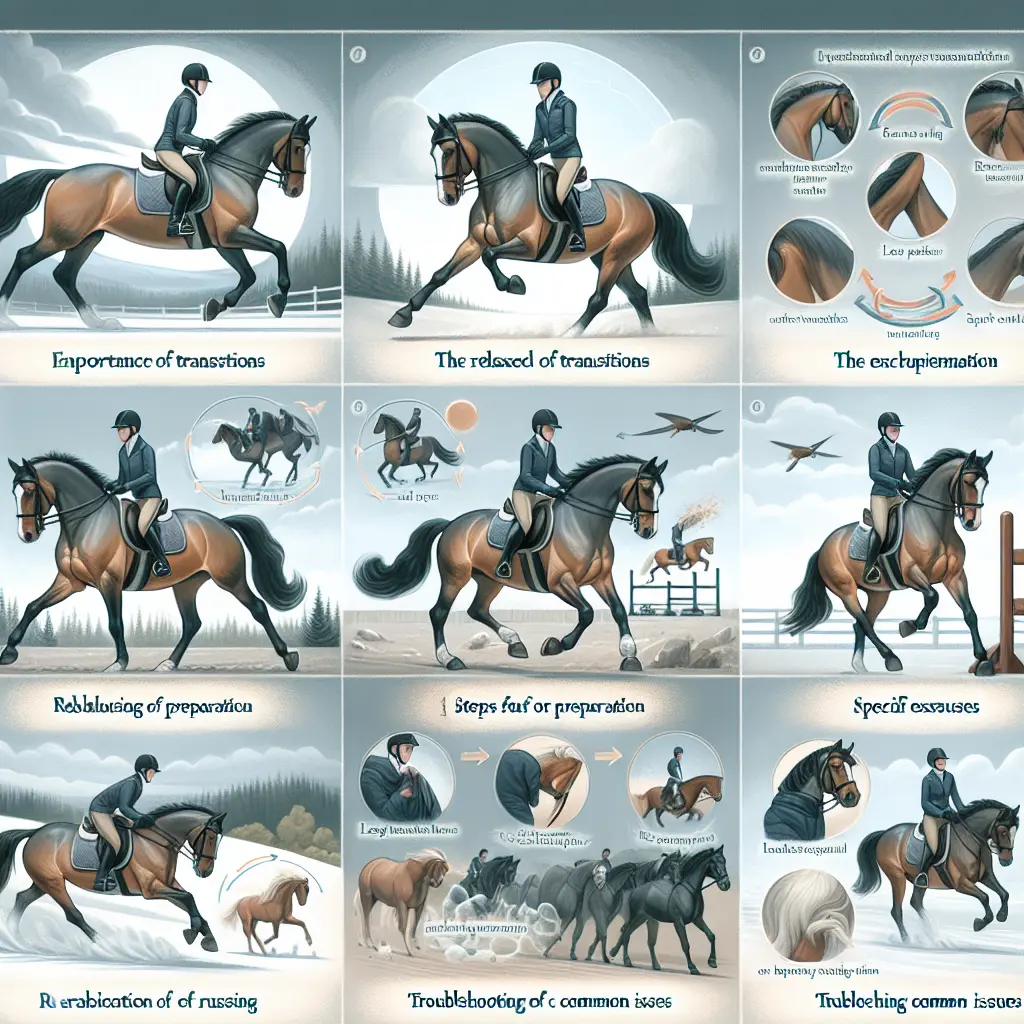
According to Dressage Today, an ideal transition involves the horse being "in front of the leg, on the seat, straight, uphill, round, and light."
Preparing for the Upward Transition: Building the Right Foundation
Establish and Maintain Forwardness Without Tension
One of the most important steps in preparing your energetic horse for upward transitions is maintaining forwardness without tension. Utilize leg cues to generate energy while keeping leg-yield exercises in mind to retain softness.
Communication and Timing
Clear and consistent cues are vital. Your horse needs to understand the meaning of leg aids, whether they are a gentle squeeze of your legs or a cluck sound. Allow ample time for the horse to respond before intensifying the cues. According to the AQHA, rushing this communication results in tension or resistance.
Maintain a Balanced Seat and Relaxed Rider Aids
A balanced seat and relaxed aids are foundational for executing relaxed transitions. Keep your hips loose to move with the horse’s motion, making sure your half halts are firm yet elastic. This approach allows the aids to naturally flow through your body.

Executing the Transition: Key Techniques
Prepare in the Gait Before Transitioning
Transition success starts in the preceding gait. For a trot to canter transition, for instance, ensure an active trot with generous forward energy and contact. Alternatively, ensure your horse is stepping energetically yet relaxed when moving from walk to trot.
Use Half Halts to Rebalance
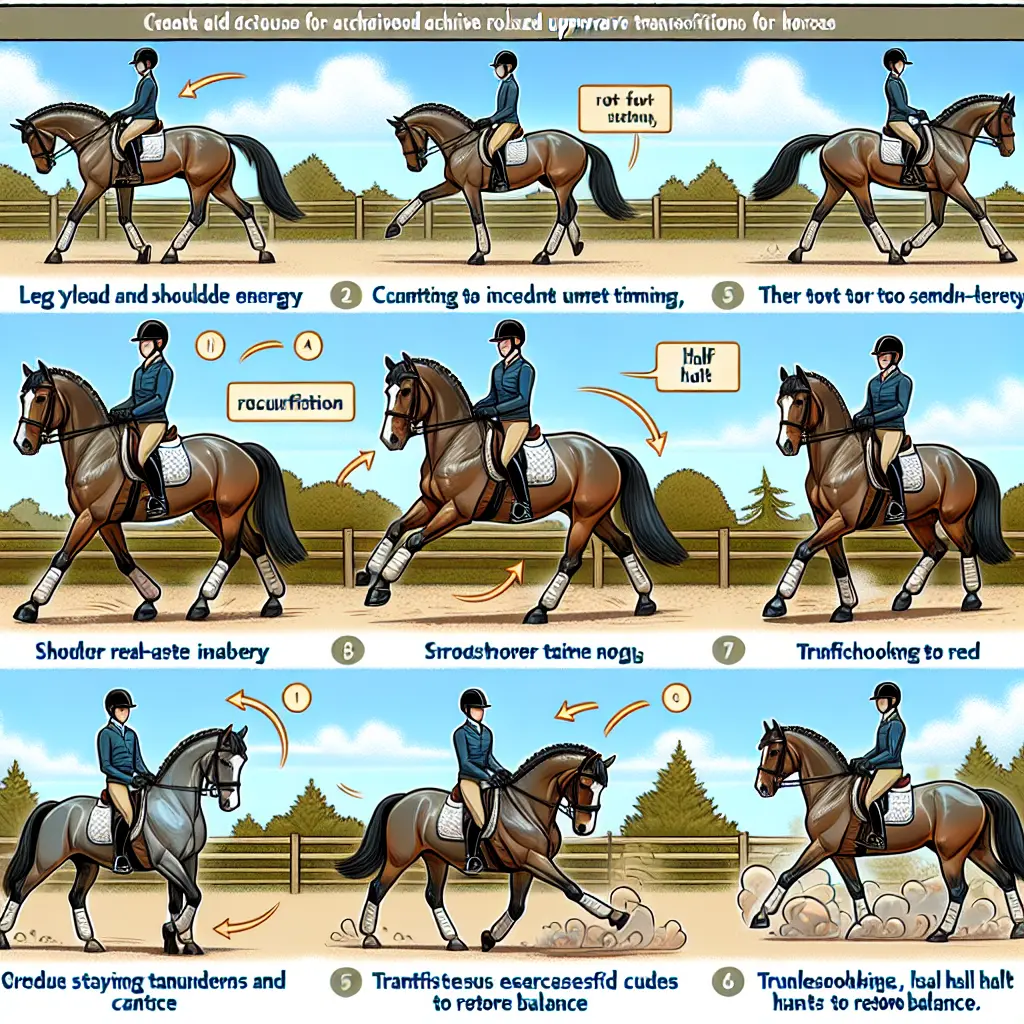
Half halts are essential tools that help in engaging the horse’s core muscles and shifting their weight onto the hindquarters. Such engagement enables urgent yet graceful upward gait changes, akin to a "scoop" as mentioned by Dressage Today.
Soft Hands and Follow-Through
Light hands are as crucial as initiating cues; when you feel the horse lift into the new gait, allow with your hands. This prevents unnecessary tension and facilitates a smooth transition.
Adjust Body Position
Your body acts as a guide for your horse. During the transition, maintain steady yet flexible rein contact and a supple seat to follow the horse’s movement subtly. A simple "catch and release" of aids can clarify the transition process to your horse without confusion.
Specific Exercises to Improve Relaxed Upward Transitions
Leg Yield and Shoulder-Fore
Incorporating leg yields before transitions fosters softness and balance. These movements engage the horse’s hindquarters, helping ease the horse into upward transitions from shoulder-fore positions.
Transition Within a Gait
Work on transitions within the same gait, moving from slow to working trots. Such exercises prepare the horse for canter transitions incrementally, building momentum and confidence.
Walk-Trot-Halt Transitions
Incorporate smooth successions between walk, trot, and halt into your routine. These will develop overall control and balance, essential skills before tackling tougher transitions.

Troubleshooting Common Issues
Horse Rushes or Becomes Tense
If your horse rushes or anticipates transitions, reconsider the timing and clarity of your cues. Establish a more relaxed approach to the transition.
Loss of Balance or Resistance
Ensure the horse's weight is evenly distributed on the hindquarters and remains straight. Using half halts and engaging in lateral work like leg yields can cure imbalance issues.
Horse Braces Against the Bit
To avoid this, relax your hands during the transition, encouraging the horse to rise into the new gait rather than press into the bit.
Supporting Scientifically and Expert-Backed Insights
Remember, timing and balance are key. By focusing on balance on the hind legs, you can smoothly transition your horse into the next gait.
The AQHA advises giving time for the horse to process transition aids for an unhurried response. Meanwhile, Ritter Dressage states the six necessary conditions for relaxation and ease during transitions.
Final Thoughts
Achieving relaxed upward transitions is a rewarding journey that enhances harmony and performance with your energetic horse. Through preparation, consistent practice, and incorporating exercises like leg yields and half halts, you can see significant improvements.
Discover more horse riding equipment to enhance your equestrian experience with our full range of Jodhpurs, Boots, and Gloves.
Explore our Equestrian Supplements collection and discover a comprehensive selection to support your horse’s health journey.