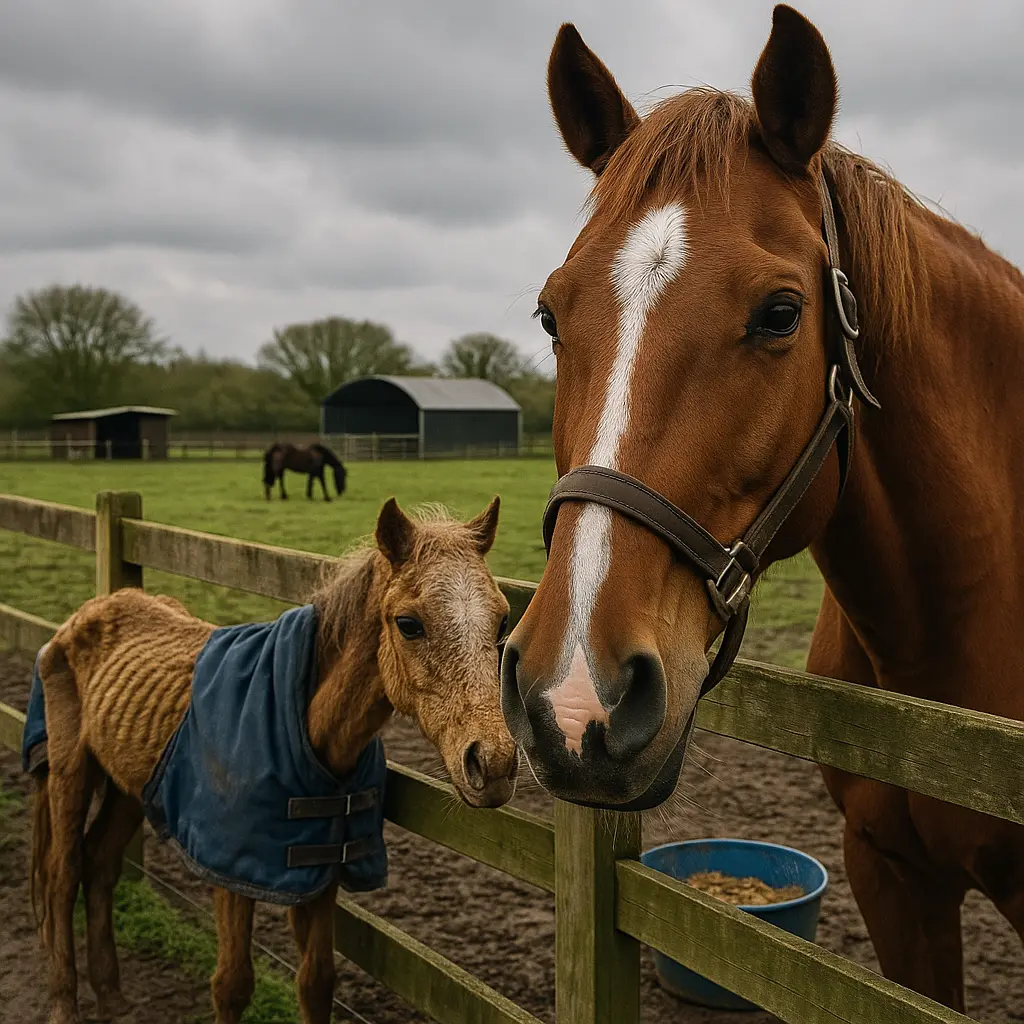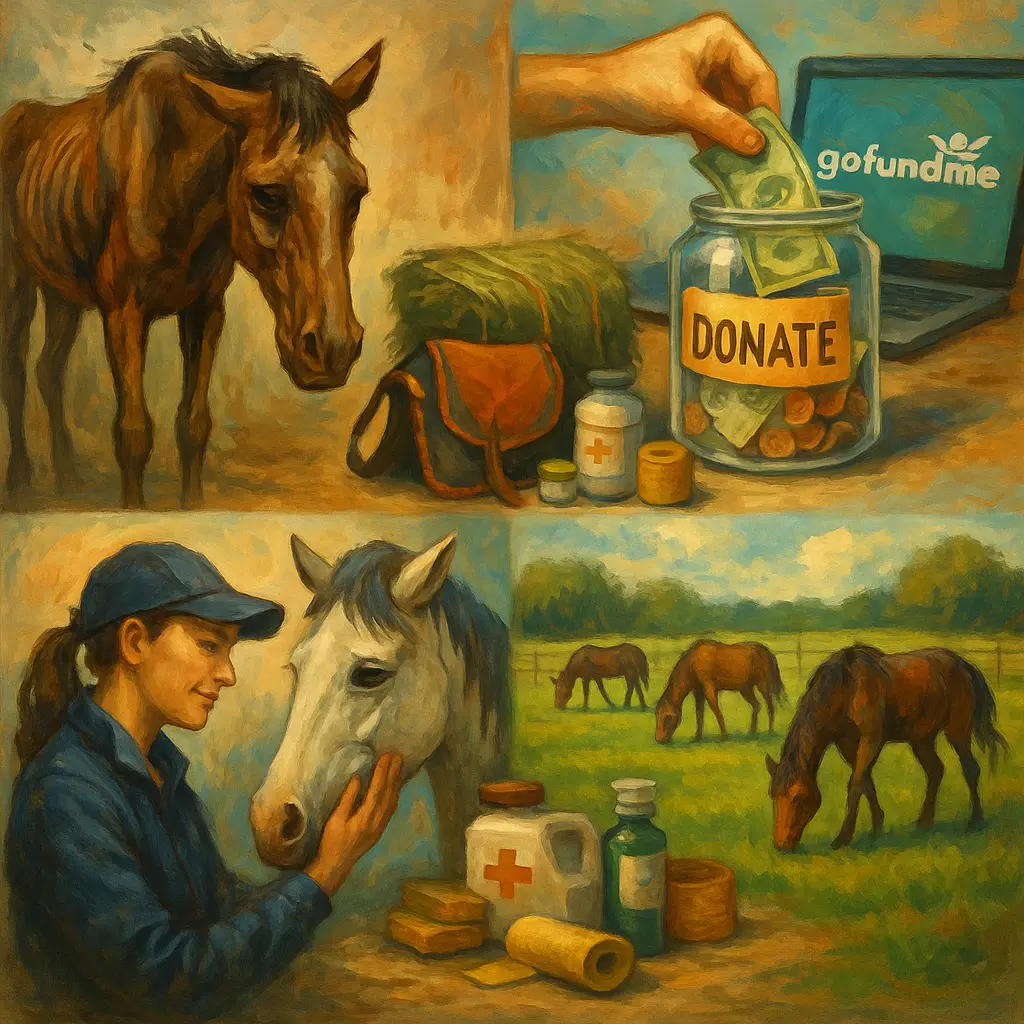
Across the UK, more horses are slipping into vulnerability as living costs bite and winters stay wet. Sanctuaries are under intense pressure — but with clear information and targeted support, you can make a real difference today.
Key takeaway: UK equine welfare enquiries jumped 19% last year and rescue centres are near capacity — verified sanctuaries like EMW urgently need community help, from donations to responsible rehoming and prompt welfare reporting.
Why UK sanctuaries are under pressure right now
Welfare enquiries have risen by 19% in the last year, leaving UK rescue and rehoming centres close to full. That’s the reality reported by World Horse Welfare, whose four UK centres are “near capacity.”
“Over the past year we have seen a 19% increase in welfare enquiries and as a result our four Rescue and Rehoming Centres are near capacity.” — World Horse Welfare
Rising feed, bedding and fuel costs, coupled with prolonged wet winters that trash grazing and push rug usage up, are tipping more owners into difficulty. With demand up and donations stretched, sanctuaries face tough choices about intake, rehab pacing, and even their own survival. This is why verified, targeted support matters — it keeps proven front-line services working.
Is EMW Sanctuary legitimate — and why it matters?
Yes — EMW Sanctuary (Equine Market Watch Sanctuaries UK) is a verified UK equine charity and a member of the National Equine Welfare Council (NEWC), focused on rescue, rehabilitation, rehoming and sanctuary work.
Legitimacy matters because it ensures your support fuels real, regulated welfare. EMW is facing closure and has an active GoFundMe appeal to keep doors open. Their team continues to fight for the horses in their care:
“With that said I do want to state that we definitely haven’t given up, we are still fighting and it’s not over until it’s over.” — EMW representative, via Horse & Hound forum
Their track record speaks for itself. A pony rescued by EMW in “appalling” condition from auction has since thrived under their care — a powerful example of what skilled rehab can achieve (Your Horse: EMW Conker transformation). If you want to verify details directly, contact EMW’s Elaine Tasker at emw@emwuk.org.uk or 07870 860825.
How to check a rescue or fundraiser is genuine before you donate
Check NEWC membership, speak to the organisation directly, and only donate via official channels like the EMW GoFundMe page to avoid unverified appeals.
Practical verification steps:
- Confirm membership on a trusted body such as the National Equine Welfare Council (NEWC). EMW is listed here.
- Contact the sanctuary using published details (e.g., EMW: emw@emwuk.org.uk, 07870 860825) to confirm current needs and safe ways to give.
- Use the official fundraiser link — e.g., EMW’s GoFundMe campaign — and avoid appeals that can’t be cross-checked.
- Look for track record and outcomes (case studies, rehoming stories, veterinary partnerships, quarantine protocols).
Quick tip: Be wary of pressure tactics, unverifiable bank details, or appeals that refuse to share basic governance information. A credible rescue will welcome your verification questions.

Practical ways you can help today
Donate to verified appeals, report concerns quickly, consider rehoming through trusted programmes, and use specialist helplines for Thoroughbreds before issues escalate.
High-impact actions you can take now:
- Donate securely to EMW’s official appeal: Save EMW Sanctuary from Closure. Even small, regular gifts smooth cashflow for hay, bedding and vet bills.
- Report welfare concerns without delay — signs include emaciation, untreated injuries and poor living conditions (see “Spot the signs” below). Contact EMW at emw@emwuk.org.uk, or for Thoroughbreds call the BTRC 24/7 Vulnerable Horse Helpline on 01524 812649.
- Rehome through trusted schemes like the BHS Second Chance project at BHS Approved Centres.
- Prevent problems early: if you’re struggling with a Thoroughbred’s feeding, retraining or aftercare, ring the BTRC helpline for support before welfare risks develop.
Kit that makes rehoming or fostering smoother:
- Weatherproof protection: a well-fitted winter turnout helps keep weight on by reducing cold stress. Explore our winter turnout rugs and proven brands like WeatherBeeta.
- Warmth indoors: many rehab horses benefit from a cosy layer when stabled. See our stable rugs range.
- Recovery essentials: gentle grooming supports skin health and bonding — browse our grooming kits and brushes.
- Nutritional support: targeted vitamins, minerals, and digestive aids can assist rehab under veterinary guidance. Shop equine supplements.
- Protection for legs and wounds: stocking up on pads and wraps helps day-to-day care. View horse boots and stable bandages.
Pro tip: If you’re equipping a foster or new rehome, prioritise fit and function over fashion — it saves money and optimises welfare in the long run.
What happens when a neglected horse is rescued?
On arrival, rescued horses enter quarantine for veterinary assessment and disease control; if suffering can’t be relieved, humane euthanasia may be the kindest option under veterinary advice.
“On arrival, each and every horse goes into quarantine until our vets are confident they are not carrying any conditions or diseases which could pass onto other horses. In these cases, we follow the advice of our vets and euthanase the horse to relieve it from suffering.” — World Horse Welfare veterinary team
Quarantine is fundamental in the UK, where dense equine populations and active show circuits increase biosecurity risks. Centres follow strict protocols inspired by the Animal Welfare Act 2006 and best-practice guidance — isolating newcomers, running diagnostic tests, and staging cautious introductions only when safe.
Rehabilitation then focuses on stabilising nutrition, managing parasites and dental issues, rebuilding hoof health, and addressing injuries. Day-to-day, that can mean frequent, small forage feeds, careful rugging to reduce calorie burn in foul weather, and meticulous wound care with clean bandaging. As weight and confidence return, basic groundwork and positive handling rebuild trust and prepare horses for a second chance.
Quick tip: For home-based rehab under professional guidance, consistency beats speed. Keep daily routines calm, record weights and condition scores, and photograph progress — it keeps the whole care team aligned.
Rehoming: how centres match horses with the right homes
The BHS Second Chance project places rescued horses through Approved Centres, using assessments to match each horse’s needs and temperament with a suitable home.
Rehoming works best when everyone is honest about experience, facilities and ambitions. Through BHS Second Chance, horses are professionally assessed for health, behaviour and potential. Prospective homes undergo checks and are matched to horses that fit their set-up — from companion roles to ridden partnerships. This safeguards both horse and human, reducing returns and improving outcomes.
If you’re preparing to rehome, line up the basics:
- Weather protection for UK rain, wind and mud (consider turnout and stable layers appropriate to your grazing and stabling).
- A grooming routine to support skin health and keep a close eye on condition changes.
- A nutrition plan, ideally with vet or nutritionist input, including forage management and, where appropriate, supportive supplements.
- First-aid essentials and clean bandaging materials for minor injuries under veterinary guidance.
Pro tip: Schedule a post-arrival check-in with your vet and farrier, and agree a communication plan with the rehoming centre. Early tweaks often prevent bigger problems later.
Spot the signs of neglect and what to do
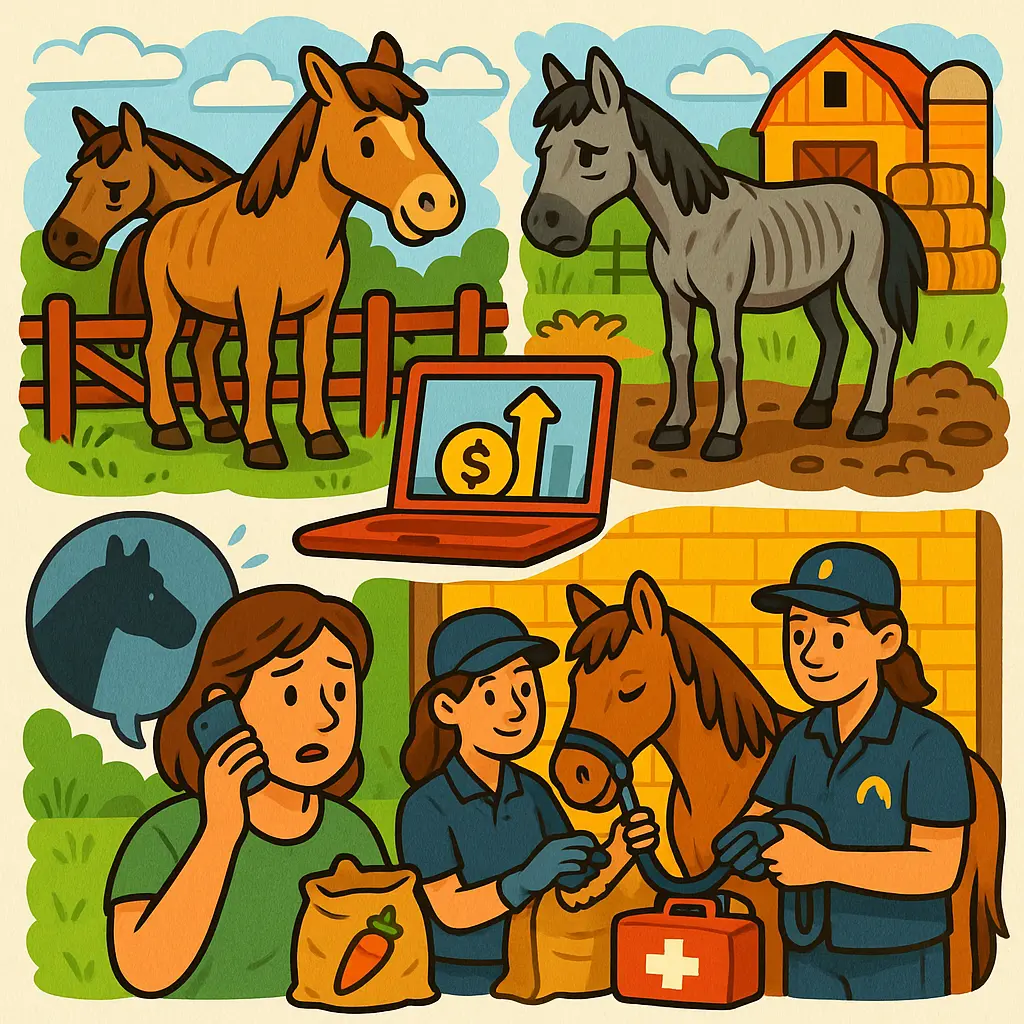
Report emaciation, untreated injuries or poor living conditions immediately to EMW or the BTRC helpline for Thoroughbreds; swift reporting saves lives and prevents suffering.
Common red flags include:
- Marked weight loss or protruding ribs/hips
- Untreated wounds, lameness, or obvious pain
- Severe overgrown feet or long-standing hoof neglect
- Lack of shelter, filthy water, inadequate forage, or hazardous fencing
- Heavy parasite burdens, skin disease, rain scald, or matted, dirty coats
- Herds left without monitoring, deadstock not promptly removed
What to do:
- Record what you see (dates, times, locations, photographs if safe and legal to do so).
- Do not trespass or confront owners — your safety and evidence quality matter.
- Report to EMW (emw@emwuk.org.uk) or, for Thoroughbreds, call the BTRC 24/7 Vulnerable Horse Helpline on 01524 812649.
- If a horse is in immediate danger, contact the relevant authorities alongside welfare charities.
At Just Horse Riders, we recommend acting promptly but calmly. Clear, factual reports help welfare teams prioritise and respond effectively.
Smart kit choices that stretch a sanctuary’s budget
Durable rugs, waste-reducing feed management, and practical grooming and bandaging supplies save money while improving welfare during rehab.
When budgets are under pressure, kit needs to work hard:
- Choose long-wearing, repairable turnout layers. Quality turnout rugs from proven brands like WeatherBeeta protect condition in wet, windy spells and often outlast cheaper options.
- Keep stabled horses warm efficiently with well-fitted stable rugs, reducing the temptation to overfeed for warmth.
- Reduce feed waste with sensible forage management (appropriate nets, safe slow-feeding tactics) and monitor intake, especially during weight gain programmes.
- Maintain skin and coat health with affordable, robust grooming tools that handle heavy mud and shedding.
- Stock essential boots and bandages for wound protection and controlled exercise during rehab plans.
- Target nutrition where it counts with judicious supplements (electrolytes, gut aids, vitamins/minerals) under professional guidance.
- Stretch funds by checking our value finds in the Secret Tack Room clearance — ideal for kitting out fosters or new rehomes.
Quick tip: Keep a simple kit inventory and rotate rugs by condition, not just by date — it extends lifespan and keeps horses comfortable without overspending.
Every UK horse that reaches a safe, permanent outcome is the result of many small, smart actions — from a timely report to a carefully chosen rug. Verified sanctuaries like EMW are proven at turning those actions into second chances. If you can, donate today, share their appeal, or open your stable door to a rehome through trusted programmes.
FAQs
Is EMW Sanctuary a legitimate UK charity worth supporting?
Yes. EMW Sanctuary (Equine Market Watch Sanctuaries UK) is listed with the National Equine Welfare Council (NEWC) for rescue, rehabilitation, rehoming and sanctuary services. You can verify details and contact Elaine Tasker at emw@emwuk.org.uk or 07870 860825. Their official fundraiser is here: GoFundMe: Save EMW Sanctuary from Closure.
Why are more horses becoming vulnerable in the UK now?
Because the cost of living crisis has driven a 19% rise in welfare enquiries, leaving rescue centres near capacity, according to World Horse Welfare. Higher hay, bedding and fuel costs, plus wet winters, are key pressures.
What happens to severely neglected horses upon rescue?
They enter quarantine for veterinary assessment and disease control. If suffering cannot be relieved, humane euthanasia may be recommended by vets to prevent further pain, in line with World Horse Welfare protocols.
Where can I rehome a rescued horse in the UK?
Through trusted schemes like the BHS Second Chance project at BHS Approved Centres. Rehoming teams assess horses and match them with suitable homes to support long-term success.
Who can I call if my Thoroughbred is becoming vulnerable?
Contact the British Thoroughbred Retraining Centre (BTRC) 24/7 Vulnerable Horse Helpline on 01524 812649 for advice on feeding, rehab, retraining and aftercare before welfare risks escalate.
How can I be sure a fundraiser is safe to donate to?
Verify the organisation via NEWC or official contacts, then donate only through their confirmed channels (for EMW, use this GoFundMe). Avoid appeals that cannot provide verifiable details.
What kit is most useful when fostering or rehoming a rescue?
Weatherproof turnout protection, an appropriate stable layer, practical grooming tools, clean bandaging supplies, and targeted nutrition under professional guidance. Explore our curated picks: turnout rugs, stable rugs, grooming, boots and bandages, and supplements.