
Horses thrive on routine, so when you’re away you need more than a “pop-in” — you need a competent horse sitter who can keep your horse’s day running like clockwork and act fast if anything changes.
Key takeaway: Choose a sitter with proven, hands-on equine experience, agree everything in writing, and leave a clear, practical brief so your horse’s routine stays calm and consistent.
What is a horse sitter and when to use one?
A horse sitter is a competent carer who follows your horse’s daily routine at home or on your yard while you’re away, covering feeding, turnout, mucking out, checks and emergencies. Use a sitter any time you can’t attend reliably — holidays, work trips, illness, or when your regular support is unavailable.
Good sitters keep everything as familiar as possible: same feed, same turnout window, same rugs, same checks. They’re not just “feed-and-leave” visitors — they’re your eyes, hands and judgement on the ground. For ridden horses, agree in advance whether exercise is groundwork, lungeing, hacking (and to what extent), or rest. If hacking is included, make sure appropriate safety kit is ready to hand, such as hi-vis for riders.
Unlike full livery, horse sitting is flexible: from twice-daily yard visits to overnight stays. The right option depends on your horse’s needs, your yard rules, and how much cover you want for security and emergencies.
How to find and vet a trustworthy horse sitter
Start with personal recommendations from your vet, farrier and local yards, then verify equine experience, references, insurance and willingness to follow your routine exactly. Insist on a meet-and-greet and a paid trial visit before you commit to a longer booking.
Practical steps that work:
- Ask your RCVS-registered vet, farrier, physio or yard manager who they trust; local word-of-mouth is gold in the horse world.
- Shortlist sitters with clear equine experience; bonus if they hold recognised UK equestrian qualifications (for example, BHS care or coaching stages).
- Request and check references from current clients with similar horses (age, management, health needs).
- See proof of insurance appropriate to horse care and ask how they handle emergencies, keys and data security.
- Book a meet-and-greet to walk through routine and observe calm, confident horse handling.
- Run a paid trial (one or two days) while you’re local, so the sitter can follow the routine and you can iron out details together.
At Just Horse Riders, we recommend choosing attitude and attention to detail over grand promises. The best sitters ask precise questions about forage, feet, rugs, behaviour, and what you consider “normal” for your horse — then they write it down.
What to include in your horse-sitting brief
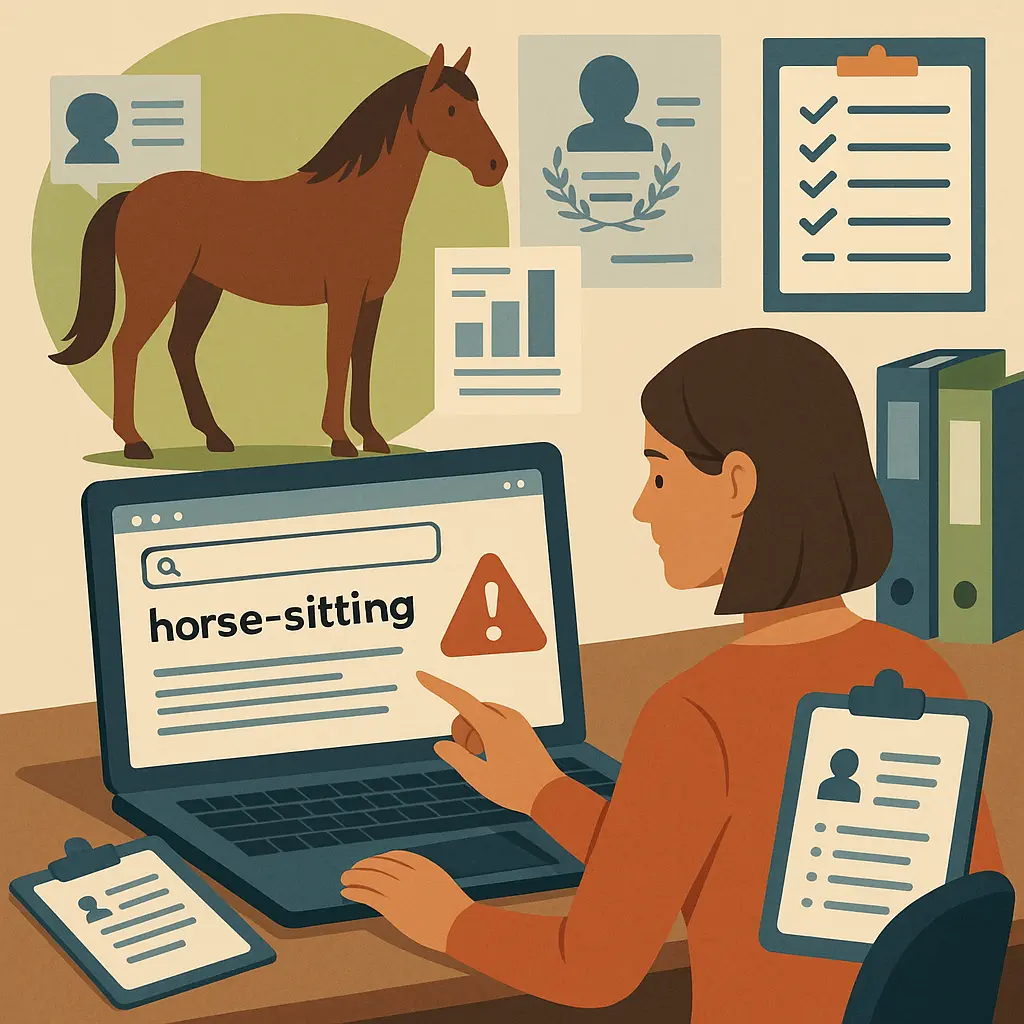
Give your sitter a written, step-by-step routine with feed charts, medication timing, turnout plans, rug changes, stable/field locations and emergency contacts. Keep it practical, visible and easy to follow.
Build a one-page “at-a-glance” sheet, then attach detailed schedules behind it. Include:
- Contacts: your mobile, backup contact, yard owner/manager, vet (24/7), farrier, and any neighbours who can help with gates or access.
- Identification: horse’s passport location, microchip number, and any headcollar/lead rope labels.
- Routine: exact times for feed, forage, turnout/bring-in, stable checks and lights out.
- Feed & supplements: brand names, quantities by weight, order of feeding, and a clear chart for supplements.
- Medication: names, dosages, timing, storage, and how to give (syringe, in feed, on a treat).
- Rugs: what to use at set temperatures or weather conditions; lay these out and label clearly. If you need spares, stock up on turnout rugs, stable rugs and seasonals like fly rugs.
- Exercise: what is and isn’t permitted — groundwork vs lunge, poles, hacking, school use, and where to log ride time.
- Health baselines: normal digital pulse, typical droppings, how your horse eats and drinks, and what “not normal” looks like.
- Emergency plan: when to call you, when to call the vet first, and authority to proceed with treatment if you’re unreachable.
- Yard map: taps, feed room, tack room, muck heap, first-aid kits, lighting, gate codes and any CCTV or alarms.
Quick tip: Pre-portion hard feeds in lidded tubs and write the horse’s name and time on each. It removes guesswork and keeps the routine consistent.
Safety, welfare and legal essentials
Protect your horse and your sitter by agreeing a written contract, sharing clear welfare thresholds for vet intervention, and setting out exactly who has authority to act in an emergency. Your legal duty of care continues even when you’re away.
Cover these essentials in writing:
- Scope of care: dates, number of daily visits, length of visits, specific tasks included (feed, muck out, rugs, checks, exercise).
- Emergency authority: who can authorise veterinary treatment if you’re unreachable; add a spending limit and confirm who pays and how.
- Welfare thresholds: temperature outside your horse’s norm, signs of colic or lameness, refusal to eat/drink, choke, or wounds requiring the vet — and the order of calls to make.
- Access and security: keys, gate codes, alarm/CCTV use, and how they’re stored and returned.
- Biosecurity: handwashing, kit hygiene, and how to handle new arrivals or yard quarantine rules.
- Data and media: permission (or not) to take photos, post on social media, or share your location.
Prepare safety equipment in obvious places. Keep a well-stocked grooming and first-aid station so routine checks are straightforward. If you need to refresh yard staples, browse practical grooming essentials and protective horse boots & bandages before you go.
Pro tip: If your horse is ridden, insist on modern, well-fitting safety kit. Keep an up-to-date riding hat on the yard and a reflective tabard to hand — our range of riding helmets and rider hi-vis is designed for everyday use and quick replacement.
Costs, cancellations and timings
Agree all fees, mileage, bank holiday rates and cancellation terms before the first visit, and book early for school holidays and bank holiday periods. Clear terms prevent stress for you and fairness for your sitter.
What to confirm up front:
- Visit frequency and length, including overnight stays if needed for security or medical monitoring.
- What’s included in the base price and what’s extra (rug changes, hand-walking, lungeing, clipping assistance, vet/farrier waits).
- Mileage or travel charges, parking or access constraints, and whether they charge for key collection/return.
- Payment schedule (deposit/balance) and cancellation windows for you and for the sitter.
- Contingency: who covers if the sitter is ill, and how they keep you updated if plans change.
Book well ahead for peak times — Christmas, Easter, bank holidays and summer shows fill quickly. A short paid trial visit also locks in dates while you finalise details.
Preparing your horse and yard for the sitter
Make it easy to do the right thing by batching, labelling and staging everything the sitter will touch, from feeds and rugs to headcollars and yard tools. A tidy, well-stocked setup keeps your horse’s routine smooth.
Before you leave:
- Feeds: pre-portion hard feeds; clearly label your forage stack or nets.
- Supplements: set out measured daily pots, and ensure you’re stocked with trusted options such as NAF supplements.
- Rugs: assign a simple system (e.g., “blue stable rug overnight, medium turnout if windy and wet”) and hang them in order; if you need spares, explore proven brands like WeatherBeeta and Shires.
- Seasonal kit: for midges and heat, have your fly rug and mask ready; for cold snaps, check linings on your turnout rugs and indoor stable rugs.
- Footing and fields: walk the turnout, check fencing, remove hazards and leave spare posts/tape to hand.
- Grooming and legs: leave a clean grooming kit and any required boots or bandages with notes on when to use them.
- Rewards: a pot of your horse’s usual treats helps with catching, rug changes and meds.
- Top-ups: if you love a particular brand, refresh before you go — popular lines from LeMieux and yard essentials in our Secret Tack Room clearance can help keep costs tidy.
Pro tip: Leave a “first visit” crate by the stable door with headcollar, gloves, hoof pick, thermometer, torch and yard keys. It speeds up that crucial first check of the day.
Red flags and common mistakes to avoid
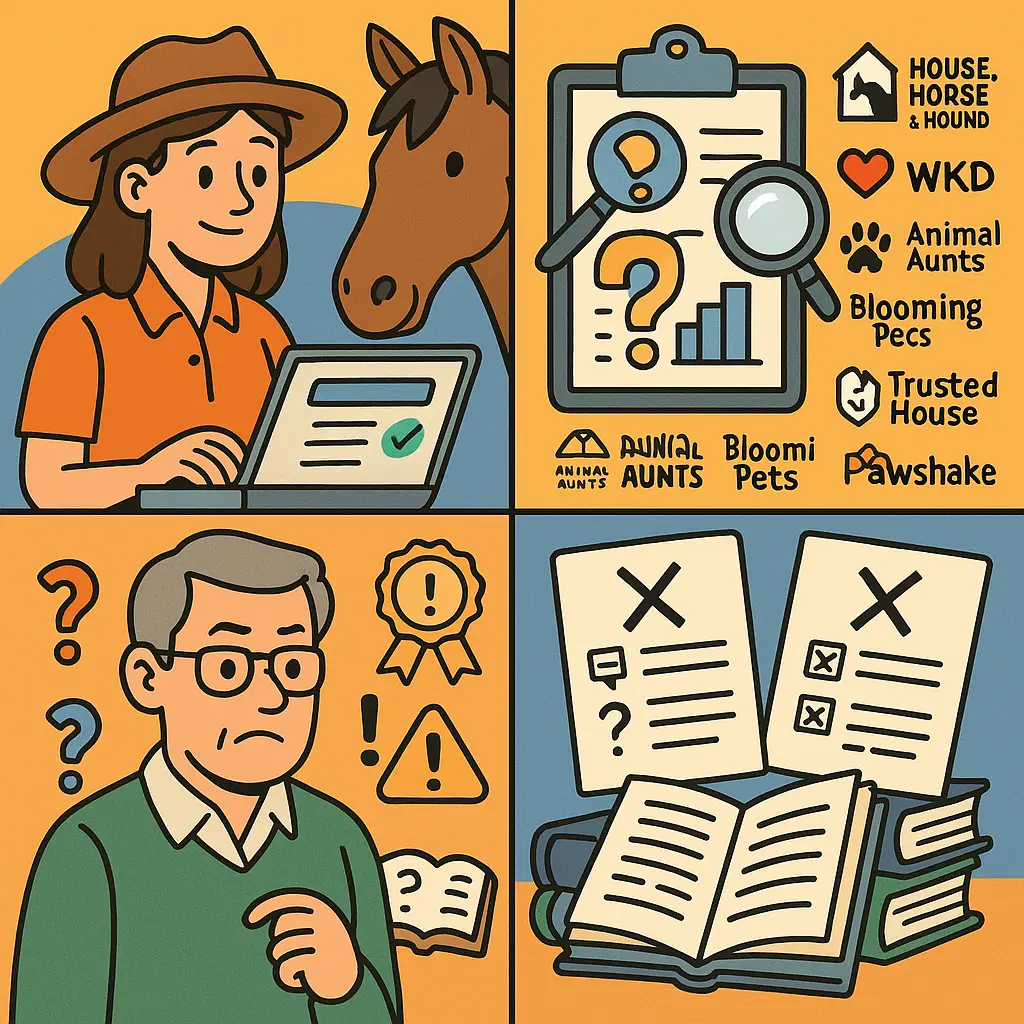
Avoid sitters who won’t provide references, skip a meet-and-greet, resist written instructions or dismiss your vet-backed routine. Reliability and respect for your way of managing your horse are non-negotiable.
Common pitfalls and how to dodge them:
- Vague agreements: always use a written brief and contract; verbal plans get misremembered.
- Unclear emergencies: define exactly when to call you vs the vet, and who can authorise treatment if you’re unreachable.
- Underestimating time: realistic visit lengths prevent rushed care; build in time for turnout, checks and notes.
- Gear scavenger hunts: stage rugs, feeds and tools logically so the sitter doesn’t waste time hunting for basics.
- Changing too much at once: keep feed and turnout consistent; avoid new feeds or regimes while you’re away unless clinically necessary.
- No trial run: even a single paid trial visit reveals gaps and helps your horse accept the new person calmly.
Templates you can copy
Use these simple outlines to fast-track your prep and keep everything crystal clear.
Daily routine at a glance (pin to the stable door):
- 07:30 — Check water, droppings, digital pulses; feed hard feed and hay.
- 08:00 — Rug change if needed; turnout to Field 2 (top gate).
- 12:00 — Field check (water, fencing, behaviour).
- 16:30 — Bring in; quick groom; hard feed and hay.
- 21:00 — Last check; top water; lights out.
Emergency call order (write phone numbers next to each):
- Call owner
- Call vet (24/7 line)
- Call yard owner/manager
- Notify farrier (if foot-related)
Rug decision snapshot (example — adapt to your horse):
- Wet and windy, daytime: medium turnout
- Dry and mild, daytime: no rug
- Chilly nights in stable: lightweight stable rug
- Hot with flies: fly rug and mask
Medication log (table headings to copy): Date, Time, Medication, Dose, Given by, Notes/Response.
Hacking/exercise permissions (tick boxes): Groundwork, Lunge (15–20 min), Arena only, Quiet lane hack (max 30 min), No riding.
Quick tip: Print two copies of everything — one for the stable door, one for the kitchen or tack room — and keep digital copies on your phone you can share instantly if the sitter misplaces a sheet.
FAQs
How far in advance should I book a horse sitter?
As early as you can — peak dates around school holidays and bank holidays book up fast. Once you know your dates, secure a meet-and-greet and a paid trial visit, then confirm the full booking in writing.
Should my sitter ride my horse while I’m away?
Only if you’ve agreed it explicitly. Specify what riding or groundwork you want, where, for how long, and what tack and safety kit to use. Leave appropriate gear ready, including an approved riding helmet and clear hi-vis like our rider high-visibility options.
What insurance should a horse sitter have?
Ask for proof of insurance that’s appropriate for horse care and confirms what’s covered during visits and any riding or exercise. Clarify what your own insurance covers on your yard and who pays deductibles or call-out fees.
How do I make rug changes foolproof for the sitter?
Label rugs by weight and weather, hang them in the order they’ll be used, and write a simple temperature/condition guide. Keep spares clean and ready — browse dependable turnout rugs and indoor stable rugs so you’re covered for any forecast.
What should be in the yard “first visit” kit?
Headcollar and lead rope, gloves, hoof pick, thermometer, torch, basic grooming kit, keys/codes and your at-a-glance routine sheet. Keep everyday tools tidy with practical grooming sets.
Can a sitter help with a horse on medication?
Yes — but only if they’re competent and fully briefed. Provide written dosing instructions, pre-measure where possible, and leave a medication log. Many owners also use a familiar treat to help deliver oral meds calmly.
What if my sitter cancels last minute?
Build a backup plan into your agreement. Ask who covers if they’re unwell, and keep a shortlist of trusted alternatives. Your yard manager and local professionals can often suggest emergency cover.
With the right sitter, a solid brief and well-staged kit, your horse’s routine stays steady and safe — and you get to travel without worry. If you need to top up essentials before you go, we’re here to help with proven brands like WeatherBeeta, Shires, and LeMieux across rugs, stable basics and everyday yard gear.