

Understanding the Evolution of Equestrian Training Techniques
The world of equestrian sports is as fascinating as it is complex, filled with its own set of techniques, traditions, and yes, controversies. Amidst this, one significant debate is shaping the future of horse training by emphasizing welfare, ethics, and scientifically-grounded methods. Let's dive deep into how these discussions are transforming the sport for the better.

Controversial Techniques in Focus
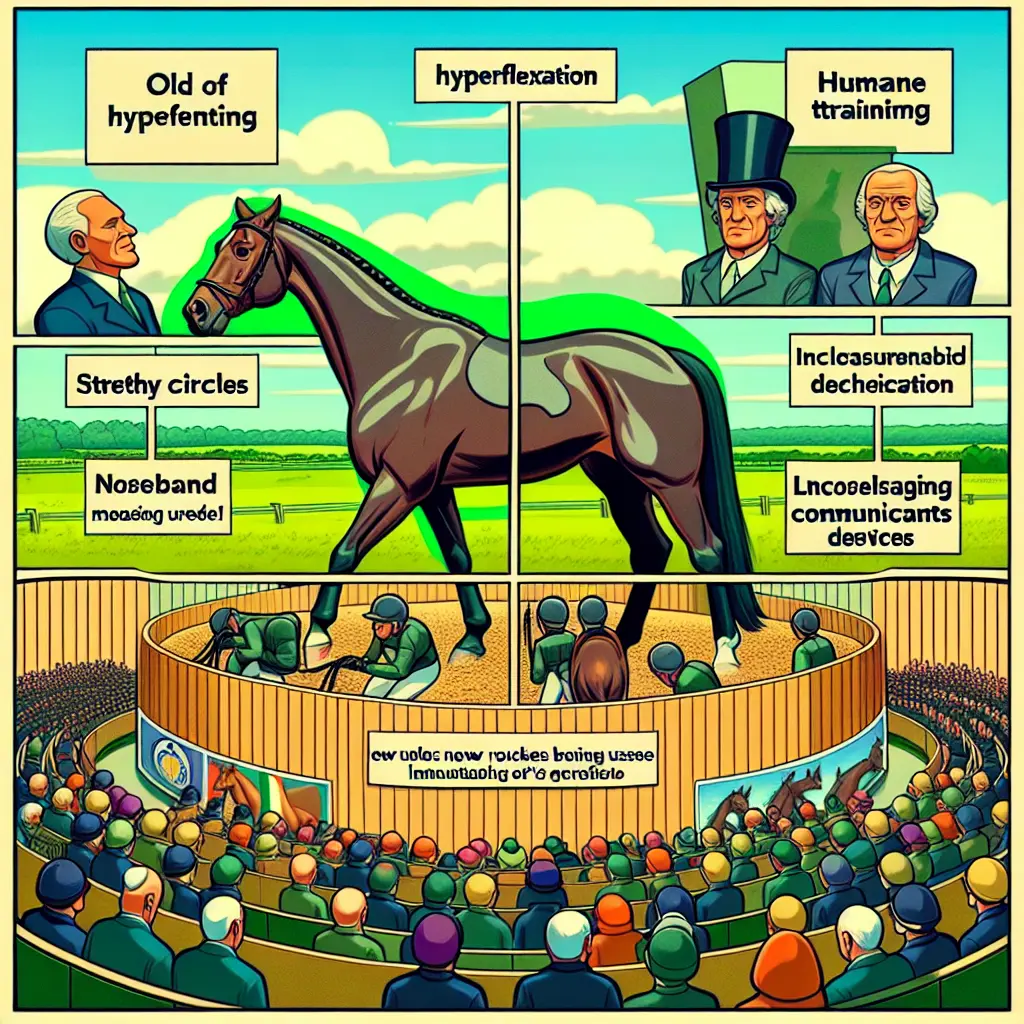
Among various practices, hyperflexion (or rollkur) has been a major point of contention. Introduced by top riders in the 1990s, hyperflexion involves bending the horse's neck excessively to achieve a high degree of collection. However, this method has come under fire for its potential physical and psychological harm to horses. Critics argue that hyperflexion can cause muscle strain and impaired breathing, urging a move to more horse-friendly techniques. The International Equestrian Federation itself discourages the practice following various investigations.
Ethical Concerns and Neuroscience
Ethical issues extend beyond biomechanics into behavioral and neuroscientific realms. Instances like the Charlotte Dujardin incident highlight the necessity for humane training. Instead of harsh treatments, experts like Dr. Janet Jones advocate for pre-planned, compassionate methods that prioritize equine psychology, offering a stress-free learning environment. This has sparked a broader push for science-based, sensitive approaches within the equestrian community.
Understanding the Impact of Misconceptions
Another layer to the controversy lies in misconceptions perpetuated by social media. Often, judgments are made based on imagery without understanding the methods' nuances. The equestrian field is urged to focus on a skillful communication that balances athletic performance with emotional and physical health—dismissing the notion that harsh stimuli are essential for discipline.
Regulations and Reforms for Equestrian Welfare
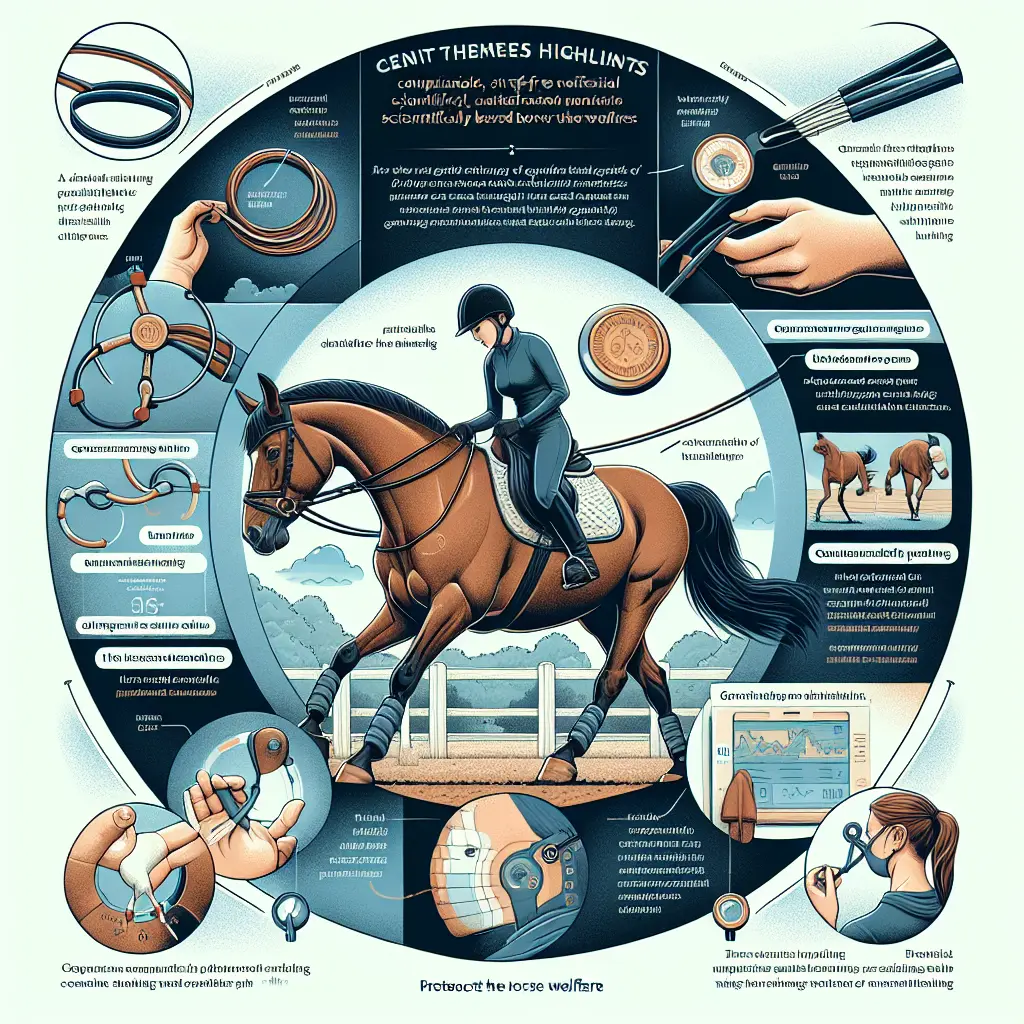
In response to these controversies and evolving standards, governing bodies like the FEI have introduced regulations to ensure horse welfare while maintaining sport integrity. Here’s a peek at what’s set for 2025:
- Introduction of a noseband measuring device to prevent overly tight tack.
- Prohibition of ear hair trimming except for veterinary purposes.
- Restrictions on spur length and type for young riders.
- Limits on whip length and a ban on communication devices during competitions.
These reforms reflect a steadfast commitment to embedding welfare within sport governance.
Adopting Positive Training Techniques
As the industry evolves, positive methods like stretchy circles and rein give and take have gained popularity for their ability to enhance a horse’s relaxation and suppleness. These techniques promote a more fluid and harmonious performance, striking a balance between skill and welfare.
Embracing Ethical and Scientific Training
The controversy over training methods like hyperflexion has catalyzed a shift toward ethical, neuroscience-informed practices validated by research. This future-minded approach ensures equestrian sports evolve—not only in skill and spectacle but also in empathy and respect for horses as sentient athletes.
The Role of Horse Riding Gear in Performance
Equestrian equipment plays a significant role in the sport’s evolution. From bridles that ensure better communication without discomfort to jodhpurs and boots that improve rider comfort and effectiveness, the right gear is essential. And let’s not forget the gloves and socks that provide the finishing touch!
Adding Supplements for Enhanced Welfare
Equestrian supplements also contribute to horse well-being. Tailoring a diet with everyday vitamins aids in maintaining optimal health, strength, and performance levels. It’s like adding a turbo booster, only for horses!
The Conclusion: A Paradigm Shift
Ultimately, the controversies have sparked a paradigm shift in the approach to horse training. By adopting ethical and scientifically-validated methods, advancing equipment technology, and enforcing new regulations, the equestrian community is paving a bright future that honors both competitive excellence and humane treatment. For more, check out our stable rugs and turnout rugs collections for the utmost in horse care and comfort.
Whether you're an avid equestrian or a curious newcomer, understanding these dynamics is essential for anyone committed to the sport. Embrace the journey towards a more responsible and enriched equestrian experience.