

Exploring the Role and Ethics of Whip Usage in Modern Horsemanship
Whip usage in horsemanship remains a hotly debated topic. While some view whips as essential tools, others advocate for more humane alternatives. In this exploration, we'll unravel the intricacies surrounding whips in the world of horse riding, diving into their types, usage, ethical considerations, and emerging alternatives.
Introduction to Whips in Horsemanship
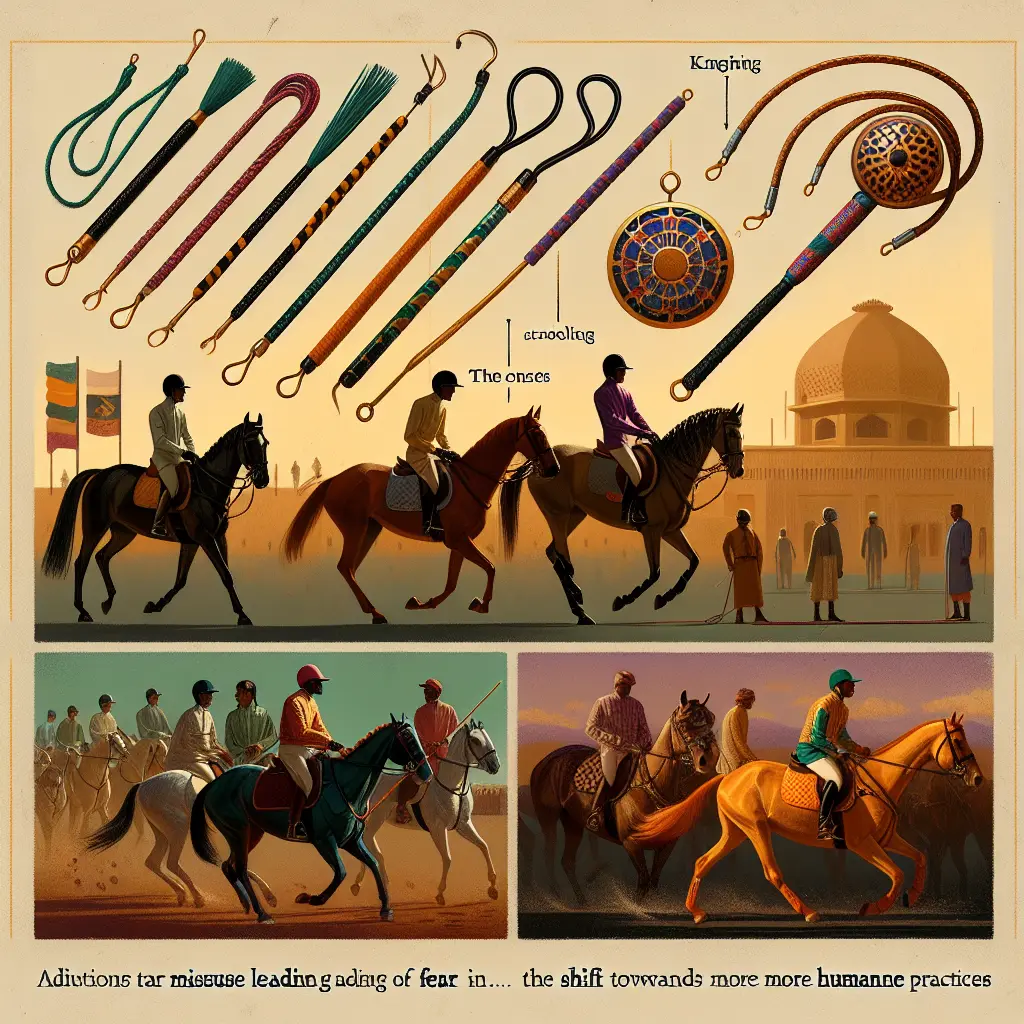
For centuries, whips have been integral to horse training and riding, serving as extensions of the rider's hand to communicate effectively with the horse. Primarily, whips are meant to aid rather than harm. The main types include lunging whips, schooling whips, and jockey whips. Let's delve deeper into each one.
Lunging Whips
Lunging whips are used in groundwork to encourage balance and responsiveness. These long whips guide the horse during training sessions, helping them understand commands through gentle prompts.
Schooling Whips
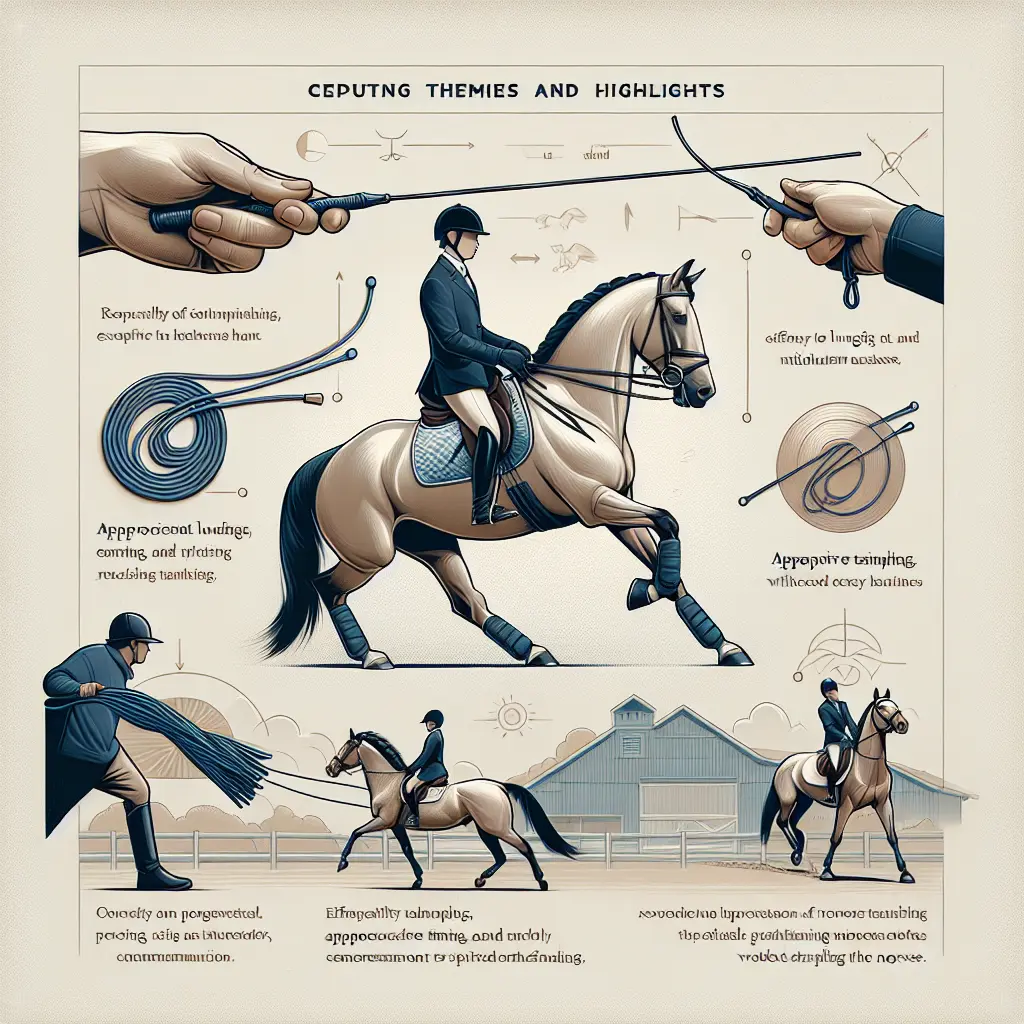
Schooling whips are crucial for more advanced training, offering gentle cues to improve movement and rectify any minor issues. They serve as a subtle guidance tool, helping riders communicate intricate commands effortlessly.
Jockey Whips
Racing requires specialized equipment like jockey whips. These short, lightweight whips are intensely regulated to maintain humane practices in racing environments, focusing on encouraging speed with minimal discomfort.
Ethical Considerations
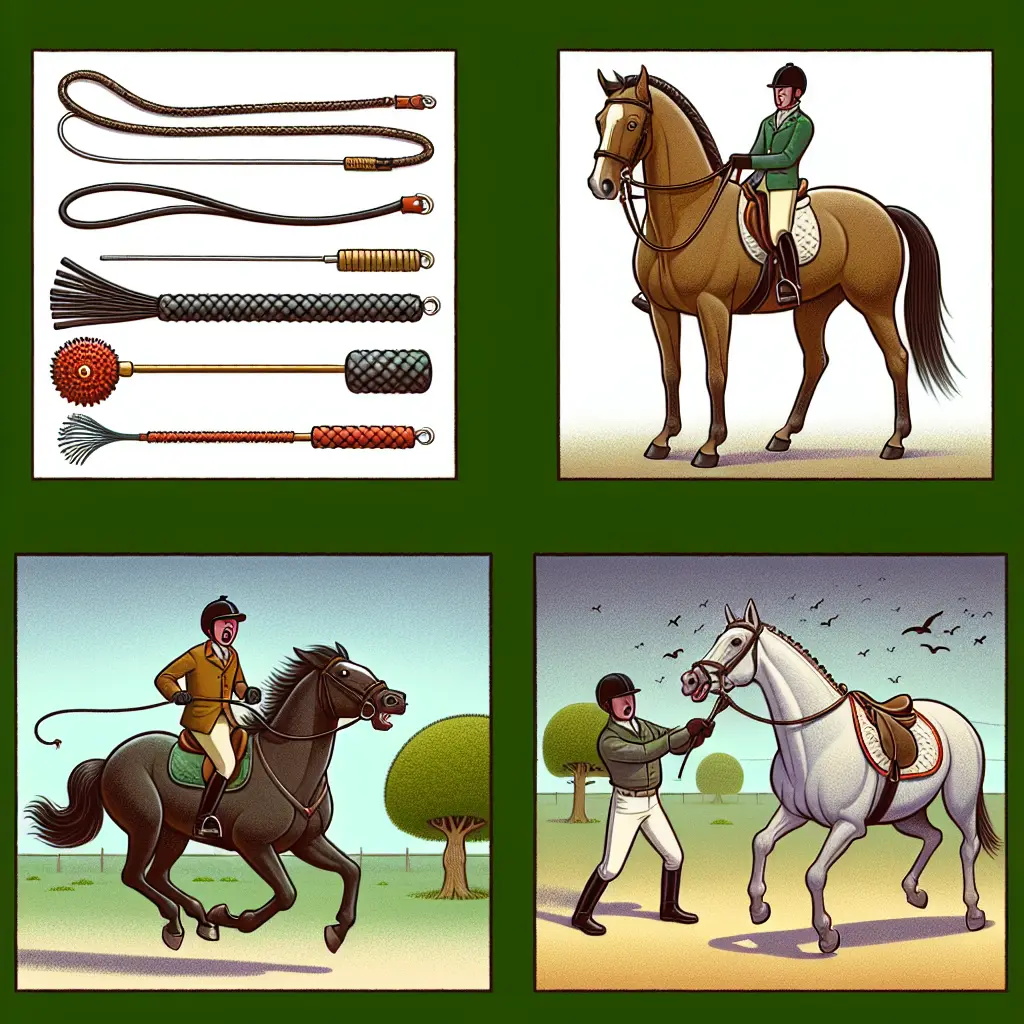
The ethical usage of whips is a topic of significant debate. The aim is to enhance performance without causing distress. However, misuse as a punishment tool can lead to fear and distrust in horses. This misuse is why many advocate for alternative training methods or stringent regulations [6].
Regulations in Racing
To ensure minimal discomfort to horses, jockey whips are strictly regulated. This involves rules about their length, material, and padding, ensuring that the horse's welfare is a priority.
Alternatives to Whip Usage
As modern horsemanship evolves, there is a significant shift towards more humane practices. Prominent alternatives include natural horsemanship and positive reinforcement methods.
Natural Horsemanship
Natural horsemanship emphasizes groundwork and trust-building. This approach often removes the need for whips, as it focuses on forming a bond between the horse and rider [2].
Positive Reinforcement
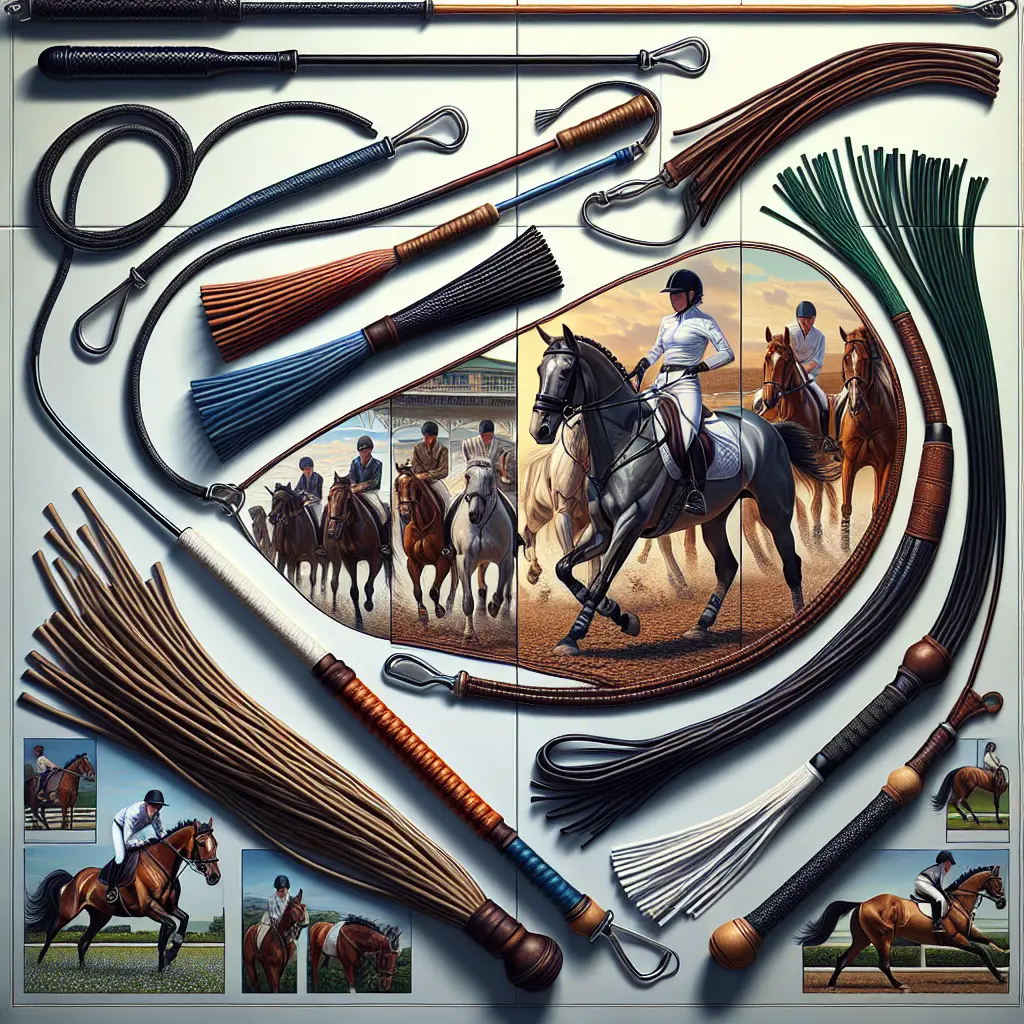
Positive reinforcement is a training method that relies on rewards rather than corrections. When applied correctly, it encourages desired behaviors without the psychological or physical risks associated with traditional whip usage [1].
Best Practices for Whip Usage
For those opting to use whips, best practices can ensure both effective and humane outcomes. Correct handling, timing, and intensity are crucial elements to observe.
Correct Handling
A firm but gentle grip is necessary, with a controlled motion originating from the forearm. Erratic wrist movements should be avoided to prevent startling the horse.
Timing and Intensity
The whip should be used at precise moments to reinforce commands or enhance performance. Intensity should be minimal to prevent adverse reactions from the horse [1].
Conclusion
The role of whips in modern horsemanship is indeed complex. While they serve as valuable tools, ethical considerations and potential for misuse necessitate continued exploration for humane alternatives. As equestrian practices evolve, there is hope for a more compassionate and effective approach to training.
Further Exploration
For those interested in delving deeper, consider exploring our Jodhpur Collection, Horse Riding Boot Collection, and Horse Riding Gloves Collection at Just Horse Riders.
Moreover, for comprehensive insights into effective whip usage techniques or compliance with ethical horsemanship practices, consider resources and videos provided by established equestrian authorities, including the British Horseracing Authority [1].
Continue exploring more humane practices by visiting our collections, including accessories, horse treats, and gifts for horse lovers, Everyday Horse Vitamins & Supplements, and protective gear like Horse Fly Protection.
By embracing ethical practices and focusing on the well-being of horses, modern horsemanship can progress towards more compassionate and effective training approaches.