

Unraveling the Mystery of Tudor Saddles: What Makes Them Unique?
Introduction
The enigmatic allure of the Tudor saddle lies in its combination of historical significance, unique design, and cultural impact. As remnants of the 16th century, these saddles are not just objects of equestrian utility but symbols that tell tales of royalty, social order, and even fashion. In this article, we explore what makes Tudor saddles so fascinating and why they continue to captivate historians and enthusiasts alike.
What Are Tudor Saddles?
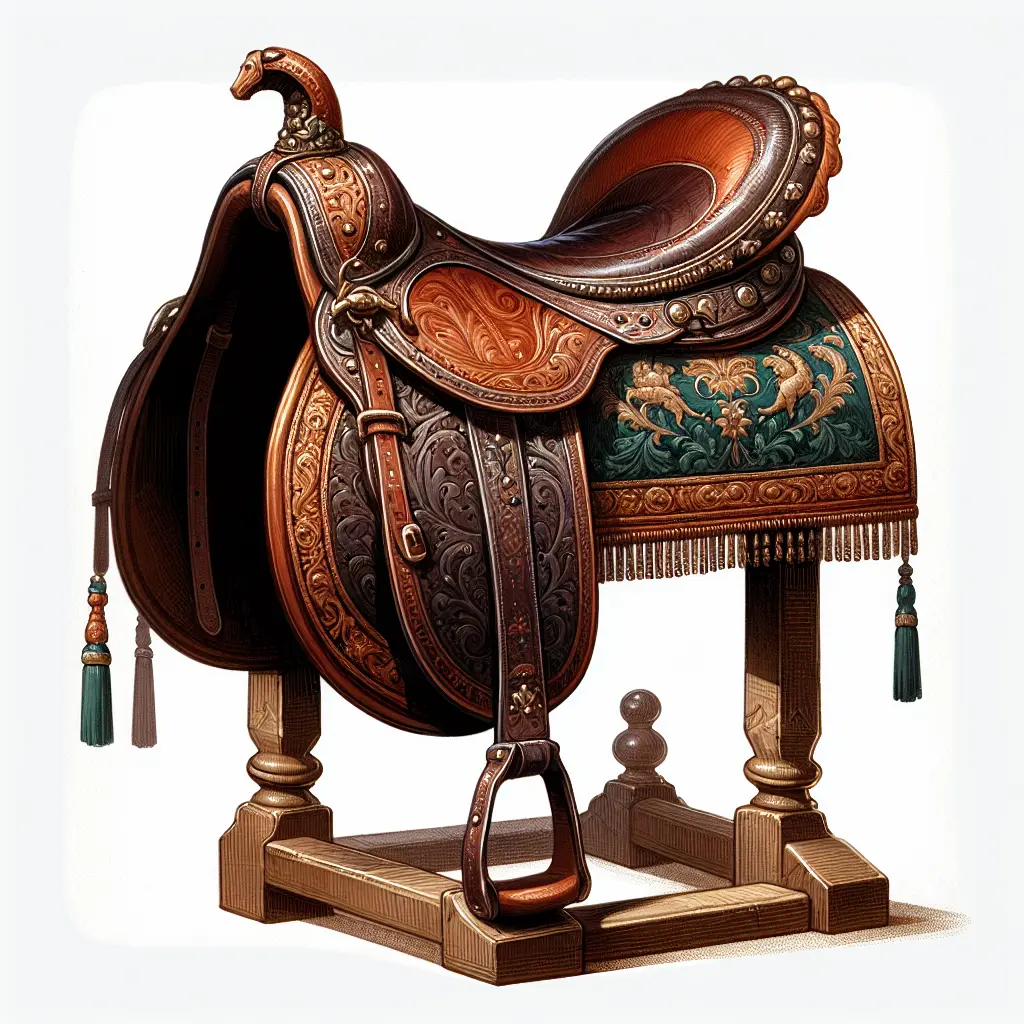
Tudor saddles emerged during the 1485–1603 Tudor era when horses were pivotal to European society, especially in England. These saddles had to be as multifunctional as they were ornate. While they supported both daily riding and battles, their opulence marked them as status symbols. With a base constructed from laminated, jointed wood and wrapped in luxurious leather, they were initially hand-crafted but now modern reproductions sometimes use fiberglass for added strength [Read more](https://www.historicenterprises.com).
Unique Features of Tudor Saddles
Structure and Materials
Tudor saddles featured a robust saddle tree that blended flexibility and durability. Constructed from layered wood secured with joints, they provided the essential support for both the horse and rider, standing resilient against the rigor of Tudor riding styles.
Design for Status & Function
The design of these saddles was tailored to fit the dual needs for functionality and ceremonial splendor. Whether used in coronations or sporting tournaments, these saddles bore ornamental detailing that underscored the rank and power of the rider.
Special Adaptations for Women
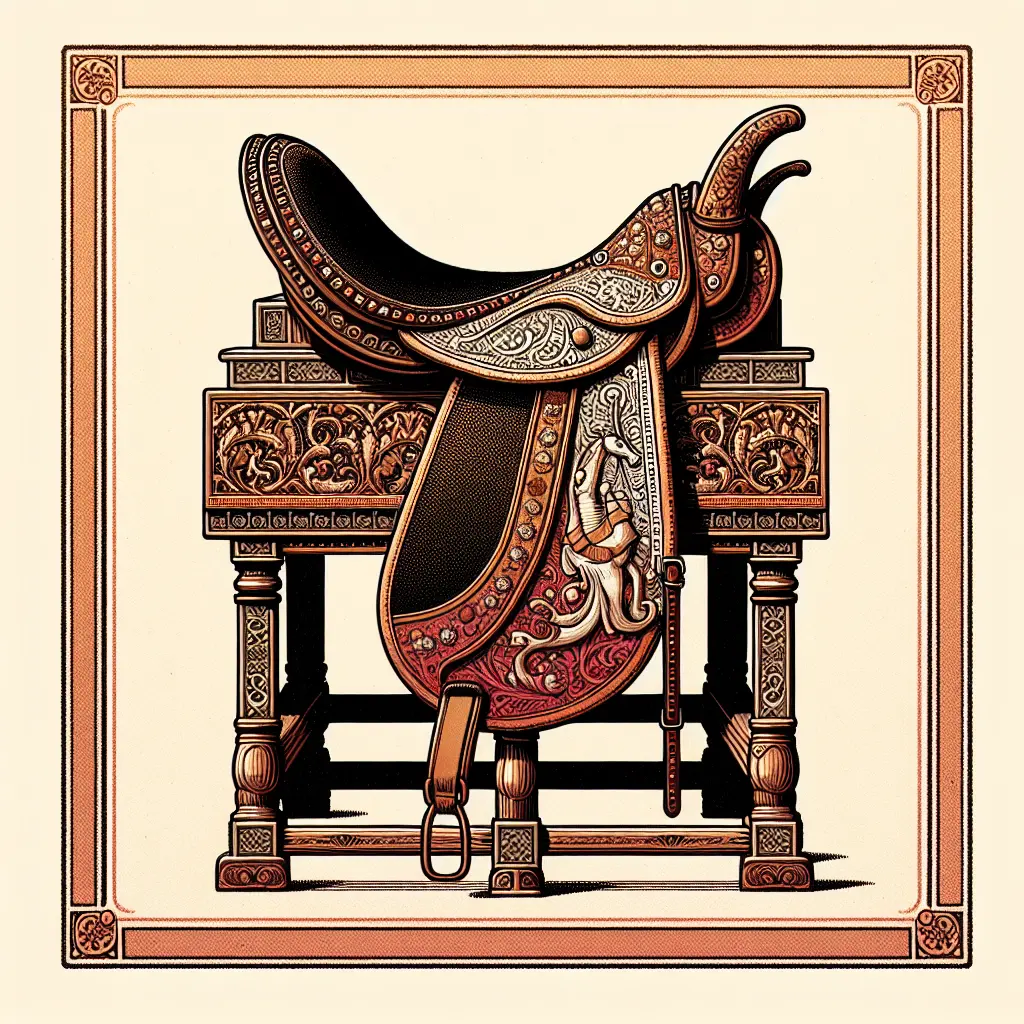
Women’s riding apparel evolved markedly during the Tudor period. Side-saddles were designed to allow women to ride with modesty and grace. Innovation was led by figures such as Catherine de Medici, who contributed immensely to their forward-facing design [Explore](https://www.rosemarygriggs.com).
Side-Saddle Cloths
Decorated with gold fringes and luxurious velvets, side-saddle cloths signified nobility and prestige. Such embellishments were not merely for visual appeal but underscored the rider’s status and wealth, adding layers of ceramic gender roles and class distinctions [Learn further](https://www.justhistorical.com).
Decorative Elements
Ornamental wood carving and leather etchings made each saddle a work of art, often customized to the owner’s tastes and social standing. Details reflect not only the level of craftsmanship of the period but also its rich, evolving history.
Cultural and Historical Context
The artistry and construction of Tudor saddles offer insight into an era characterized by rigid social structures and changing fashions:
Women’s Riding & Modesty
During the Tudor era, side-saddle riding maintained women’s modesty while allowing them to participate in public life. Designed to accommodate the era's restrictive fashion and societal expectations, they were integral to understanding the evolving roles of women in the socio-political tapestry of Tudor society.
Ceremonial Significance
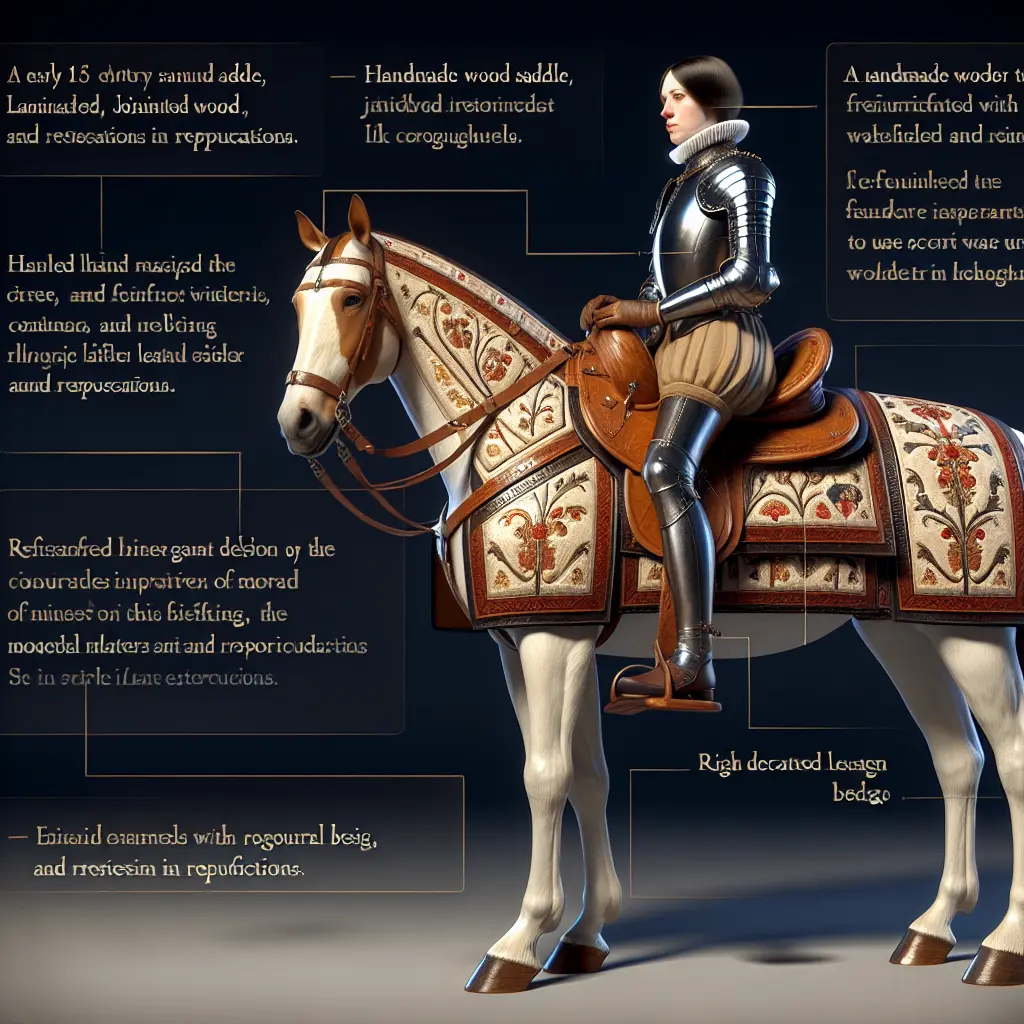
These saddles transcended mere riding equipment to become instruments in both rituals and pageantry. Special "saddles of estate" were symbolic, furthering distinction at elaborate events like coronations, while also echoing the desires of human nature for beauty and exclusivity.
Technological Evolution
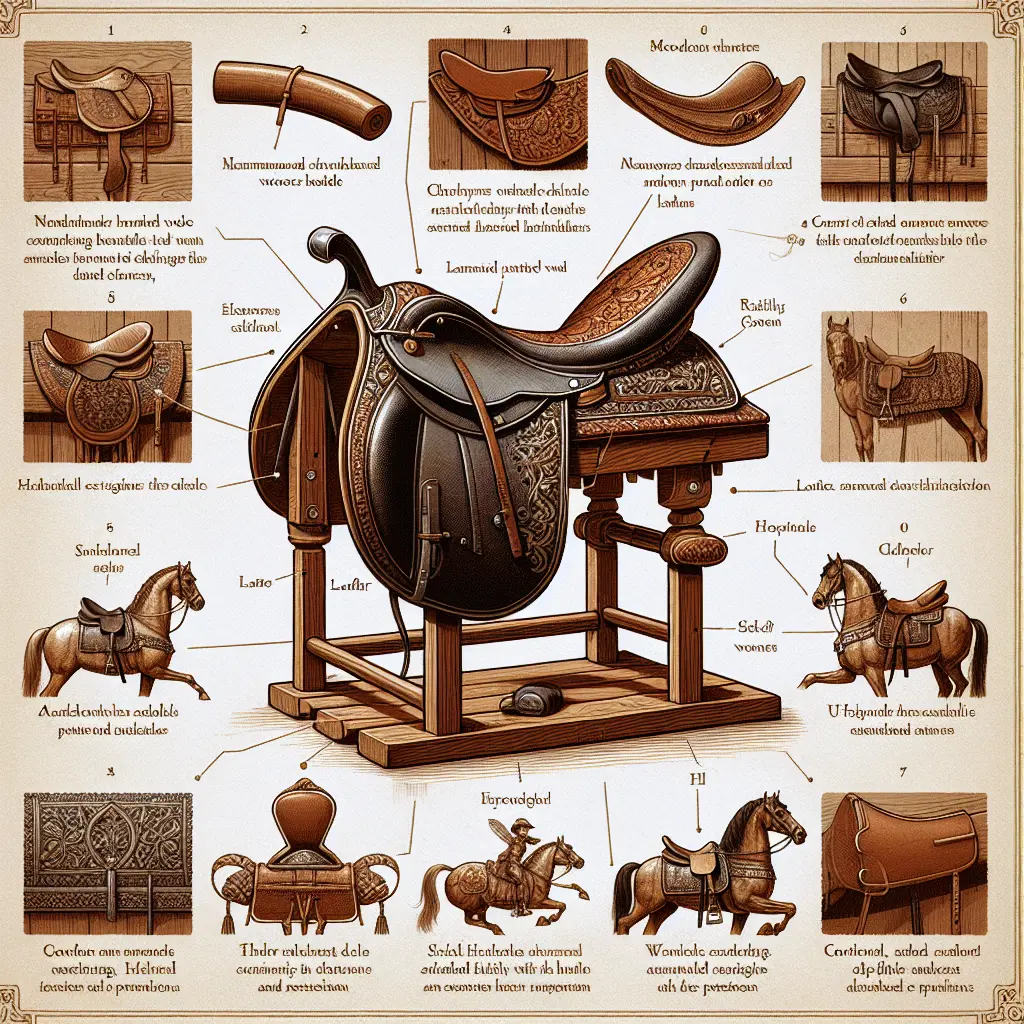
Though the saddle advancements of the 19th century overshadow their predecessors, Tudor saddle designs laid the foundation for modern developments by introducing concepts like the slipper stirrup [Check out more](https://www.luxhistoricalsaddles.com).
Why Tudor Saddles Matter Today
Historians, costume designers, and equestrian enthusiasts study Tudor saddles to glean insights into workmanship, societal structures, and technological foresight. They remain pivotal to understanding the sociocultural factors influencing the era’s identity, beyond being relics of ceremonial grandeur [Read more](https://www.makingsenseofhistory.com).
Conclusion
Tudor saddles are more than historical artifacts; they are a testament to an era rich in artistry, social transformation, and equestrian innovation. Their storytelling power provides not only a lens through which to view the past but also an inspiration to modern enthusiasts seeking to recreate and honor historical authenticity in the detailed world of equestrianism. Understanding these saddles aids in appreciating the blend of art and utility that symbolizes the grandeur of the Tudor age.
Discover more about the Jodhpur Collection and the rest of the horse riding apparel on our site. Dive into our expertly curated collections including Everyday Horse Vitamins & Supplements designed to cater to every equestrian need.