

Horseback riding can be an exhilarating and deeply rewarding experience, but like any activity involving animals and the great outdoors, it comes with its share of risks and responsibilities. While the romance of a trail ride through picturesque landscapes is undeniable, introducing alcohol into the mix can turn a splendid adventure into a potentially hazardous ordeal. Today, we'll delve into why alcohol and equestrian activities don't mix—for the sake of both you and your equine friends.

Understanding the Risks
Alcohol’s Effect on Horseback Riding
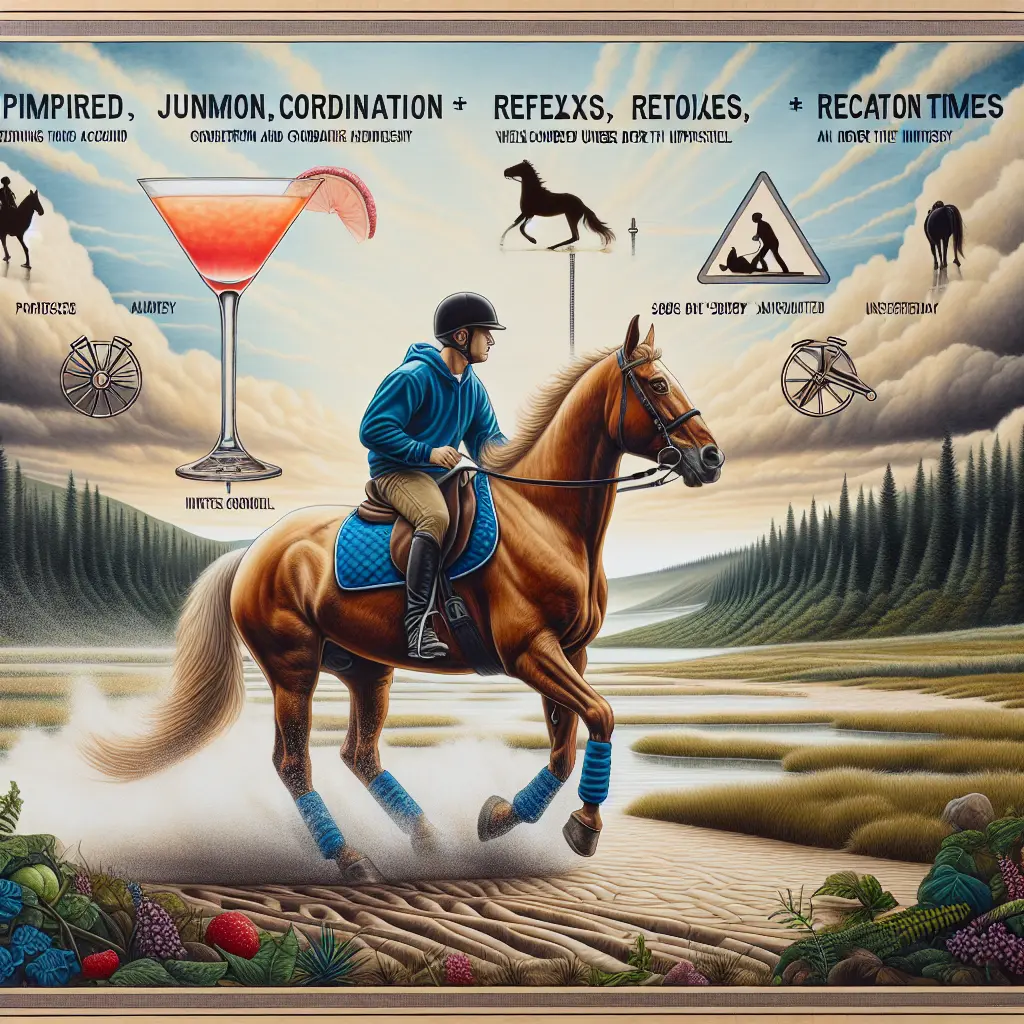
It's no secret that alcohol impairs cognitive and motor functions. For horse riders, whose skills in judgment, coordination, and reaction time are imperative, even small amounts of alcohol can spell disaster. Managing a horse, which typically weighs over 1,000 pounds and has its own unpredictable mind, demands complete mental acuity.
How Prevalent Is Alcohol in Equestrian Accidents?
Research has highlighted concerning patterns, such as the study by the CDC, revealing that approximately 33% of tested horseback-riding-associated fatalities involved alcohol. Furthermore, among those who died due to falls or being thrown from horses, almost 40% had detectable BACs. This illustrates a serious risk, even if alcohol wasn't always the direct cause.
Legal Implications of Riding Under the Influence
While riding a horse doesn't typically fall under DUI laws, being inebriated can still result in criminal charges or civil liabilities. The legal landscape varies by jurisdiction, but the risks remain constant no matter where you ride. Familiarize yourself with local laws to ensure you're not inadvertently breaking the law.
The Science: What Happens When Alcohol and Riding Mix?
Impaired Coordination and Judgment
Riding requires balance and quick reflexes—alcohol blunts these skills. This makes falls more likely and can prevent a rider from effectively protecting themselves during a fall.
Injury Patterns in Equestrian Activities
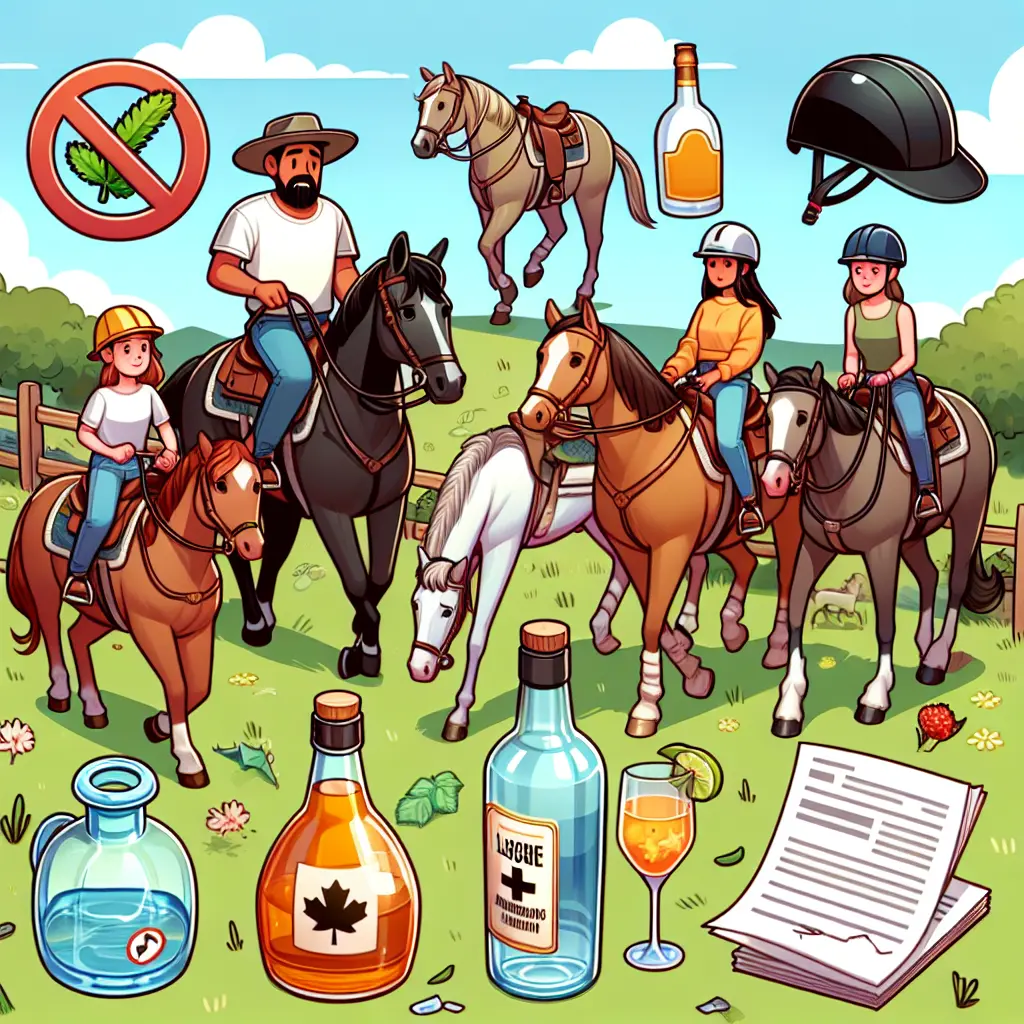
Studies suggest that falls, which account for upwards of 81% of riding injuries, are exacerbated by alcohol consumption. Head injuries dominate these statistics, particularly in young and inexperienced riders. While the scientific community continues to study these patterns, the link between alcohol and increased risk is recognized.
Can Experience Mitigate Risk?
While experience and formal training can lower injury risks, no rider—novice or expert—is immune to the dangers of impaired riding. An unpredictable animal demands your full attention, and even the most seasoned rider can be thrown off by alcohol's effects.
Real-Life Consequences
Statistics On Equestrian Accidents
As reported by the CDC, 67% of horseback riding fatalities in one analyzed state were due to head injuries—an implication of not only the danger posed by falls but also the vital importance of wearing a helmet.
The Wider Impact Beyond Fatalities
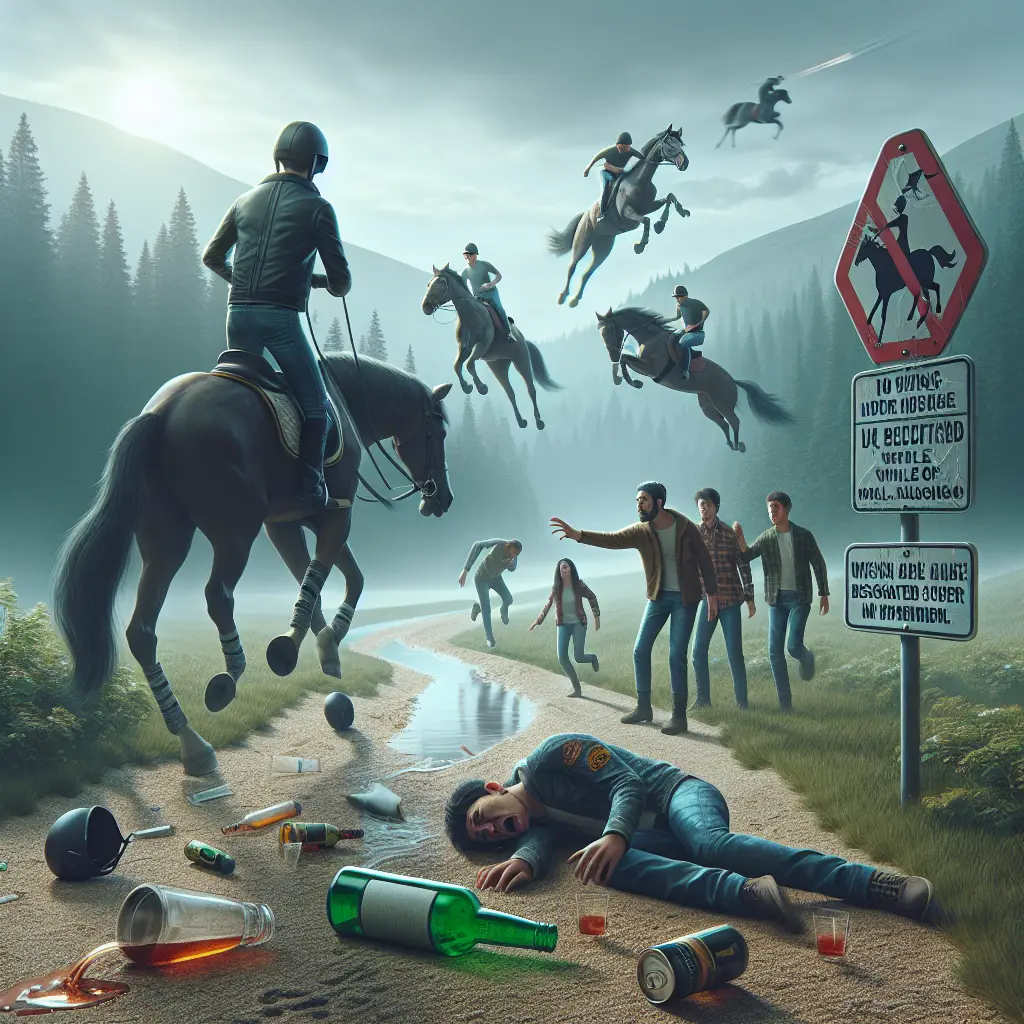
Non-fatal injuries persist as a critical concern. Facilities such as trauma centers report hundreds of equestrian-related treatments annually, many stemming from alcohol-related incidents. Head and spine traumas often equate to lifelong consequences, underscoring the importance of sobriety while riding.
Who Is Most at Risk?
Young and Inexperienced Riders
Young riders, particularly females with less experience, are statistically more prone to injuries. Alcohol only heightens their vulnerability—a stark reminder of the necessity for vigilance and education.
Casual and Recreational Riders
Most accidents occur outside the competitive arena, hinting that recreational riders are less cautious about safety measures such as wearing helmets or remaining alcohol-free. This oversight can lead to preventable mishaps.
Safety First: Evidence-Based Advice
Designate a Sober Rider
Planning on celebrating post-ride? Ensure one member of your group stays sober to handle unforeseen developments, as horses require steady guidance and emergency handling.
Invest in Protective Gear
Proper safety equipment, especially helmets, is critical. Studies indicate that less than 60% of riders wear helmets consistently, highlighting an opportunity to improve safety standards.
Educate and Share with Fellow Riders
Knowledge is power. Share these insights with fellow equestrians—spreading awareness correlates with prevention and reduced incident rates.
Debunking Common Myths
Myth: Experienced Riders Can Handle Alcohol
No one's immune. Alcohol’s effects—impaired judgment and slower reflexes—impact novice and experienced riders alike.
Myth: Trail Rides Aren't Dangerous
Contrary to this belief, trail rides are host to the majority of accidents. Horses can react unpredictably, and when alcohol impairs a rider's response time, the results can be disastrous.
Conclusion
Mixing alcohol with horseback riding is a risky proposition. Statistics show that a significant percentage of fatal incidents were associated with alcohol consumption, and head injuries, in particular, present lethal risk. Horseback riding commands respect and responsibility, and remaining sober is the surest way to protect yourself, your mount, and your fellow riders.
Ride safe, ride sober—prioritize your well-being on every adventure.