

Challenges and Solutions in Finding the Perfect DIY Livery for Horses
When it comes to caring for your horse, finding the right livery arrangement is crucial. For many horse owners, DIY (Do-It-Yourself) livery is an attractive option due to its cost-effectiveness and the opportunity to be heavily involved in the day-to-day care of their horses. However, this type of livery also comes with its own set of challenges. Here, we will explore these challenges and provide practical solutions to help you find the perfect DIY livery for your horse.
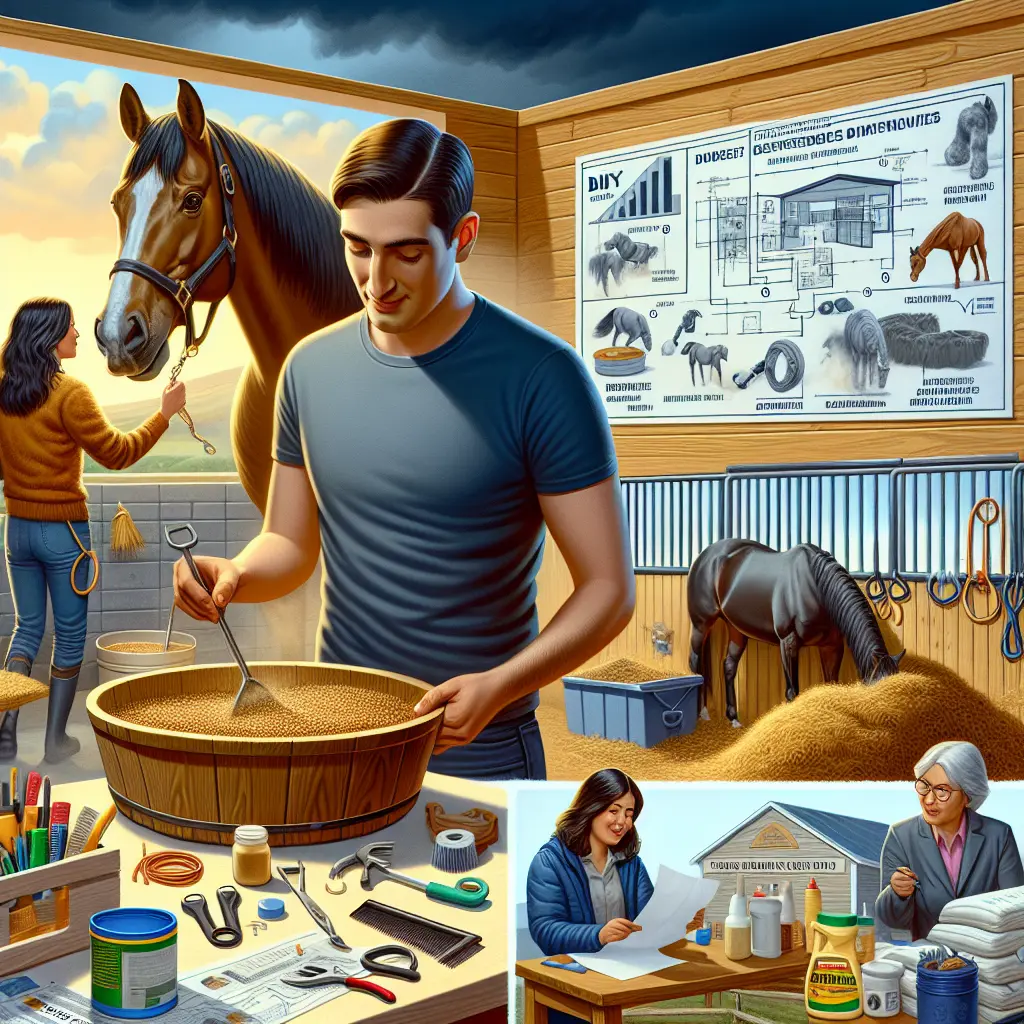
Understanding DIY Livery
DIY livery is the most basic and cost-effective type of livery, where the owner is responsible for all aspects of day-to-day horse care. This includes providing a stable, grazing, and managing all the necessary care tasks such as feeding, grooming, and health checks[2].
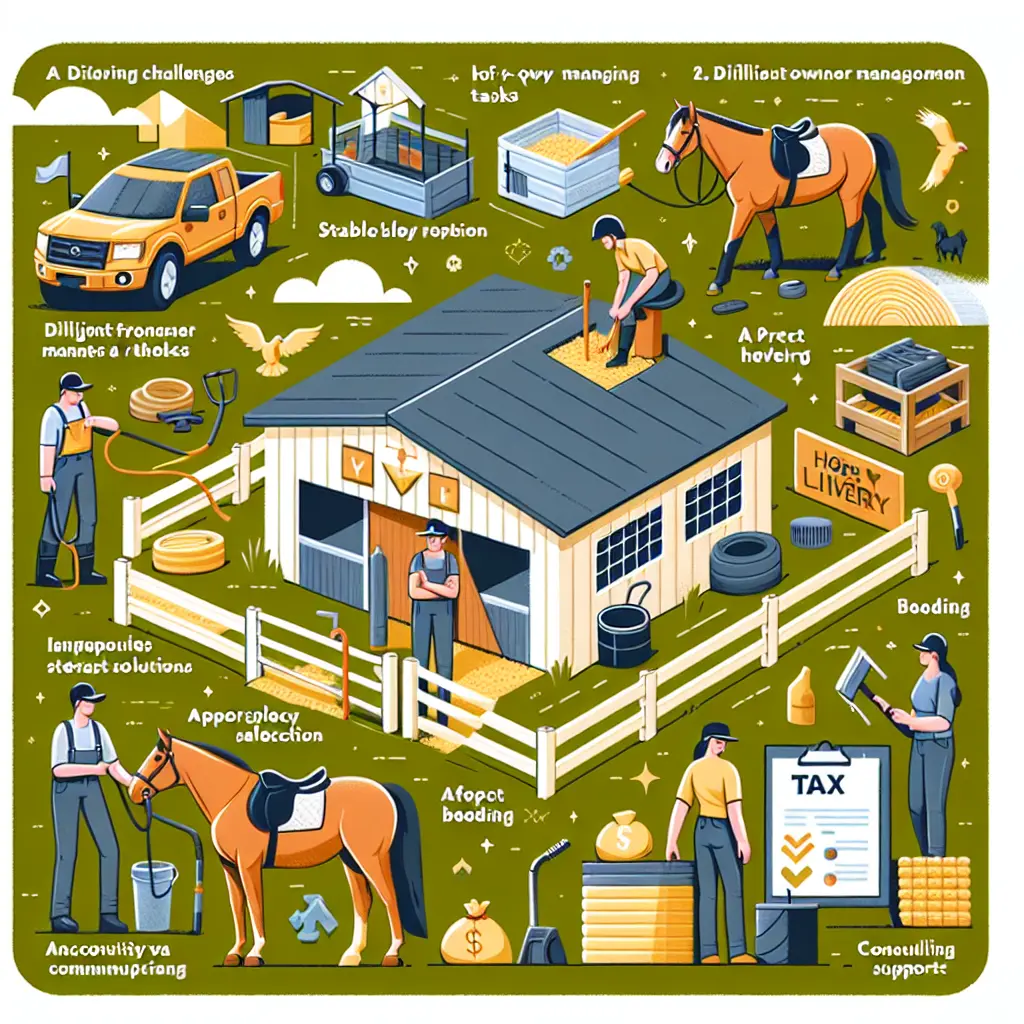
Challenges in DIY Livery
1. Responsibility and Time Commitment
One of the primary challenges of DIY livery is the significant time and effort required from the horse owner. This includes tasks such as "poo-picking" the fields, providing water, administering worming programs, and daily health and fitness checks of the horses[1].
Solution: To manage this time commitment effectively, it is essential to create a routine and possibly enlist the help of family or friends. Additionally, ensuring that the livery yard provides some basic services, such as pasture management and risk management, can help alleviate some of the burden.
2. Facility and Resource Availability
DIY livery yards may vary widely in the facilities and resources they offer. Some may provide minimalistic packages with just stabling and grazing, while others may offer more extensive facilities like a manège or horse walker[2].
Solution: When selecting a DIY livery yard, it is crucial to assess the available facilities and ensure they meet your horse's needs. For example, if your horse requires regular exercise, a yard with a manège or turnout facilities would be more suitable.
3. Bedding and Manure Management
Choosing the right bedding material and managing manure effectively are critical aspects of horse care. Different bedding materials have their pros and cons; for instance, wood shavings are more absorbent and less dusty than sawdust but can be more expensive and harder to dispose of[3].
Solution: Consider the specific needs of your horse when selecting bedding. For example, if your horse has respiratory issues, larger flake wood shavings or peat moss might be better options due to their lower dust content. Additionally, planning for efficient manure removal and disposal is essential to maintain a clean and healthy environment.
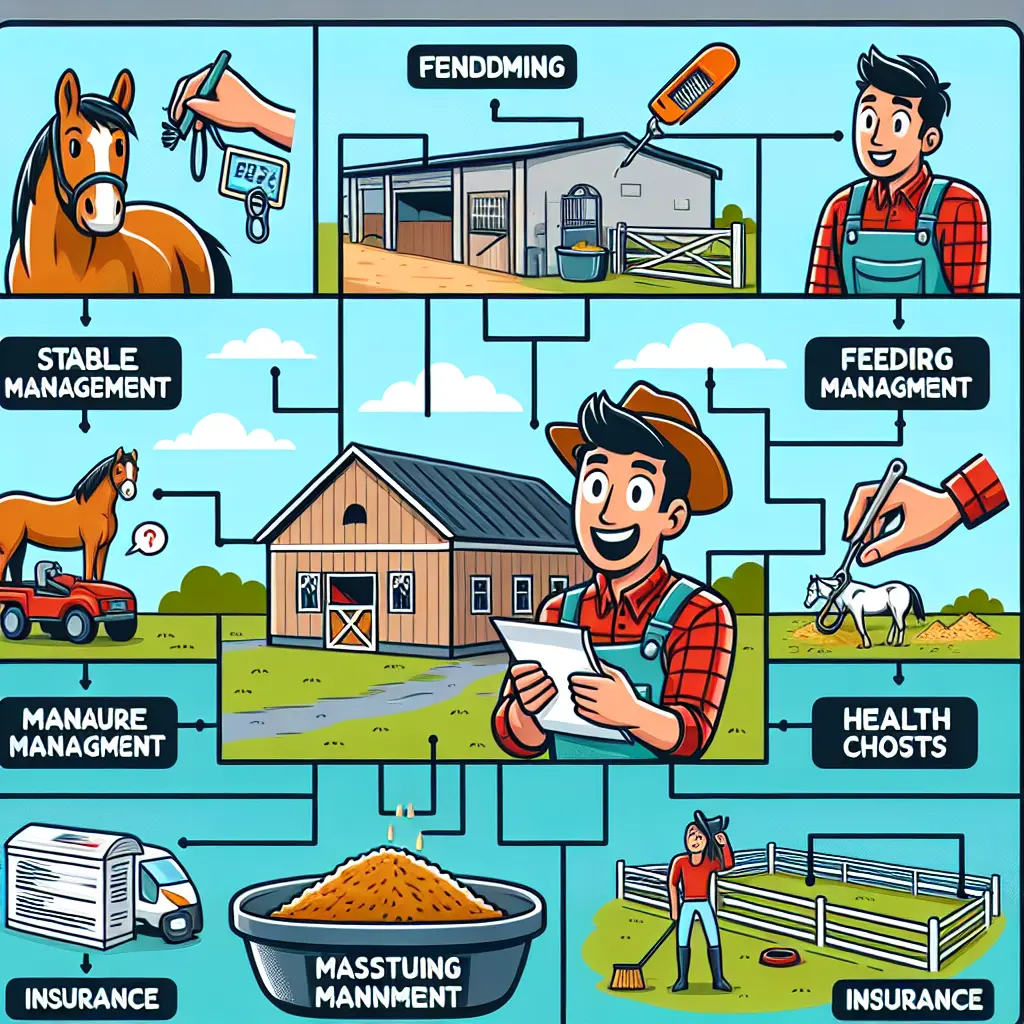
4. Insurance and Running Costs
Setting up or choosing a DIY livery yard involves considering various costs, including insurance, fencing and yard repairs, rates, and water bills. These costs can add up quickly and need to be factored into your budget[4].
Solution: Create a comprehensive business plan or budget that includes all running costs. Consulting with experienced professionals can provide valuable insights into managing these expenses effectively.
5. Legal and Tax Implications
DIY livery yards also have legal and tax implications that need to be considered. For instance, the services provided by the livery yard can affect its eligibility for Business Property Relief (BPR) and Agricultural Property Relief (APR)[1].
Solution: It is important to seek proactive advice from tax professionals to ensure that the services provided by the livery yard are structured in a way that maximizes tax relief.
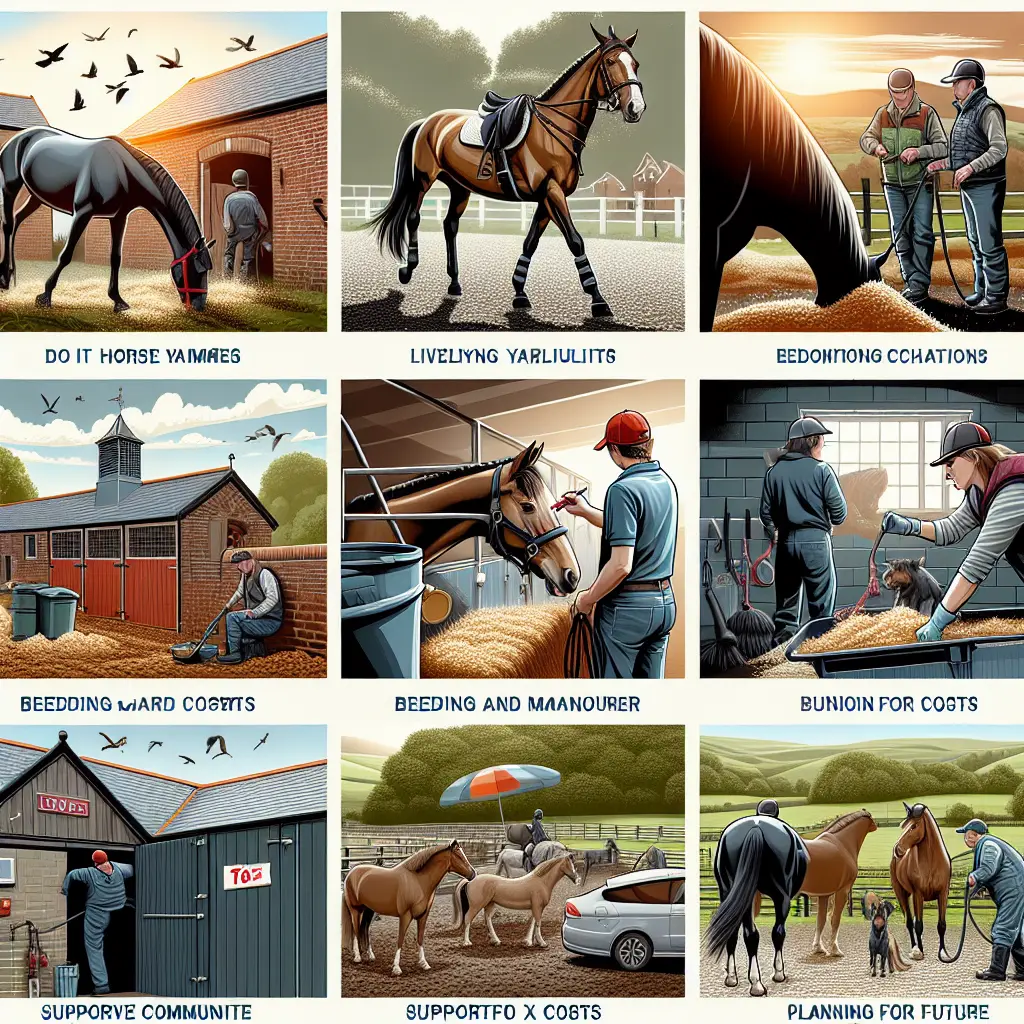
Solutions for Finding the Perfect DIY Livery
1. Assess Your Horse’s Needs
Before selecting a DIY livery yard, it is crucial to assess your horse’s specific needs. This includes considering the type of facilities required, the level of care needed, and any special requirements such as specific bedding or turnout arrangements.
2. Evaluate the Facilities
Visit potential livery yards to evaluate the facilities and resources available. Look for yards that offer the necessary amenities and ensure they are well-maintained.
3. Check Services and Support
While DIY livery means you are responsible for most care tasks, some yards may offer additional services or support. Look for yards that provide services like pasture management, risk management, and ad-hoc advice from experienced staff[1].
4. Consider the Community
The community at the livery yard can be a significant factor. A supportive and knowledgeable community can provide valuable advice and assistance when needed.
5. Plan for the Future
Ensure that the livery yard you choose has the potential for future development and can adapt to changing needs. This includes considering the land's development potential and any "hope value" it may hold[1].
Conclusion
Finding the perfect DIY livery for your horse involves careful consideration of several factors, including the level of responsibility and time commitment, facility and resource availability, bedding and manure management, insurance and running costs, and legal and tax implications. By understanding these challenges and implementing the suggested solutions, you can ensure that your horse receives the best possible care while also managing your own time and resources effectively.
For more detailed information on livery packages and what to expect, you can refer to resources like Horsemart's guide on livery packages. When it comes to specific aspects of horse care like bedding, Mad Barn's guide on horse bedding offers comprehensive insights into different materials and their benefits.