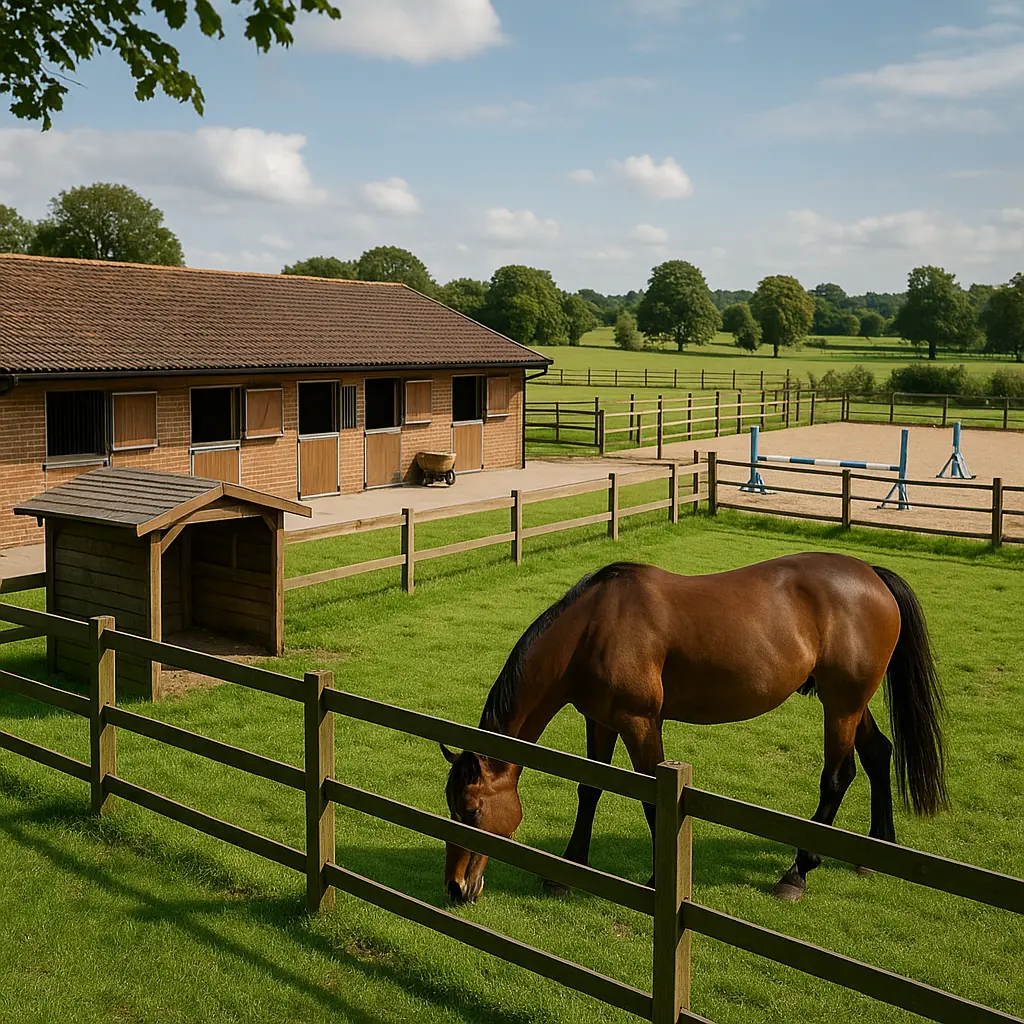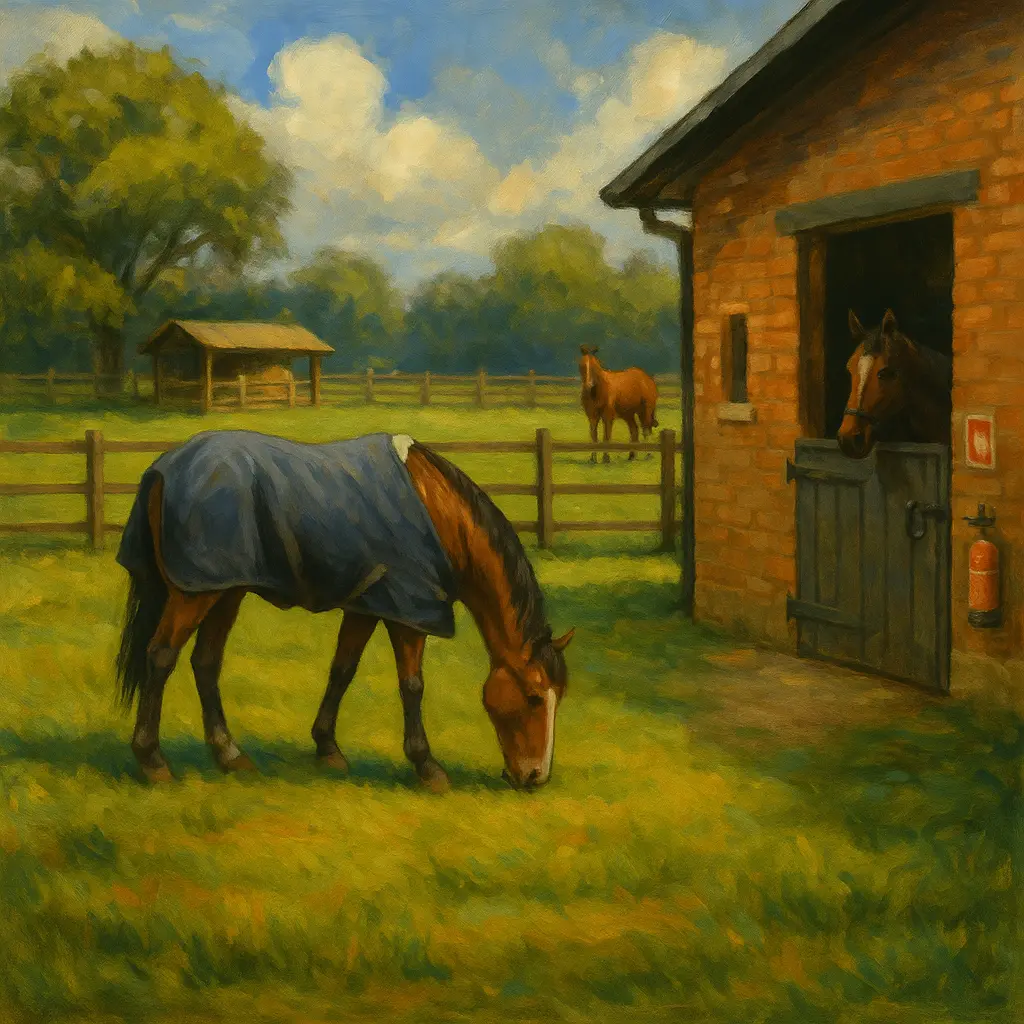
Your horse’s wellbeing hinges on daily details you can see, touch and test — especially if you want reliable, year‑round turnout in the UK. Here’s a practical, BHS‑aligned guide to choosing a Windsor‑area livery yard that keeps horses safe, healthy and happy through every season.
Key takeaway: A trustworthy yard offers all‑year turnout with safe fencing and drainage, hazard‑free stables with rubber matting and good lighting, clear health records and isolation plans, and visible licensing/BHS approval — with transparent costs that reflect the care provided.
What “year‑round turnout” really means under BHS standards
Year‑round turnout means horses can access paddocks in all seasons with suitable drainage, safe fencing (no barbed wire), planned gateway management to minimise winter mud, appropriate stocking ratios, and shelter from rain or heat.
The British Horse Society (BHS) sets clear expectations for Approved Livery Centres: grassland must be managed with water available, fencing must be safe and maintained, and turnout should be available all year with welfare‑led design. Permanent individual turnout paddocks should exist for horses that genuinely need solo time (e.g., medical reasons), but social turnout is the default for welfare.
“All boundary and divisional fencing should be safe, in a good state of repair and well maintained (does not include Barbed Wire). There is provision for permanent individual turnout paddock(s) for welfare reasons.” — British Horse Society, Approved Livery Centre Criteria
In practical terms, look for paddocks sized to avoid overstocking (which churns gateways to deep mud), well‑sited feed/water points away from poaching hotspots, and either natural hedging/trees or field shelters to break wind and shed rain. In summer, the same shelters provide shade to reduce heat stress.
Quick tip: Ask the yard how they rotate fields through winter, which gateways get reinforcement (e.g., hardstanding), and how they handle emergency closures during prolonged wet spells.
How to assess stables and facilities in winter
The safest stables are hazard‑free, fully rubber‑matted, dry, well‑lit for dark evenings, and fitted with secure doors at suitable height/width — with visible fire procedures and hygienic, vermin‑controlled feed storage.
BHS‑approved centres must provide secure fixtures and fittings, no sharp projections, no leaks, and adequate lighting so you can examine legs, eyes and hooves even at 5pm in December. Rubber matting should cover the floor to reduce slip and concussion injuries, and to make deep cleans effective. Feed and forage should be protected from vermin; tack rooms should lock securely; and toilets/handwashing areas must be clean and accessible for daily use.
At Just Horse Riders, we recommend building your own stable‑side care routine so you can spot changes early. A simple way to systematise daily checks is to keep a small caddy with essentials from our grooming collection — hoof pick, soft brush for mud removal, weight tape, and a skin/coat brush for quick body condition assessments in good light.
Pro tip: Stand in the stable during a heavy shower — if you can hear or see drips, or you feel draughts through gaps at horse height, raise it immediately. Leaks and draughts increase the risk of chills and respiratory irritation in winter.
Turnout paddocks that work in UK weather
Well‑designed turnout in the UK needs safe, well‑maintained fencing without barbed wire, reliable drainage, reinforced gateways, natural or provided shelters, and water in all weathers — with stocking ratios that protect grass and horses.
BHS guidance is clear that paddocks and grassland must be maintained for welfare, including plant control (no ragwort or toxic weeds), safe boundaries, and access to shelter in extreme rain or heat.
“Horses should have access to natural shelter appropriate to any seasonal conditions whether extreme heat or rain... Paddocks/turnout area to be relevant to the requirement e.g. allowing safe stocking ratios for either grazing or turn‑out.” — British Horse Society, Livery Centre Criteria
Ask to see the mud‑management plan: which fields are sacrificial in winter, how gateways are protected, how often droppings are lifted, and what the protocol is after prolonged rain or frost. Confirm that water points won’t freeze unnoticed and that shelters are safe, well‑sited and free from protrusions.
For horses living out in wet, windy months, the right rug is protection as much as a comfort choice. Most owners in the UK will rotate weights through autumn–winter; build a flexible wardrobe from our winter turnout rugs to match condition and temperature swings, and consider robust options from WeatherBeeta for reliability in heavy rain.
Quick tip: Mud fever is easier to prevent than cure. Use turnout strategically, keep feathers clean and dry, and consider protective support on heavy days; our horse boots and turnout‑friendly bandages can help protect legs from knocks and grit.
Licensing and approvals: how to check a yard is compliant
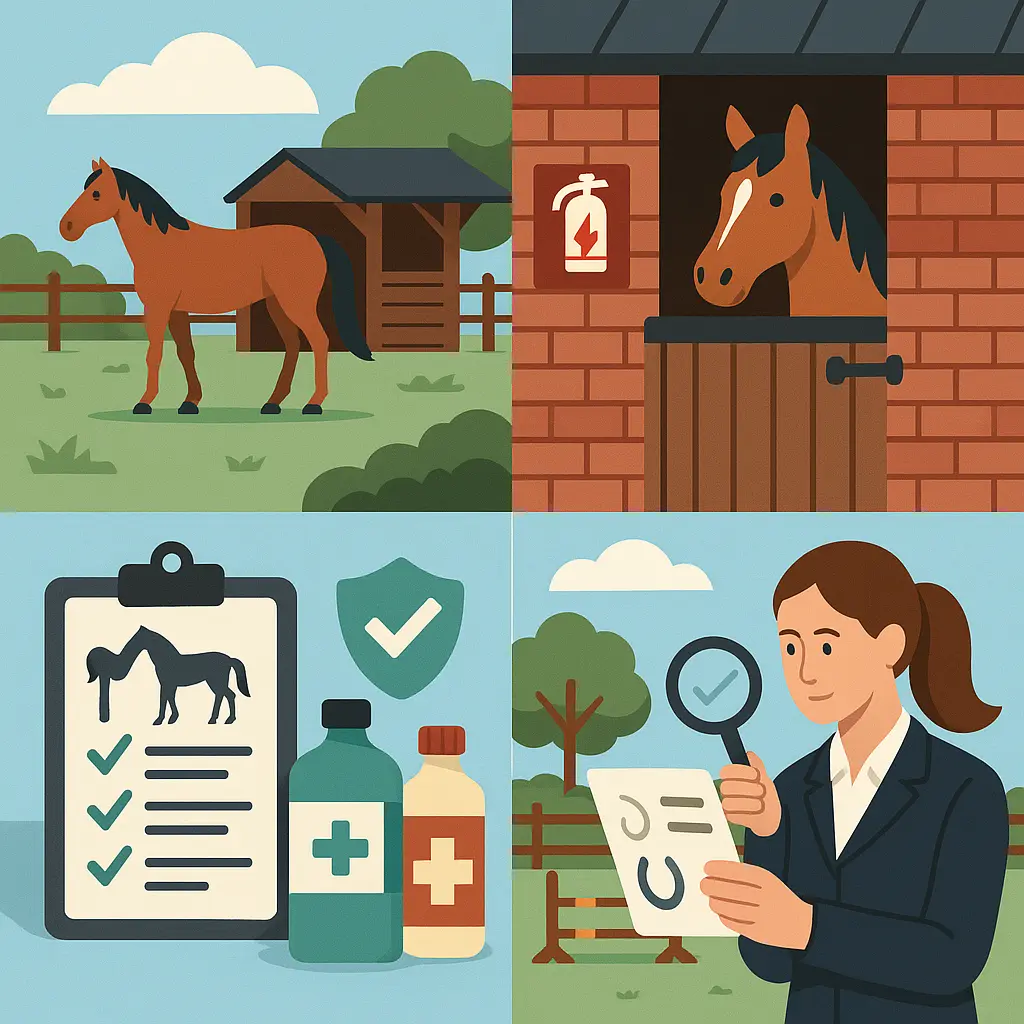
In Windsor, you should confirm the yard’s licence with the Royal Borough of Windsor & Maidenhead (RBWM), look for BHS Approval, and always verify public liability insurance and written contracts before committing.
Local authorities license riding establishments to ensure structure, safety, security and disease control standards are met. RBWM advises owners to check the current licence and understand that inspections aim to protect welfare and public safety.
“Ensure minimum standards of welfare for animals. Prevent the spread of disease. Ensure the safety of the public visiting these premises... Check they are licensed by the council, and ask to see the current licence.” — RBWM Animal Welfare Licensing Guidance
Not every livery yard needs a riding establishment licence if they do not hire horses for riding, but all must meet general animal welfare laws (e.g., Animal Welfare Act). BHS Approval is voluntary yet valuable, signalling audited standards across turnout, stabling, grassland, and management procedures. In Windsor, riding establishments like Fifield Polo Club are licensed for specific horse numbers and inspected annually.
What to ask for:
- Copy of current council licence (if applicable) and insurance certificate
- Confirmation of BHS Approval status (and date of last inspection)
- Written livery contract detailing responsibilities (turnout, feed, bedding, exercise, emergency protocols)
- Clear isolation procedure and biosecurity plan
Pro tip: Cross‑check the yard name and address on RBWM’s records and ask how many horses they are licensed to keep versus current occupancy.
Health management: records, isolation and daily care you should expect
A good yard keeps individual weight and condition records, enforces vaccination compliance (flu/tetanus), maintains documented isolation procedures, and offers reliable farrier and vet access.
BHS‑approved yards must evidence structured horse care: routine body condition and weight monitoring, up‑to‑date vaccination schedules, and written isolation protocols for new arrivals or suspected illness. Feed and forage storage must be secure and vermin‑controlled to protect quality; worming strategies should be agreed with your vet, and turnout groupings should consider age, temperament and diet.
At Just Horse Riders, we recommend keeping a simple yard‑friendly log with monthly heart girth/weight tape readings, a photo on the first week of each month in consistent lighting, and quick notes on coat, hooves and gait. A compact kit from our grooming range makes those checks frictionless. If your horse needs dietary support, explore targeted options in our supplements collection and discuss choices with your vet for an integrated plan.
Quick tip: Ask the yard to show you their isolation stable/area and the written SOP. You’re looking for clear signage, separate equipment, and defined re‑introduction timelines after illness or new arrivals.
Hacking and arenas: safety checks before you ride
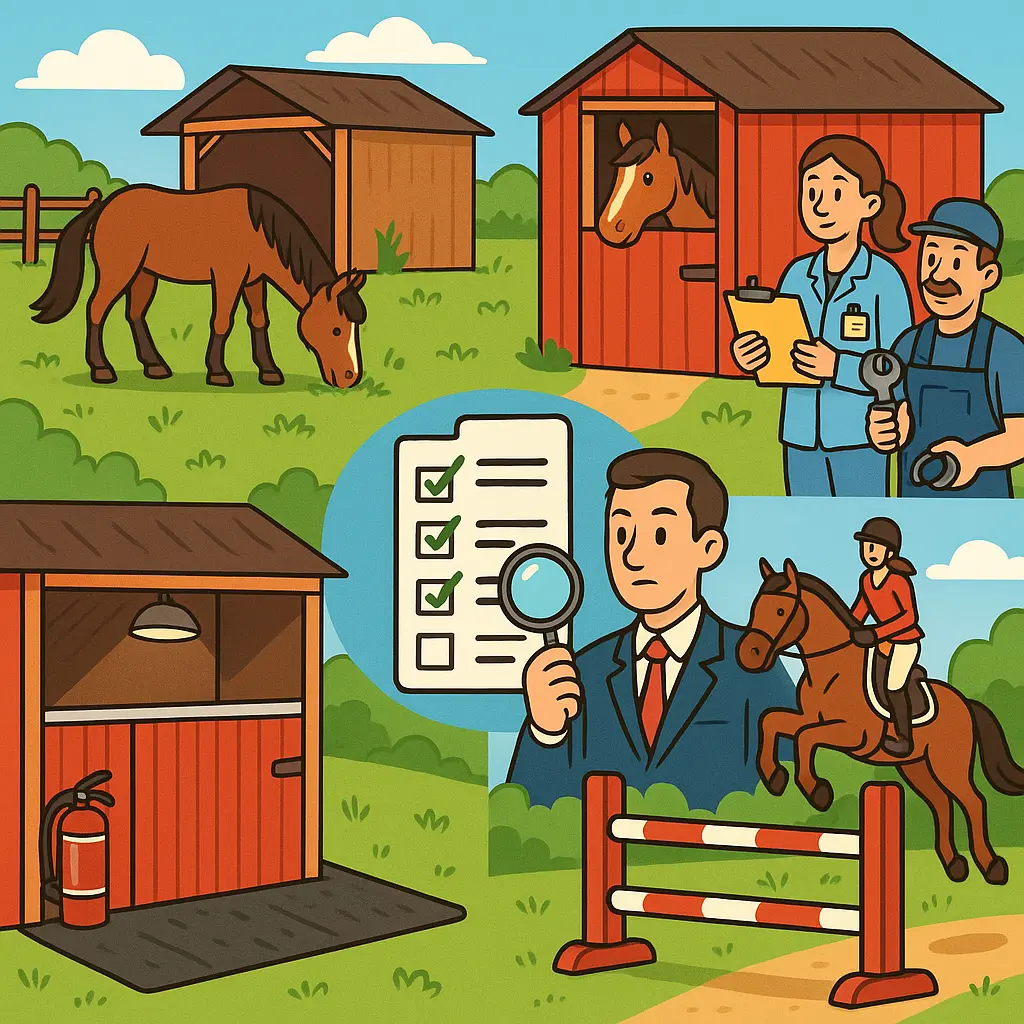
Choose yards with safe off‑road hacking where possible, well‑lit arenas free from protrusions, and jumps fitted with safety cups — and wear hi‑viz and a certified helmet for every hack.
In the Windsor area, some BHS‑approved yards offer premium access to Windsor Great Park and illuminated schools for evening riding. When you tour, look for smooth arena surfaces with good drainage, boards without snags, and correctly installed jump wings/cups. If facilities are shared, check the booking system and etiquette to avoid crowding.
Your own safety kit matters as much as the yard’s: pick up bright, weather‑proof options from our hi‑viz rider collection and upgrade your head protection if your hat is past its lifespan or has had an impact — see our curated riding helmets and hats for current standards.
Pro tip: Even with park access, confirm how you reach the bridleways — is there a quiet lane or a busy junction? Walk it once on foot to map any blind bends or pinch points.
What it really costs near Windsor (and what you get)
Full livery near Windsor typically runs £1,450–£1,550 per month for ponies (14.2hh or less) and horses, with a £100 surcharge for horses over 16.3hh; packages often include multiple summer paddocks, illuminated arenas, and premium hacking access.
Berkshire Riding Centre (BHS‑approved) illustrates what’s included at the higher end: seven summer paddocks to support rotation, floodlit schools for year‑round training, and direct access to Windsor Great Park. Costs vary with horse size and specific services, but transparency is non‑negotiable — ask for a written breakdown of what’s standard (feed, bedding, turnout frequency, rug changes, exercise) versus what’s chargeable (grooming, clipping, vet holding, farrier handling).
Value checklist:
- Turnout assurance through winter with drainage and gateway planning
- Lighting in stables and arenas sufficient for dark afternoons
- Robust biosecurity and documented care procedures
- Safe hacking access and maintained training spaces
- Clear communication and emergency cover
Quick tip: Build a seasonal budget. Alongside livery, plan for rugs, farriery, supplements and safety kit. Our customers often find that investing early in durable turnout (e.g., from WeatherBeeta) reduces mid‑winter replacements.
Your on‑the‑day yard visit checklist
Use a structured checklist covering stables, turnout, health protocols, hacking, and paperwork so you can decide confidently after a single visit.
Walk the yard with this framework:
- Stables and hygiene: Rubber matting covers floors; no leaks or sharp edges; excellent lighting; clean, stocked handwashing; vermin‑controlled feed room; secure tack storage
- Turnout and fields: No barbed wire; fencing sound and tensioned; water in all paddocks; shelters or natural shade; visible drainage runs; reinforced gateways; weed/poison plant control
- Care systems: Weight/condition records shown on request; vaccination records up to date; isolation area and SOP; routine farrier and vet visits scheduled and documented
- Facilities and riding: Arenas drained and level; safety cups on jumps; illuminated schools; safe route to hacking; arena booking system clear
- Paperwork and protection: BHS Approval displayed; council licence (if applicable) visible; public liability insurance current; written livery contract provided
- Horse welfare cues: Calm routines; consistent turnout groups; safe stocking ratios; staff interaction confident and kind
- Your kit readiness: If you plan to hack from day one, check your hat and add visibility — browse our current riding helmets and hi‑viz essentials. For daily leg care, consider our horse boots and bandages.
Pro tip: Visit at turn‑out or bring‑in time. You’ll see real‑world handling, group dynamics, gateway management, and staff ratios in action.
FAQs
How do I spot a substandard yard for year‑round turnout?
Look for unsafe fencing (especially any barbed wire), standing water or severe mud at gateways without reinforcement, no shelter from rain/heat, poor weed control, and overstocked fields. These all breach BHS welfare expectations for safe, year‑round turnout.
How can I confirm a Windsor yard is legally compliant?
Check the yard’s entry on the Royal Borough of Windsor & Maidenhead’s animal welfare licensing pages, ask to see the current licence and public liability insurance, and confirm any BHS Approval. Licensed riding establishments are inspected annually for welfare, safety and disease control.
Are horses allowed solo turnout in UK livery yards?
Solo turnout should be the exception, not the rule. BHS guidance prioritises social turnout for welfare, with permanent individual paddocks available only where medically or behaviourally necessary and documented.
What facilities support great hacking near Windsor?
Direct access to Windsor Great Park is a premium benefit. Also look for floodlit arenas for evening schooling, safe arena equipment (safety cups, no protrusions), and quiet routes from yard to bridleways. Boost your safety with hi‑viz gear and a certified riding helmet.
What health records should a trusted yard keep?
Individual weight and body condition records, vaccination status (flu/tetanus), worming strategy, farrier/vet visit logs, and a written isolation procedure for new arrivals or suspected illness — all aligned with BHS expectations.
What does full livery cost near Windsor?
Expect around £1,450 per month for ponies (14.2hh or less) and £1,550 per month for horses, with a £100 surcharge over 16.3hh in some BHS‑approved centres. Confirm exactly what’s included in writing.
What kit should I prioritise for winter at a new yard?
Weather‑appropriate turnout rugs, daily care tools from our grooming collection, leg protection via boots/bandages, and targeted supplements as advised by your vet. Durable brands like WeatherBeeta perform well through wet, windy months.