

How to Manage a Pony with COPD and Cushing’s During the Winter Months
Winter is upon us, bringing unique challenges for ponies dealing with COPD (Chronic Obstructive Pulmonary Disease) and Cushing’s disease. Both conditions demand careful management to ensure your equine friend remains comfortable and healthy throughout the chilly months. To navigate these colder times, let us explore expert insights and practical strategies that align with veterinary guidelines.
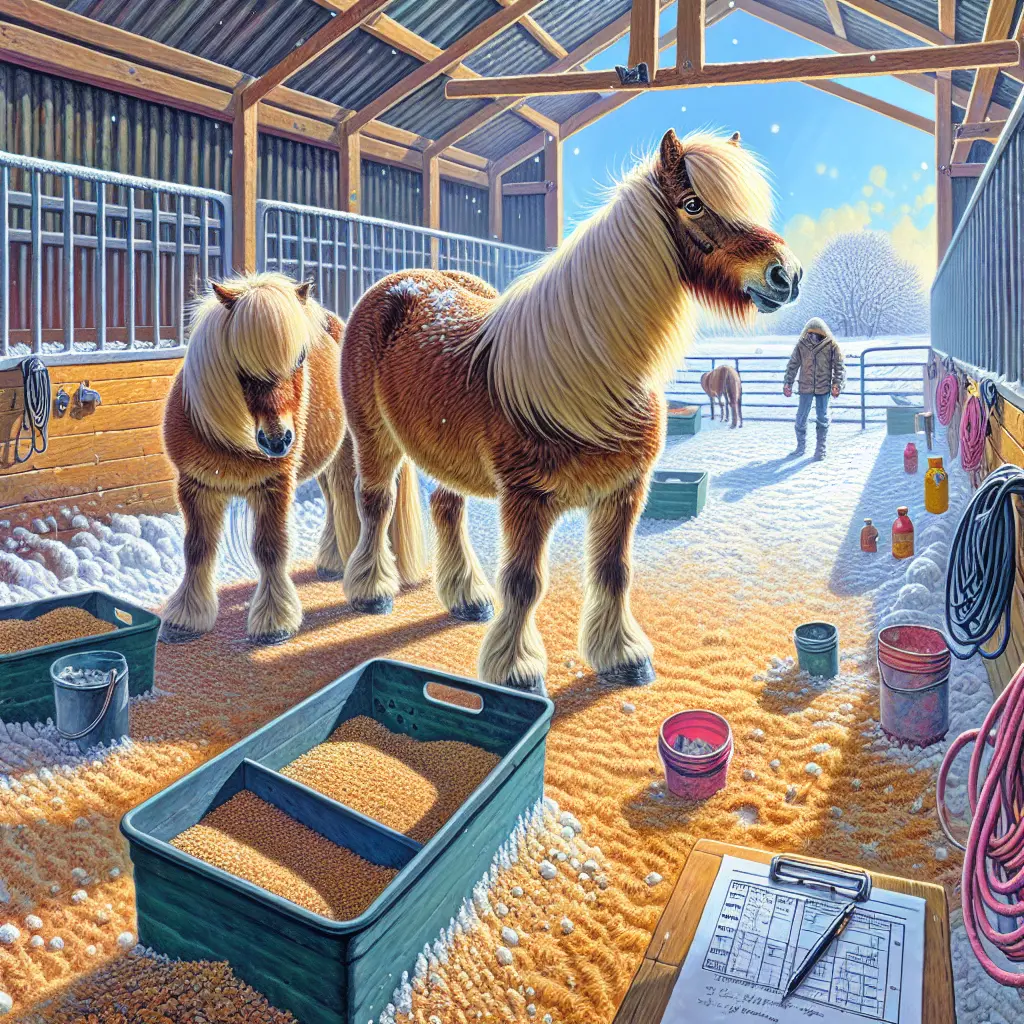
Understanding COPD and Cushing’s Disease
What is COPD?
COPD, also known as recurrent airway obstruction (RAO), is a chronic respiratory condition primarily caused by allergies to dust, mould spores, and pollen. These allergens trigger airway inflammation, leading to coughing, nasal discharge, and breathing difficulties. The condition may worsen during winter when ponies spend more time indoors amidst hay and bedding dust [1, 2].
What is Cushing’s Disease?
Cushing’s disease, or PPID (Pituitary Pars Intermedia Dysfunction), is a common hormonal disorder in older ponies. Symptoms include a long, shaggy coat, abnormal fat deposits, frequent infections, and laminitis. Although incurable, managing it with medication and appropriate care can significantly enhance a pony’s quality of life [4, 5].
Key Winter Challenges for Ponies
- Increased Stable Time: The confinement in stables exposes ponies to stable dust and allergens, exacerbating COPD.
- Cold and Dampness: Such conditions may worsen respiratory and metabolic symptoms.
- Reduced Exercise: Limited physical activity can adversely affect ponies with both conditions, who require consistent, gentle exercise.
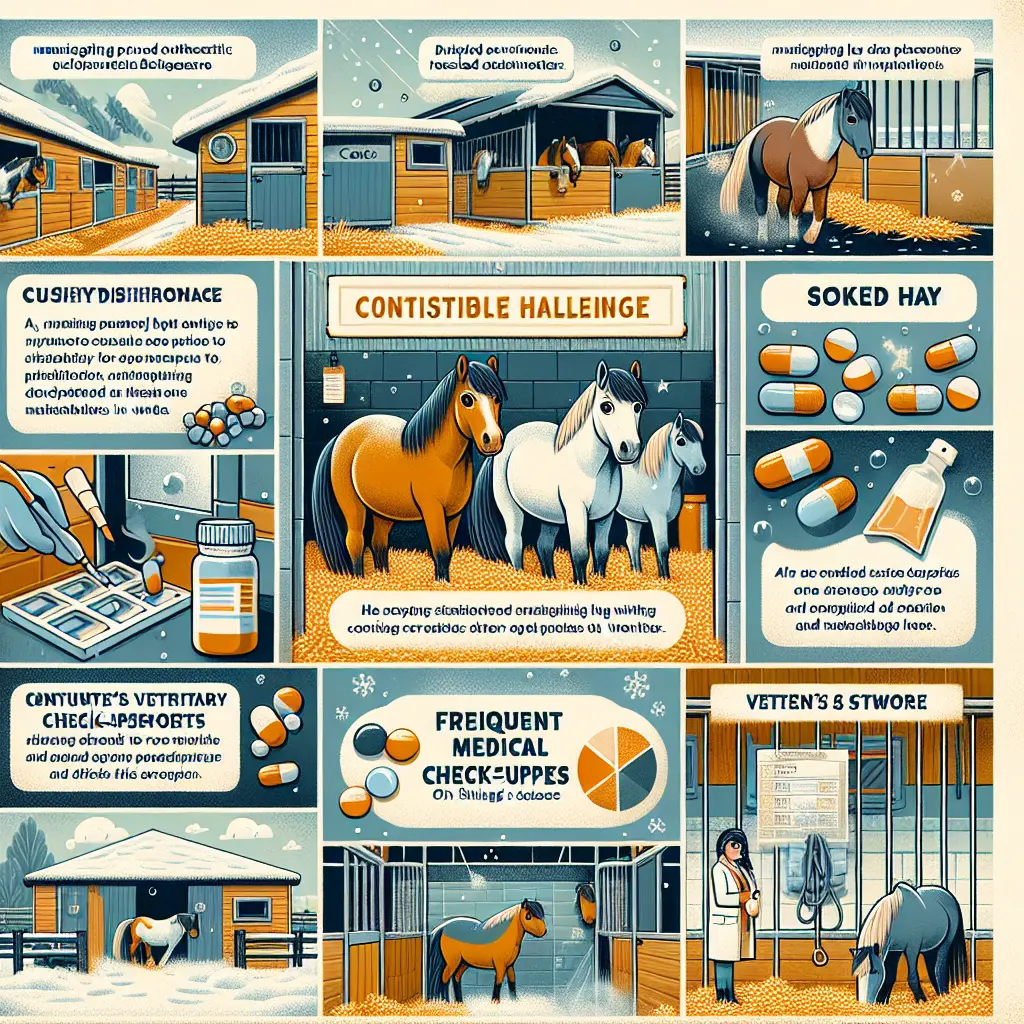
Winter Management Strategies
Optimize Air Quality and Stable Environment
Maximize ventilation: Ensure that your stables are well-ventilated without causing drafts. Regularly remove cobwebs and accumulated dust, as these can indicate poor airflow. This step is crucial in preventing respiratory issues [2].
Use low-dust bedding: Instead of straw, which harbors dust and mould, opt for dust-free shavings or shredded paper on rubber matting to keep the environment allergen-free [1, 2].
Feed low-allergen forage: Haylage is preferable as it has fewer allergens than hay. If hay is unavoidable, soak it in water for 20 minutes before feeding to minimize dust content [1, 2].
Maintain Consistent, Gentle Exercise
Ensuring regular turnout is ideal for keeping ponies active. If limited by weather, focus on hand-walking or indoor exercise to aid lung function and maintain metabolic balance [4, 5]. Remember, a well-fitted set of Stable Rugs can keep your pony cozy during winter outings.
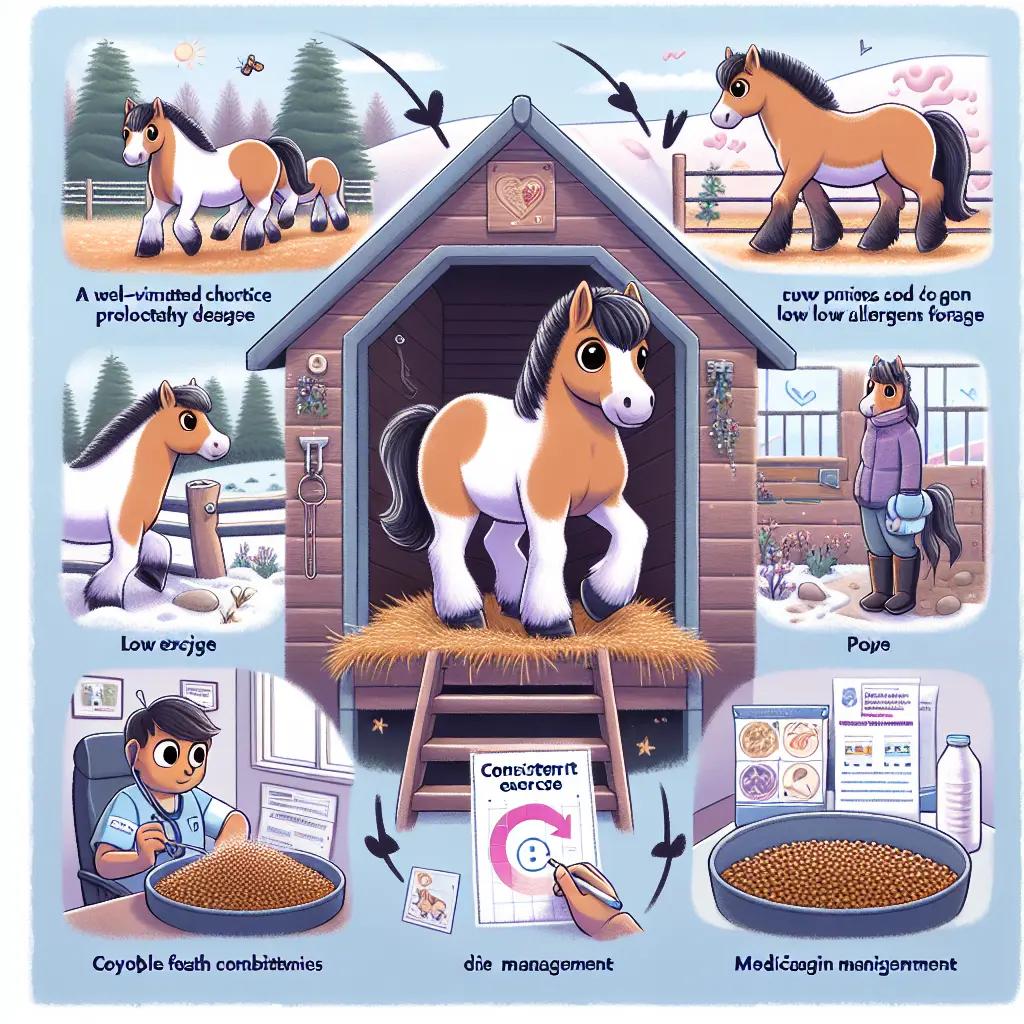
Manage Diet for Cushing’s and Weight Control
Provide a diet low in soluble carbohydrates to manage insulin resistance associated with Cushing’s and metabolic conditions. Collaboration with a vet or equine nutritionist is key for a tailored diet[4, 5]. Additionally, using medications like Prascend can help manage symptoms effectively [5].
Health Monitoring and Veterinary Care
Regular veterinary check-ups are crucial. Pay attention to any signs of respiratory distress, like increased coughing or effort in breathing, and symptoms associated with Cushing's, such as poor coat shedding and infection frequency [1, 3]. Ensure your vet is promptly informed and treatments adjusted accordingly.
Veterinary Treatments
For severe COPD cases, your vet may prescribe steroids and bronchodilators to reduce airway inflammation and help manage mucus viscosity[2]. Consistent medication for Cushing’s, alongside these interventions, can slow disease progression and stabilize clinical signs [5].
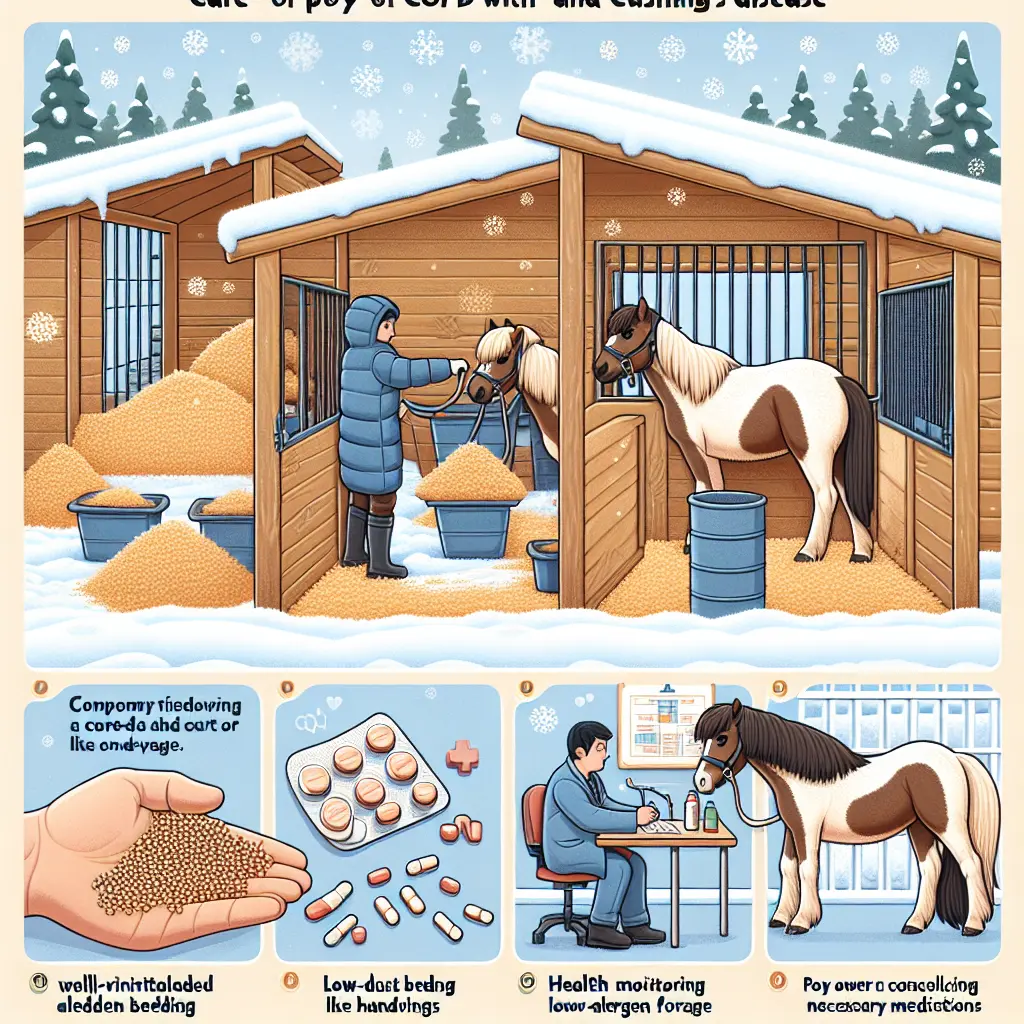
Tools and Support for Horse Riders
Equip yourself with high-quality Jodhpurs and Riding Boots to stay comfortable during those cold stable visits. Don't forget a pair of Riding Gloves and Horse Riding Socks to keep your extremities warm.
Conclusion
Managing a pony with COPD and Cushing’s during winter requires diligence, comprehensive care, and a proactive approach to their environment and healthcare. Enhancing air quality, ensuring proper nutrition, and maintaining gentle exercise routines while closely collaborating with your vet can significantly improve their well-being. By following these guidelines, pony parents can make the winter months a breeze.
For more equine expertise and top-quality gear, visit the Just Horse Riders website, where you'll find a selection of unbeatable products for you and your precious hoofed friend.