

Mastering Horse Clipping: Tips for Achieving Symmetrical 'Irish' and 'Blanket' Clips
Horse clipping is an essential facet of equine care, providing comfort and efficiency during exercise, especially in cooler months. Two styles predominantly used by equestrians are the Irish Clip and the Blanket Clip. Understanding how to execute these clips symmetrically is crucial for both aesthetic purposes and the horse's well-being. In this guide, we will explore each technique with detail and precision.
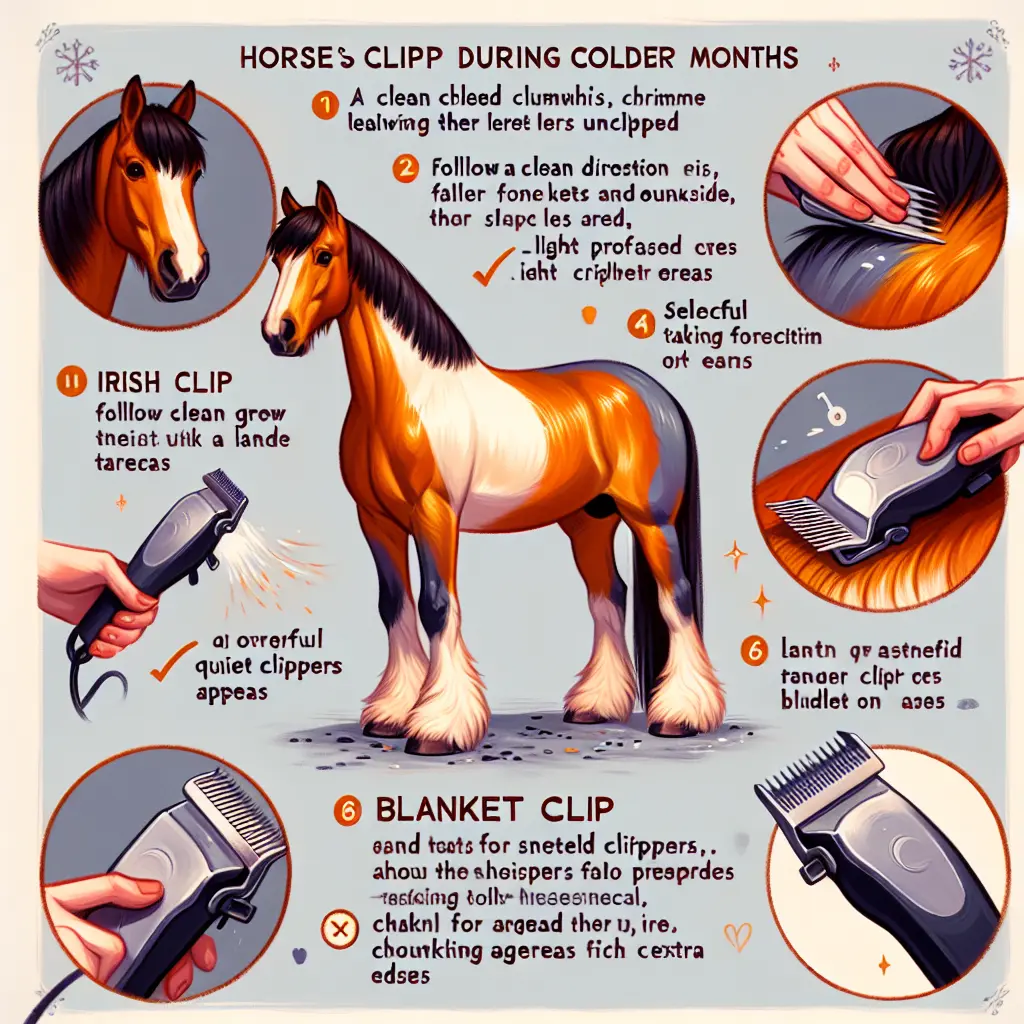
Understanding the Clips
Irish Clip
The Irish Clip style involves clipping the horse's body while leaving the legs and underside unclipped. This method is ideal for horses that engage in intense activities, needing to keep their legs warm yet stay cool during exercise. With its ease of maintenance and comfort-focused approach, it's a popular choice among horse owners.
Blanket Clip
The Blanket Clip style leaves larger areas of the horse unclipped, such as the back and belly, mimicking the warmth of a blanket. This is perfect for providing warmth while allowing areas prone to overheating during activity to stay cooler.
Preparation for Clipping
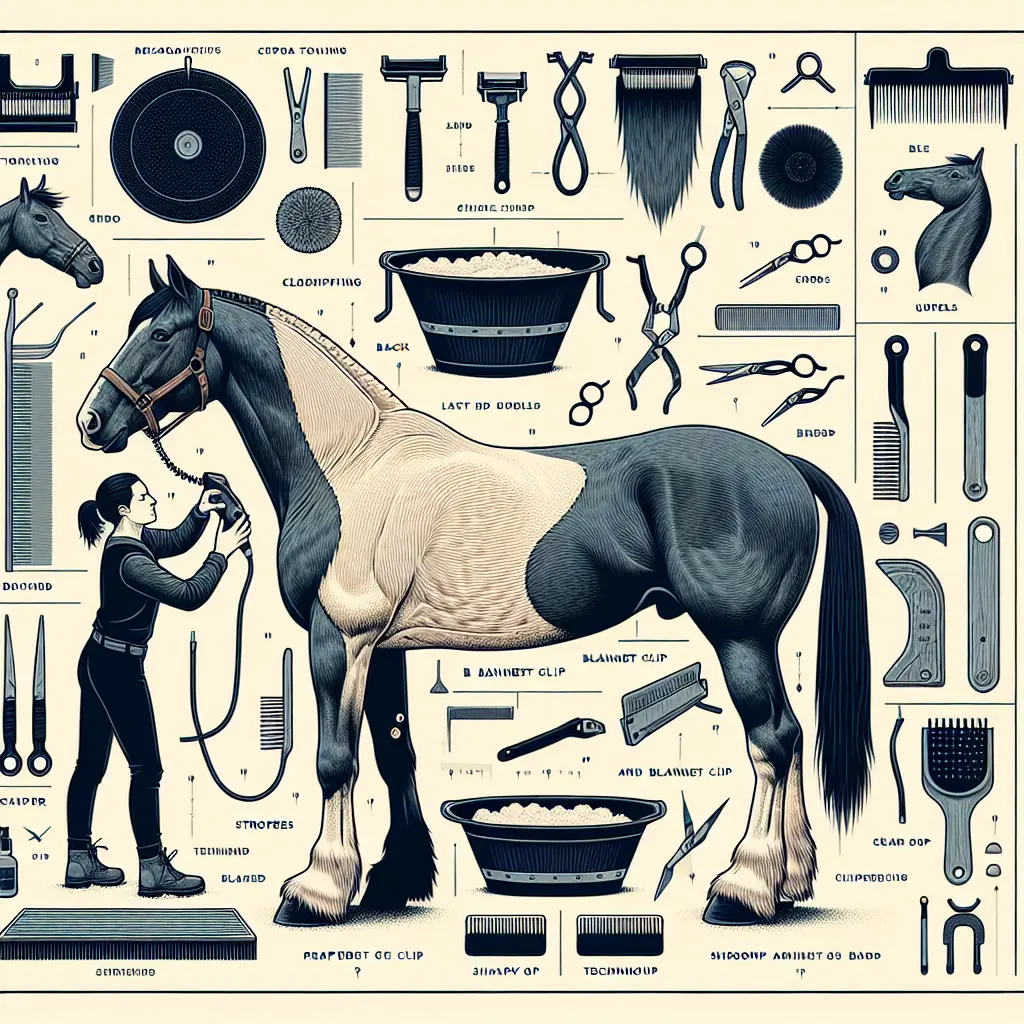
Preparation is key in achieving a perfect clip. Here are foundational steps every horse rider should follow:
- Bathing and Brushing: A clean horse is easier and safer to clip. Bathing the horse removes dirt that could dull clipper blades.
- Sharpen and Clean Clippers: Using sharp, clean clippers prevents overheating and ensures smoother cuts. Dull blades lead to discomfort and uneven results.
- Choose the Right Clippers: Clippers vary based on thickness and area of use, so select one that fits your needs. For finicky areas, quieter clippers help reduce stress for both the horse and the rider.
Clipping Techniques
Essential Tips for Clipping
To achieve professional results, consider these essential clipping techniques:
- Maintain a Steady Hand: A steady hand ensures uniform pressure, reducing discomfort and ensuring an even clip.
- Follow Hair Growth: Clipping in the direction of hair growth minimizes irritation. For a closer cut, reversing direction is possible, but caution is required.
- Overlap Strokes: Overlapping each stroke by 20% prevents patchiness, ensuring a smooth finish.
- Use Light Pressure: Letting clippers glide with light pressure ensures they handle most of the work efficiently.
- Take Breaks: Regular breaks alleviate fatigue for both horse and rider.
- Check for Heat: Frequent checks on the clipper's heat levels prevent overheating, applying clipper oil as necessary.
- Blend Edges: Using medium blades helps blend clipped areas with unclipped ones, creating a natural transition.
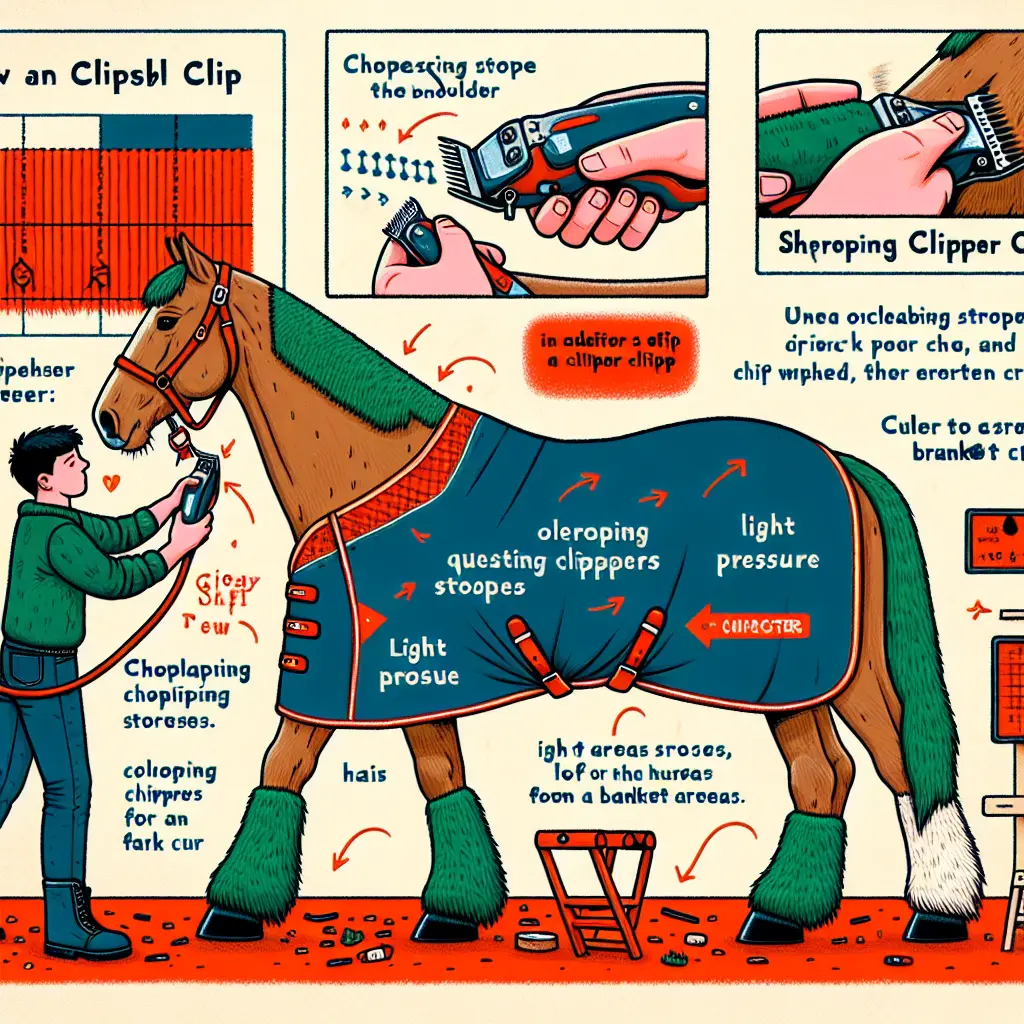
Specific Clipping Techniques
Irish Clip
Begin by clipping from the shoulder and using a grid-like pattern to ensure even clipping. Be extra cautious around sensitive regions such as the elbows and throatlatch [source].
Blanket Clip
Start from the lowest parts and work upwards, ensuring to maintain the larger, blanket-like unclipped areas. Use similar techniques to uphold symmetry throughout the process.
Mastering Sensitive Areas
Clipping around a horse's sensitive areas demands precision:
Face and Muzzle
Remove the halter for comfort and ease. Clip beneath the chin first, working toward the muzzle without cutting whiskers.
Mane and Tail
Position clippers perpendicular to the neck to avoid creating lines. For the tail, clip a triangular shape at the base for a tidy appearance [source].
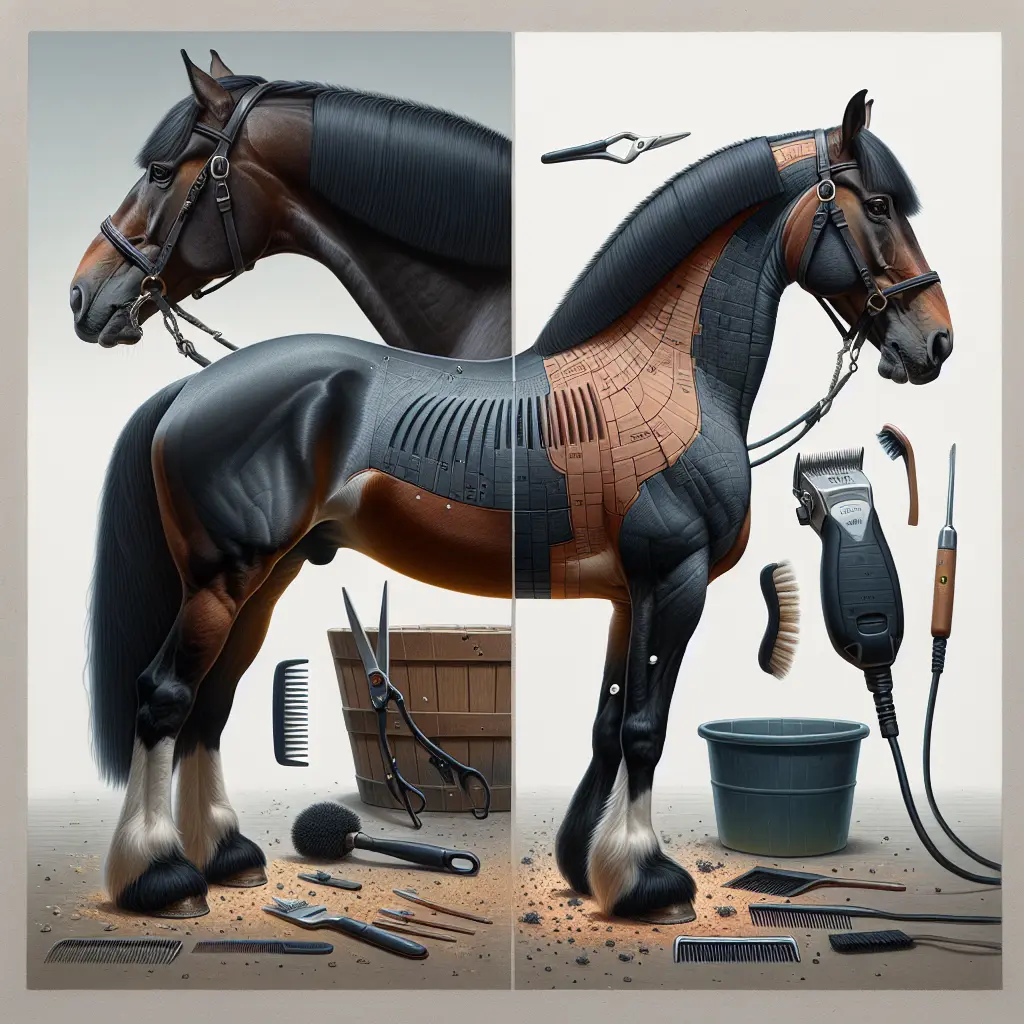
Troubleshooting Common Issues
Even seasoned enthusiasts encounter common clipping issues:
Clipper Lines
Lines can result from dull blades or inconsistent pressure. To fix, re-clip over the lines using an X pattern [source].
Overheating
Monitor clipper heat and employ clipper oil for cooling purposes.
Conclusion
In conclusion, achieving symmetrical Irish and Blanket Clips requires both practice and patience. With the correct preparation, techniques, and tools, horse owners can ensure a professional finish that leaves the animal comfortable and facilitates better performance during exercise. For those looking to improve various aspects of horse care, exploring high-quality products like the Everyday Horse Vitamins & Supplements can also be beneficial. Happy clipping and happy riding!