
Horse Health
Care that keeps them sound.
Supplements, first aid and everyday health kit - ready before you need it.
Horse health covers the everyday kit you keep in the yard cupboard so small problems stay small: barrier and skin creams for wet, muddy legs, antiseptic and wound creams for minor nicks and scrapes, soothing gels for sore or sun-exposed skin, fly and bite deterrent sprays, a digital thermometer for checking temperature, and a medicine record book for logging what you gave and when. None of it replaces your vet — it is what you reach for before the vet arrives, and what you use to keep on top of the routine stuff in between.
In a hurry?
- Wet, muddy fields: a barrier cream or salve on clean, dry legs before turnout.
- Minor cut or graze: clean first, then an antiseptic or wound cream — call the vet for anything deep, dirty or near a joint.
- Sore, flaky or sun-exposed skin: a soothing gel or relief cream, and shade or a mask for pink noses.
- Flies and midges: a deterrent spray, reapplied after rain or a wash.
- Every yard needs: a digital thermometer and a written medicine record.
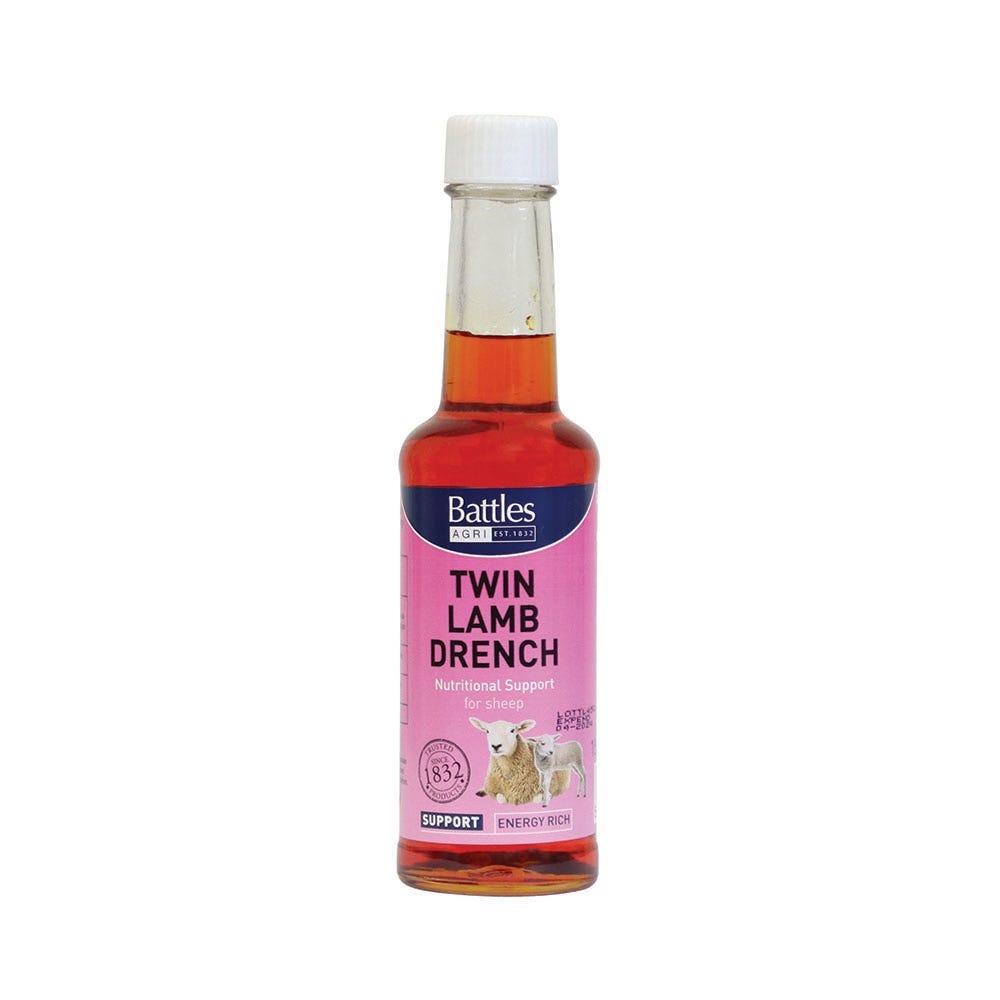
- In stock now: Battles Twin Lamb Drench, from £4.72 (150ml £4.72, 500ml £9.90) — an energy and calcium drench for ewes, for smallholders keeping sheep alongside horses.
Several lines in this collection are currently unavailable. If what you need is showing as out of stock, get in touch and our team will help you find an alternative or let you know when it is back.
Which horse health product do I actually need?
| If the problem is… | Reach for | What it is for | Vet first? |
|---|---|---|---|
| Legs constantly wet and muddy | Mud & rain barrier or salve | Helps form a water-repellent layer on clean, dry skin | No — but yes if skin is already broken, scabby or swollen |
| Small cut, graze or rub | Antiseptic or wound cream | Helps keep a cleaned minor wound covered while it heals | Yes if deep, bleeding freely, dirty, or near a joint or eye |
| Dry, itchy or irritated skin | Soothing gel or sulphur-based cream | Supports comfort on intact skin | Yes if it is spreading, weeping or the horse is rubbing raw |
| Pink noses in strong sun | Sunburn relief cream | Helps soothe skin after sun exposure | Yes if blistering or repeated every summer |
| Flies, midges and biting insects | Citronella or anti-bite spray | Helps deter insects from landing | No — but yes for sweet itch that is out of hand |
| Horse seems off-colour | Digital thermometer | Gives you a number to tell the vet | Yes — a raised temperature is a call, not a wait |
| Multiple animals, multiple treatments | Medicine record book | Logs product, dose, date and withdrawal periods | No — but it is what an inspector or vet will ask to see |
What should be in a basic horse first aid kit?
A workable kit is small and boring, and that is the point. A digital thermometer, a wound cream or antiseptic cream, clean dressings and self-adhesive bandage, curved scissors, a barrier cream for legs, saline or a clean wound wash, disposable gloves, and your vet's number written somewhere that does not depend on a phone battery. Add a medicine record book if you keep more than one animal or anything food-producing. Check the kit at the start of each season — creams dry out, and the thing you never used is usually the thing you need at 10pm.
How do I take a horse's temperature?
Use a digital veterinary thermometer, lubricated, inserted gently into the rectum with the horse restrained and someone at the head. A healthy adult horse normally sits around 37.2–38.3°C (99–101°F), though individuals vary — which is why it is worth taking a few readings when your horse is well, so you know their normal. Anything meaningfully above that range warrants a call to your vet. Never stand directly behind a horse while you do it.
How do I look after legs through a wet winter?
Prevention beats treatment. Mud-related skin problems start when skin stays wet and softened for long stretches, so the aim is dry skin and an intact barrier. Bring the horse in and let legs dry naturally rather than scrubbing them wet every evening; if you must wash, dry thoroughly afterwards. Apply barrier products to clean, dry skin — sealing mud and moisture underneath makes things worse, not better. Check legs daily by hand for heat, swelling or scabs, and stop applying anything and call your vet if you find broken or painful skin. Rotating gateways, standing off the worst ground, and a dry standing area do more than any cream.
Do barrier creams stop mud fever?
They can support healthy skin by helping repel water and mud, but they are a management aid rather than a guarantee, and they are not a treatment. Mud fever is a genuine skin infection that needs veterinary diagnosis and, often, prescription treatment. If your horse already has scabs, heat, swelling or lameness, stop guessing and call the vet — barrier products applied over an active infection trap moisture and bacteria against the skin.
When is this cupboard-stock, and when is it a vet call?
Over-the-counter horse health products are for minor, superficial, uncomplicated things on an otherwise well horse. Call your vet — promptly — for any wound that is deep, gaping, bleeding heavily, over a joint or tendon sheath, or near the eye; for any lameness you cannot explain; for a raised temperature, off feed, or signs of colic; for skin that is spreading, weeping or painful; and for anything that is not clearly improving within a couple of days. Nothing in this collection diagnoses, treats or cures disease, and none of it should delay a call you were already thinking about making.
What about record-keeping and medicine rules?
If you keep food-producing animals — sheep, cattle, or a horse not signed out of the food chain — UK rules require you to record medicines given, including product, batch, date, dose and withdrawal period, and to keep those records for the required period. A dedicated record book keeps it in one place. Prescription-only and POM-VPS products must be supplied and used under the correct professional oversight; if you are unsure which category something falls into, ask your vet or SQP before you use it.
Smallholders keeping sheep alongside horses
This collection also carries a few livestock lines for yards that run more than horses. Battles Twin Lamb Drench is currently in stock in both sizes — 150ml at £4.72 and 500ml at £9.90 — and is an energy and calcium drench used to support ewes in late pregnancy, when twin-bearing ewes are under the greatest metabolic demand. It supports management alongside good nutrition; it does not replace veterinary advice for a ewe that is already down or unwell, which is an emergency.
Frequently asked questions
What is a normal temperature for a horse?
A healthy adult horse at rest typically sits around 37.2–38.3°C (99–101°F), with foals often running slightly higher. Individual horses have their own baseline, so take a few readings with a digital veterinary thermometer while your horse is well and note what is normal for them. A reading meaningfully above that range, especially alongside dullness or going off feed, is a reason to phone your vet rather than wait and see.
Can I put barrier cream on legs that already have scabs?
No. Barrier products are designed for clean, dry, intact skin. Applying them over scabs, broken skin or an active infection seals moisture and bacteria underneath and can make the problem worse. If you find scabs, heat, swelling or soreness on the lower legs, stop applying anything and speak to your vet — that picture usually needs proper diagnosis and often prescription treatment rather than a cupboard product.
What is the difference between a wound cream and an antiseptic cream?
In everyday use the categories overlap. Antiseptic creams are formulated to help keep a cleaned area clean, while wound creams tend to be aimed at covering and protecting a minor superficial injury while it heals. Either way, the cleaning comes first — a cream applied over dirt traps it. Both are for small, shallow, uncomplicated wounds on an otherwise well horse; anything deep, dirty, heavily bleeding, or near a joint or eye is a vet call, not a cream.
How often should fly and bite deterrent sprays be reapplied?
Follow the instructions on the bottle, as concentrations differ. As a rule of thumb, reapply after rain, after washing, after heavy sweating, and on midge-heavy evenings — repellency drops off as the product is washed or rubbed away. Test a small patch on sensitive-skinned horses before spraying widely, keep it away from the eyes, and pair it with management such as bringing horses in at dawn and dusk when midges are worst.
Do I legally need to keep a medicine record book?
If you keep food-producing animals — including sheep and cattle, and horses that have not been signed out of the food chain — UK rules require you to record veterinary medicines administered, covering the product, batch, date, dose and any withdrawal period, and to retain those records. A dedicated record book keeps everything legible and in one place for inspections and for your vet. If you are unsure what applies to your setup, check with your vet or SQP.
Something I want is out of stock — what now?
Availability in this collection changes regularly, and a number of lines are out of stock at the moment. If the size or product you need is unavailable, get in touch and our team will help you find a suitable alternative or let you know when we expect it back. If the need is urgent or clinical, contact your vet first — they can advise on what is appropriate and supply prescription products where they are needed.
This page is general guidance for horse owners and is not veterinary advice. Always consult your vet about your individual horse, and read and follow the manufacturer's instructions on any product before use.
Free UK delivery over £50 · 90-day returns · Expert help
Last reviewed 2026-07-26 by the Just Horse Riders team.