
Whips & Crops
Schooling, jumping, hacking — covered.
Whips and crops in the right length, weight and feel for every discipline.
Horse Riding Whips & Crops
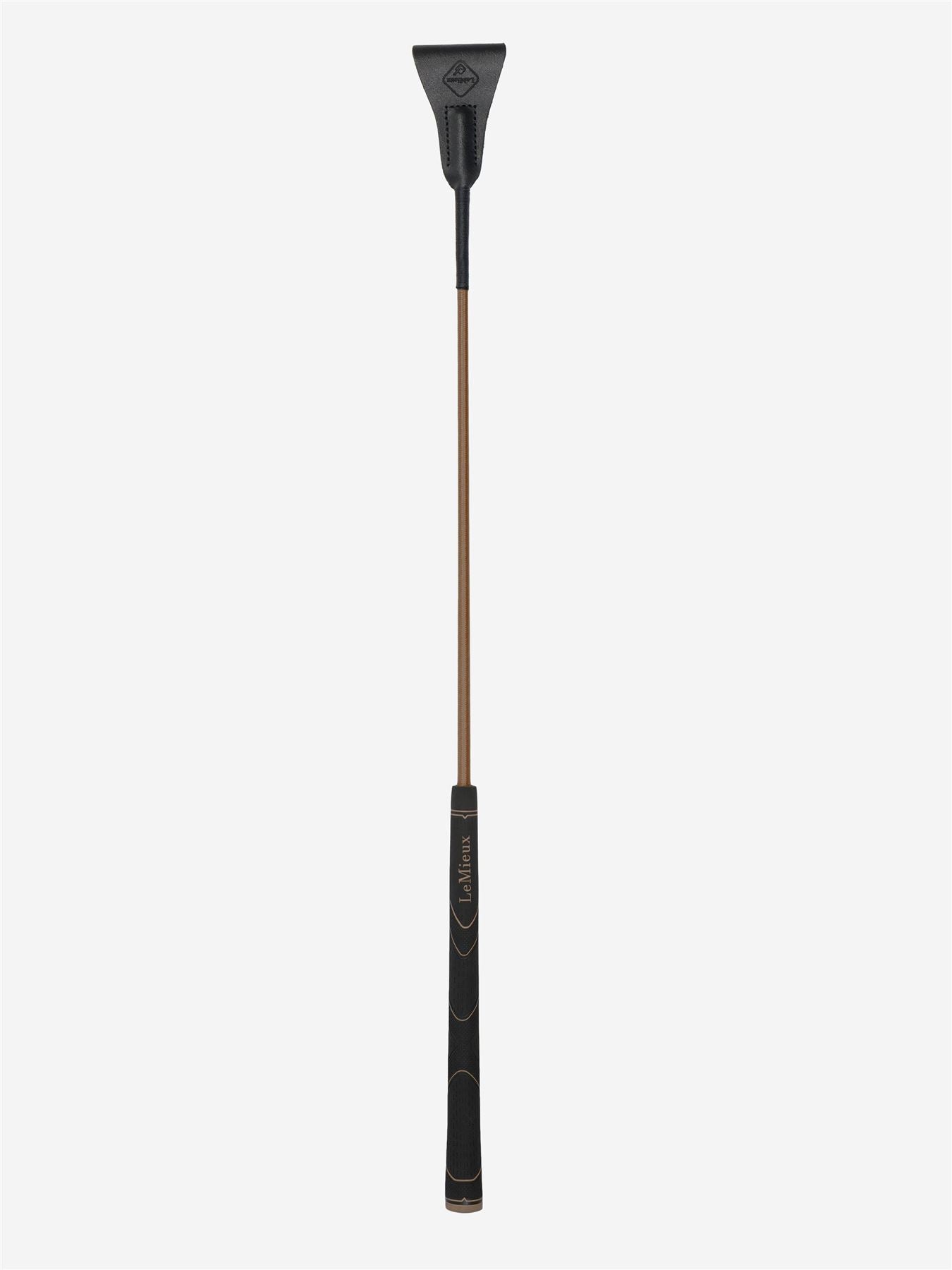
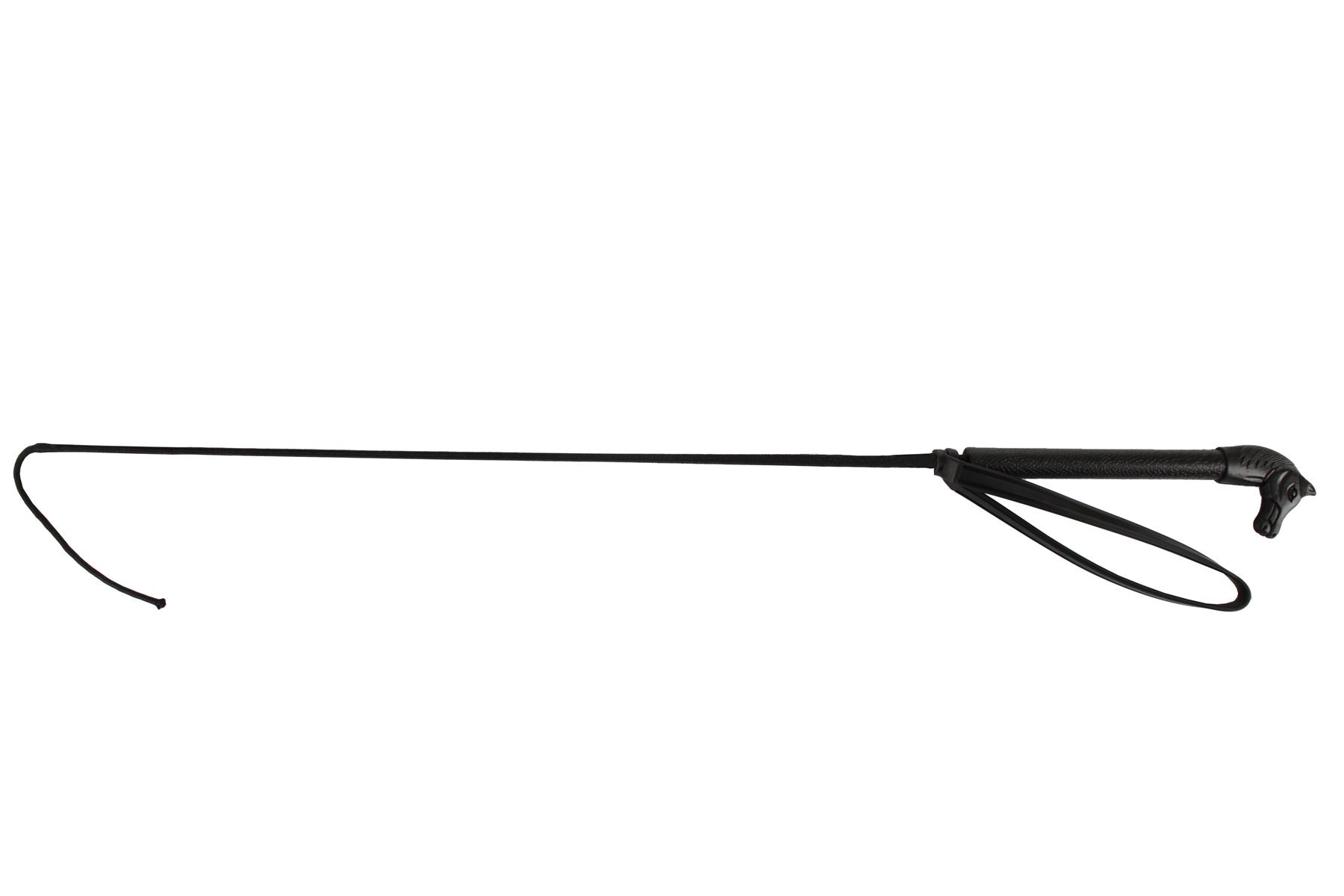
Riding whips and crops are artificial aids — carried to back up your leg with a clear, light signal, never as punishment. The choices that matter are type and length (a short crop or jump bat for everyday riding and jumping, a longer schooling whip for flatwork, a lunge whip for groundwork), a grip that stays put in a wet or gloved hand, and the right size for the rider — children need something shorter and lighter than adults. Just Horse Riders stocks more than 200 whips, crops, bats and show canes from brands including Dublin, Shires, Hy Equestrian, Woof Wear and LeMieux, from around £4.50.
Free UK delivery over £50 · Fast next-day delivery available · 90-day returns · Family-run UK retailer since 2010.
Whips and crops advice from the Just Horse Riders team — last reviewed July 2026.
Choosing a whip or crop
| Choice | What it means |
|---|---|
| Riding crop | Short and fairly stiff with a small keeper at the tip. The everyday choice — easy to carry and used just behind your leg to reinforce a leg aid on hacks and in lessons. |
| Jump bat | Shorter still, with a wide padded keeper that spreads the contact and makes more sound than sting. The usual pick for jumping and cross-country schooling. |
| Schooling (dressage) whip | Longer and flexible, so a flick of the wrist can touch just behind your leg without taking a hand off the rein. For flatwork, lateral work and dressage schooling. |
| Lunge whip | The longest of all, with a long lash used to guide and signal from the ground during lungeing — it directs from a distance rather than making contact. |
| Show cane | A stiff, often leather-covered cane carried in showing classes, where traditional turnout is part of the judging. |
Sizing for children and smaller riders
A whip only works as an aid if the rider can control it, so children need a shorter, lighter version — a full-length adult schooling whip is unwieldy in a small hand and easy to catch on the pony by accident. Several brands here make junior lengths, including MacTack junior riding whips, the Woof Wear Junior Jump Bat and Shires children's stem whips. A short crop or junior bat is the sensible starting point; move up in length only as arms and balance grow.
Using a whip fairly — and competition rules
A whip is a communication tool: a light touch that backs up an aid the horse has not answered, followed straight away by the reward of it stopping. If you find yourself using it every few strides, that is a schooling question rather than an equipment one. Modern jump bats with broad padded keepers are designed to spread contact and make a noise rather than a sharp touch. Be aware that many competitions restrict the length of whip you may carry and how it can be used, and some classes do not permit one at all — the rules differ between dressage, showjumping, eventing and showing and are updated regularly, so check your discipline's current rulebook before you enter.
Whips and crops favourites
- Budget crop: Dublin Braided Crop (from £4.49) — a simple, well-made everyday crop from a trusted brand at the lowest price in the collection.
- For children: MacTack Junior Riding Whip Cw78 (from £7.40) — sized for small hands, so young riders can carry it without it getting in the way.
- Everyday all-rounder: Woof Wear Gel Fusion Riding Whip (from £12.99) — soft gel grip that stays secure in wet or gloved hands, in a general-purpose length.
- Flatwork and dressage: Fancy Stitch Leather Dressage Whip | Dublin Show Whip (from £16.19) — a longer, flexible schooling whip with a smart stitched-leather handle.
- Showing: Woof Wear Show Cane (from £16.99) — a traditional cane for the show ring at a sensible price.
- Jumping upgrade: LeMieux LeGrip Jumping Whip (from £22.95) — LeMieux's grippy-handled jumping whip with a padded keeper, a favourite with regular competitors.
Frequently asked questions
What is the difference between a crop and a whip?
Mainly length and job. A crop or bat is short and slightly stiff, used just behind your leg for everyday riding and jumping. A schooling whip is longer and more flexible so it can reach behind your leg while both hands stay on the reins, and a lunge whip is longer again for working a horse from the ground.
What length schooling whip do I need?
Long enough that a turn of the wrist touches just behind your leg without you leaning or letting go of the rein — but no longer, or it becomes hard to keep still. Smaller riders and pony riders should size down. If you compete, check your discipline's rulebook first, as maximum whip lengths vary between sports.
Can my child just use an adult crop?
They can, but a junior whip is a better idea. Adult lengths are awkward in a small hand, harder to keep steady and more likely to catch the pony unintentionally. Junior versions from MacTack, Woof Wear and Shires are shorter and lighter, which makes the aid clearer and the rider more confident.
Are whips allowed in competitions?
Usually, but with limits. Most disciplines restrict the length you may carry and how the whip can be used, and some classes do not allow one at all. Bodies such as British Dressage, British Showjumping and the Pony Club each publish their own rules, and they change from time to time — always check the current rulebook for your discipline and class before you enter.
Not sure which type or length suits you? Tap the WhatsApp button at the bottom of the screen — the Just Horse Riders team rides too and will happily point you to the right one.