Filters
Price
£
£
Brand
Colour
Size
Sort by

Horseware: How An Irish Start-Up Redefined Horse Comfort Worldwide (And What That Means For Your Horse Today)

Every rider has a rug horror story. It is almost a yard tradition. One leaks at the first hint of rain, another slips sideways by breakfast, and one especially talented offender somehow rubs the shoulders while also twisting like it is trying to escape the county. That everyday frustration is exactly the problem that helped spark Horseware in Dundalk, Ireland, in 1985, when Tom and Carol MacGuinness set out to create a turnout rug that would stay in place, keep water out, and still let the horse breathe. Horseware’s own brand history traces the company back to that practical, problem-solving mission, and that origin story still shapes the brand today.

That matters for modern horse owners because Horseware was not built around marketing first; it was built around a real equestrian problem. Over the decades, the brand has grown from one breakthrough rug into a globally recognised name in equestrian equipment, rider clothing, accessories, and horse care innovation. Horseware’s LinkedIn profile states that the company now operates internationally and serves customers in more than 70 countries, which gives the brand both longevity and global reach.

Why Horse Comfort Is Not A Small Detail

A rug is not just a layer of fabric. It affects temperature management, freedom of movement, coat condition, and day-to-day comfort. A poor fit can create pressure at the shoulder, withers, or chest, while a poorly designed outer can leave a horse too hot, too cold, or damp underneath. That is why serious riders do not choose rugs based on colour alone, though admittedly some horses do seem convinced navy is their shade. Good rug design matters because comfort affects routine, and routine affects everything from turnout management to how settled a horse feels in work.

Horseware built its reputation by treating comfort as a design challenge rather than an afterthought. The company’s history with the Rambo Original helped change what riders expected from turnout rugs by proving that durable, waterproof, breathable performance could exist in one product. Third-party coverage from Horse Sport notes that the Rambo Original was a major turning point in modern blanketing and remained influential because it addressed common failures in older rug designs.

From Dundalk To A Global Equestrian Name

The Founding Idea Was Surprisingly Simple

Horseware began with a practical ambition: create a rug that did not leak, did not cause sweating, and did not shift out of place. According to reporting on the company’s growth, Tom and Carol MacGuinness founded Horseware Ireland in 1985 in Dundalk after becoming frustrated with the rugs available at the time. 

The Rambo Original Changed Expectations

The launch of the Rambo Original became Horseware’s defining breakthrough. It used ballistic nylon and was developed to deliver the mix riders wanted most: waterproofing, breathability, durability, and secure fit. Independent commentary on the brand’s development points to the Rambo as the product that redefined what a turnout rug should be.

Scale Did Not Replace Identity

What makes the Horseware story compelling is that growth did not erase its Irish roots. The company has expanded into international manufacturing, distribution, and broad product development, yet still presents itself as an innovation-led equestrian brand with design and product thinking anchored in Ireland. Lonsdale Capital Partners states that Horseware operates vertically integrated facilities in Ireland, Cambodia, and China, with U.S. distribution also supporting its supply network.

What Horseware Innovation Means In The Real World

Innovation sounds nice in a brochure, but riders care about practical outcomes. In real life, that means fewer rubs, less slipping, better temperature control, and a rug that keeps doing its job after repeated wear. Horseware’s own brand materials emphasise continuous innovation in fabrics, fit, and technical construction, while independent coverage has highlighted the company’s long testing process for rug performance. 

That sort of design thinking matters whether your horse lives out full time, comes in at night, or works hard enough to need efficient moisture management. A well-designed turnout rug supports comfort in wet and changing weather. A stable rug needs to insulate without becoming stuffy. A cooler has to wick moisture rather than trap it. In other words, there is no single perfect rug for every horse on every day, and Horseware’s strength is that it has built product families for those different jobs.

Choosing The Right Horseware Rug Starts With Your Horse, Not The Label

The smartest way to shop for Horseware is to begin with your horse’s routine. Think about whether your horse is clipped or unclipped, lives out or is mostly stabled, runs warm or cold, and whether fit problems usually show up at the shoulder, withers, or chest. Add in your local weather, turnout schedule, and how rough your horse is on rugs. Some horses wear a rug politely; others treat every field as a full-contact sport. Knowing which one you own saves money very quickly.

If you are comparing options, browsing dedicated collections can help narrow the field. For horses spending more time outdoors, the Turnout Rugs Collection is the logical place to start. For horses that need more support in the stable, the Stable Rugs Collection offers a more focused route. That sounds obvious, but clear shopping categories can save you from accidentally buying a rug that is brilliant in theory and completely wrong by Tuesday.

Horseware Amigo 1200D Wug Turnout 50G: A Practical Example Of Smart Turnout Design

The Horseware Amigo 1200D Wug Turnout 50G is a strong example of Horseware’s problem-solving approach. It uses a 1200D polyester waterproof and breathable outer, which gives it the sort of practical weather protection riders look for in a lightweight turnout. The V-Front Closure is designed to reduce shoulder pressure, and the Dual Leg Arches help maintain freedom of movement while keeping the rug secure underneath the horse. Those are not throwaway features. They target two of the most common rider complaints: restriction at the front and a rug that shifts once the horse starts moving.

The wug cut is particularly relevant for horses with higher withers or a narrower shape. The design helps relieve pressure around the wither area and gives a different fit profile from a standard neck turnout. Add reflective strips, three crossed surcingles, a shine-enhancing lining, tail flap, and tail strap, and you get a turnout rug aimed at everyday comfort with a little more technical thought than a basic field rug. You can view the product here: Horseware Amigo 1200D Wug Turnout 50G.

Horseware Rhino Plus Pony Turnout 0G: Durability For Hardworking Ponies

Ponies deserve serious rug engineering too, especially the sort of pony that can remove a fly mask, open a gate, and still act innocent by lunchtime. The Horseware Rhino Plus Pony Turnout 0G is built with a 1000D polypropylene outer, and Horseware positions polypropylene as a stronger alternative to the polyester commonly used in turnout rugs. This model also includes the brand’s barrier layer construction, where the waterproof and breathable layer sits beneath the outer, helping protect it from wear.

The practical feature list is what makes this rug especially versatile. It includes a detachable hood, anti-static and anti-bacterial polyester lining, front leg arches, reflective strips, cross surcingles, hood and liner loops, and a V-Front Closure. That means it is not just a pony-sized rug; it is a thoughtfully specified pony rug. For owners who want a flexible turnout that can handle changing conditions and energetic field behaviour, this is a very sensible option. Explore it here: Horseware Rhino Plus Pony Turnout 0G.

Horseware Amigo Stable Sheet: The Unsung Hero Of The Rug Room

Not every useful rug is dramatic. Some simply become the one you reach for all the time, and that is where the Horseware Amigo Stable Sheet fits in. Made from ring spun brushed polyester, it works as a stable sheet, cooler, or travel rug, with moisture management technology designed to offer a high wicking factor. That makes it useful after work, during travel, or in the stable when you want breathable coverage without overdoing insulation.

Versatility is part of the value here. The classic cut, straight front closures, crossed surcingles, and tail string keep the design straightforward and functional. A good stable sheet often earns its keep quietly: after clipping, after bathing, after light work, or while travelling on a day that cannot decide what season it is. You can see the full product here: Horseware Amigo Stable Sheet.

Horseware Newmarket Cosy Stable 100G: Warmth With Heritage Style

Horseware’s 40-year anniversary inspired a revival of the Newmarket range, and the Horseware Newmarket Cosy Stable 100G brings a heritage look into a practical stable rug format. The product features a 1000D ripstop polyester outer, microfibre lining, thermobonded fibrefill, and a luxury padded fleece collar designed to help prevent drafts in colder weather.

For horses needing moderate warmth in the stable, this sort of rug can make daily management easier. The V-Front Closure and crossed surcingles aim for secure fit, while the padded collar adds comfort around the neck and shoulder area. It is the type of rug that suits owners who want function first but do not mind a little extra style in the process. View it here: Horseware Newmarket Cosy Stable 100G.

Horseware Newmarket Fleece Cooler: Useful Before, After, And On The Road

A good cooler is one of those pieces you appreciate most when the weather is awkward. The Horseware Newmarket Fleece Cooler is made from luxurious double-bonded anti-pilling fleece with moisture-wicking properties, making it useful in the stable or as a travel rug. That means it is designed to help manage moisture after exercise while still keeping the horse comfortable.

This is a practical choice for horses that need help cooling down gradually, especially after work, bathing, or travel. The classic straight front closure and detachable crossed surcingles keep the design simple and adaptable. If your current cooler feels more decorative than useful, this is the kind of upgrade that earns its place quickly. See the full details here: Horseware Newmarket Fleece Cooler.

Horseware Is Bigger Than Rugs

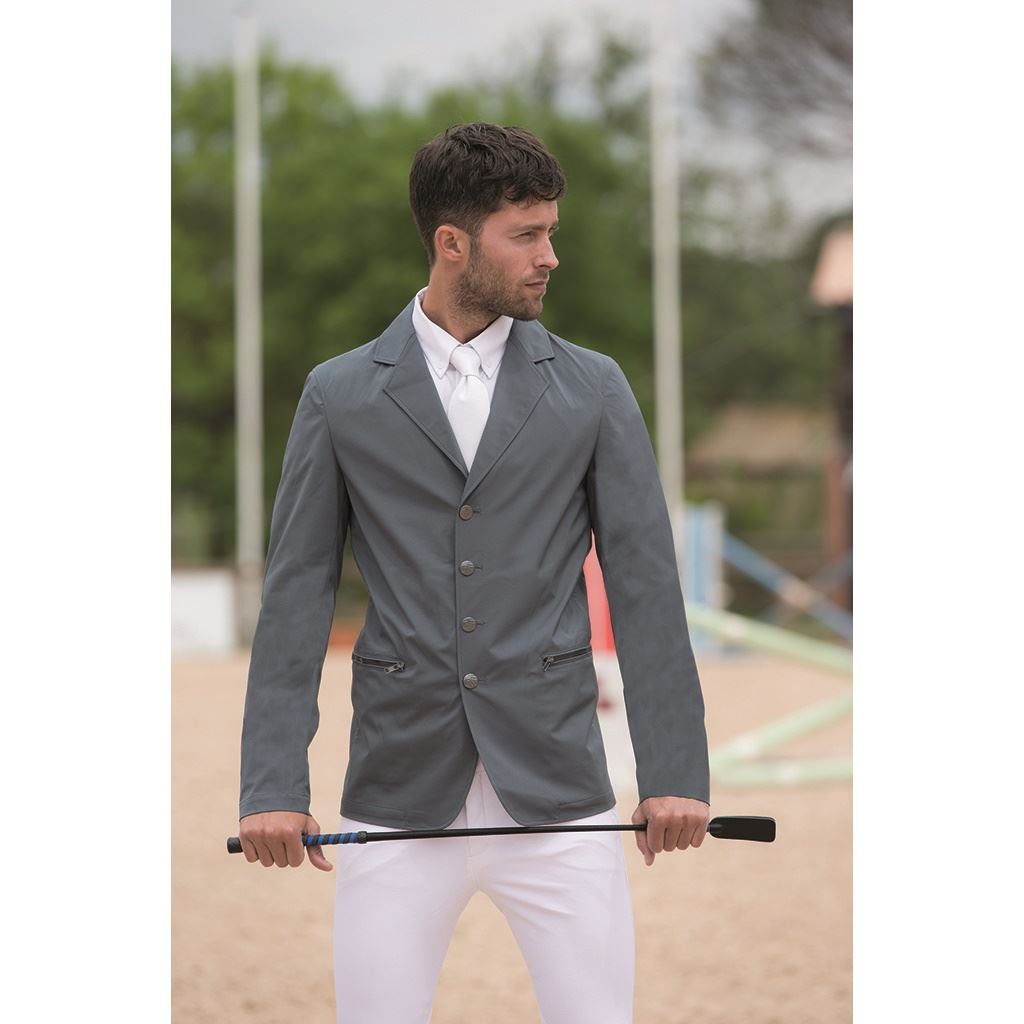
Although Horseware built its reputation through rugs, the brand has expanded well beyond them. Company and third-party materials describe a portfolio that includes rider clothing, equine therapy products, accessories, and tack-related categories, all built around the same comfort-led design philosophy.

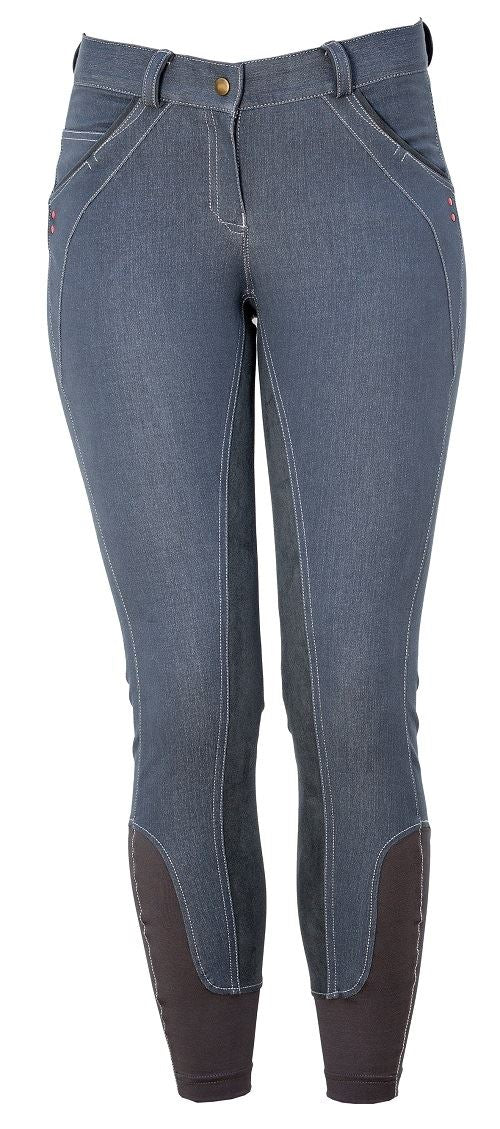
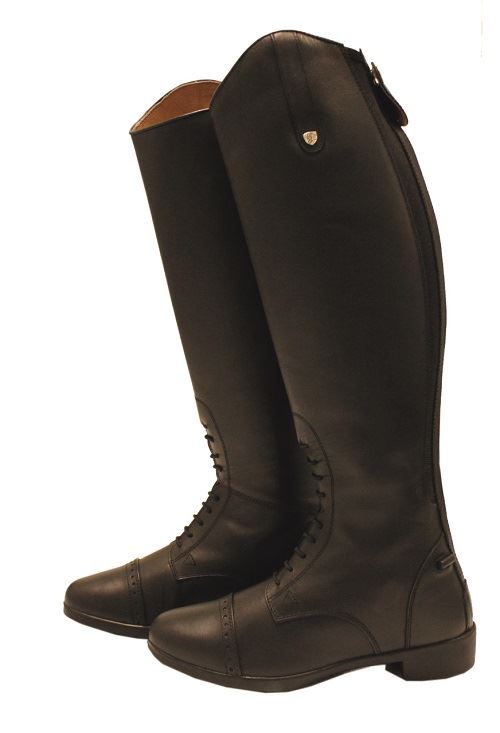
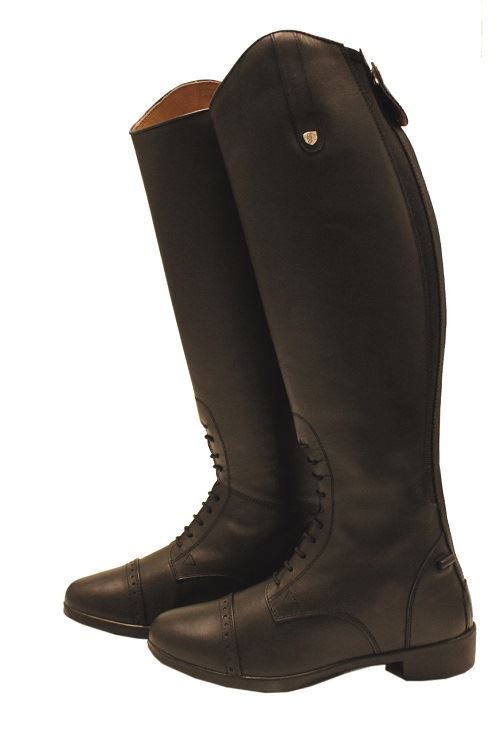
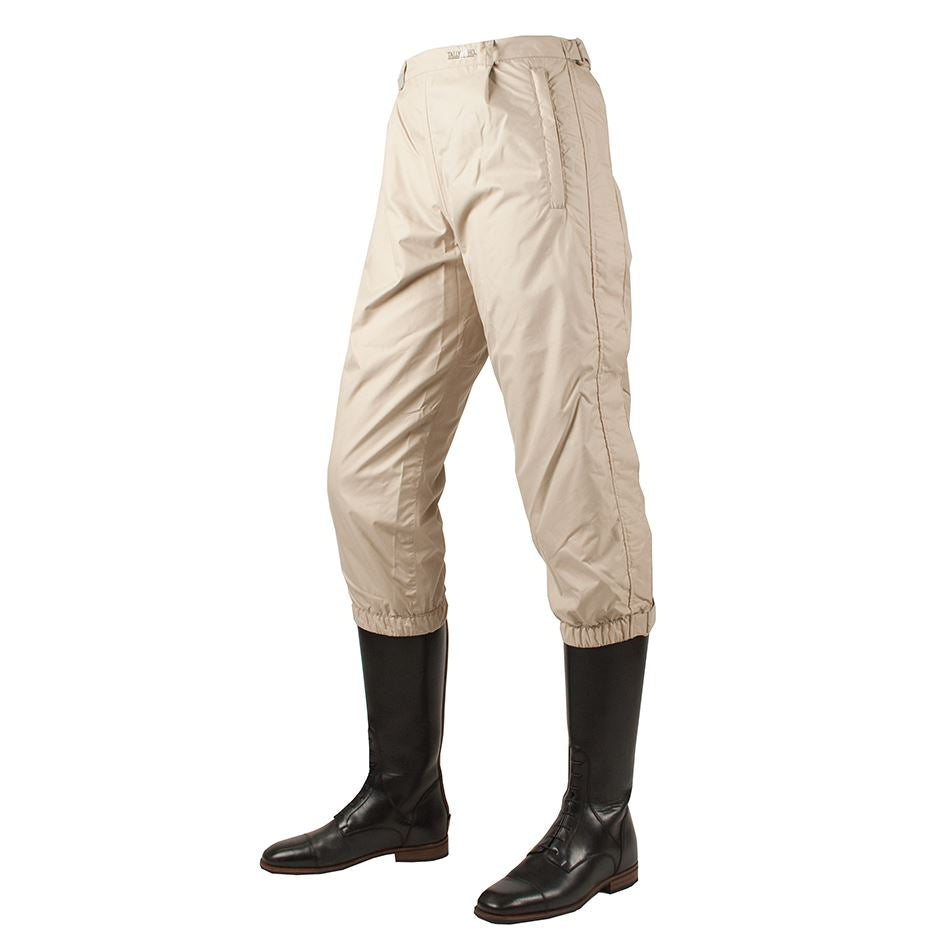
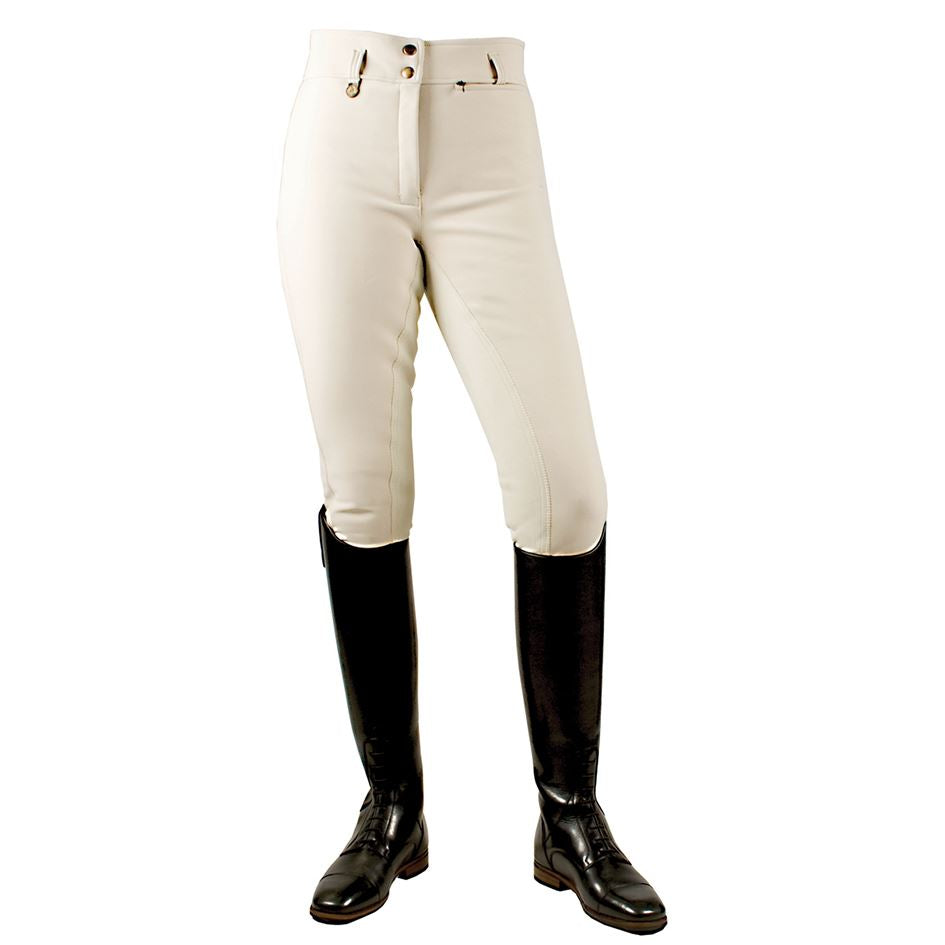
That wider ecosystem matters because riders rarely shop in neat little silos. Someone buying a turnout rug may also need practical yard clothing, competition kit, boots, gloves, or daily care items. If you want to build out the rest of your horse-and-rider setup, useful collections include Jodhpurs, Breeches & Tights, Horse Riding Boots, Horse Riding Gloves, and Horse Riding Socks & Accessories. A well-organised rider is not guaranteed to stay clean, but at least they can be properly dressed for the occasion.

Supporting The Horse Beyond The Rug Rail

Comfort does not begin and end with what your horse wears. Good feeding, sensible daily management, turnout planning, and seasonal support all play a part. That is why it makes sense to think in systems rather than single products. If you are reviewing your horse’s routine, resources like Everyday Horse Vitamins & Supplements can complement a practical rugging plan, while Horse Fly Protection becomes especially relevant when the weather shifts and turnout comfort depends on more than waterproofing alone.

And yes, a little bribery still has its place. If your horse believes catching is a negotiation, the Horse Treats And Gifts Collection may not solve every behaviour issue, but it can certainly improve staff morale, especially if the “staff” is you in muddy boots at 6:30 in the morning.

Why Durability Is Also A Sustainability Story

One of the strongest arguments for investing in better rugs is longevity. A rug that performs well over multiple seasons often represents better value and can reduce the cycle of repeated replacement. That does not make any product perfect by magic, but it does mean durability matters financially and practically. Horse Sport’s coverage of the Rambo line specifically highlights the long-term emphasis on robust materials and performance testing.

For horse owners, that means thinking beyond upfront price alone. The cheapest rug is not always the least expensive option over time if it loses waterproofing, twists constantly, or needs replacing far sooner than expected. Horseware’s success has been built in part on convincing riders that better engineering can save frustration as well as money.

Horseware’s Mission Still Feels Relevant

Horseware describes its broader mission as making life better for horses, riders, retail partners, employees, and the wider world. That is a big claim, but it aligns with the company’s long-standing identity as a brand rooted in problem-solving and innovation. Independent branding commentary has described Horseware as a “pathfinder” brand, which fits the way it has repeatedly positioned product design as a way of improving the day-to-day equestrian experience.

That is why Horseware still matters to today’s rider. It is not just a heritage name. It is a brand that helped change expectations and then kept building on that foundation, whether through better fit systems, materials, sub-ranges, or broader rider and horse product categories.

Final Thoughts: What Horseware Means For Your Horse Today

Horseware’s story is compelling because it links brand history with real buying value. This is not just a tale of an Irish start-up that made good. It is the story of a company that grew because it solved a familiar equestrian problem well enough that riders remembered. From the Rambo legacy to modern ranges like Amigo, Rhino, and Newmarket, Horseware continues to offer options shaped by comfort, movement, weather protection, and fit.

If you are shopping for a Horseware rug now, the practical takeaway is simple: match the rug to your horse’s routine, build around fit and purpose, and use quality as a filter rather than a bonus. A turnout rug should handle turnout. A stable rug should support stable comfort. A cooler should actually cool. Revolutionary stuff, really. Explore the range at Just Horse Riders and choose with your horse’s real day-to-day needs in mind.

Asked By You: Horseware Questions Answered

Is Horseware A Good Brand?

Yes, Horseware is widely regarded as a strong and trusted equestrian brand. Its reputation comes from a mix of innovation, longevity, and global reach. The company was founded in 1985 and gained recognition through the Rambo turnout rug, which helped raise expectations for waterproof and breathable performance. Horseware also states that it operates in more than 70 countries, which supports its position as a major international player in the sector. 

What Brands Are Horseware Clothing?

Horseware includes several well-known sub-brands and product families, with names such as Rambo, Rhino, and Amigo being the most recognised in rugs and related horsewear. In practical terms, riders usually see these names as tiered options within the wider Horseware brand, often reflecting different materials, technologies, and price points. Horseware also offers rider clothing and accessories under its broader product portfolio. 

Where Are Horseware Rugs Made?

Horseware rugs are designed from Ireland and produced through a global manufacturing network. Lonsdale Capital Partners notes that Horseware operates vertically integrated facilities in Ireland, Cambodia, and China, alongside wider distribution infrastructure. That setup allows the brand to combine Irish-led design and product development with international manufacturing capacity. 

What Is The Difference Between Amigo And Rhino Horseware?

The biggest difference between Amigo and Rhino usually comes down to materials and construction approach. Amigo rugs are commonly positioned as reliable everyday options, while Rhino rugs are known for using a polypropylene outer with Horseware’s barrier layer technology, where the waterproof layer sits underneath the outer fabric for extra protection. In simple terms, Rhino is often seen as the more heavy-duty mid-tier option, while Amigo gives riders a practical and accessible everyday range.