How Kentucky Is Tackling The Surge Of Equine West Nile Virus Cases
Understanding the Rise in Equine West Nile Virus Cases in Kentucky
In 2025, Kentucky witnessed its eighth case of equine West Nile Virus (WNV), a troubling trend that demands attention. The victim, a 20-year-old unvaccinated Standardbred gelding from Taylor County, exhibited severe neurological symptoms, ultimately leading to euthanasia. This case echoes a broader issue: the vulnerability of horses to WNV when preventive measures, like vaccination, are not employed.
The Mosquito-Menace: What is WNV?
WNV is a virus primarily spread by mosquitoes, affecting both humans and animals. In horses, it can manifest in a range of symptoms from mild lethargy to serious neurological issues such as ataxia and inability to stand. The mortality rate for symptomatic horses can be as high as 30-40%, emphasizing the severity of this disease. Infected horses might display symptoms like fever and loss of appetite, but it's the neurological complications that pose the most threat.
Vaccination: The First Line of Defense
Vaccination is touted as the most effective method of preventing WNV in horses. Horses generally require annual booster shots, or biannual in areas with extended mosquito presence. For horses new to vaccination, a two-dose series is needed initially. The vaccination strategy is a crucial part of WNV prevention as it enhances the horse’s immune system to fight off the infected virus upon exposure.
More Than Just A Shot: Comprehensive Prevention Strategies
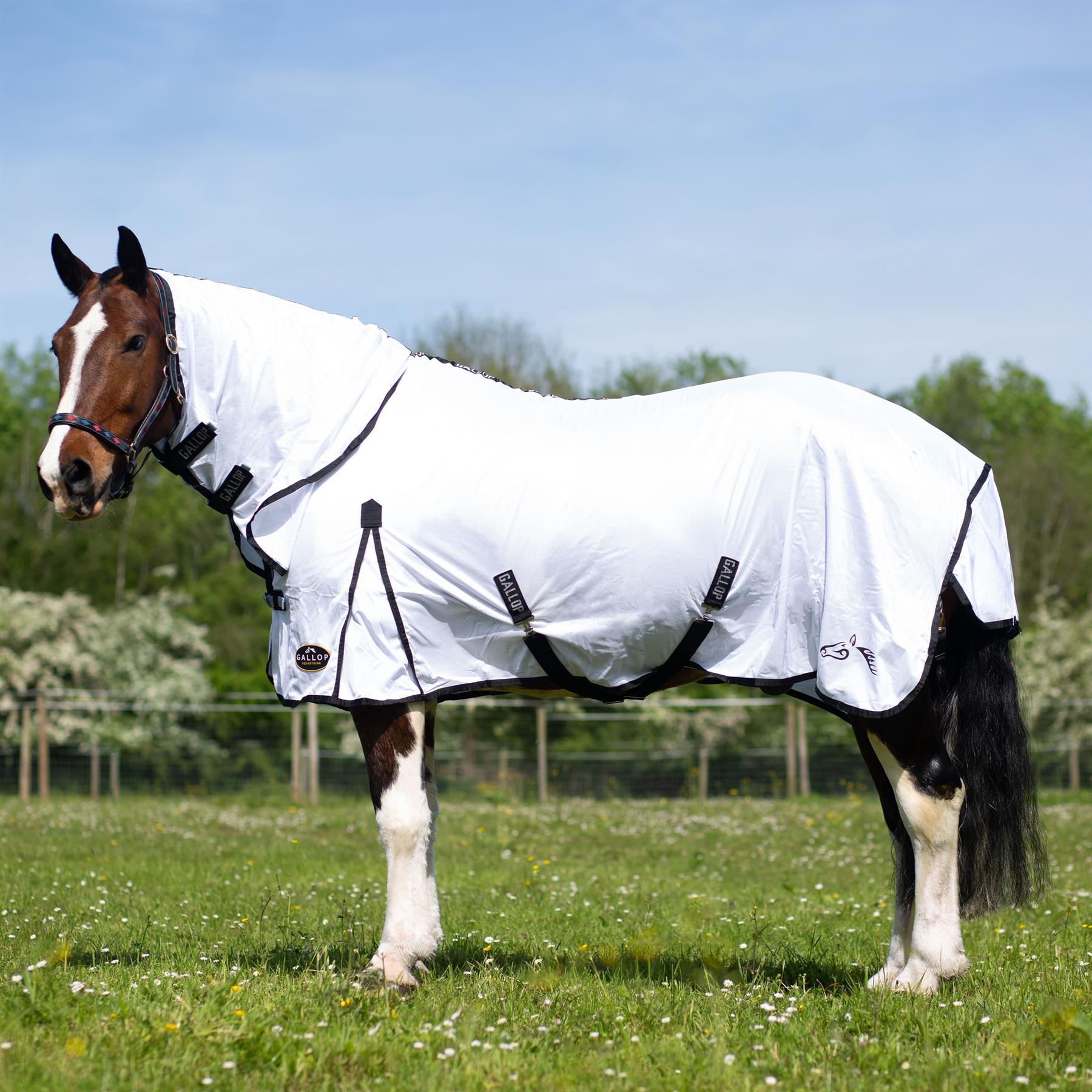
Beyond vaccination, controlling the mosquito population plays a key role. This includes measures such as eliminating standing water that serves as breeding grounds for mosquitoes and keeping horses indoors during peak mosquito activity times, typically the early morning and evening. Regular cleaning of water buckets and using approved mosquito repellents add layers of protection. All these actions together form an effective defense against WNV, creating a less hospitable environment for mosquitoes.
The Role of Communication in Disease Management
The Equine Disease Communication Center (EDCC) plays an instrumental role in providing open access to disease reports and preventive strategies. Their program, EDCC Health Watch, seeks to enhance the awareness of WNV and similar diseases within the equine community. In this age of information, knowledge is indeed power. Through real-time updates and fact-based reporting, equine caretakers remain informed and ready to act against infectious diseases.
The Broader Implications
The consistent emergence of WNV cases, as highlighted by the latest incident in Kentucky, underscores the persistent risk and the critical nature of employing comprehensive preventive strategies for equine health. The combination of vaccination and proactive mosquito control measures can significantly reduce the impact of such infections. It's a call for proactive health management within the equine industry, ensuring each horse is shielded from the debilitating effects of WNV.
The Light-Hearted Side of a Serious Matter
On a lighter note, think of mosquitoes as unwanted paparazzi around our equine celebrities. They’re buzzing nuisances that can cause quite the stir! Just as celebrity PR managers thwart tabloids for peace, equine caretakers must diligently fend off these pesky creatures to keep our equine stars safe and healthy.
In conclusion, consistent vaccination programs and environmental management are indispensable in mitigating West Nile Virus in horses. Education, awareness, and diligent action can help in overcoming this mosquito-borne threat. Let us keep our equine friends healthy and galloping with joy—free from the perils of WNV.
Sources for information:
- For a comprehensive understanding and updates on equine diseases, visit [www.thehorse.com](https://www.thehorse.com).
- Additional information credited to Equine Disease Communication Center (EDCC) which can be found through search engines or equine care-specific platforms.