The Ongoing Battle Against West Nile Virus in Horses
West Nile Virus (WNV) continues to pose significant challenges to equine health, as evidenced by recent cases in New York. Despite the advancements in knowledge and veterinary interventions, the threat remains tangible and persistent. This article delves into the nuances of WNV, prevention strategies, and the crucial roles played by organizations like the Equine Disease Communication Center (EDCC).
Recent New York Cases: A Stark Reminder
Two unfortunate incidents in New York have brought the spotlight back onto WNV's perils. A 4-year-old mare from Nassau County, exhibiting signs of ataxia and muscle twitching, is thankfully on the road to recovery. However, a 2-year-old unvaccinated colt from Seneca County, showing similar symptoms, tragically did not survive. This stark contrast in outcomes underscores the importance of proper vaccination and early intervention.
Understanding West Nile Virus in Horses
The West Nile Virus is a mosquito-borne disease that significantly impacts horses. It primarily causes neurological symptoms with an estimated 30-40% mortality rate among those affected (EDCC). Symptoms can range from flu-like signs to severe neurological impairment, such as cranial nerve paralysis and, in extreme cases, paralysis or death.
Clinical Signs to Watch For
WNV manifests abruptly, and its clinical signs are varied. These can include weakness, fever, lethargy, loss of appetite, depression, twitching, and a notable loss of coordination. As a horse's condition worsens, symptoms may progress to more severe neurological impairment.
Importance of Supportive Care
Given that there is no antiviral treatment available for WNV presently, the focus shifts to supportive care. This approach aims to stabilize affected horses, address specific symptoms, and bolster their recovery through nutritional support and a calming environment.
Prevention is Better than Cure: The Role of Vaccination
Preventive measures play a critical role in managing WNV risks. Vaccination stands as the first line of defense and is highly recommended in regions where the virus is endemic. Vaccines can significantly reduce the risk of infection, with protocols typically requiring annual boosters or twice-a-year administration based on local guidance.
Mosquito Control: The Other Half of the Equation
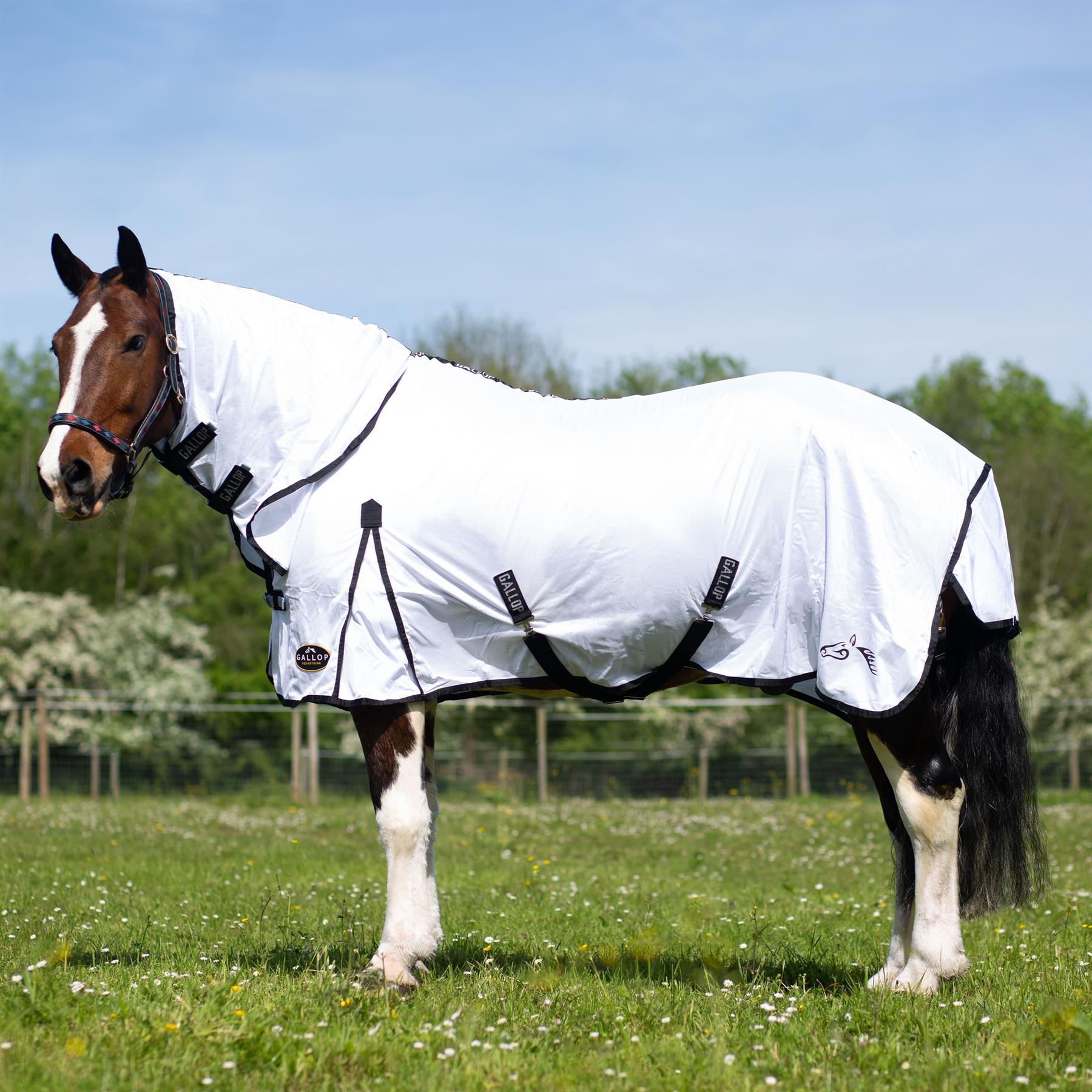
Reducing mosquito exposure involves simple yet effective environmental management techniques. These strategies include removing standing water, stabling horses indoors during peak mosquito activity, and employing barrier treatments. Adopting such measures creates a less favorable environment for mosquitoes to thrive, lowering infection risks.
The Equine Disease Communication Center's Efforts
The EDCC plays a pivotal role in tracking and disseminating information about WNV and similar outbreaks. By keeping horse owners and the broader equine community informed, they promote better awareness and preparedness. Early detection and communication are vital in managing outbreaks effectively, supporting efforts to prevent their spread.
Conclusion: Community Vigilance and Responsibility
Recent cases of West Nile Virus in New York serve as a stark reminder of the persistent risk this virus poses. The equine community, driven by horse owners and veterinary professionals, must remain vigilant by ensuring timely vaccination and employing mosquito-control measures. With continued support from bodies like the EDCC, the industry can better manage WNV risks and protect its valued equine members.