The Impact of Soaking Hay on Equine Nutrition
Soaking hay is a common practice among horse owners, especially for those caring for horses diagnosed with Equine Metabolic Syndrome (EMS). This process reduces the water-soluble carbohydrates (WSC) that can impact the health of horses suffering from this condition, but as with many things, it's not without its drawbacks. In this article, we'll explore the nuances of hay soaking, its benefits, potential nutrient losses, and best practices to ensure optimal equine health.
Why Soak Hay? The Carbohydrate Conundrum
For horses with EMS, excessive intake of carbohydrates can lead to insulin resistance and other health complications. Soaking hay is an effective method to decrease these carbohydrates. According to research, immersing hay in warm water for about 30 minutes or in cold water for 1 hour seems to do the trick. However, once soaked, it's crucial to feed it immediately to avoid nutrient degradation or microbial contamination. So, yes, as delightful as spa water might sound for your hay, it's not ideal to leave it soaking for too long!
The Nutrient Cost of Soaking
While soaking is beneficial for reducing WSC, it does have a downside. Along with those pesky sugars, soaking can also wash away proteins, vitamins, and minerals. This potential nutrient loss highlights the importance of conducting hay analyses to pinpoint any deficiencies. Horses, like humans, often don't get all the nutrients they need from their staple diet alone, so the losses from soaking can be significant.
Ration Balancers: The Equine Multivitamin
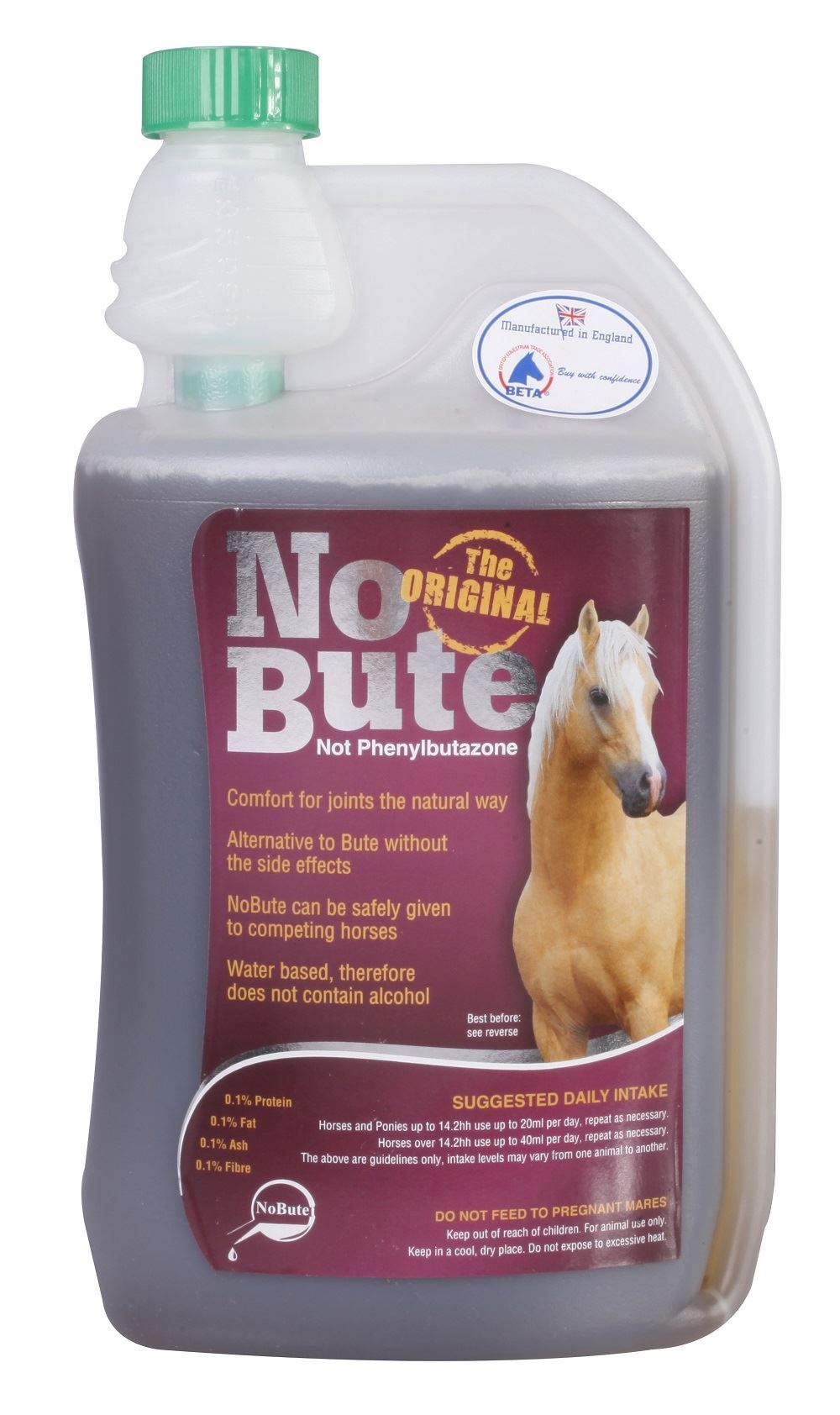
Enter ration balancers—a savior for many horse owners dealing with nutrient losses from soaked hay. These supplements offer a concentrated dose of the vitamins, minerals, and sometimes proteins, required for a balanced equine diet, all without piling on the calories. For horses with specific conditions like EMS, monitoring the nonstructural carbohydrates (NSC) intake is crucial. By calculating and spreading the horse’s nutritional intake over several meals, owners can ensure steady and safe nutrition.
Best Practices for the Conscientious Horse Owner
For those venturing into hay soaking, a few best practices can ensure your horse stays healthy and happy. Regular hay testing, both before and after soaking, is essential to monitor nutrient levels. Given the moist environment's penchant for breeding mold, feeding hay promptly is crucial. Divvying up daily rations into several smaller meals can stabilize nutrient delivery. And, as always, seeking a vet's counsel on creating EMS-specific dietary plans, including the use of supplements, is wise.
Further Research: Riding Into the Future
The journey doesn't have to end here. Continued research in areas such as the long-term effects of soaking on equine health, microbial risks, and the efficacy of modern supplements can significantly benefit horse care. Exploring the role of diet in EMS progression, comparing nutrient levels between soaked and unsoaked hay, and evaluating long-term outcomes of ration balancers can offer deeper insights into equine nutrition.
In conclusion, while soaking hay presents challenges, informed practices and a proactive approach can ensure it remains a valuable tool in maintaining equine health. Grab your pitchfork, your waterproof gloves, and perhaps a notebook for those hay analyses—your horse's health will thank you!
Sources: TheHorse.com and Studocu.vn