West Nile Virus: A Threat to Horses in Utah
Recently, two horses in Utah were diagnosed with West Nile Virus (WNV), raising alarms among horse owners and veterinarians alike. These cases occurred in Utah and Cache counties and involved horses that were not vaccinated. But what exactly is happening, and how can horse owners protect their equine companions from this virus?
Understanding West Nile Virus in Horses
West Nile Virus is a mosquito-borne disease that primarily affects horses through bites from infected mosquitoes. The virus targets the nervous system, affecting the brain and spinal cord, which can lead to a variety of neurological symptoms. Infected horses may exhibit signs ranging from mild flu-like symptoms, such as anorexia and depression, to severe issues like ataxia (loss of coordination), muscle twitching, and hypersensitivity.
According to recent reports, a 15-year-old Quarter Horse gelding in Utah County unfortunately succumbed to these symptoms. Meanwhile, a 7-year-old draft gelding in Cache County is showing signs of recovery, which gives some hope that not all cases result in fatality. However, it’s critical to note that mortality rates for WNV can reach 30-40% in severe cases.
Prevention Through Vaccination and Mosquito Control
One of the most effective ways to prevent WNV in horses is through regular vaccination. Vaccination protocols generally involve annual shots, with booster doses scheduled based on local mosquito activity and exposure risk. This bi-annual or annual routine ensures that horses maintain immunity, especially during peak mosquito season.
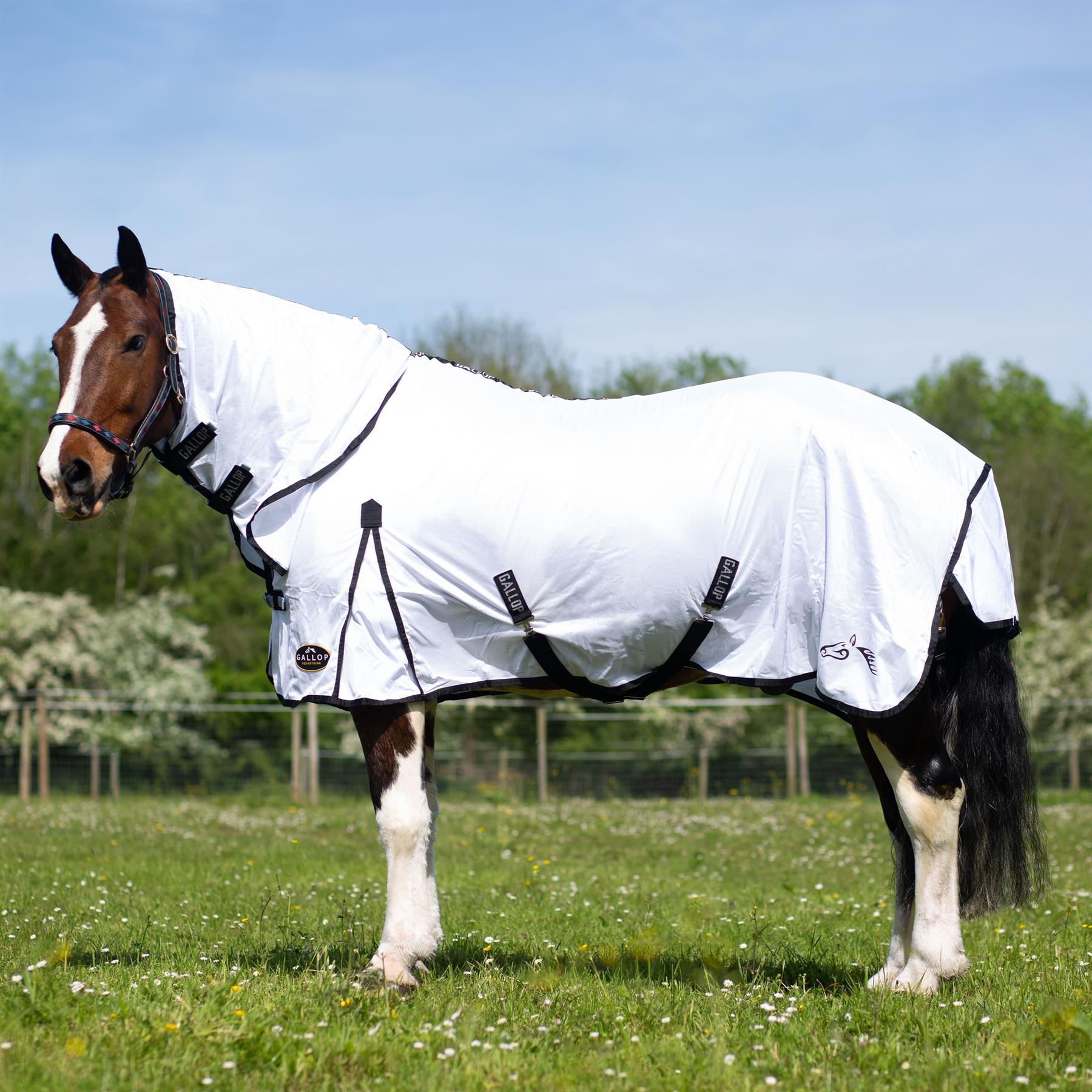
In addition to vaccinations, controlling mosquito populations in and around equine environments is vital. Horse owners can minimize mosquito breeding by eliminating standing water where mosquitoes multiply prolifically. Using repellents and protective gear can also help mitigate exposure and reduce the risk of infection.
Signs and Symptoms to Watch For
Regular monitoring of horses for signs of WNV is crucial, especially during the late summer and early fall months when the virus is most prevalent. Symptoms like fever, lethargy, and mild depression might initially appear. However, if a horse begins showing neurological symptoms such as disorientation, stumbling, or weakness, immediate veterinary attention is necessary.
With no specific treatment for WNV, supportive care becomes the cornerstone of management, aiming to relieve symptoms and reduce the horse's discomfort. Fluid therapy, anti-inflammatory medications, and other supportive measures are commonly used to aid recovery.
The Role of the Equine Disease Communication Center
The Equine Disease Communication Center (EDCC) plays a crucial role in reporting and disseminating information about equine diseases, including WNV. Their real-time updates keep horse owners informed about regional outbreaks, helping them take timely preventive actions. Visit Equine Disease Communication Center for the latest information on equine disease outbreaks and preventative measures.
Conclusion: Staying Vigilant
The recent WNV cases in Utah remind every equine caretaker of the importance of vaccinations and mosquito control. By taking proactive measures, horse owners can substantially reduce the risk of WNV infection. It's like installing bug screens on your windows—an ounce of prevention is worth a pound of cure!
For more details on how to protect your horses from WNV, refer to reliable sources and stay updated with the latest research. Let’s keep our horses healthy and galloping happily through the fields!
For further reading, you can refer to the full reports from The Horse and EquiManagement.