West Nile Virus in Horses: Key Information and Prevention Strategies
The detection of West Nile Virus (WNV) in horses, such as the recent case in Mercer County, Kentucky, continues to be a significant concern for equine health. A 4-year-old Standardbred cross mare tested positive for WNV, highlighting the importance of preventive measures and the role of the Equine Disease Communication Center (EDCC) in equine health management.
Understanding West Nile Virus Transmission and Symptoms
West Nile Virus is transmitted to horses primarily through the bites of infected mosquitoes. The virus can result in a range of clinical symptoms, primarily neurological. These include flu-like symptoms, such as mild anorexia and depression, along with involuntary muscle twitching, heightened sensory reactions, and abnormal mental states, like lethargy or an apparent state of distraction.
It’s crucial to recognize more severe neurological manifestations like ataxia, asymmetrical weakness, and erratic walking. While supportive care can sometimes lead to recovery, the mortality rate in affected horses remains high, hovering between 30% and 40%. Unfortunately, no specific cure for WNV exists, but supportive treatments play a pivotal role in managing the disease.
The Role of Vaccination in Prevention
A preventive strategy, vaccination is essential in guarding horses against WNV. For horses with a prior vaccination history, annual booster shots are recommended to maintain immunity. Those without prior vaccinations require a primary series to establish an adequate protective response.
Alarmingly, none of the cases detected in Kentucky during 2025, including the aforementioned mare, involved vaccinated horses. This underlines the dire necessity of vaccination in preventing WNV outbreaks among equine populations.
The Importance of Mosquito Control
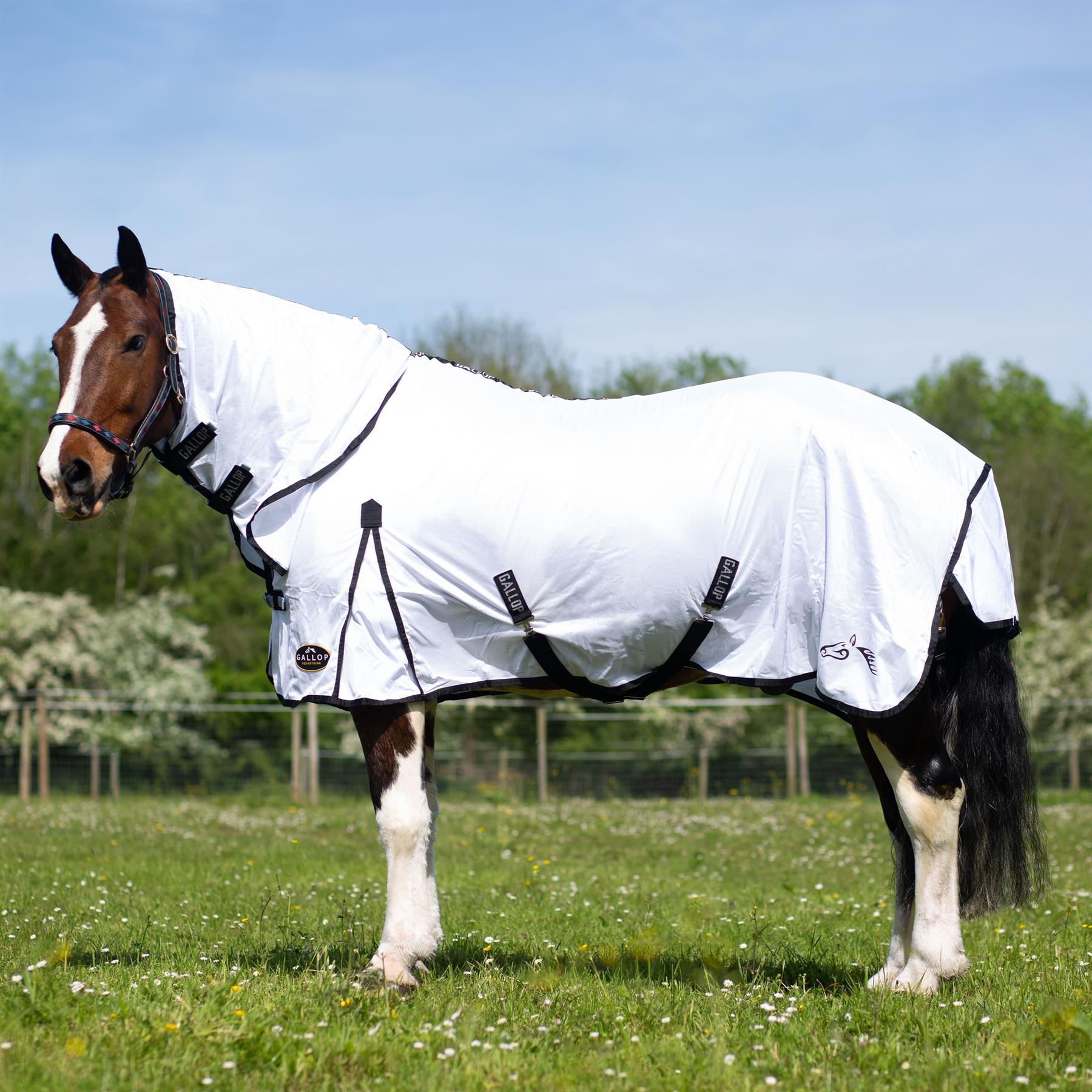
Beyond vaccination, reducing mosquito exposure is crucial in managing WNV risks. Effective mosquito control involves eliminating standing water—potential breeding grounds for mosquitoes—and ensuring water troughs and buckets are kept clean. Additionally, housing horses indoors during peak mosquito activity times (dawn and dusk) and using approved mosquito repellents can substantially reduce the risk of transmission.
The combined effect of these preventative measures—vaccination and diligent mosquito control—creates a formidable defense against WNV.
EDCC's Role in Equine Disease Management
The Equine Disease Communication Center (EDCC) offers invaluable support in the battle against equine diseases like WNV. Its Health Watch program disseminates verified disease information to industry partners, promoting heightened awareness and proactive health management within the equine community.
The EDCC’s timely updates and alerts serve as an asset in safeguarding equine health, underscoring their significant role in disease surveillance and communication.
Conclusion: Taking Proactive Measures
The recent WNV case in Kentucky represents more than just a health scare; it serves as a stark reminder of the ongoing threat posed by the virus. By investing in preventive vaccination and proactive mosquito control, horse owners and caretakers can significantly reduce the risk of WNV infection and protect their horses from this potentially fatal disease.
For more in-depth information, horse owners are encouraged to seek out resources from credible organizations such as the EDCC and engage with timely updates to stay informed about equine health risks. Remember, an ounce of prevention is worth a pound of cure—especially when it comes to our beloved equine companions.
For more information, visit the Equine Disease Communication Center's health updates at EDCC Health Watch and stay informed about the latest developments in equine health.