Understanding the West Nile Virus Threat to Horses
In recent news from Yakima County, Washington, a yearling horse tested positive for the West Nile virus (WNV), raising concerns about the persistent threat this virus poses to equine health. Despite prior vaccinations, the young thoroughbred contracted WNV, illustrating that while vaccinations are crucial, they aren’t completely foolproof.
What is the West Nile Virus?
The West Nile virus is primarily transmitted to horses via infected mosquito bites. Interestingly, horses act as dead-end hosts, meaning they cannot directly spread the virus to other horses or humans. The virus is detected annually in states like Washington, especially during summer and early fall when mosquito activity peaks. It’s essential for horse owners to understand the clinical signs to act promptly and seek veterinary advice.
Symptoms and Mortality Rates
Horses infected with WNV can exhibit a range of symptoms. Mild signs include loss of appetite and fever. However, in severe cases, neurological symptoms such as ataxia (loss of coordination) and involuntary muscle twitching can occur. It’s crucial to note that the mortality rate for horses infected with WNV can reach up to 30-40%, making prevention efforts essential for safeguarding equine health.
Prevention and Maintenance: The Key to Protection
Given that there’s no specific cure for WNV in horses, prevention forms the cornerstone of management strategies. Here are the recommended measures:
- Routine Vaccination Protocols: Regular vaccinations followed by timely boosters help maintain immunity against WNV.
- Mosquito Control: Eliminating standing water can prevent mosquito breeding and reduce the chances of virus transmission.
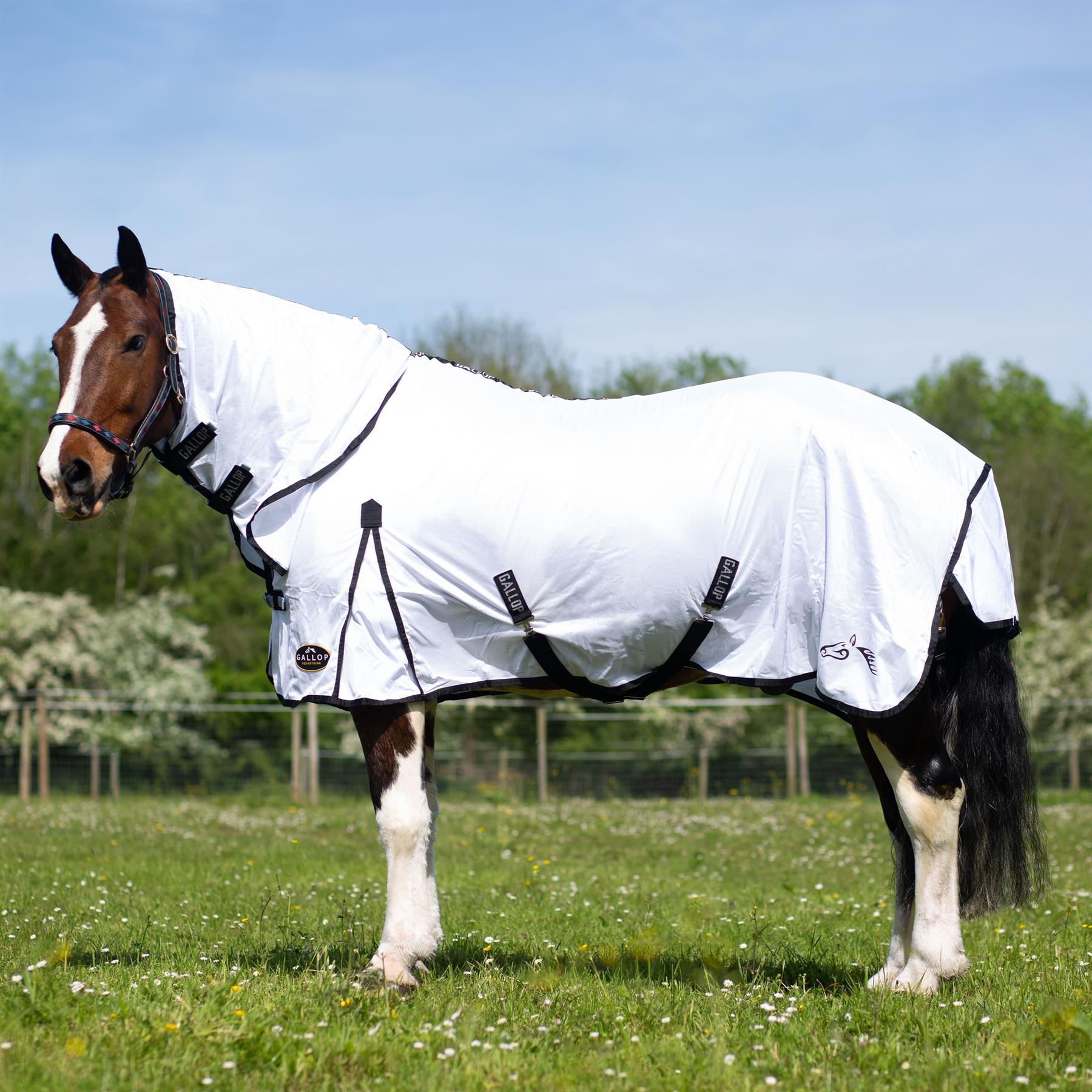
- Reactive Stabling: Keeping horses indoors or in screened shelters during peak mosquito activity times, such as dawn and dusk, offers protection.
- Use of Insect Repellents: Applying horse-friendly repellents can further deter mosquito attacks.
Role of Organizations in Mitigating Risks
Organizations like the Washington State Department of Agriculture and the Equine Disease Communication Center (EDCC) play vital roles in monitoring and disseminating information. They provide guidelines and recommendations, emphasizing the importance of maintaining vigilant vaccination schedules and implementing robust environmental controls.
The Economic and Welfare Impacts
WNV not only affects the health of the individual horse but also has economic implications for the broader equine industry. An outbreak can lead to significant financial losses due to decreased productivity and increased veterinary costs. Hence, both individual horse owners and the equine industry as a whole must embrace prevention strategies to mitigate these effects.
Conclusion: A Call for Continued Diligence
The case of the Yakima yearling serves as a stark reminder of the continuing need for diligence in vaccination and mosquito management programs. For horse owners in regions where WNV circulates annually, maintaining proactive measures is vital. Swift consultation with a veterinarian upon noticing symptoms and adhering to preventive strategies can protect horses from this serious viral threat, safeguarding their health and well-being. Ultimately, while prevention is not infallible, it remains our strongest line of defense against West Nile virus in horses.
For more information, you can visit the official source article.