West Nile Virus Cases Rise in Utah: What Horse Owners Need to Know
The sight of a bag full of bug repellents on your equine supply shelf shouldn't be a surprise to any horse lover, especially when we're talking about West Nile Virus (WNV). Recently, three equine friends in Utah found themselves on the wrong end of a mosquito bite with cases confirmed in Box Elder and Utah counties.
WNV: More Than Just a Nuisance
For those unacquainted, West Nile Virus is a mosquito-borne flavivirus impacting horses, birds, and yes, even humans. Transmitted primarily through mosquito bites, the disease doesn’t ask for RSVP before showing up - usually uninvited.
According to the Utah Department of Agriculture, these reported cases highlight the ongoing equine health concerns within the region. With the Equine Disease Communication Center (EDCC) closely monitoring such outbreaks, the focus remains on raising awareness and encouraging timely disease management. More about this can be found at thehorse.com.
Sneaky Symptoms and Surprising Severity
WNV behaves like a game of hide and seek—sometimes symptoms appear; sometimes they don't. But when they do, they mean business. Symptoms vary from mild flu-like signs such as reduced appetite and depression, to more severe neurological impairments. Expect anything from muscle twitching, which in fancier words is called fasciculations, to disorientation, limb weakness, and ataxia (fancy talk for loss of coordination). This escalation can, regrettably, lead to paralysis and death. According to reports, mortality rates can swing between a sobering 30 to 40%.
The Equine Disease Communication Center remains an invaluable resource in this battle, offering timely updates and promoting heightened vigilance amongst horse owners and veterinarians alike. Catching the disease early is crucial for managing outcomes—never mess with mosquitoes!
The Role of Vaccination in Prevention
Ever heard the phrase "prevention is better than the cure"? Well, in the case of WNV, this couldn’t be more accurate. The potency of vaccination can't be overstated. Annual vaccinations are a must, but in some areas, bi-annual shots are recommended. Vaccinated horses have a drastically reduced risk of developing clinical symptoms, which makes the pricks all the more worthwhile.
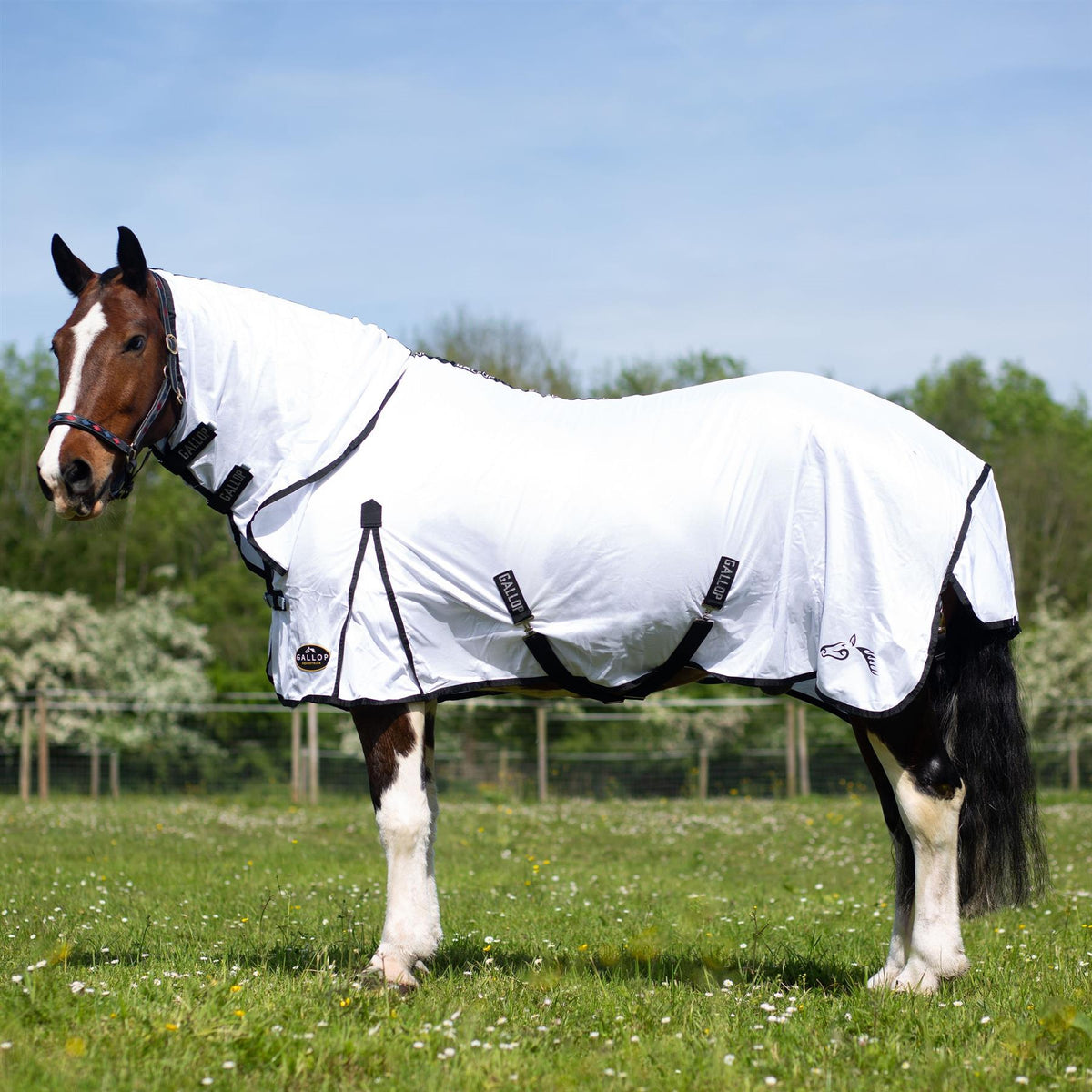
While vaccination serves as the first line of defense, it's not alone in this battle. Helping horses dodge misfortune entails controlling mosquito populations by eliminating standing water, using approved repellents, and maintaining a clean stable environment. Horses with an umbrella dream of this kind of protection from the wrath of WNV.
Case Study: Importance of Timely Intervention
Consider the heart-wrenching case of an unvaccinated gelding in Utah County—a tale none of us wished for. Exhibiting prominent neurological symptoms, the 15-year-old horse suffered rapid decline from ataxia to an eventual heart-breaking decision of euthanasia. It’s stories like these that underscore the need for maintaining updated vaccination schedules for our beloved equines.
Taking Action: Your To-Do List
Here's a nugget of wisdom for all responsible horse owners: Stay vigilant. Ensure your horses are vaccinated, especially with mosquito season lurking around the corner. Regularly inspect your equine friends for any unusual behavior or symptoms—hypersensitivity, depression, or worse.
Furthermore, commit to reducing mosquito habitats around your facilities. Without standing water to call home, you've just sent those pests an eviction notice.
To wrap up, while the threat of West Nile Virus is real, knowledge and proactivity remain our steadfast allies. Trust reputable sources such as Equine Disease Communication Center for the latest updates and strategies. Remember, with a well-informed plan, you won't need to participate in the annual West Nile dodgeball tournament.
Now, in the eternal words of equestrians everywhere: stay safe and keep those tails swishing!