Understanding The Importance Of West Nile Virus Vaccination And Prevention For Horses
Understanding West Nile Virus in Horses: A Case for Vaccination and Prevention
West Nile Virus (WNV) is a mosquito-borne disease that poses a significant risk to horses, especially those unvaccinated. Recent reports about an unvaccinated 3-year-old Standardbred gelding in Maryland contracting WNV serve as a stark reminder of the need for vigilant preventive measures. Let's break down the essential points about WNV in horses and the critical importance of vaccination and environmental control.
How is West Nile Virus Transmitted?
WNV in horses is transmitted primarily through bites from infected mosquitoes. These mosquitoes typically acquire the virus from bird reservoirs. An interesting fact is that horses, though contract the virus, cannot transmit it to either humans or other horses, primarily because the virus does not reach sufficient levels in their bloodstream. The spread is mainly due to mosquito interaction and not direct horse contact.
Clinical Symptoms to Watch Out For
The range of symptoms in horses with WNV can vary widely. Initially, horses may display flu-like symptoms such as fever, decreased appetite, colic, and muscle twitching. As the disease progresses, more severe neurological symptoms can develop, including ataxia (loss of coordination), facial paralysis, and even seizures. The statistics suggest a worrying mortality rate of 30-40% among clinically affected horses, with higher risk noted in unvaccinated or older horses.
Supportive Care But No Cure
One of the unfortunate truths about WNV is that there is no specific antiviral therapy available for horses. Treatment strategies mainly involve providing supportive care. This could include using anti-inflammatory drugs, intravenous fluids to prevent dehydration, and nutritional support. In cases where horses exhibit severe neurological involvement, measures such as sedation or the use of slings to assist mobility might be necessary. Despite the severity, many horses recover with adequate care, although some could have lasting neurological deficits.
The Role of Vaccination
Vaccination against WNV has shown a remarkable efficacy in preventing the disease. Vaccination remains the most effective preventive measure. Horses typically need an annual booster shot to maintain immunity. In regions with a high mosquito prevalence, it might be advisable to opt for twice-yearly boosters. For unvaccinated horses, a two-dose primary series is recommended to establish adequate immunity.
Environmental Control Measures
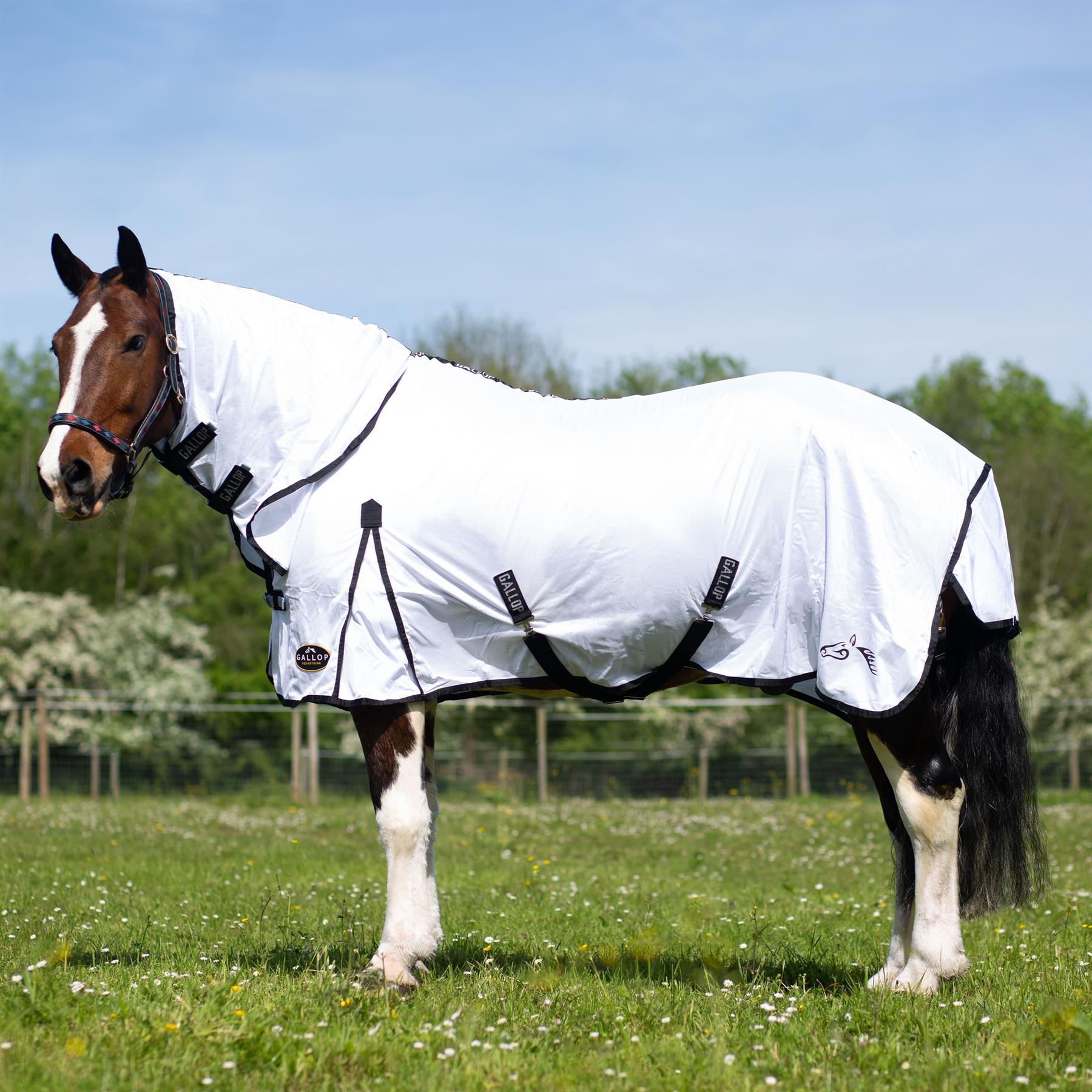
Complementing vaccination, controlling mosquito populations is a crucial strategy. This includes eliminating standing water which serves as mosquito breeding grounds, regularly cleaning water troughs, and stabling horses during peak mosquito activity periods—dusk and dawn. Furthermore, applying equine-safe mosquito repellents can significantly reduce the risk of bites.
Situational Awareness and Education
The recent case in Maryland again underlines the critical importance of being aware of the signs of WNV and having effective preventive measures in place. Organizations like the Equine Disease Communication Center (EDCC) are instrumental in spreading information and supporting horse owners and veterinarians. Staying educated and informed about WNV and collaborating with veterinarians for the best prevention strategies can be a lifesaver.
Conclusion
In summary, WNV poses a severe threat to equine health, but proactive measures can substantially mitigate the risk. A combination of vaccination, environmental controls, and rigorous observation forms the backbone of effective WNV prevention. Horseowners should leverage the resources and information provided by veterinary organizations to protect their animals from this potentially fatal disease. As humorous as a "skeeter-skirmish" sounds, battling mosquitoes remains a significant step towards safeguarding equine welfare.
For more detailed information on West Nile Virus in horses, you may refer to [The Horse](https://thehorse.com) and the University of California's [Veterinary Medicine Center](https://ceh.vetmed.ucdavis.edu/health-topics/west-nile-virus).