West Nile Virus: A Persistent Foe for Horses
The recent diagnosis of a 7-year-old Quarter Horse gelding in Cache County, Utah, with West Nile virus (WNV) serves as a stark reminder of the ongoing risks these viruses pose to equine health. While this horse is reportedly on the mend, the situation underscores the importance of vigilance and prevention in managing WNV risks for our equine friends.
Understanding West Nile Virus Transmission
West Nile virus is known for its transmission primarily through mosquito bites, with birds acting as the main reservoir hosts. Horses and humans, interestingly, are considered "dead-end" hosts. This means that while they can contract the virus, they don't contribute to its spread. Less infectious than your average cold, but certainly more alarming!
The Symptoms: What to Look Out For
In horses, WNV manifestations vary from asymptomatic to severe neurological disorders. Common signs include weakness, muscle fasciculations (those bewildering muscle twitches), fever, stumbling, and heightened sensitivity to sensory input, which the horse might enjoy exploiting as an excuse for an epic spook at the squirrel. More severe symptoms encompass seizures, paralysis, and occasionally recumbency.
Diagnosis involves ruling out other neurological issues, typically by detecting IgM antibodies via ELISA testing or spinal fluid analysis. Unfortunately, no direct antiviral treatment exists for WNV, with supportive care acting as the primary treatment strategy.
Supportive Care: Helping Horses Recover
In terms of supportive care, horses may receive anti-inflammatory medications, such as NSAIDs like phenylbutazone or corticosteroids, and intravenous fluids to stave off dehydration. In severe cases, sedation or even physical support using slings might be necessary. Statistically, while about 30-40% of those affected by WNV may not survive, encouragingly, numerous horses recover fully or with minor neurological challenges.
Prevention: The Best Medicine
If prevention is indeed better than cure, then vaccination for WNV is the equine fortress. An initial series is indispensable, followed by annual boosters. In high-risk zones, additional boosters might be advisable, kind of like your grandma always insisting you take that extra sweater—just in case.
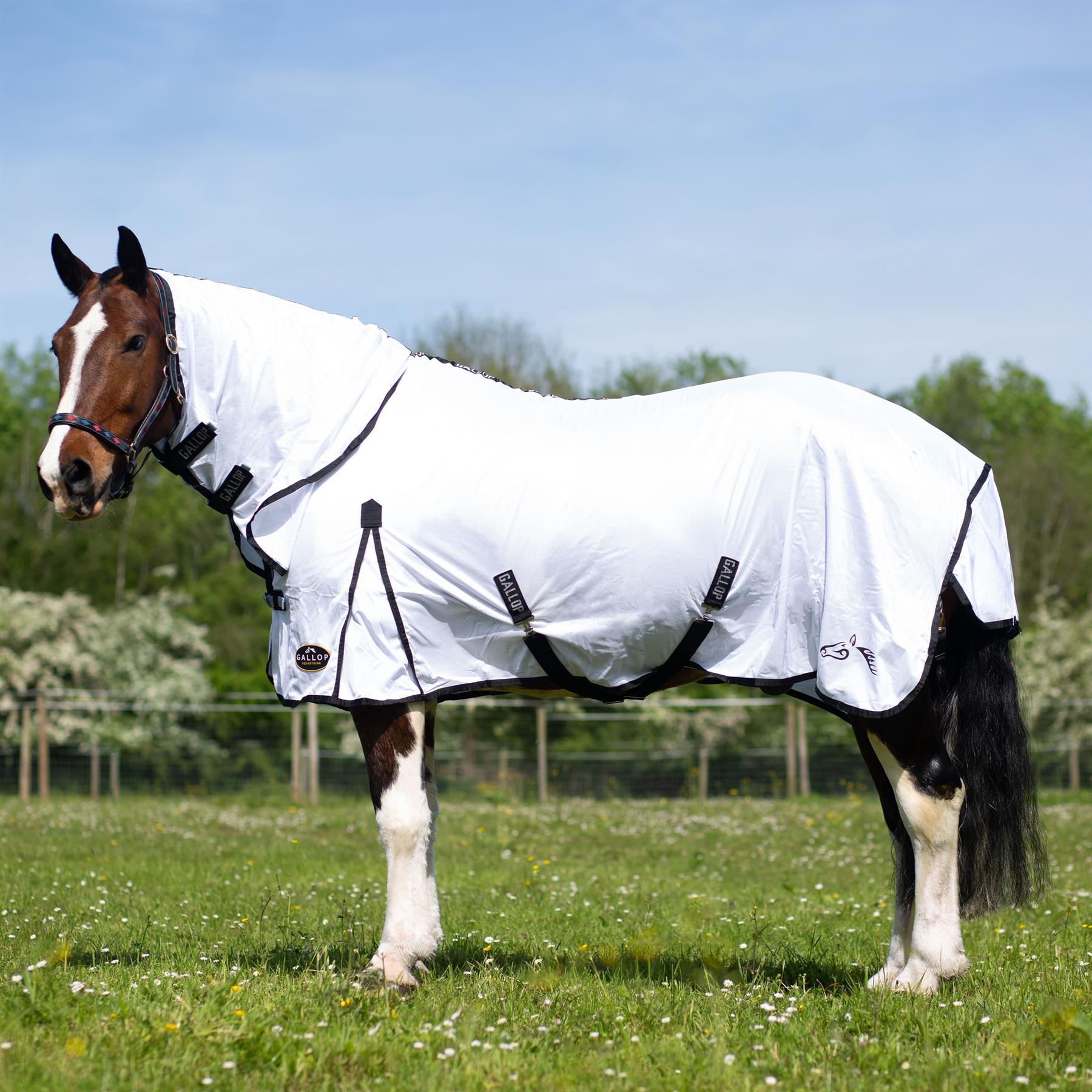
Beyond vaccinations, effective management involves mosquito-suppressing measures. These include eliminating any standing water, adopting approved mosquito repellents, and shielding horses during the notorious mosquito peak activity times. This three-pronged defense is essential in reducing the WNV transmission risk.
The Role of Equine Disease Communication Center (EDCC)
The Equine Disease Communication Center (EDCC) plays an influential role in overseeing and disseminating data on equine infectious diseases. They effectively serve as a vaccination cadaver, ensuring horse owners and veterinarians are well-informed about regional threats and can implement suitable preventative measures.
A Call to Vigilance: Lessons from Utah
The recent Utah case accentuates the necessity for horse owners to recognize WNV’s early signs while maintaining a robust vaccination schedule and diligent mosquito control strategies. Although supportive care can aid recovery, cultivating a proactive, layered prevention approach is invaluable in preserving equine health. After all, even a horse doesn’t like getting sick—or have they not been fed enough carrots lately?
Ultimately, while WNV remains a challenge, through education, vigilant practices, and effective prevention, we can keep our beloved horses prancing gracefully and without any staggers.
For more information, you can read further on the West Nile virus on the University of California's webpage: West Nile Virus Health Topic.
Sources:
- TheHorse.com via Equine Disease Communication Center
- University of California, Davis Veterinary Medicine