

Is It Time to Reconsider Your Horse's Farrier: Signs Your Horse's Hoof Health May Be at Risk
As any devoted horse owner knows, the health and well-being of your equine companion ranks high on the list of priorities. One vital aspect of their health is their hoof care, which, like the tires of a car, are fundamentally critical to their performance. An experienced farrier is vital for maintaining hoof health, but how does one measure their efficacy? Herein lies a comprehensive guide to recognizing signs that indicate your horse's hoof health may be at risk and why it may be time to reconsider your horse's farrier.
Gait and Behavior Changes
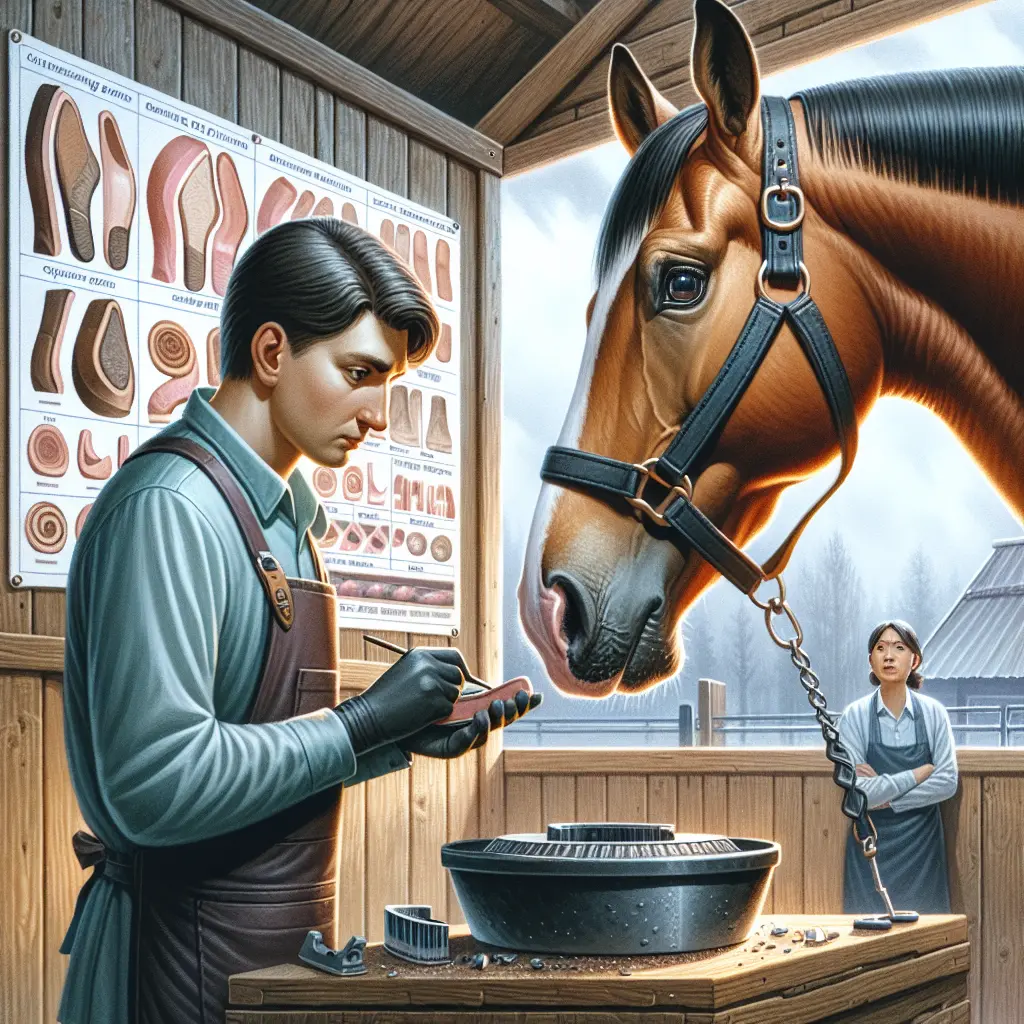
When out on a ride, it's vital to notice if your horse has suddenly turned into a... well, let's call it a clumsy rendition of its former self. Changes in gait or behavior, such as reluctance to move, walking heel to toe, or shuffling, could indicate underlying hoof issues like laminitis, navicular syndrome, or hoof abscesses. These conditions aren't just buzzwords; they require immediate attention [source].
Heat or Swelling
Feeling the heat doesn't always mean it's time to break into a dance. If there's excessive warmth or swelling around your horse's hooves, it signals inflammation. This could stem from bruises, abscesses, infections, or bony injuries. A pounding digital pulse felt at the back of the pastern also serves as a red flag to alert you of potential issues [source].
Abnormalities in Hoof Shape
If your gait analysis uncovers hoof shapes that look like they've walked through a modern art museum, it might not just be by design. Abnormalities such as cracks, chips, flares, underrun heels, or club foot can suggest more severe issues waiting to surface. Cracks, especially, point to bacterial and fungal invasions exacerbated by wet or dry conditions [source].
Foul Odor
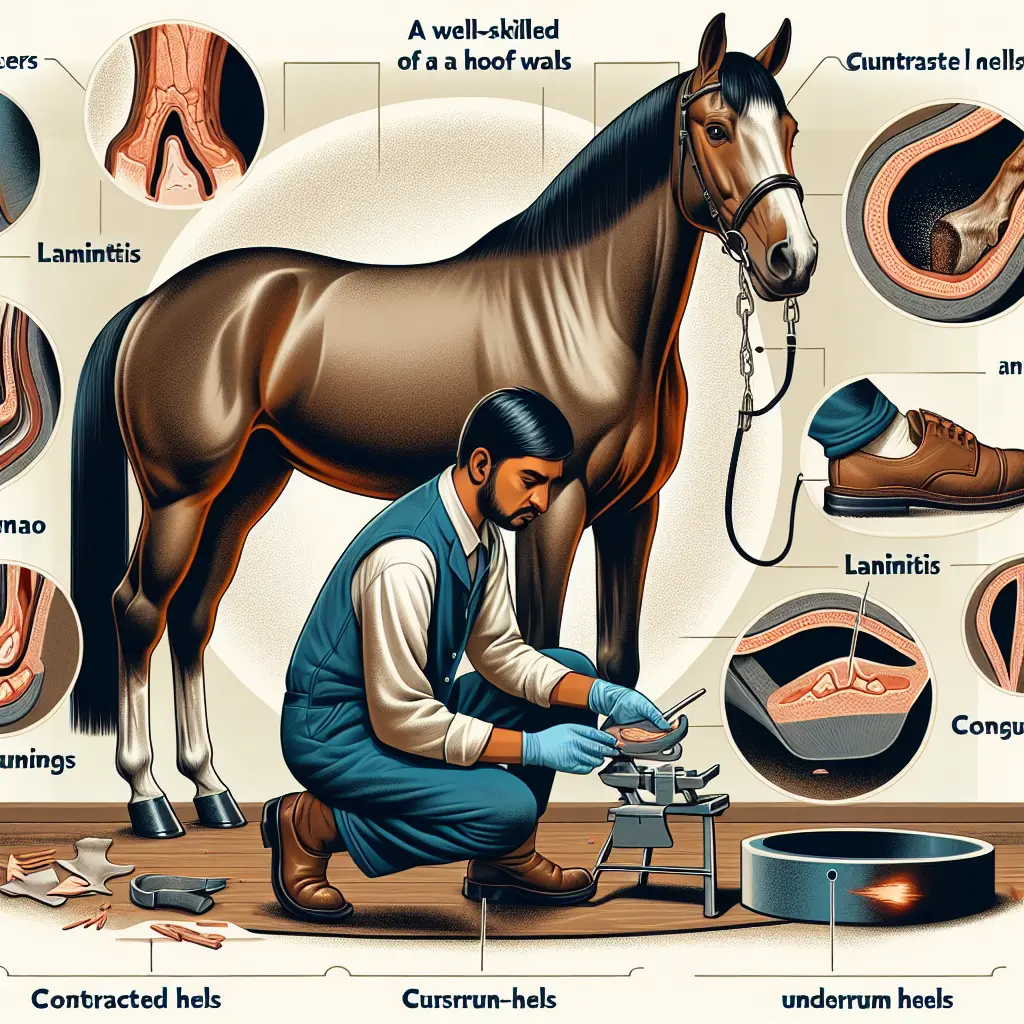
Ever been downwind of a hoof infection? One word: Thrush. This commonplace yet nasty infection sets up shop in the frog's center and grooves and shouts its presence through a black, pasty discharge. Horses unfortunate enough to be boarded in moist, damp, and unclean quarters, especially those with lengthy heel conformation, are more susceptible.
Visible Bruises and Discoloration
Not all discoloration is the work of an avant-garde pedicure! Visible patches indicate hoof bruises, often resulting from acute trauma like improper shoeing or blunt force. Lameness can vary from mild to severe and may escalate to an abscess if persistent.
Hoof Abscesses
Speaking of abscesses, these are notorious for their ability to transform a serene ride into a theatrical production of sudden and severe lameness. When bacterial or fungal organisms decide to hold a party inside a wound or opening, infection ensues, resulting in variable lameness, a pounding digital pulse, heat, and swelling. Wet seasons, such as spring and winter, serve as their favorite backdrops for appearances.
White Line Disease
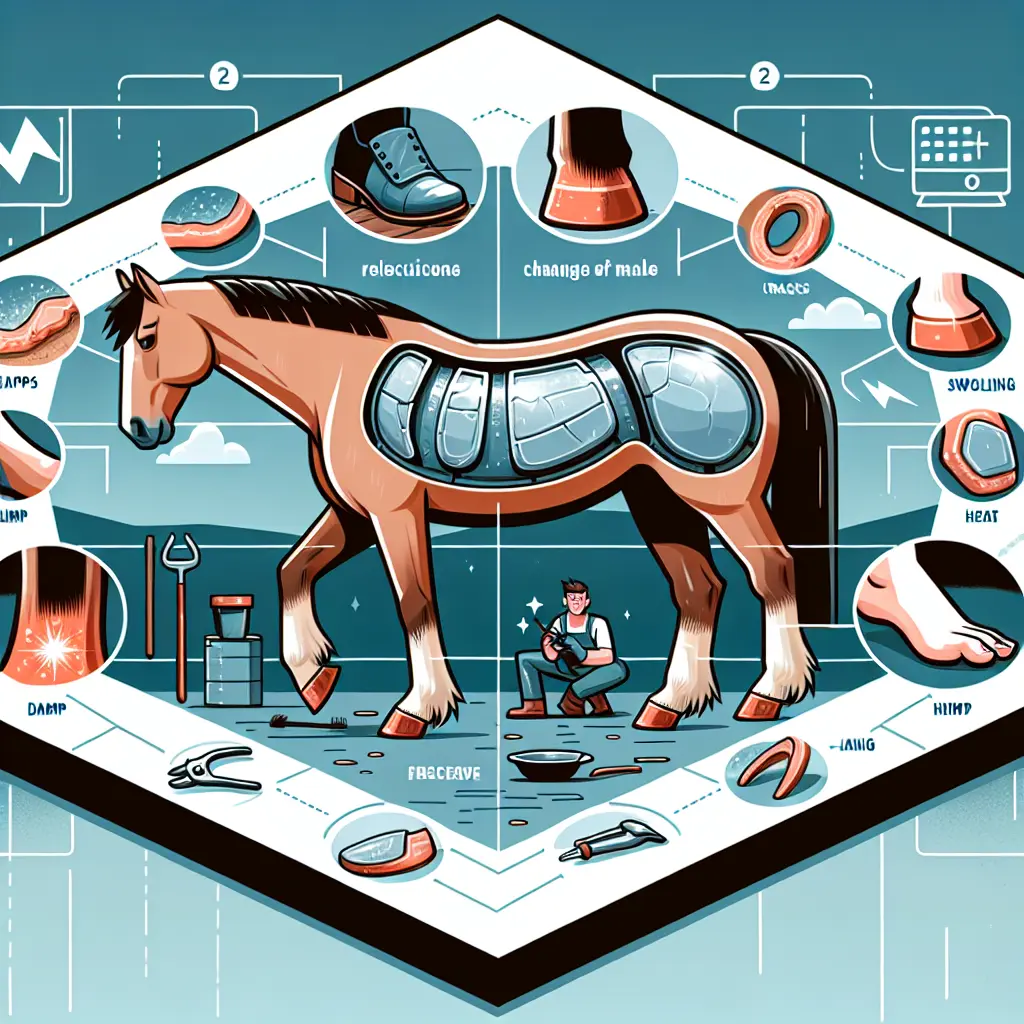
Similar symptoms, different culprit: White Line Disease, which often accompanies its bacterial and fungal cousins on their invasion of the hoof, creeping through separations and cracks in the wall. Severe cases can even lead to laminitis and coffin bone issues, leaving your horse in distress [source].
Laminitis and Founder
When talking about hoof health, it's impossible to ignore the prevailing cloud of laminitis and founder. With the emotional equivalent of advice from Dr. Doom, these conditions weaken the interlocking laminae connecting the coffin bone to the outer hoof wall, often due to high insulin levels triggered by grain overloads or sudden access to lush pastures [source].
Navicular Syndrome
And then there's Navicular Syndrome, an ailment that targets the podotrochlear apparatus of the equine foot. Frequent tripping, toe-first landings, or contracted heels are kindred signals of this fiend that inhibits your horse’s performance and can severely affect gait.
Contracted Heels
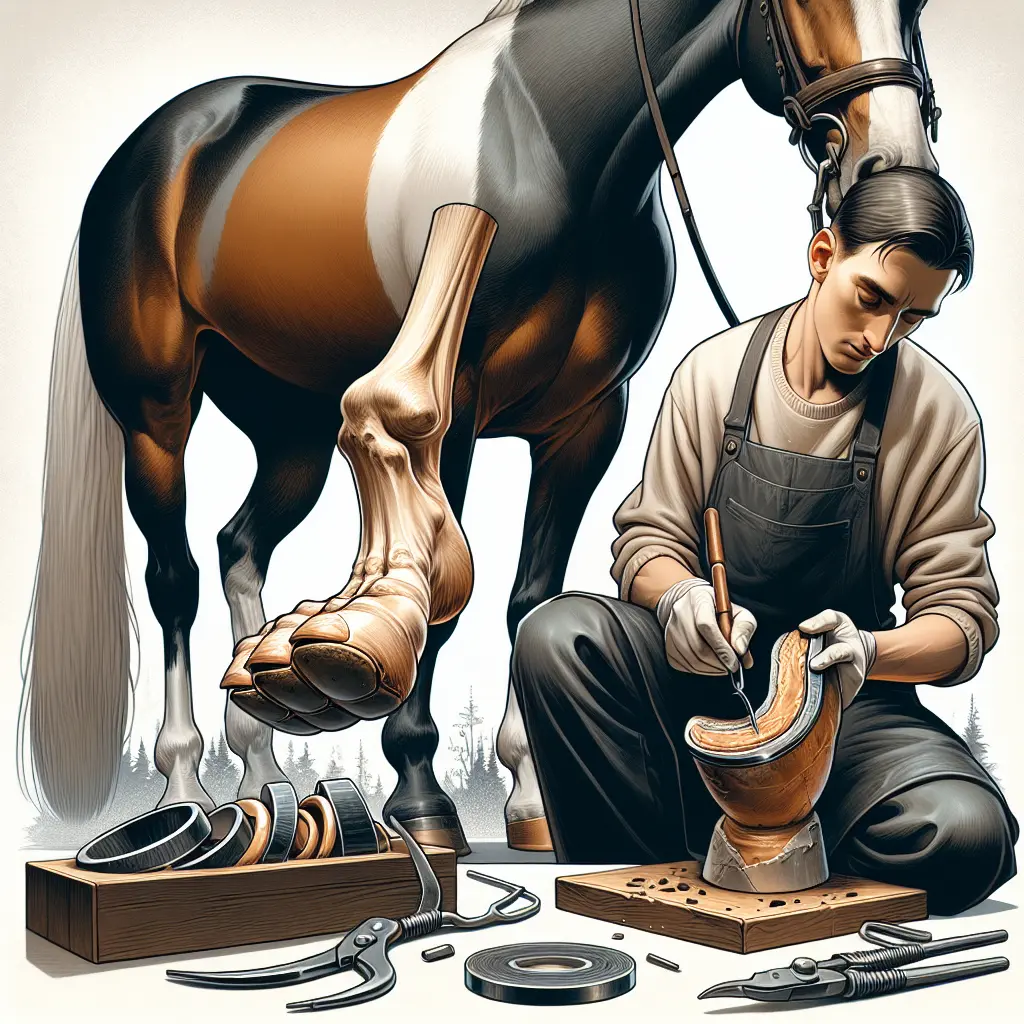
Contracted heels often form the punchline of improper shoeing jokes that aren't funny. They result from practices that prevent hoof expansion and sufficient frog pressure, leading to a narrow and shrunken frog, curved bars, or dried hoof horn. Painfully noticeable at speed, contracted heels need urgent correction [source].
The Importance of Regular Hoof Care
Given the plethora of potential issues that could plague your horse's hooves, regular and proper care from a qualified farrier becomes critical. Here are the essentials:
Trimming and Shoeing Practices
Ensure that trimming and shoeing practices applied by your farrier minimize harm. Although the term “cutting corners” is overused, here it is literal and detrimental if done incorrectly, leading to structural issues.
Environmental Conditions
Your horse's living environment should avoid resembling a swamp. Horses exposed to damp, unclean conditions are prone to infections such as thrush and abscesses [source].
Nutritional Status
The food journey isn't just for humans; it extends to our hooved pals as well. A diet with balanced nutrients can play a critical role in sustaining healthy hooves, while diets high in soluble carbohydrates can be the precursor to laminitis.
Metabolic Health
Lastly, horses dealing with metabolic issues like Equine Metabolic Syndrome (EMS) and Cushing's disease (PPID) should be closely monitored. These conditions put them at an increased risk for complications like laminitis and founder [source].
What to Look for in a Farrier
Evaluating whether your current farrier passes muster? Here’s what to check:
Experience and Qualifications
A farrier armed with the necessary qualifications and experience is like a horse with a red ribbon – essential. Certifications from reputable organizations are good indicators of their expertise.
Regular Communication
Effective communication is paramount. A farrier who explains the state of your horse's hooves and their process in addressing any issues is worth their weight in gold (or horseshoes, for that matter).
Proper Techniques
The value of proper trimming and shoeing techniques can't be overstated. These should align with the latest research and industry best practices to avoid issues like contracted heels.
Attention to Detail
The devil’s in the details, and in this case, so is good hoof care. A thorough farrier will closely inspect your horse's hooves, keeping an eye out for infections, bruising, or other potential issues during each visit.
Preventative Care
Prevention is worth an ounce of cure. A farrier focused not just on treatment but also on preventative advice regarding proper care and management is indispensable.
Conclusion
Your horse's hoof health is integral to their overall well-being, and finding the right farrier is akin to discovering a knight in shining armor – crucial yet elusive. Equipped with an awareness of signs indicating potential hoof issues and the importance of regular hoof care, your horse can leap from strength to strength. So, if you notice any troubling signs, it might be time to reconsider your horse's farrier and ensure your beloved companion receives the care they deserve.
Looking to revamp your horse riding gear? Click here for our essential [Jodhpur Collection], [Horse Riding Boot Collection], and other accessories such as [Horse Riding Gloves].
Ultimately, when considering your horse's health, never forget: those who stand well, ride well.