

What Are the Best Strategies for Managing Behavioral Changes in Young Horses Due to Environmental Shifts?
Managing behavioral changes in young horses is a critical skill for anyone involved in their care. Young horses are highly sensitive to their surroundings, and even slight environmental shifts can trigger a range of behavioral issues. In this article, we will explore effective strategies to manage these changes while ensuring the horse remains healthy and ready for training.
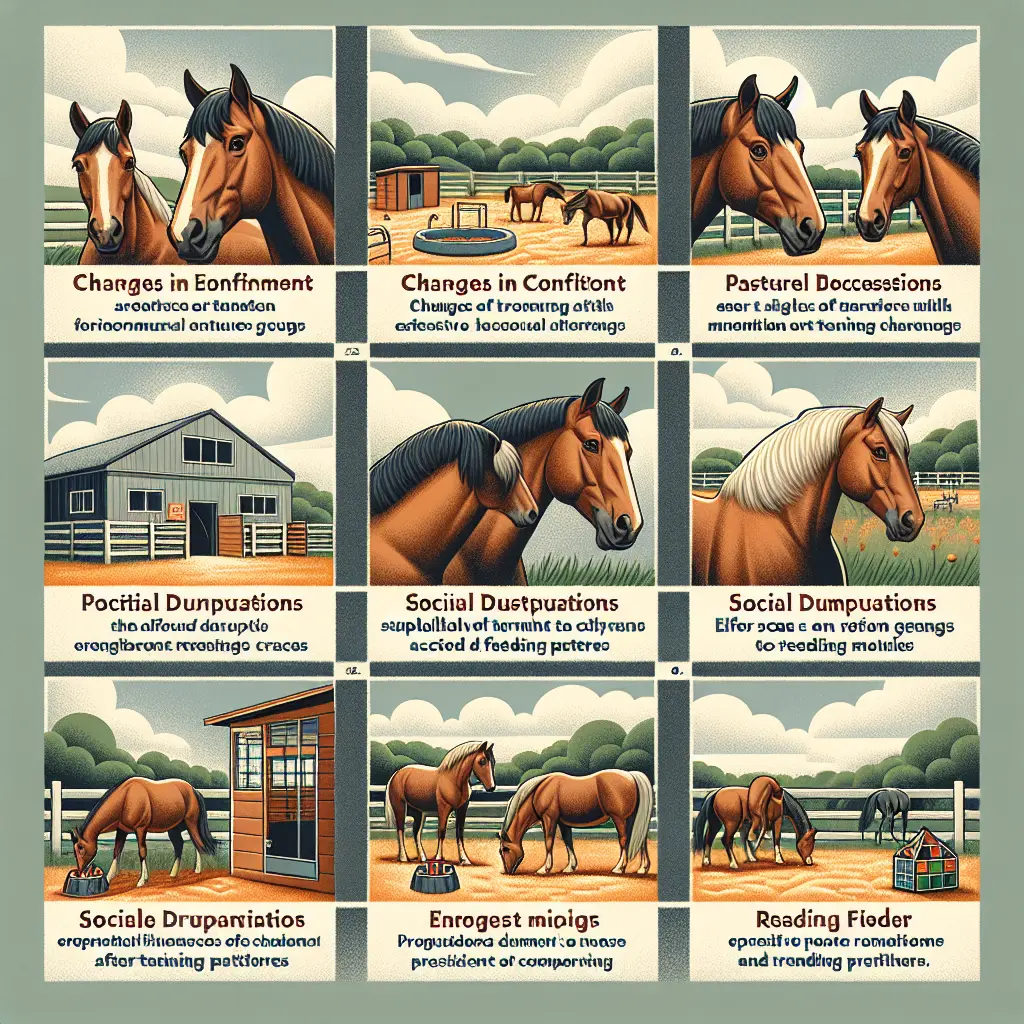
Understanding Behavioral Changes in Young Horses
Young horses often face behavioral shifts when experiencing changes in their environment, such as confinement, changes in pasture access, or disruptions in their social groups. These can result in increased stress behaviors like pacing, biting, or even cribbing. It's important to remember that horses who are used to freedom and social interactions may become frustrated if isolated or confined for too long.
According to The Willing Equine, prolonged stalling or insufficient forage can lead to more abnormal behaviors, including agonistic interactions and stress indicators like pawing and neighing.
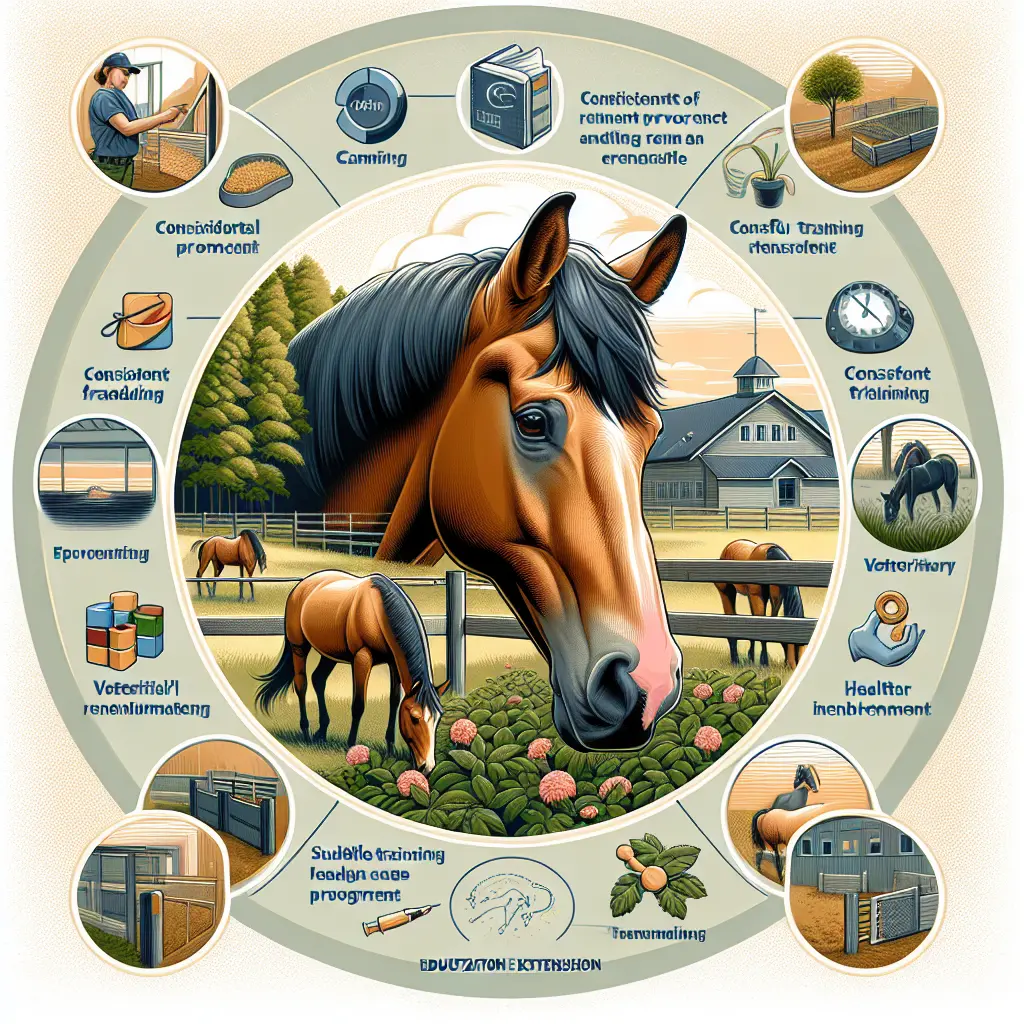
Key Strategies to Manage Behavioral Changes
1. Maintain Consistent and Enriched Environments
The key to managing horse behavior effectively is ensuring a consistent and enriched environment. Regular turnout and access to pasture help horses express their natural behaviors, reducing stress and unwanted behaviors. Providing varied environments for mental stimulation and allowing them to interact with different horses and feed on diverse grasses can reduce boredom and frustration.
Explore our Jodhpur Collection to find the perfect attire for your enriched riding experience.
2. Ensure Appropriate Social Contact
Horses are highly social creatures. Stable group compositions minimize aggression and stress-related behaviors. Giving them the chance for appropriate social contact can prevent unnecessary loneliness, which can lead to anxiety and behavioral inconsistencies.
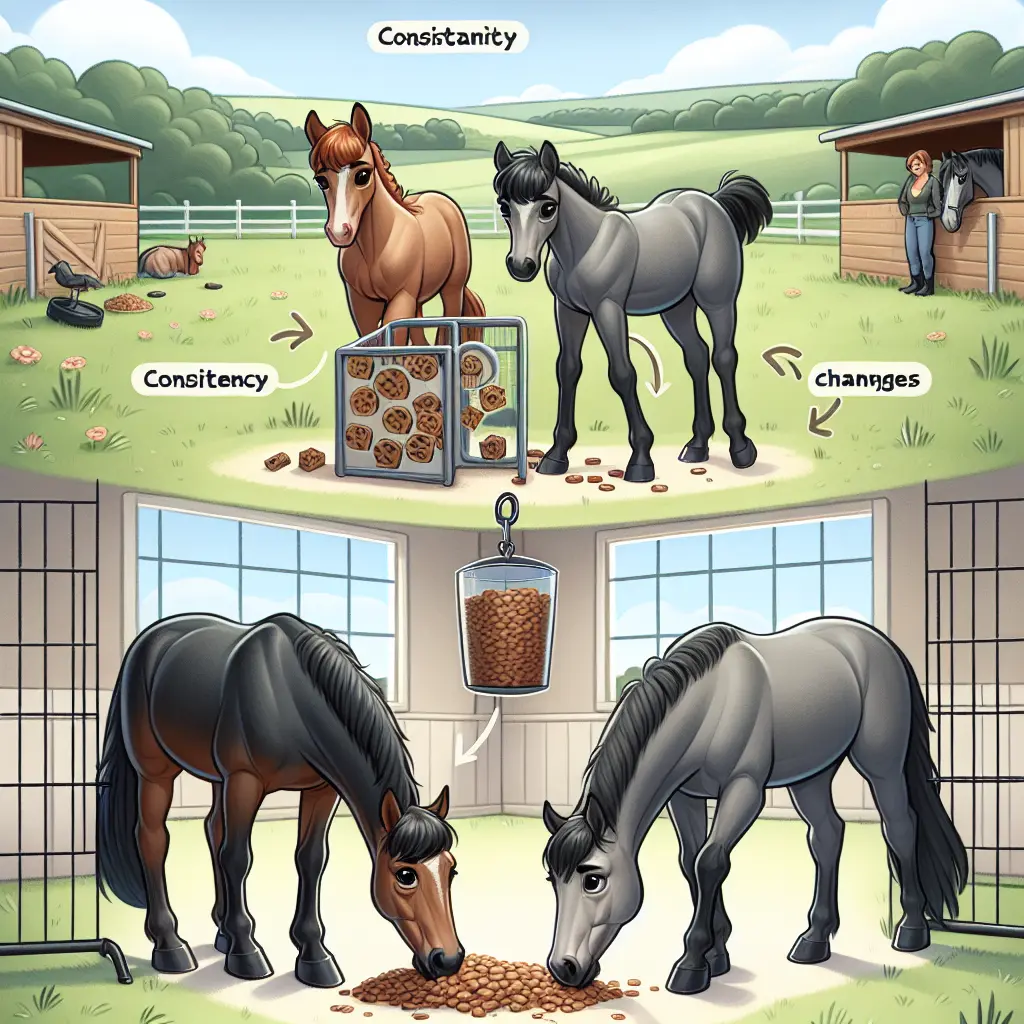
3. Optimize Feeding Practices
Because horses are natural grazers, offering frequent small meals or constant access to forage is essential. It reduces stress and abnormal eating habits. Everyday supplements can further support their nutritional needs in a balanced way.
4. Manage Training Progress and Consistency
Avoid the temptation to push young horses too quickly in training. Rapid progression can often lead to confusion and resistance such as bucking or rearing. Consistent and clear communication from handlers will reduce anxiety and misunderstanding. Consider our comprehensive Horse Riding Boot Collection to ensure comfort and support during training.
5. Incorporate Physical and Mental Enrichment
Encourage horses' curiosity and intelligence with physical and mental enrichment activities such as free movement, puzzle feeders, or learning new skills. This can prevent frustration that often arises from confinement or monotony.
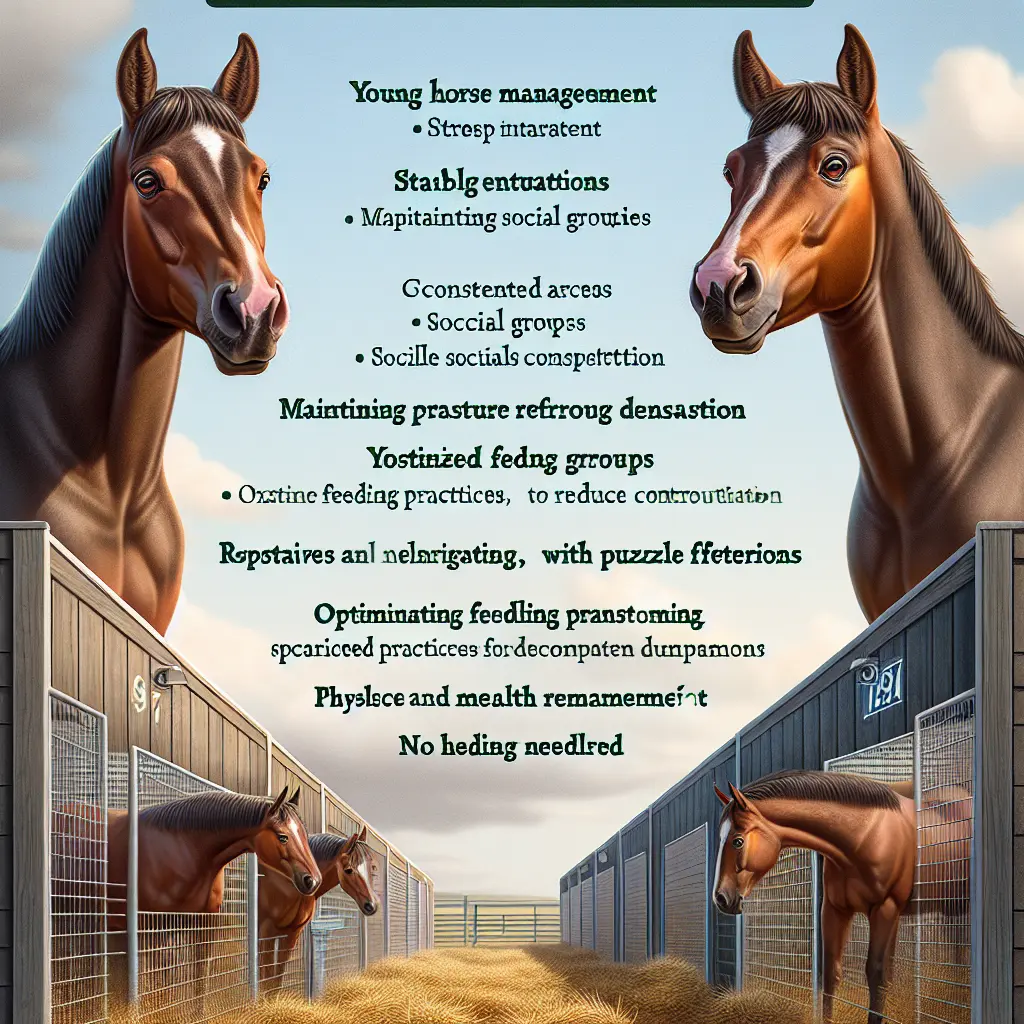
6. Monitor Health and Provide Adequate Recovery
Regular health monitoring is crucial for young horses. Allowing time for recovery between training sessions helps avoid fatigue and elevated cortisol levels, which can exacerbate behavioral issues. Address any physical health concerns promptly to ensure pain or discomfort doesn't manifest as behavioral problems.
7. Reduce Stress from Environmental Overstimulation
Environments like shows or training areas can be overstimulating for young horses. Managing these environments carefully to prevent stress overload is key. Overexposure to noisy or unpredictable settings can lead to extreme fear responses, which can be mitigated by providing the horse with reassuring familiarity.
Supporting Facts and Figures
Research indicates that horses confined to smaller environments demonstrate significantly more stress behaviors and fewer natural foraging and play behaviors. Studies published in PMC, NIH suggest that available forage leads to reduced stress, encouraging natural calmness.
Moreover, cortisol levels have shown to be adversely affected by stress from environmental factors and overtraining, negatively impacting behavior (source: Just Horse Riders).
Conclusion
Effectively managing behavioral changes in young horses due to environmental shifts requires a holistic approach that addresses both their physical and psychological needs. With the right strategies in place—from consistent environments and social contact to carefully-managed feeding schedules and training—young horses can achieve healthy development and training readiness.
For additional horse behavior advice, check out resources from UF/IFAS Extension among others. Also, visit our store for essential horse equipment and supplements.