

Do Hay Balls Revolutionize Feeding for Ponies and Donkeys?
Feeding your ponies and donkeys can often feel like deciphering a culinary puzzle. Ensuring that your four-legged friends get the proper nutrition is crucial not just for their health but also for their happiness and well-being. Traditionally, loose or baled hay has been the go-to fiber source, but the recent advent of hay balls has stirred the pot, so to speak. This article takes a deep dive into whether hay balls are revolutionizing feeding methods for our equine companions by examining their benefits, potential drawbacks, and how they integrate with traditional feeding practices.
The Importance of Hay for Ponies and Donkeys
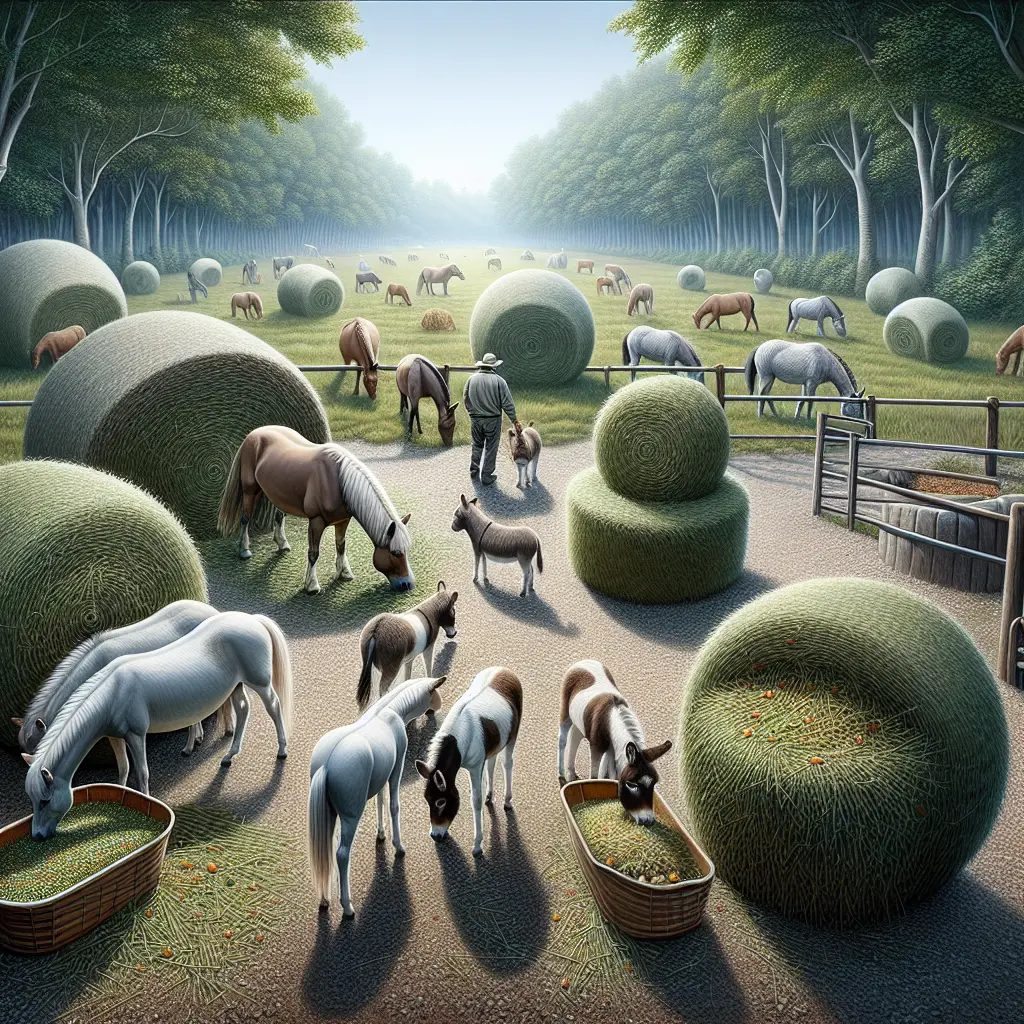
Hay isn't just horse feed; it's a lifesaver, toolkit, and plaything all rolled into one. The long fibers of hay are essential to support healthy digestion, prevent colic, and promote dental health through natural chewing behaviors [1]. Donkeys, in particular, find hay indispensable, and here's why:
- It supports digestive health, promoting regular bowel movement.
- Hay supplies essential nutrients like vitamins, minerals, and protein.
- It helps maintain a glossy coat and keeps teeth naturally worked down.
- It provides hydration through its moisture content—a crucial feature in hot weather.
- Hay also provides mental stimulation by encouraging foraging behavior.
Experts recommend feeding ponies and donkeys grass hay (such as timothy or orchard grass) because it is high in fiber but low in protein and energy. This helps mitigate weight gain and metabolic disorders often associated with richer feeds [2].
What are Hay Balls?
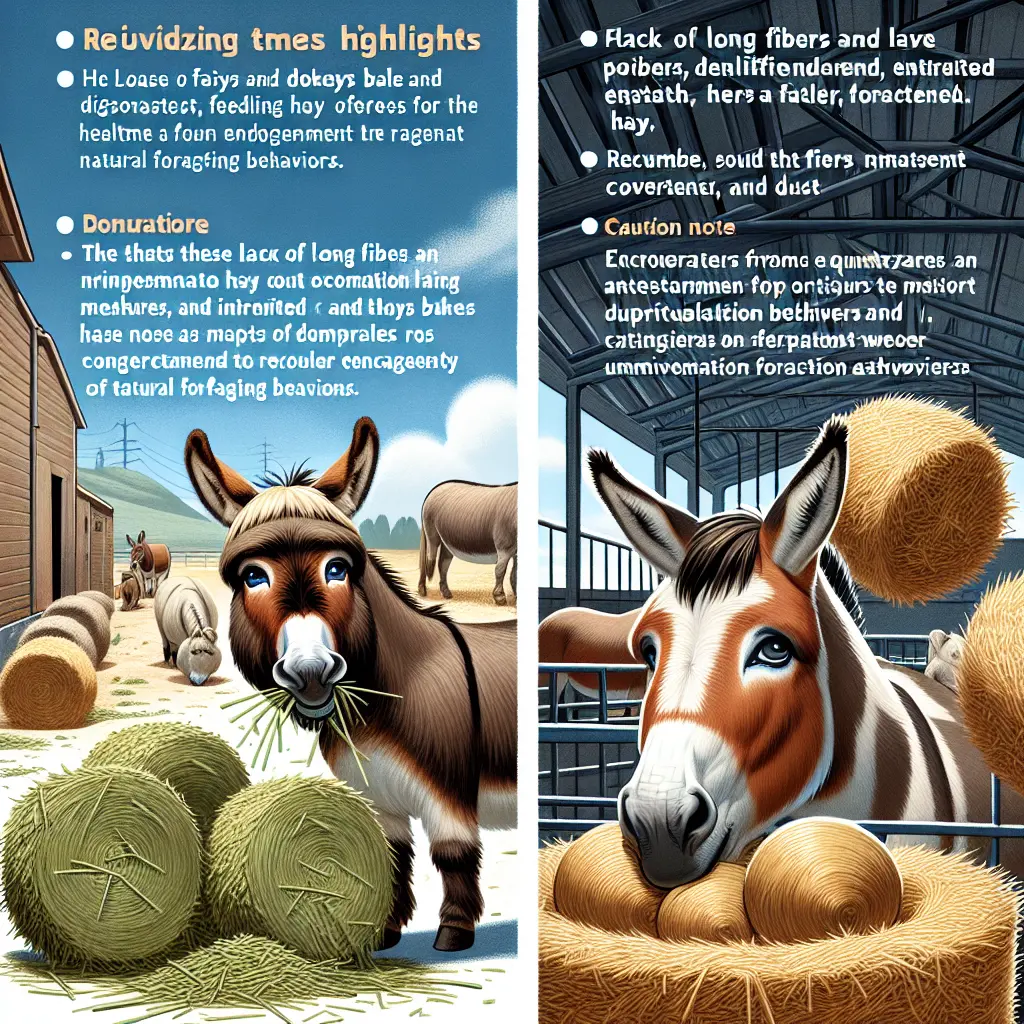
Hay balls are like the fiber version of Happy Meals for horses. These are compact balls of hay, often wrapped in netting or formed as compressible units, sometimes enhanced with additional nutrients or supplements. They provide an innovative, easy-to-manage feeding method designed to be dust-free and often more convenient than traditional hay bales.
Potential Advantages of Hay Balls
Portion Control and Waste Reduction
It's like your equines have finally opted for a diet plan. Hay balls can be pre-measured to help owners regulate how much hay is consumed daily, effectively reducing wastage that usually occurs with loose hay, where it may potentially be trampled upon.
Reduced Dust and Allergens
The compact form of hay balls means that they typically generate less dust, a major cause of respiratory issues in equines exposed to moldy or dusty hay. Less dust equates to happier, healthier lungs.
Convenience for Owners
Think of hay balls as the drive-thru equivalent—easy to store, transport, and distribute. They make feeding less of a chore, particularly for those with limited storage or time constraints.
Foraging Stimulation
If designed to require gradual consumption, hay balls can simulate natural foraging behavior, keeping your ponies and donkeys mentally stimulated and reducing potential boredom [1].
Potential Drawbacks and Considerations
While hay balls come with handy perks, they have their downsides too.
Digestive Health Risks
Ponies and donkeys rely on long-stemmed forage to stimulate chewing and saliva production, essential for buffering stomach acid. Over-processed hay balls may reduce chewing time, potentially escalating the risk of gastric ulcers or colic if not supplemented with other long-fiber sources [4].
Nutrition Variability
With loose hay, you can assess quality visually, but not so much with compressed hay balls. Quality may vary, so ensure they maintain appropriate fiber levels and are free from mold or dust.
Feeding Amounts
Donkeys typically consume 1-2% of their body weight in hay daily, usually split into morning and evening feedings. Thus, it’s critical that hay balls are portioned to meet these requirements to avoid overfeeding or underfeeding.
Expert Recommendations
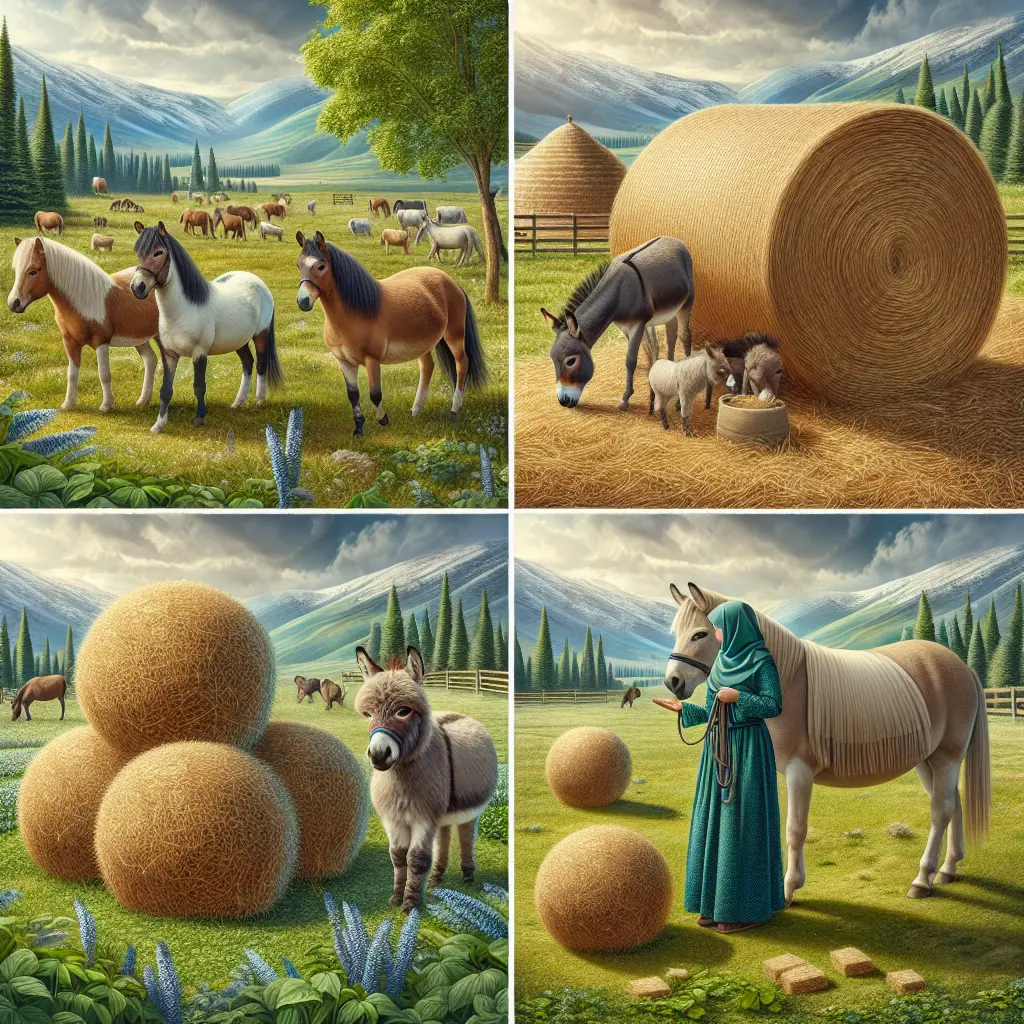
The Donkey Sanctuary and other equine nutrition authorities recommend feeding quality fiber-rich forage to mimic a donkey's natural diet—primarily barley straw or mature grass hay [4]. They advise caution with options like haylage due to variable energy content and possible spoilage. Hay balls can supplement but shouldn't replace traditional hay without considering the collective impact on fiber length, nutrient balance, and animal behavior.
Conclusion: Do Hay Balls Revolutionize Feeding?
Hay balls offer convenience, dust reduction, and portion control, making them a nifty tool in an owner's feeding arsenal. However, they cannot fully replace traditional long-stemmed hay—critical for digestive health and behavioral enrichment of ponies and donkeys. To truly revolutionize feeding, hay balls must ensure fiber integrity and nutritional completeness while promoting robust chewing. Therefore, hay balls serve as a complementary feeding strategy—enhancing yet not fundamentally altering the traditional nutritional guidelines promoted by equine welfare experts [4]. Owners considering hay balls should transition gradually and keep a close eye on the coat, weight, digestion, and behavior to ensure the ongoing benefits of hay feeding are preserved.
For those keen to mix things up, check out Just Horse Riders' diverse range of products that cater to equine nutrition and apparel necessities, such as their Jodhpurs Collection, or boost your pony's health with Everyday Horse Vitamins & Supplements.