

Understanding Rider Weight and Horse Welfare: Balancing the Scales in Equestrian Sports
Equestrian enthusiasts are increasingly interested in the dynamics of rider weight and horse welfare, a subject mired in both scientific scrutiny and community discourse. As more studies delve into the impact of rider-to-horse bodyweight ratios, the equestrian world is shifting to prioritize horse wellbeing alongside riding enjoyment.
The Rider-to-Horse Bodyweight Ratio
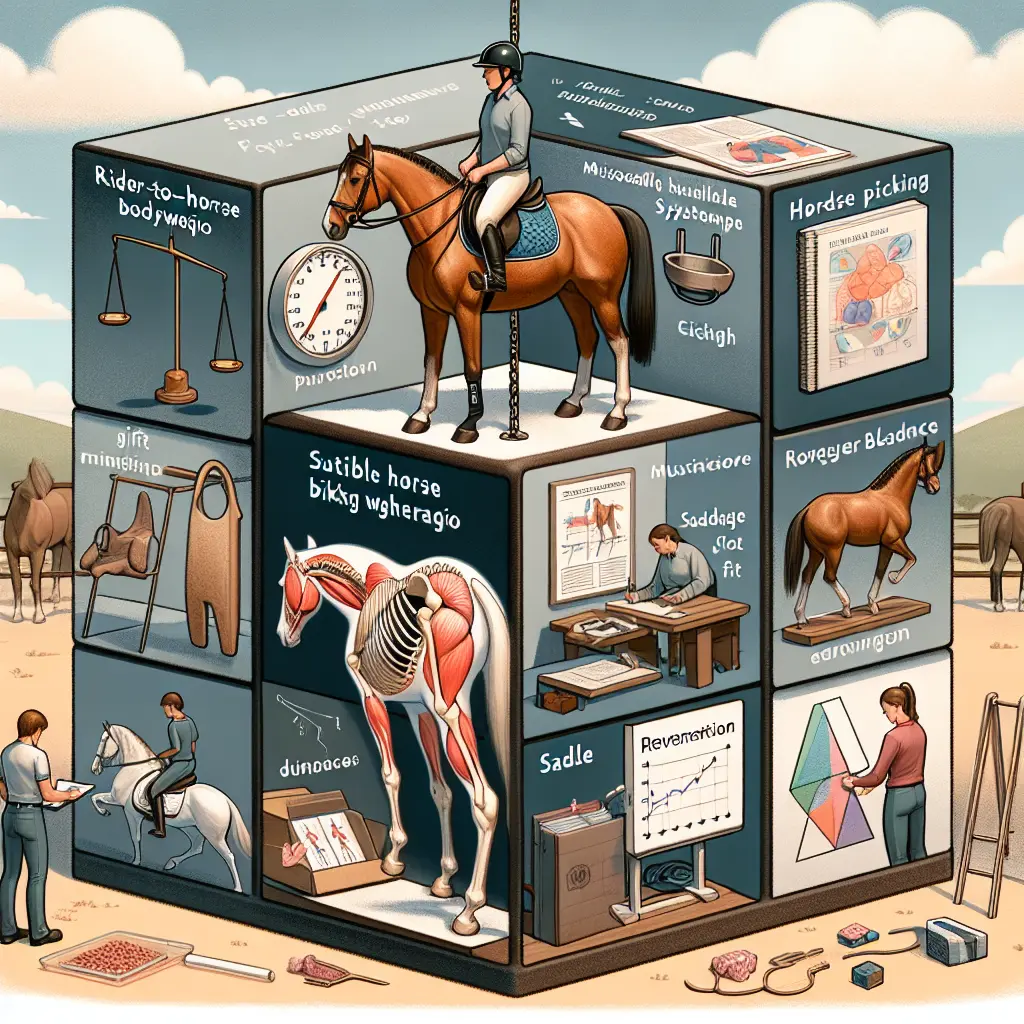
The concept of the rider-to-horse bodyweight ratio (RHBW ratio) is critical in equestrian disciplines. Essentially, it's a measure of how much weight a horse carries relative to its own body mass. Research suggests that maintaining this ratio within a specific range — generally below 15-20% — minimizes the risk of discomfort and injury for the horse. Landmark studies leading this investigation highlight the significance of balancing rider weight with proper horse care.
Scientific Insights into RHBW Ratios
One pivotal study, spearheaded by Dr. Sue Dyson, demonstrated that rider weights exceeding 15-20% of the horse's body weight could induce temporary lameness and affect gait. Fortunately, these effects generally subsided with rest[1]. This underscores the need for selecting a suitable horse that matches the rider's weight and skill levels.
Complexities in Recent Research
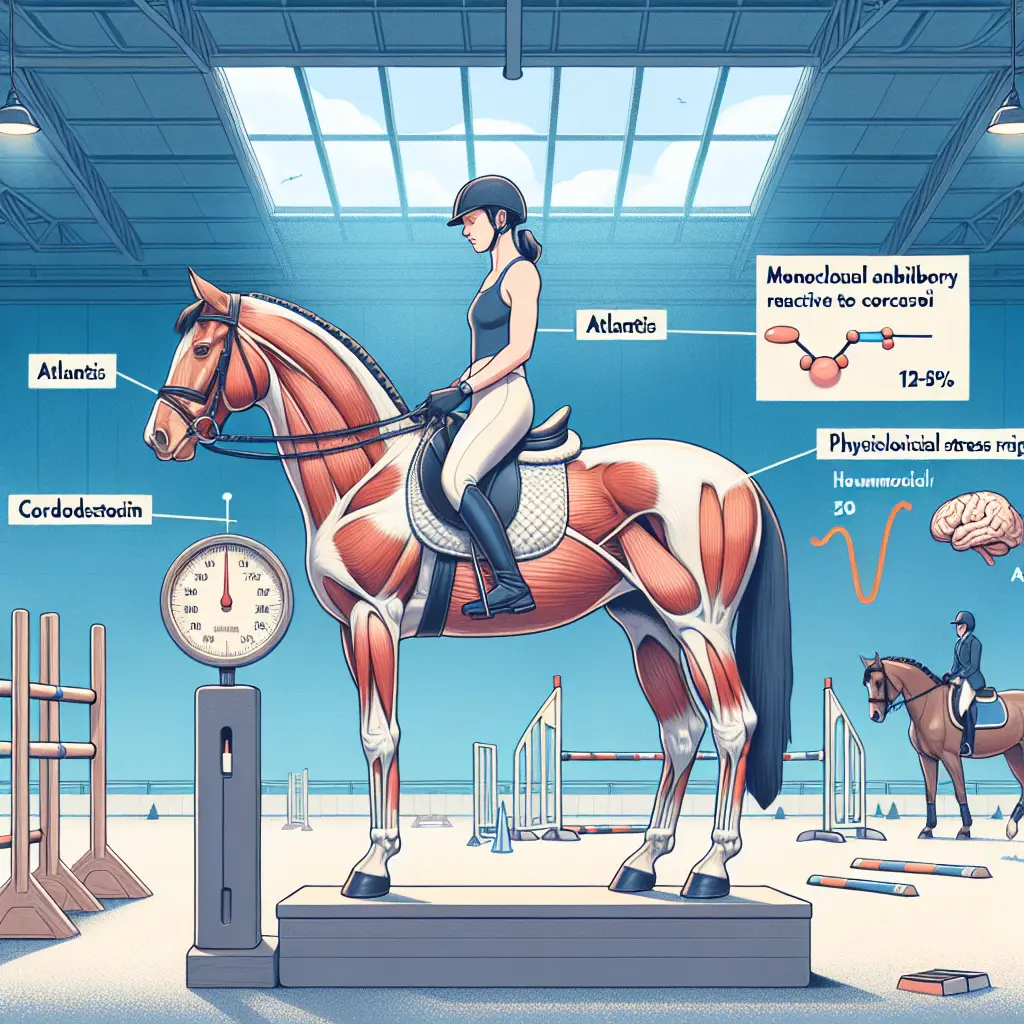
Contrasting perspectives emerge from research led by Aarhus University, revealing that increased rider weight did not significantly affect horses' physiological stress markers like heart rate during moderate work[3][4]. Horses can sometimes tolerate increased loads without severe consequences, provided the activity intensity remains moderate.
Rider Balance and Technique: An Overlooked Factor?
Recent studies elucidate that a rider's balance and technique substantially contribute to their horse's comfort. Rider posture and skill can ameliorate the effects of a higher weight ratio, proving that technique is as crucial as physical weight in ensuring horse welfare. Poor rider balance often manifests as increased tail swishing and open-mouth behavior in horses[4].
Equestrian Perceptions and Misconceptions
According to surveys conducted among UK riders, there's a notable divide in perception. About 47% of surveyed riders believed that a horse could comfortably carry rider weights ranging between 16-20%, despite cautionary advice against exceeding 15%[2]. These results point to a gap in understanding, necessitating ongoing education and discussion within horse riding communities.
Musculoskeletal Sensitivity in Horses
The biological intricacies of a horse’s musculoskeletal system mean that it's particularly sensitive to excess weight. Heavier loads can exacerbate low-grade lameness and discomfort, especially if combined with inadequate saddle fit[1][5]. Temporary lameness has been noted to resolve shortly after riding sessions, highlighting the reversible yet impactful nature of these strains[5].
Practical Steps for Riding Comfort
To optimize riding experiences and ensure horse welfare, riders should consider the following:
- Maintain a rider-to-horse weight ratio below 15-20% to minimize risk[1][5].
- Select horses that match the rider's weight, fitness, and competency levels[1][5].
- Ensure proper saddle fit to distribute rider weight evenly and avoid pressure points[1][5].
- Enhance rider balance and technique to reduce stress on the horse's musculoskeletal system[4].

Long-Term Considerations for Heavy Riders
Although short-term increases in rider weight might not induce severe physiological stress, long-term effects remain uncertain. Particularly during high-intensity exercise, riders must maintain caution. Monitoring signs of discomfort — such as irregular gait and lameness — is critical for timely adjustment[3][4].
The Critical Role of Equestrian Training and Equipment
Training programs and quality equipment play essential roles in ensuring both rider and horse joint comfort and performance. Investing in riding gear like jodhpurs, boots, and gloves enhances rider stability and technique. For instance, effective horse riding boots provide necessary support for improved balance.

Supplements and Horse Care
Beyond physical training, equestrian supplements are pivotal in maintaining horse health. Providing a mix of everyday vitamins and supplements ensures overall wellbeing. Additionally, using stable and turnout rugs protects horses from the elements, facilitating optimal recovery post-training.
Conclusion: A Delicate Balance of Weight and Welfare
The conversation surrounding rider weight and horse welfare is evolving and gaining complexity. While horses can generally tolerate riders within a specific weight range, consideration for balance, skill, and equipment significantly enhances the riding experience. Continuing research — alongside adept rider education — remains crucial to establishing guidelines that safeguard horse welfare without compromising the joy of riding.
Explore Equipments for Horse Fly Protection on the Just Horse Riders Treats And Gifts page for a happier horse-rider relationship.