

Introduction
Maintaining an aging horse’s health and activity level is crucial for their long-term well-being. As horses age, they face challenges such as joint issues and reduced stamina. However, with the right exercise and care, senior horses can remain active, healthy, and stylishly outfitted. In this article, we will explore the best activities to keep an aging horse active and healthy, supported by evidence and expert opinions.

Importance of Exercise for Senior Horses
Exercise for older horses is vital as it strengthens bones and muscles, supports heart health, and aids in weight management. Regular activity can mitigate muscle, joint, and arthritis pain, which are common in aging equines. Research shows that exercise improves blood circulation, ensuring that nutrients reach the muscles efficiently.
Recommended Exercise Frequency
Experts recommend that senior horses should exercise at least two to three times a week, along with regular turnout time. This routine helps maintain fitness without causing over-exertion. Turnout, ideally 24 hours a day, is essential for keeping horses active in their later years. It allows for natural movement, which is crucial for their well-being [3].
Tailoring a Fitness Plan
A customized fitness plan for an aging horse should take into consideration the horse’s health status and current fitness level. Regular veterinary check-ups, dental care, and physiotherapy assessments are essential. Choosing activities that avoid excess strain on the joints can greatly benefit an older horse [2].
Best Activities for Senior Horses
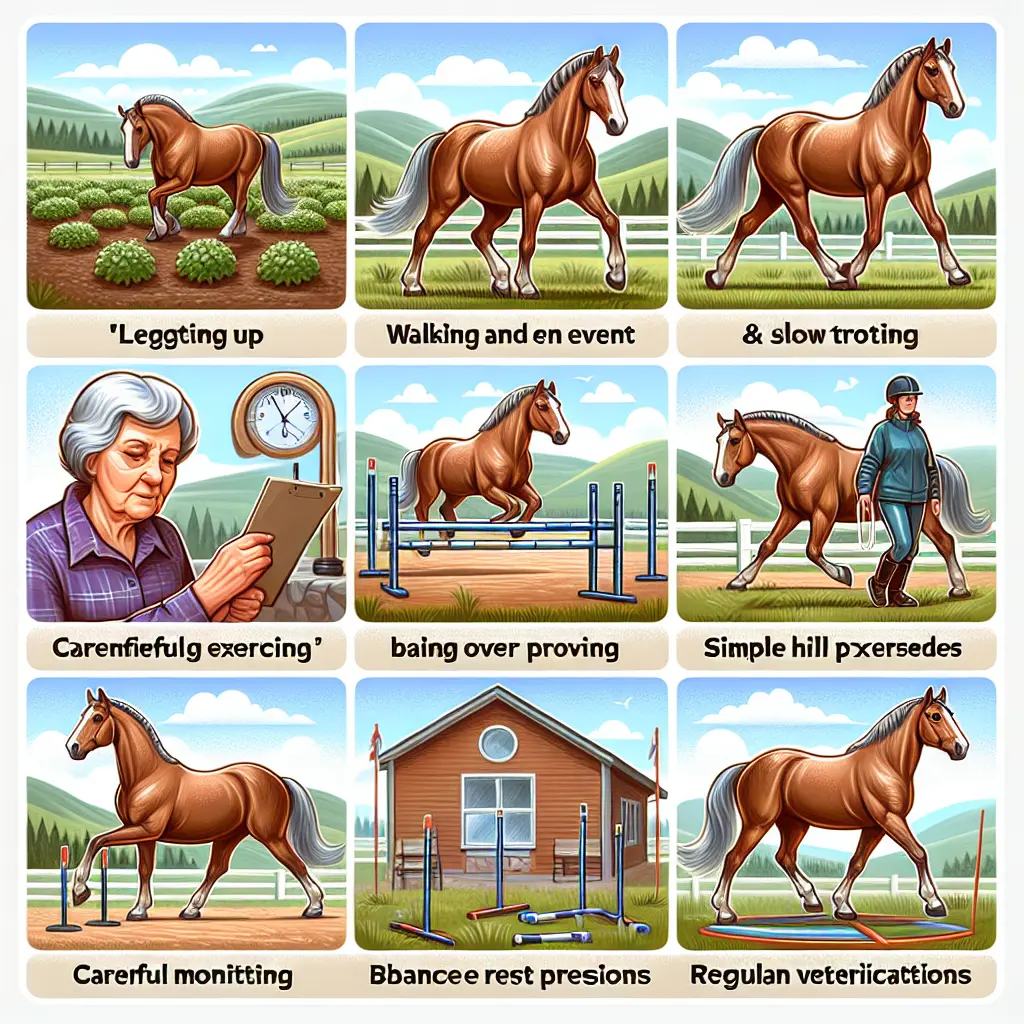
1. Legging Up
Begin with walking and slow trotting on even ground to establish a solid base of fitness. This activity strengthens muscles without excessively straining joints and can be a part of a gentle exercise routine [2].
2. Hill Work
Hill work, when incorporated with care, enhances cardiovascular health and strengthens the hindquarters. Gentle inclines are recommended while avoiding steep or uneven terrain to prevent injury. It’s an ideal way to maintain fitness that challenges different muscle groups [2].

3. Groundwork
Groundwork exercises, such as walking over poles or engaging in simple agility tasks, help preserve strength, coordination, and balance without requiring high-impact activities. These are excellent for mental stimulation and physical health [2].
4. Turnout
The simple act of turning out your horse allows for free movement and self-exercise. Free-range movement is fundamental for senior horses and affords them the autonomy to engage in activities according to their comfort level [3].
Monitoring Fitness and Recovery
Monitoring your horse's fitness level and recovery is essential. Be watchful for signs of fatigue or exhaustion; if observed, allow a few days of rest before resuming exercise. Continual physical activity improves aerobic performance and reduces body fat. Evaluate progress regularly to ensure optimal health and adjust the plan as needed [3].

Additional Benefits of Exercise
Boost in Autonomic Function
Structured exercises can improve autonomic function in geriatric horses, reducing stress levels. These exercises help maintain a balance in the body's involuntary processes, contributing to overall well-being [6].
Enhanced Balance and Coordination
Exercises that test balance and coordination, such as gentle obstacle courses, help in maintaining these essential skills. Maintaining coordination is especially crucial for senior horses, ensuring they remain agile in their environments [2].
Conclusion
Caring for an aging horse involves more than just meeting basic needs. By incorporating a diverse range of activities and listening to your horse’s cues, you can help ensure your senior horse remains active, healthy, and content. Remember, regular veterinary check-ups and a keen observation of their condition are integral to creating a successful exercise plan. Equip them with essential gear from the Just Horse Riders collections and let them enjoy their senior years with vitality and grace.