

What Are the Best Supplements for Senior Horses to Keep Them Healthy and Vibrant?
Thanks to advances in nutrition and veterinary care, many horses now enjoy long, fulfilling lives well into their 30s. However, with longevity come challenges like weight management, arthritis, and digestive inefficiencies. These concerns, coupled with age-related ailments, mean that supplements play a crucial role in ensuring senior horses remain healthy and vibrant.
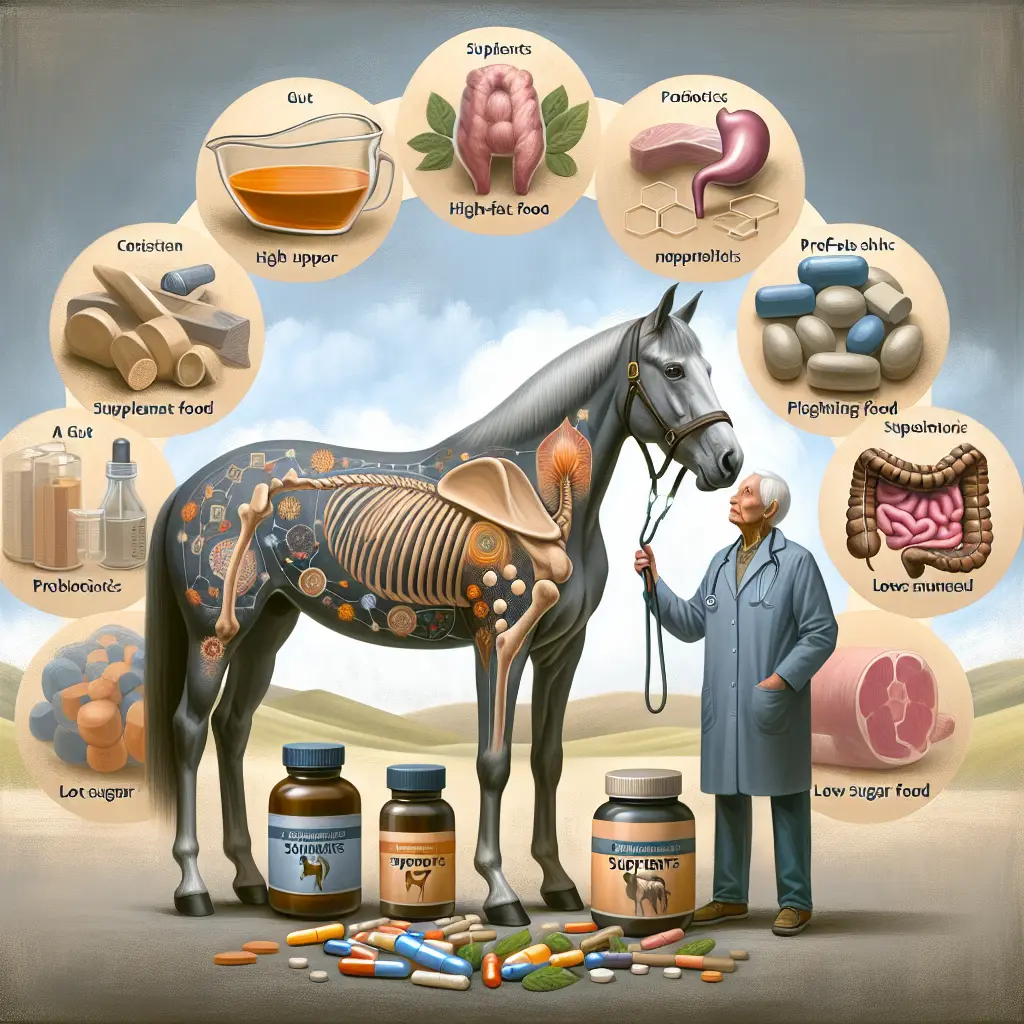
Building the Foundation: Diet and Veterinary Care
Before diving into the realm of supplements, it’s imperative to establish a solid dietary foundation. Regular veterinary exams should be part and parcel of your horse care routine, ideally twice a year for older horses. These exams screen for issues like PPID (often referred to as Cushing’s disease), insulin dysregulation, and arthritis.
Dental care is equally important. For horses, rapid wear and tear of teeth can lead to digestion problems, so ensuring they have their teeth checked and floated regularly is critical.
Regarding diet, focus on forage. Most horses need 1.5-2% of their body weight in forage every day. For senior horses with dental challenges, consider alternatives like soaked hay cubes or senior complete feeds. These provide nutrition without the need for intensive chewing.
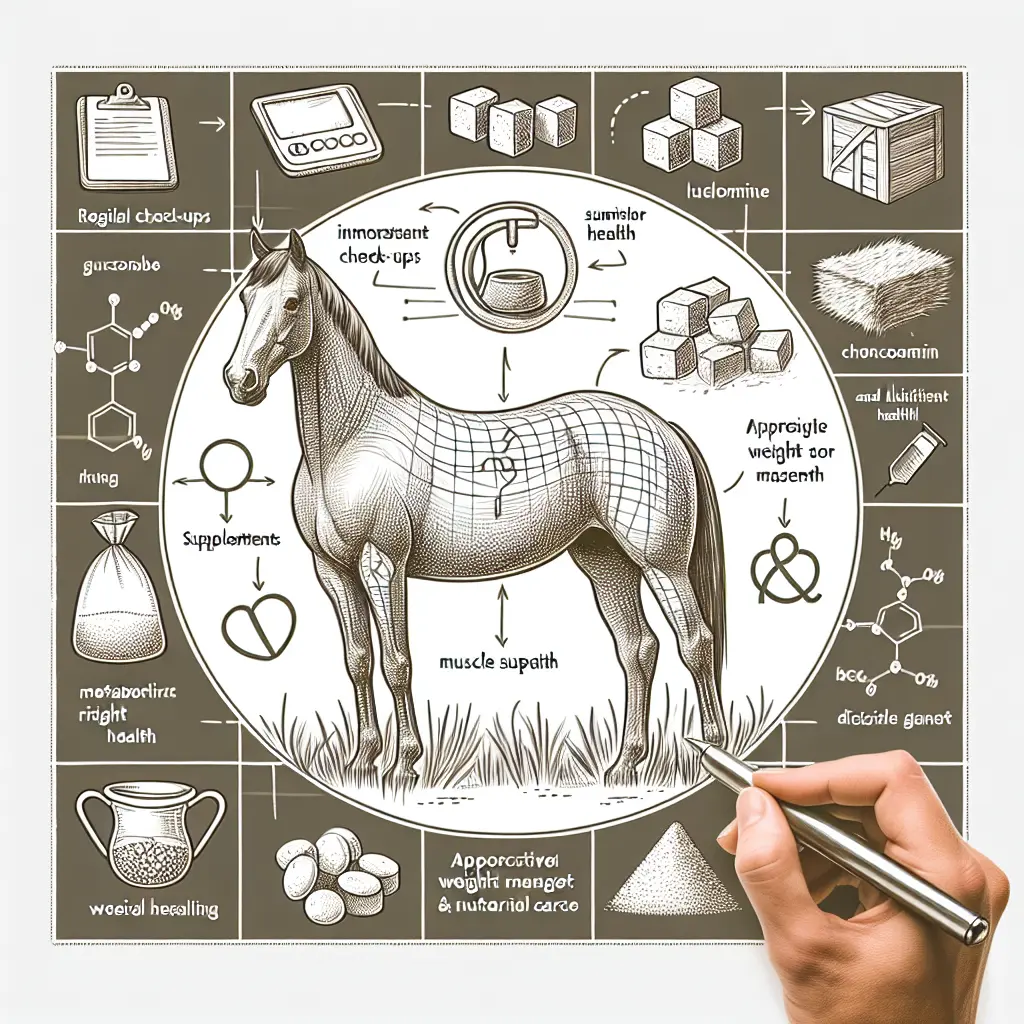
Joint Supplements: Easing the Aging Process
Joint problems like arthritis become more common with age. Supplements can ease discomfort and improve mobility. Key ingredients in joint supplements include:
Key Joint-Support Ingredients
- Glucosamine and Chondroitin: These naturally occurring compounds help maintain cartilage and joint fluid [source].
- Hyaluronic Acid (HA): Known for aiding in joint lubrication, HA can improve joint health and comfort.
- Omega-3 Fatty Acids: These aid in reducing joint inflammation, making them essential for joint support [source].
- MSM (Methylsulfonylmethane): Often included for its anti-inflammatory benefits.
Considering a joint supplement? Look for signs like stiffness at the start of exercise or reluctance to move, and consult your vet.
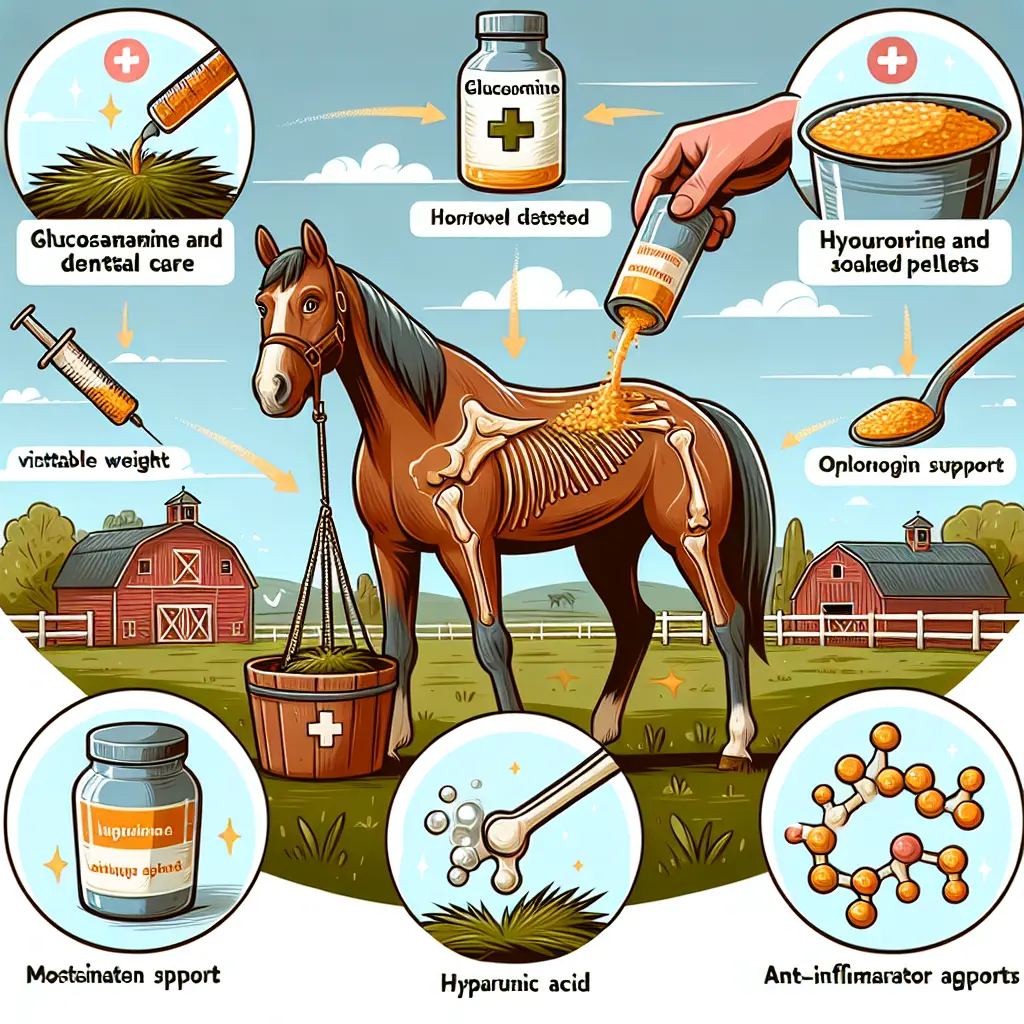
Digestive Health: Supporting Weight and Condition
Aging horses may experience reduced digestive efficiency. To help with weight gain, consider calorie-dense options. Utilizing high-fat supplemental feeds like stabilized rice bran can be effective without overloading horses on sugar. Healthy fats such as flaxseed and coconut meal also work well.
Gut Health Supplements
Ensuring a healthy gut is key for vitality:
- Prebiotics and Probiotics: Boost beneficial gut bacteria, aiding digestion.
- GI Protectants: Products similar to Neigh-Lox Advanced support the stomach lining and gut microbes.
If your horse struggles with maintaining weight or has a dull coat and loose manure, these digestive aids can be helpful.
Amino Acids and Muscle Support
Loss of muscle mass, particularly the topline, is common in aging horses. Essential amino acids like lysine and methionine are critical in maintaining muscle health. Look for supplements rich in these to support muscle integrity.
Omega-3s: All-Round Health Benefits
Omega-3s not only aid in joint health but also play a vital role in controlling inflammation and promoting a shiny coat. Given that horses often have limited access to fresh grass, an omega-3 supplement can be invaluable.
Closing the Nutritional Gaps
Despite feeding balanced diets, gaps in vitamin and mineral intake are still common, particularly when forage quality is low. Supplements rich in antioxidants like Vitamin E and selenium are essential. For hay-fed horses lacking daily grass exposure, these are non-negotiable.
Considering Metabolic Health
Metabolic conditions such as PPID and insulin resistance occur frequently in senior horses. Reducing starch and sugar in the diet, alongside key nutrients like chromium and magnesium, helps maintain metabolic health.
Convenience with All-In-One Supplements
For stressed owners juggling multiple products, turning to multipurpose senior supplements simplifies the process. These typically address joints, digestion, omegas, vitamins, and minerals in one package.
How to Choose the Right Supplement for Your Horse
Each horse is unique. When selecting supplements, start with a veterinary assessment to address any major underlying health concerns. Align the supplementation strategy with specific needs—whether it’s weight, joint, or metabolic support. Ensure you’re not doubling up nutrients from different sources to avoid imbalances.
Conclusion: Steering Towards Longevity
While senior horses often require additional support, a well-rounded program addressing joints, digestion, metabolism, and immune function can keep them thriving well into their golden years. Balancing evidence-based supplements with good veterinary care lays the foundation for an active and healthy lifestyle.
For more information, explore options from our everyday horse vitamins & supplements.