

How Prolonged Dry Weather Affects Equestrian Management
While the sun may seem like a blessing for us, it can prove to be challenging when it comes to horse management. Dry weather impacts various facets of keeping horses healthy and the pastures sustainable. This article delves into understanding what changes in the environment and how you must adapt daily care so famine risks don't outweigh the benefits of a sunny day.
Impact on Pasture: From Verdant Fields to Barren Terrains
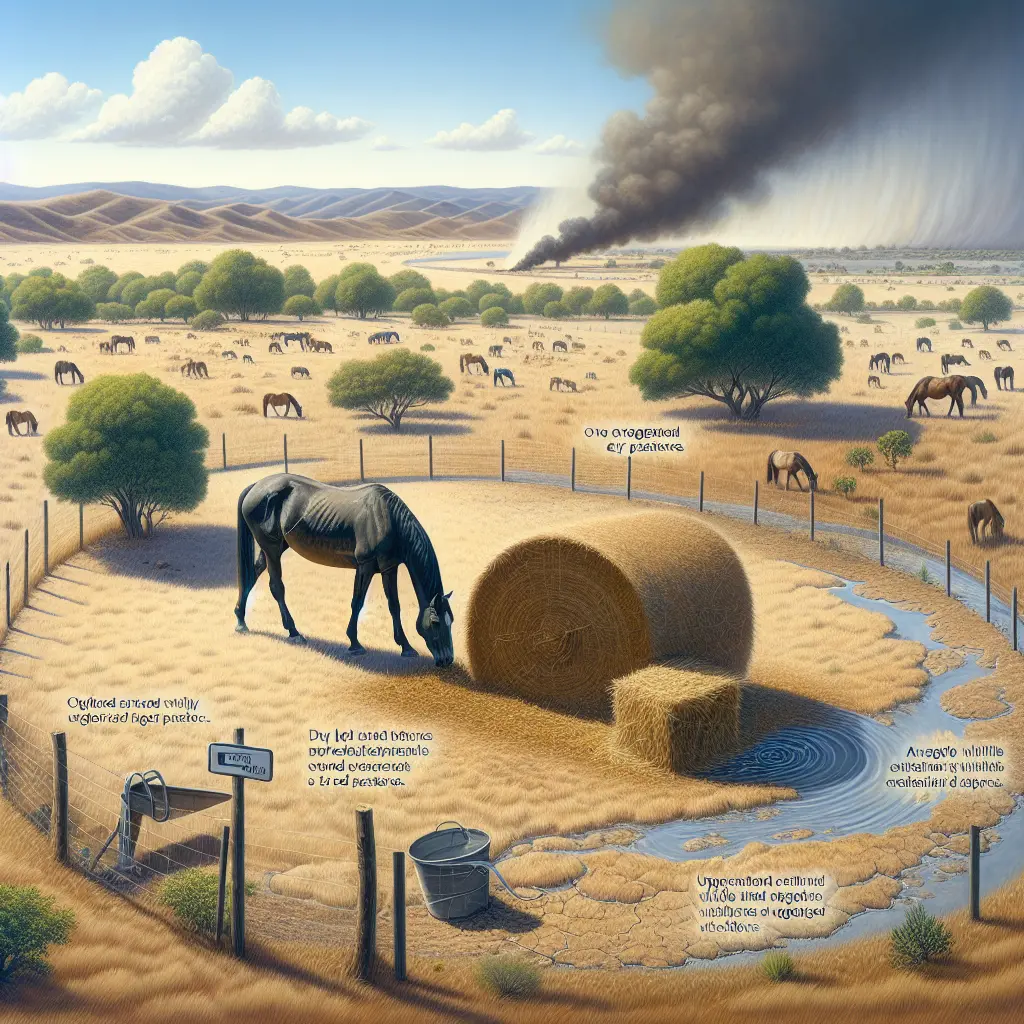
Loss of Forage and Overgrazing
In prolonged dry conditions, grasses such as Kentucky bluegrass may stop thriving, leading to overgrazing risks. This situation leaves the soil bare and encourages weed growth. It's crucial to move horses to a dry lot to prevent complete pasture depletion.
Weed and Toxic Plant Issues
During drought, horses might resort to eating undesirable plants that continue to grow. It's essential to provide adequate hay to minimize this risk and have a weed control plan ready post-drought.
Nutritional Challenges: Navigating the Feed Maze
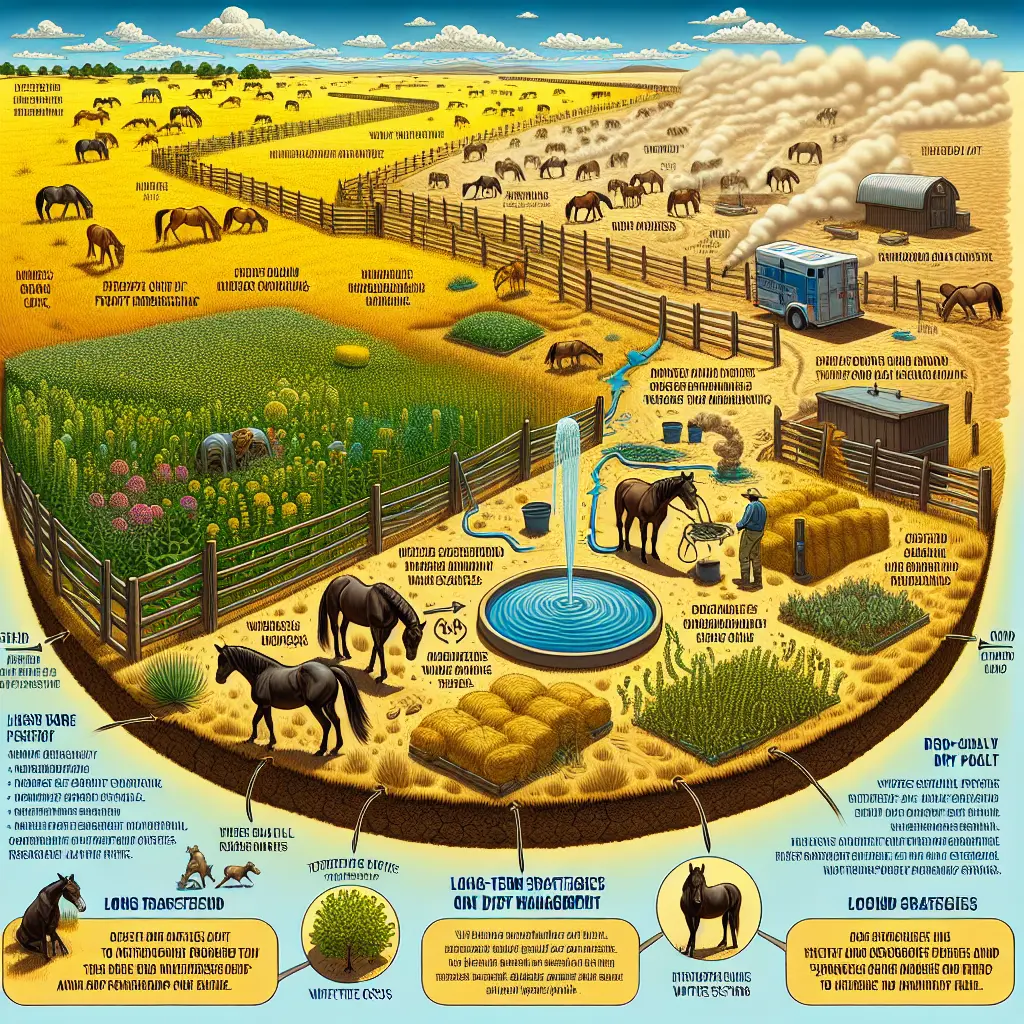
Increased Hay Demand and Cost
With pastures failing, hay becomes the primary dietary supplement. However, drought can impact hay yield and lead to competitive pricing. Planning ahead can alleviate cost issues and ensure dietary requirements are met, possibly with the aid of equine attire for dry conditions.
Nutrient Composition and Metabolic Risk
Post-drought regrowth can lead to high levels of non-structural carbohydrates, which pose a risk for horses with metabolic issues. Always introduce such pasture gradually to ensure safe dietary transitions.
Dusty Feed and Respiratory Concerns
Dry weather can lead to dusty hay, which when inhaled can irritate the horse’s respiratory system. Dust-free feeds or soaked hay can ease such irritations.
Water: The Essential Hydration Element
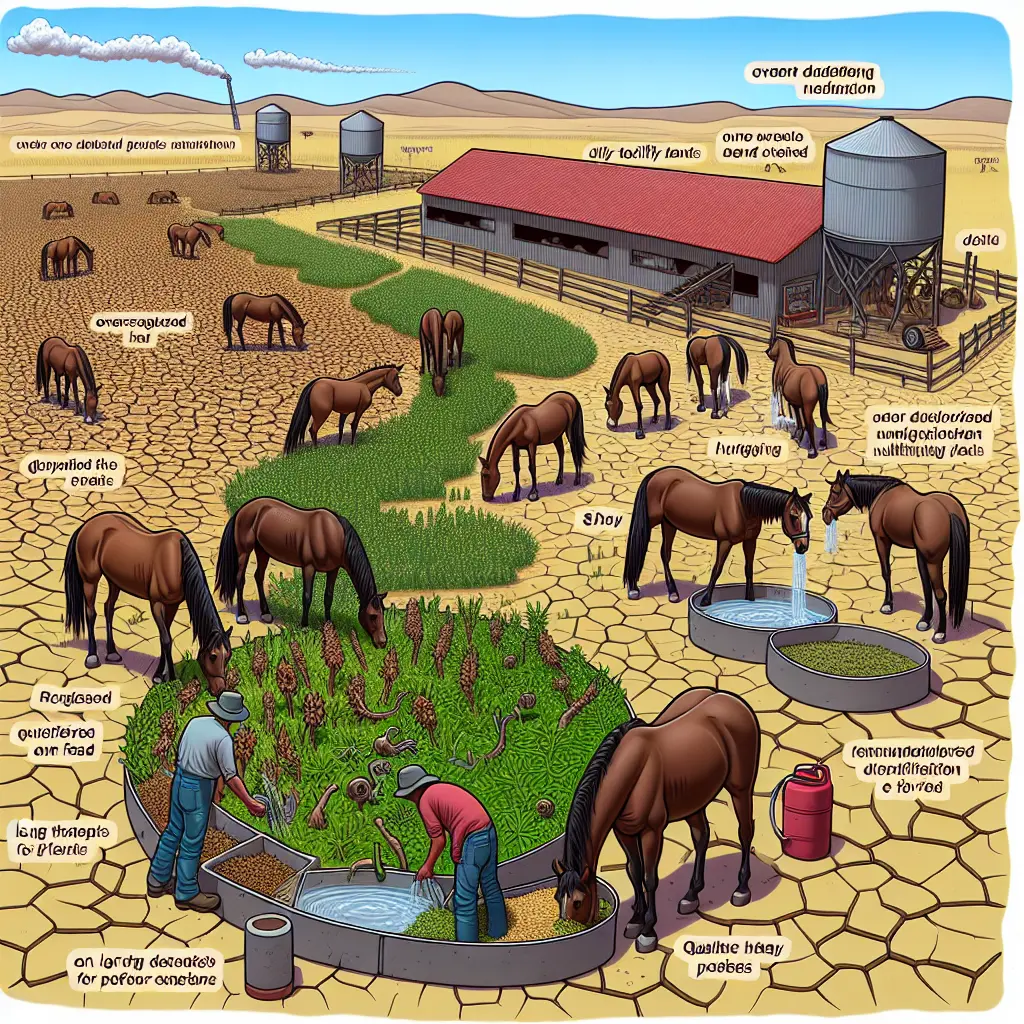
Increased Water Requirements
With less water content in hay, horses require more drinking water. Ensure constant access to clean, fresh water and consider stable accessories that automate water supply.
Water Source Risks
Due to drought, there's increased interaction between wildlife and horses at water sources, leading to potential disease risks such as rabies. Ensure rabies vaccinations are up-to-date and consider separate water sources to reduce risks.
Dust, Heat and Air Quality: Ensuring Comfort and Health
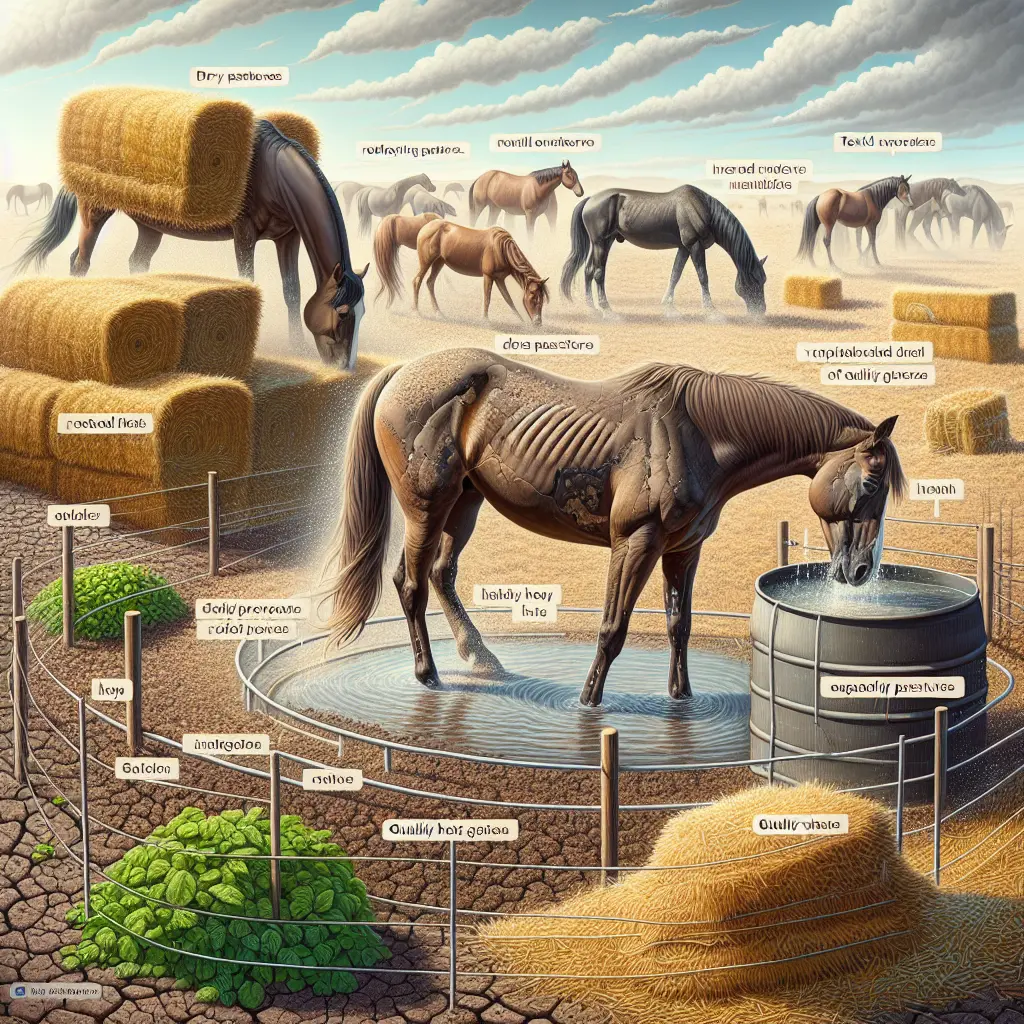
Respiratory Health
Dry conditions lead to increased dust, which can irritate equine respiratory systems. Opt for materials in high traffic areas that reduce soil dust and consider dust-suppressing methods.
Managing Heat Stress
High temperatures can lead to heat stress in horses. Shade and appropriate wear can help mitigate these effects, ensuring they are comfortable and hydrated.
Disease and Parasite Management: Strategies to Minimize Risk
Predicting disease and parasite patterns becomes challenging under climate variability. Thorough vaccination and parasite control programs are vital alongside regular check-ins with a veterinarian to counteract weather-driven changes.
Long‑Term Pasture and Property Management for Drought Resilience
Building an infrastructure that supports drought resilience involves robust pasture management techniques. Implementing rotational grazing and ensuring well-managed sacrifice areas help maintain a balance in using land efficiently.
Efficient Water Management
Adopt measures like rainwater diversion systems alongside a mix of manual and automatic water techniques to ensure ample water for horses while preserving local water systems.
Conclusion: Thriving Through Planning
By understanding and preemptively managing the effects of prolonged dry weather, you can ensure the health of your horses and the long-term sustainability of your land. Integrate these methods into your management plan to make a positive impact on the environment and enhance the welfare of your horses. Visit Just Horse Riders today to find resources and accessories critical for safeguarding equine health.