

Introduction
For many equestrians, hacking—leisurely riding outside the arena on trails or roads—is one of the most enjoyable ways to bond with their horse. It improves fitness and well-being for both horse and rider. However, a safe and enjoyable hacking experience requires careful budgeting and meticulous planning. From choosing the right horse to ensuring you have all the necessary equipment, this guide outlines the key considerations that should be on your checklist.
Choosing the Right Horse: Quality and Temperament Matter
First and foremost, a hacking horse should be well-mannered, comfortable to ride, and reliable in varied environments. According to Equestrian Australia, show hacks emphasize quality, soundness, and good temperament. Your horse should be sound of wind and limb, meaning they are free from respiratory or lameness issues, essential for handling varied terrains safely.
Budget Tips:
Expect to pay more for horses with proven calm temperaments and physical soundness. Thoroughbred-type horses or hacks are often ideal. Always get a vet check and pre-purchase exam to avoid costly health issues later on.
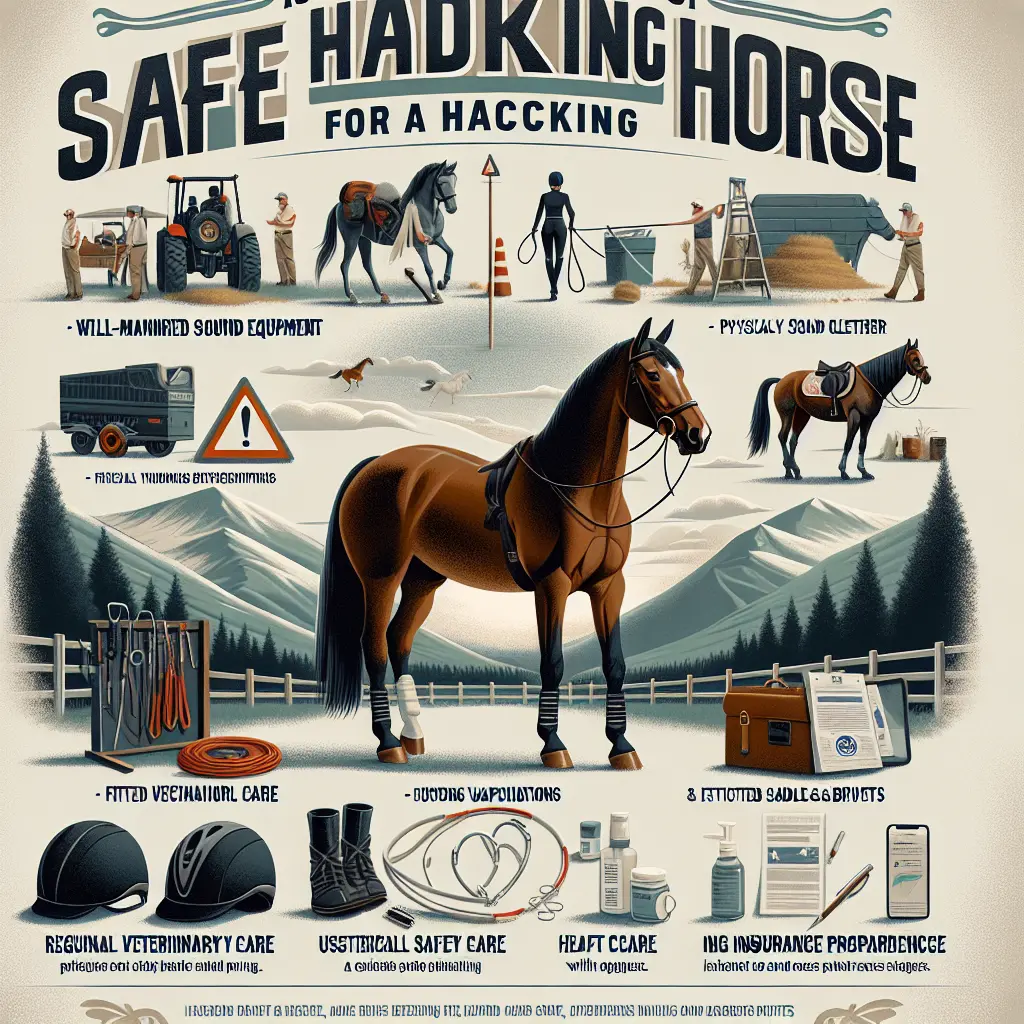
Essential Tack and Safety Equipment
Beyond the horse, budgeting for appropriate tack and safety gear is paramount for protecting both rider and horse. Key items include:
- Helmet and high-visibility clothing: Wearing a certified riding helmet and reflective gear is crucial. Studies show helmets reduce serious head injury risk by up to 70%.
- Well-fitted saddle and bridle: Comfortable tack minimizes discomfort and reduces behavioral risks.
- Hoof care products: Boots or pads protect hooves on rough terrain.
Costs you can expect to encounter are detailed in this useful table:
| Item | Estimated Cost Range (USD) |
|---|---|
| Riding helmet | $80 – $300 |
| High-visibility apparel | $50 – $150 |
| Quality saddle and bridle | $500 – $2,500 |
| Hoof boots or pads | $100 – $300 |
Training and Conditioning: Investing in Safety through Education
Proper training is crucial for safe hacking. This includes preparing both horse and rider for the challenges of outdoor riding, such as traffic, uneven terrain, and obstacles. Hacking is often used as a training method to build fitness and confidence. Horse & Country TV provides insights on using hacking as an effective training tool.
Budget Considerations:
Hire a qualified trainer for lessons focused on hacking skills. Group hacking lessons can be more budget-friendly and boost confidence. Conditioning through regular rides helps prevent injuries, enhancing safety.
Veterinary Care and Preventative Health Management
A healthy horse is a safe horse. Preventative veterinary care should be a major line item in your budget. This includes routine vaccinations, dental care to maintain proper bite and comfort, and regular farrier visits every 6-8 weeks to keep hooves healthy and prevent lameness.
Typical Yearly Costs:
Expect costs for basic veterinary and hoof care to range from $800 to $1,500, depending on location and horse size. Ranvet provides valuable insights into the importance of preventative health management.
Appropriate Riding Routes and Safety Measures
Planning your route is essential for budgeting time and resources wisely. Safe hacking typically involves using bridleways or quiet country roads. Consider accessibility to safe trails from your yard or livery, transport costs for preferred hacking locations, and investing in navigation aids or phone apps tailored for equestrian routes. Pre-planning reduces the risk of unexpected hazards.
Insurance and Emergency Preparedness

Budget for insurance and emergency preparedness. Equine insurance covers veterinary bills or theft, while personal liability insurance protects the rider. Carrying an emergency safety kit for rides, containing essentials like a phone and first aid supplies, is also important. Basic equine coverage typically costs around $300–$600 annually.
Conclusion
Budgeting for a safe hacking horse involves careful allocation towards selecting a well-bred, sound, and calm horse, acquiring proper safety equipment, investing in training, and veterinary care. By planning safe hacking routes and preparing with insurance and emergency gear, you can ensure safety. Hacking offers many physical and mental benefits for horse and rider alike. Proper budgeting and preparation create a sustainable, enjoyable experience that protects your investment in horseback riding. Explore our comprehensive collection, from Jodhpur and Horse Riding Boot collections to Horse Riding Socks for all your equestrian needs.
References & Further Reading: