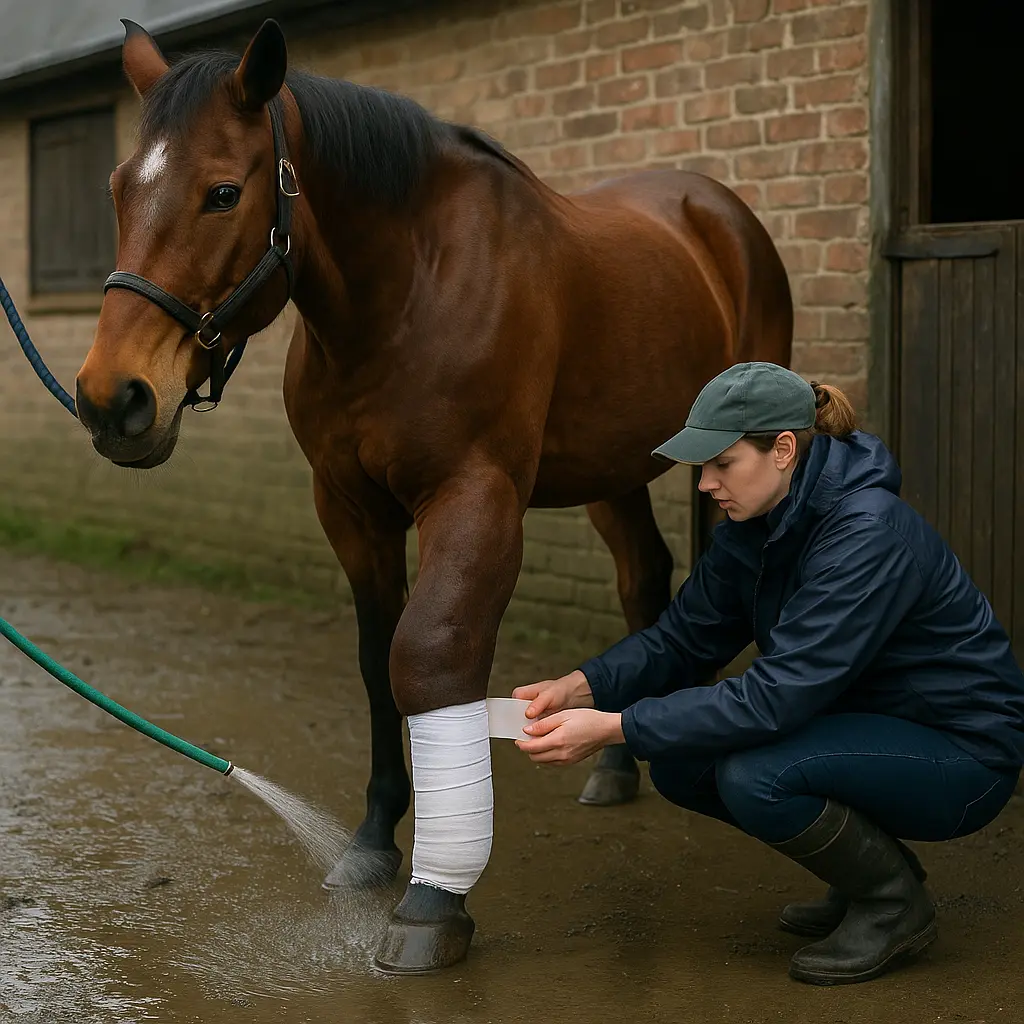
Your horse comes in from the field with a hot, ballooned leg and won’t put weight on it. In the UK, that often spells one thing: cellulitis. Quick, decisive action over the next 24–48 hours will make the difference between a straightforward recovery and months of chronic swelling.
Key takeaway: Treat suspected cellulitis as an emergency — call your vet, start 5–10 days of NSAIDs and antibiotics under veterinary direction, and combine cold therapy, firm compression, and controlled movement to protect your horse’s long-term soundness.
What is cellulitis in horses?
Cellulitis in horses is a bacterial infection of the skin and subcutaneous tissues, usually affecting a single limb and causing sudden, painful swelling, severe lameness, and fever above 38.6°C (101.5°F). Left unchecked, inflammation rapidly escalates as bacteria and toxins spread through the soft tissues, compromising lymphatic drainage and making the leg look and feel “wooden.” Common entry points for bacteria include minor cuts, mud-fever scabs, cracked heels, or even insect bites.
In the UK, cellulitis is common, particularly through wet autumn and winter when skin integrity is easily compromised by persistent mud and damp bedding. Typical signs you’ll notice are heat and diffuse swelling up to the stifle, marked pain on palpation, reluctance to move, and a depressed or febrile horse. As our own guide outlines, a rectal temperature over 38.6°C alongside acute limb swelling is a strong indicator to call your vet immediately.
Outcomes vary with speed of treatment: published survival for bacterial cellulitis ranges from roughly 55% to 89%, and horses that transition to a chronic state often require ongoing management. Early, aggressive therapy dramatically improves the odds of a full return to work.
How urgently should I treat cellulitis?
Treat cellulitis immediately and as aggressively as your vet recommends; many horses show improvement within 24–48 hours when therapy starts promptly. Delays allow bacteria and inflammation to damage the lymphatics, increasing the risk of long-term, irreversible limb enlargement.
As equine clinician Dr. Stephen Fogle emphasises in Equus Magazine:
“The longer the leg stays swollen, the greater the risk for complications. It is crucial to treat acute cellulitis right away and be as aggressive as possible, within the owner’s financial ability.”
Owners commonly see a positive shift — reduced heat, softening of oedema, a brighter horse — within 24–48 hours of starting appropriate antimicrobials and anti-inflammatories. If improvement stalls, escalate quickly: more diagnostics in the first few days are far more effective than waiting a week. Research from TheHorse.com warns that swelling persisting beyond one week risks chronic limb enlargement that is harder (sometimes impossible) to reverse.
What does effective UK treatment look like in the first 5–10 days?
Standard UK treatment is 5–10 days of NSAIDs and antimicrobials under veterinary oversight, plus cold hosing/cryotherapy and light, controlled exercise to restore lymphatic flow. This aligns with British Equine Veterinary Association (BEVA) guidance and typical UK practice surveyed across clinicians.
Here’s what that usually means in real life:
- Antimicrobials: Your vet selects an antibiotic based on clinical signs, and ideally, culture results (see next section). Complete the full prescribed course.
- Anti-inflammatories (NSAIDs): Reduce pain, heat, and swelling to help your horse move — movement is essential to clear oedema.
- Cryotherapy: Cold hosing for 10–20 minutes two to three times daily, or use cold packs/boots if taps are frozen or turnout is muddy. Many UK owners opt for reusable ice boots as a practical winter solution — see our range of horse boots and bandages for cold therapy and compression.
- Compression: Apply a well-padded, firm stable bandage (changed at least daily) to support lymphatic drainage. Bandage pairs of limbs when possible to maintain symmetry.
- Controlled movement: Begin short, in-hand walks as soon as your horse tolerates it (safety first). Light exercise improves circulation and prevents stiffness.
Veterinarians may also monitor response with serial blood tests, especially Serum Amyloid A (SAA). As reported by Horse & Hound, trending SAA helps clinicians objectively decide whether a protocol is working or needs adjusting. Expect your vet to reassess within 24–48 hours and modify treatment if progress is slow.
Quick tip: UK prescribing is regulated by the RCVS; never start or change antibiotics without your vet. Complete the full course to avoid relapse and resistance.
When should I request cultures, scans, and blood tests?
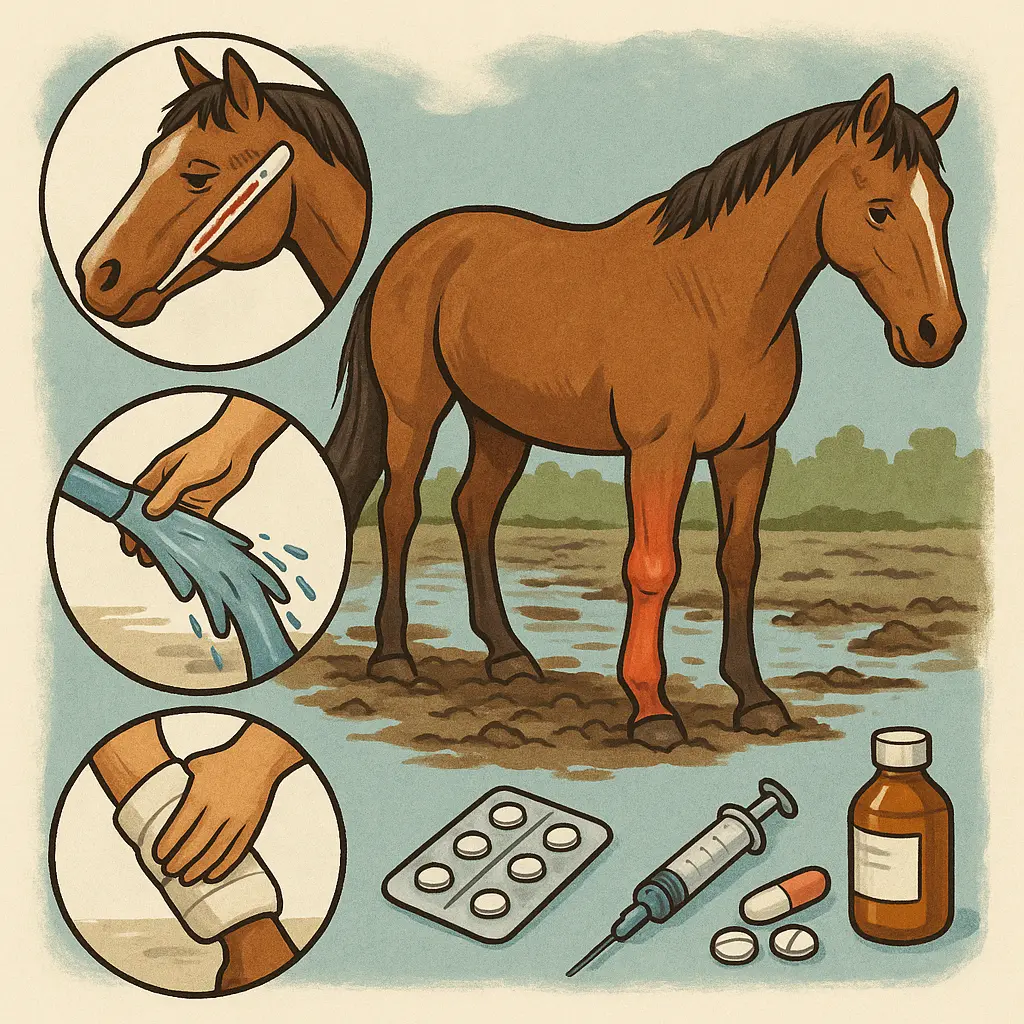
Ask your vet to collect bacterial culture and sensitivity samples before starting antibiotics whenever possible, or within 24–48 hours if response is poor; add ultrasound or radiography if swelling fails to settle or deeper structures are suspected. Early data guides targeted antimicrobial choices and avoids chasing the problem with the wrong drug.
Guidance from WestVETS is clear: culture and sensitivity are most effective if performed before antibiotics. If your horse already started treatment, sampling is still useful when there’s little improvement. Ultrasound can identify fluid pockets for sampling and reveal involvement of tendons, ligaments, or subcutaneous abscesses; radiographs help rule out bone issues including septic changes or concurrent problems like a penetrating wound.
Where available and warranted, advanced imaging (CT/MRI) may be considered in complex or non-responsive UK cases, particularly at referral centres. Alongside imaging, serial SAA blood tests — as highlighted by Horse & Hound — provide an objective yardstick so you and your vet can justify intensifying, changing, or, when appropriate, de-escalating treatment.
Pro tip: If your vet finds a pocket of fluid on ultrasound, ask whether ultrasound-guided sampling is feasible. This increases the chance of growing the culprit bacteria and picking the right antibiotic first time.
Are steroids or advanced compression ever appropriate?
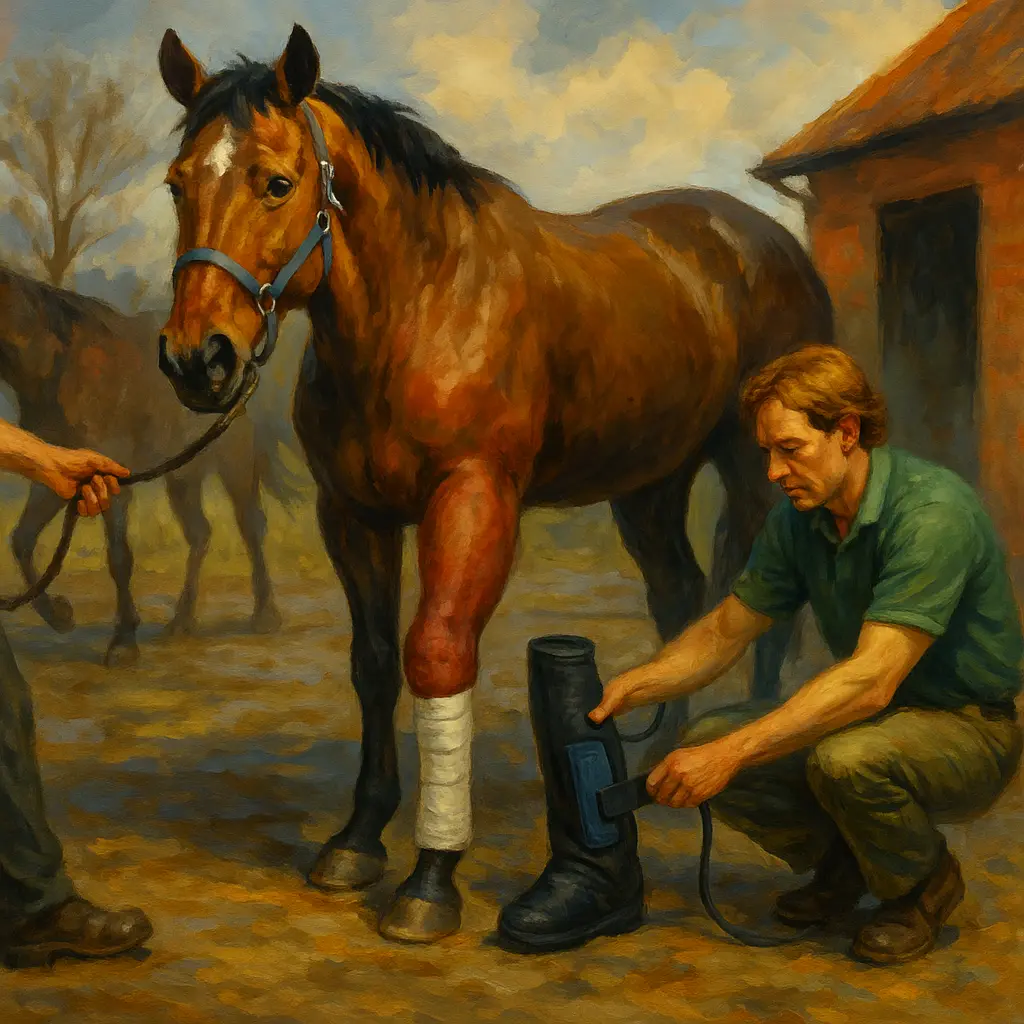
Short-term corticosteroids may be used in severe cases under veterinary supervision and always alongside aggressive antibiotics; automated compression/cryotherapy systems (e.g., Zamar) can be added over 3–4 days in stubborn cases to shift residual swelling. Both options are adjuncts, not replacements, for correct antimicrobial therapy and day-to-day management.
On steroid use, Dr. Fogle cautions in Equus Magazine:
“Steroids are commonly used by veterinarians to address minor distal limb swellings, but we can run into trouble with steroids to treat severe cellulitis because they can effectively mask whether or not we’re successfully resolving the bacterial infection in the limb. Short-term steroid use with a bout of acute cellulitis is OK, but you wouldn’t want to use it very long.”
In the UK, if conventional management (NSAIDs/antibiotics, cold therapy, compression, controlled movement) isn’t clearing the oedema, clinicians sometimes add automated cold-compression systems. As noted by Horse & Hound, used several times daily for 3–4 days, these systems can help remove stubborn swelling and reduce recurrence risk. Access is improving via equine spas and therapy centres across the UK.
What daily management speeds recovery and prevents recurrence?
Cold therapy, firm compression bandaging, clean and dry limbs, and controlled in-hand walking are the day-to-day pillars that move fluid out and protect your horse’s lymphatics. Combine these with meticulous skin care and a dry environment to reduce the chance of future flare-ups.
Build your daily plan around:
- Cold, then compress: Apply cold therapy (hose or ice) before re-bandaging to minimise post-bandage swelling. Our horse boots and bandages collection includes supportive stable wraps ideal for safe, even compression.
- Immaculate skin care: Gently clean legs to remove mud, clip if necessary for hygiene, and treat any nicks promptly with appropriate topical care. Stock up from our grooming and wound-care essentials so you’re never caught short after a muddy turnout.
- Movement with safety: Short, frequent in-hand walks stimulate lymphatic flow. If you’ll be on lanes or low light, wear hi‑vis for riders and consider a poll or breastplate light.
- Keep legs dry: In wet UK weather, balance turnout with protection. Use breathable turnout rugs that shed rain and mud, and switch to cosy stable rugs at night to avoid damp bedding wicking up the legs. Many owners trust brands like WeatherBeeta rugs for reliable waterproofing and fit.
- Support from within: Discuss targeted nutrition with your vet. Some horses benefit from hoof/skin support or immune-focused options — browse our supplements for skin and recovery to plan ahead for winter.
Quick tip: Bandage changes are a daily (sometimes twice daily) job. Always use thick padding under even, firm pressure. If you’re unsure about technique, ask your vet or an experienced yard manager to check the first few applications.
At Just Horse Riders, we recommend keeping a “cellulitis kit” ready through autumn/winter: clean stable wraps, cotton wool or leg pads, cohesive bandage, ice boots, thermometer, and a spare lead rope and hi‑vis for safe in-hand exercise.
What should I expect — timeline, red flags, and when to escalate?
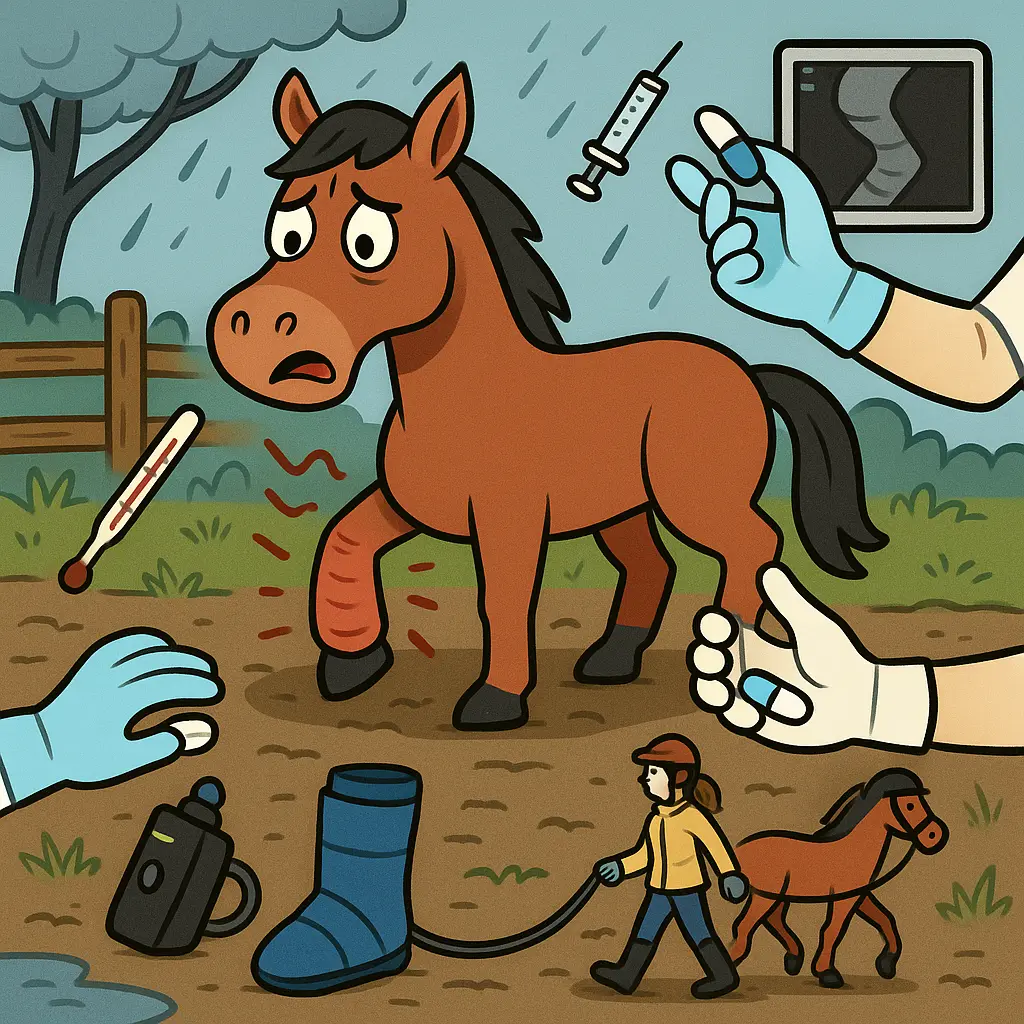
With prompt, appropriate therapy many horses improve within 24–48 hours; lack of progress, rising fever, or worsening lameness are red flags that warrant immediate re-evaluation by your vet. If swelling persists beyond a week, the risk of chronic limb enlargement increases and management must intensify.
Your week-one roadmap:
- Day 0: Call your vet; start antimicrobials/NSAIDs; begin cold therapy and compression if advised.
- Day 1–2: Look for reduced heat, softening of oedema, a brighter horse, and a lower temperature. If not improving in this window, request culture/sensitivity sampling and consider ultrasound to guide treatment, as recommended by WestVETS. Many horses turn the corner by 24–48 hours when treated aggressively, as noted by Ayr Equestrian.
- Day 3–4: Add imaging (ultrasound/rads) if swelling remains firm or lameness is severe; start serial SAA tests to quantify response (Horse & Hound).
- Day 5–7: Persistent swelling or fever? Escalate to referral options, discuss antibiotic change per culture, and consider advanced compression systems (e.g., Zamar) for 3–4 days of intensive sessions to move residual oedema.
Red flags at any point include a temperature consistently over 38.6°C, non-weight-bearing lameness, spreading or new areas of heat/swelling, purulent discharge or abscess formation, or any sign your horse is systemically unwell (off feed, colic signs). Immediate reassessment reduces the chance of chronic complications and aligns with BEVA’s call for early, robust treatment over 5–10 days of NSAIDs/antibiotics plus physical therapies (BEVA).
Remember, recurrence is most common in damp, muddy seasons and in horses that developed significant lymphatic scarring from previous bouts. Preventive skin care, dry stabling, and regular movement are your best defences heading into a UK winter.
FAQs
When should I request cultures for my horse’s cellulitis?
Ask your vet to take bacterial culture and sensitivity samples before starting antibiotics whenever possible. If treatment has already begun and there’s no clear improvement within 24–48 hours, push for culture — ideally from an ultrasound-identified fluid pocket — to target the right antimicrobial and avoid delays (WestVETS).
Is imaging needed if swelling persists?
Yes. If the limb remains markedly swollen or very painful after the initial 24–48 hours, request ultrasound to look for fluid pockets, tendon/ligament involvement, or cellulitis-related fasciitis. Radiographs can rule out bone or joint issues. Complex cases may need advanced imaging (CT/MRI) at a referral centre (WestVETS, Horse & Hound).
When are steroids appropriate for cellulitis?
Only in severe, carefully selected cases and always short term, under veterinary supervision, and alongside aggressive antibiotics. Steroids reduce swelling but can mask whether the infection is resolving, so they are not a first-line solution for most horses (Dr. Fogle, Equus).
How long before I should see improvement, and what if I don’t?
Many horses respond within 24–48 hours of starting appropriate therapy. If you don’t see progress by then, re-evaluate promptly with cultures, imaging, and SAA blood tests to confirm your treatment is working and adjust if needed (Ayr Equestrian, Horse & Hound).
Can exercise help during treatment, or should I keep my horse on box rest?
Controlled in-hand walking is beneficial once your horse tolerates it, as movement drives lymphatic drainage. Start with short, frequent walks in safe footing and increase gradually. For roadside walking, wear hi‑vis rider gear for safety.
What’s the best bandage setup for cellulitis?
Use thick, even padding from below the knee/hock to the fetlock and a firm, even stable bandage over the top. Change at least daily. Bandage both front or both hind limbs when possible to maintain symmetry. See our curated bandages and supportive wraps for options that create safe, consistent compression.
How can I prevent recurrence at a UK livery yard?
Keep legs clean and dry, treat skin breaks immediately, and maintain regular movement. Through wet months, choose breathable turnout rugs outdoors and suitable stable rugs inside to avoid damp legs. Stock quality wound care from our grooming collection and consider targeted supplements for skin and recovery support. Many UK owners also schedule proactive ice/compression sessions after muddy turnouts to head off flare-ups.
Cellulitis is beatable — but only if you move fast. With BEVA-aligned treatment (5–10 days of NSAIDs/antibiotics), diligent cold-and-compression care, and smart UK yard management, most horses turn the corner within 48 hours and return to comfortable work. If progress stalls, escalate early with cultures, imaging, and objective SAA monitoring. Our team at Just Horse Riders is here to help you kit out the essentials so you can act the moment you spot that first hot, swollen leg.