

Strawmax vs Sunebed: Which is the Superior Bedding Choice for Horses with Asthma?
Choosing the right bedding for a horse with equine asthma can feel like navigating a haystack. Given that low-dust options play a critical role in reducing airway inflammation caused by dust, mold, and ammonia, it’s crucial to make an informed decision. Research indicates that materials like peat and wood pellets outshine traditional straw by lowering neutrophil levels and minimizing fungal spores, making them more respiratory-friendly (source).
Understanding Equine Asthma and the Role of Bedding
Equine asthma is a condition that affects up to 80% of stabled horses, with symptoms including coughing, mucus buildup, and labored breathing (source). Dust and poor air quality are key culprits. For horses, bedding accounts for an astounding 70-90% of airborne particles (source).
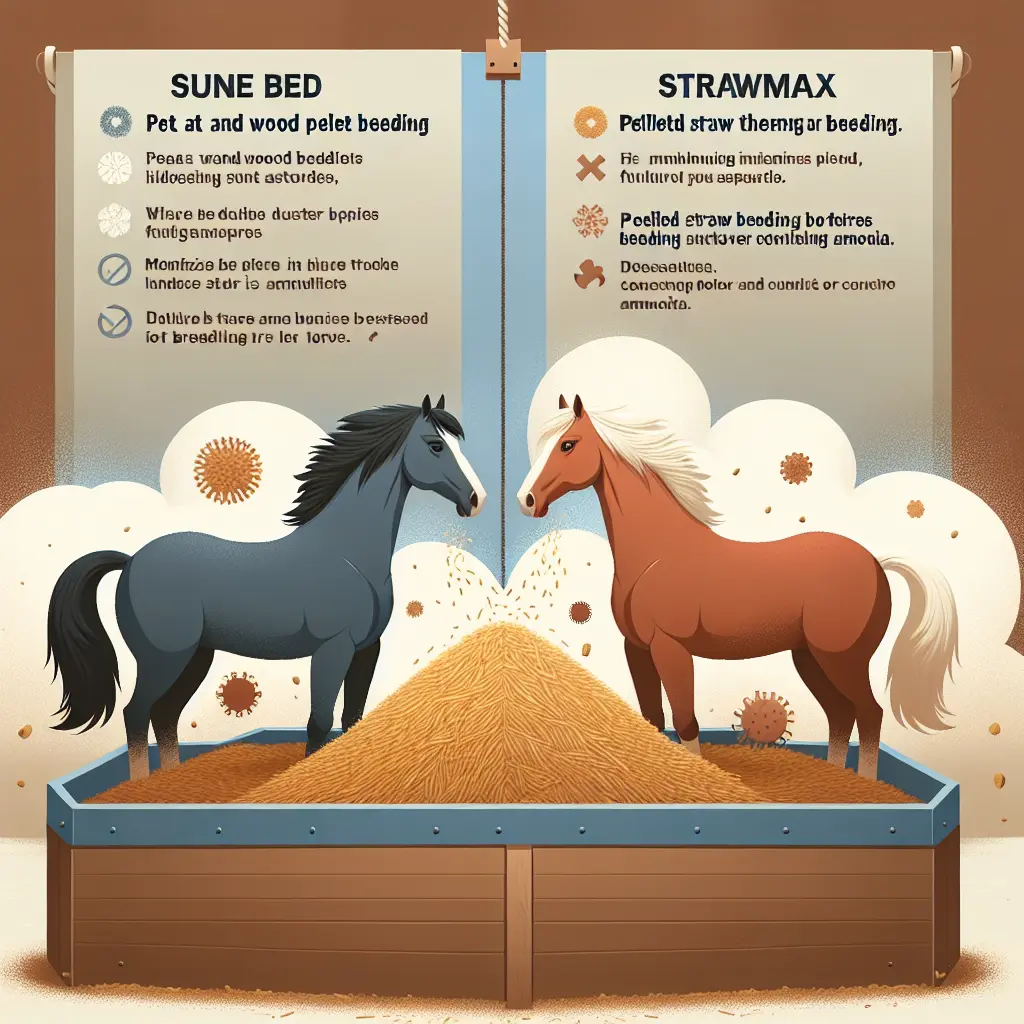
The Nasty Effects of Ammonia
Ammonia from urine-soaked bedding is a lung irritant, with fungal spores and bacteria further inflaming the airways. Studies have confirmed that switching to low-dust bedding can send asthmatic horses into remission by effectively managing allergens (source).
What is Strawmax?
Strawmax takes straw bedding to the next level with its pelleted form. It touts low dust and high absorbency, designed from compressed straw that swells when wet. This action captures urine and ammonia vapors to protect your horse's lungs (source).
Key Benefits of Strawmax for Asthmatic Horses
- Ultra-low dust: Minimizes airborne particles linked to asthma exacerbations.
- Superior absorbency: Quickly traps urine, reducing ammonia exposure.
- Ease of use: The pellets break down into a soft, compost-friendly bed with less waste than loose straw.
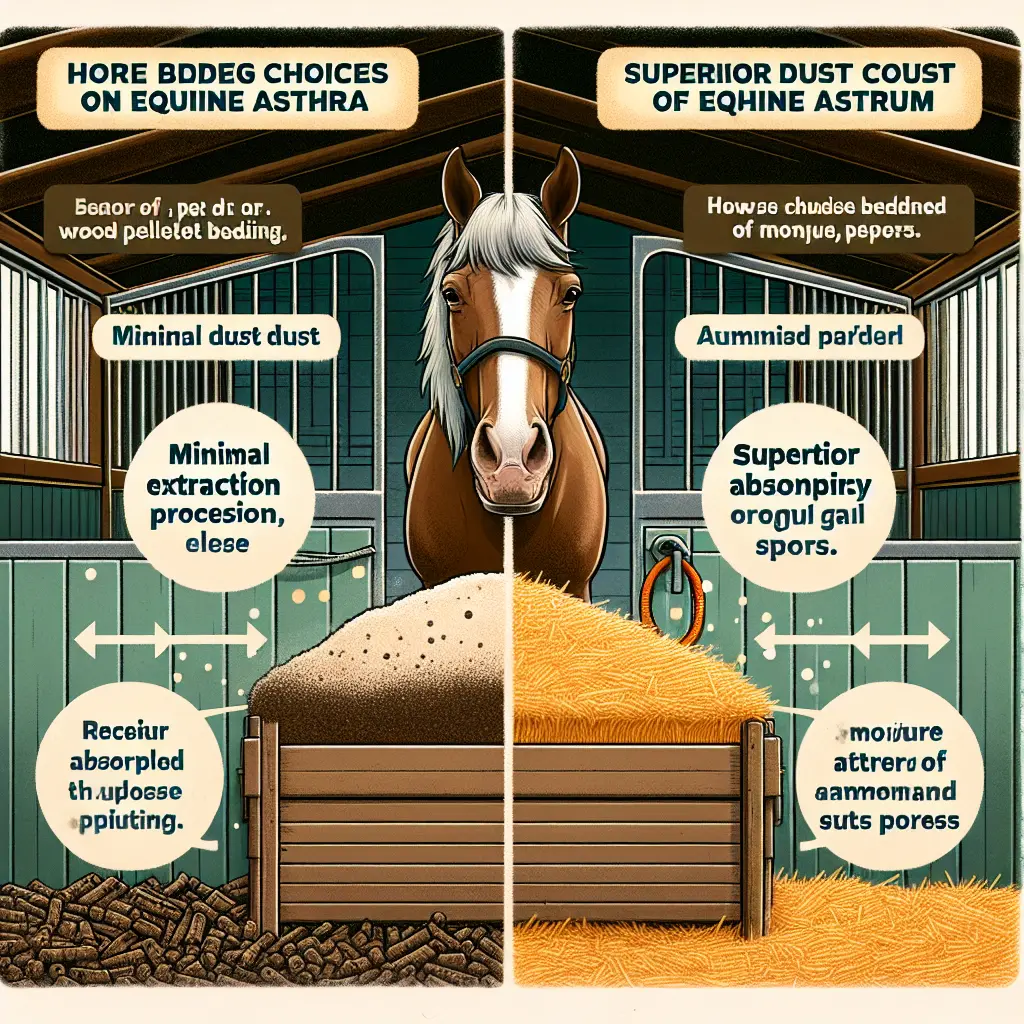
Strawmax supports respiratory health for horses and humans alike by maintaining a cleaner stable environment (source).
What is Sunebed?
Sunebed typically refers to specialized peat or wood-based low-dust beddings. These options emphasize dust-extracted peat or shavings, ideal for asthma-prone horses. Typically sun-dried to minimize moisture and microbial activity, brands use innovative methods like EASYBREATHE™ to ensure premium air quality (source).
Key Features of Sunebed
- Dust extraction processes: Removes respirable dust to safeguard against equine asthma.
- Low fungal and bacterial load: Proven to reduce airway neutrophils compared to straw.
- Natural absorbent properties: Absorbs efficiently and limits mold growth with its fine texture.
These beddings focus on enhancing air hygiene. Peat, well-known for its respiratory benefits, remains a reliable choice (source).
Head-to-Head Comparison: Strawmax vs Sunebed
Though no direct studies pit Strawmax against Sunebed, peer-reviewed research provides clarity by comparing pelleted straw, peat, and wood pellets (source).
| Feature | Strawmax (Pelleted Straw) | Sunebed-Style (Peat/Wood Pellets) | Winner for Asthma |
|---|---|---|---|
| Dust Levels | Ultra-low; engineered to minimize allergens (source) | Very low; baled peat and wood pellets reduce dust effectively (source) | Tie |
| Fungal Spores | Low (pelleting process helps) (source) | Lowest in peat; wood pellets produce fewer spores than straw (source) | Sunebed |
| Bacterial Contamination | Moderate; similar to straw in air tests (source) | Similar to straw in peat-shavings mixes; wood lower (source) | Tie |
| Neutrophil Impact (Airway Inflammation) | Higher in straw pellets vs baled peat (source) | Baled peat lowest (mild remission effect) (source) | Sunebed |
| Ammonia Control | Excellent; super-absorbent, traps urine fast (source) | Good in peat/wood; drier beds limit vapors (source) | Strawmax |
| Mucus & Respiratory Rate | Higher scores in straw pellet trials (source) | Lower in peat and wood pellet phases (source) | Sunebed |
| Absorbency & Waste | High; composts easily (source) | High; peat clumps well, less mucking needed (source) | Tie |
| Cost-Effectiveness | Affordable long-term due to low waste (source) | Varies; peat can be pricier but efficient (source) | Strawmax |
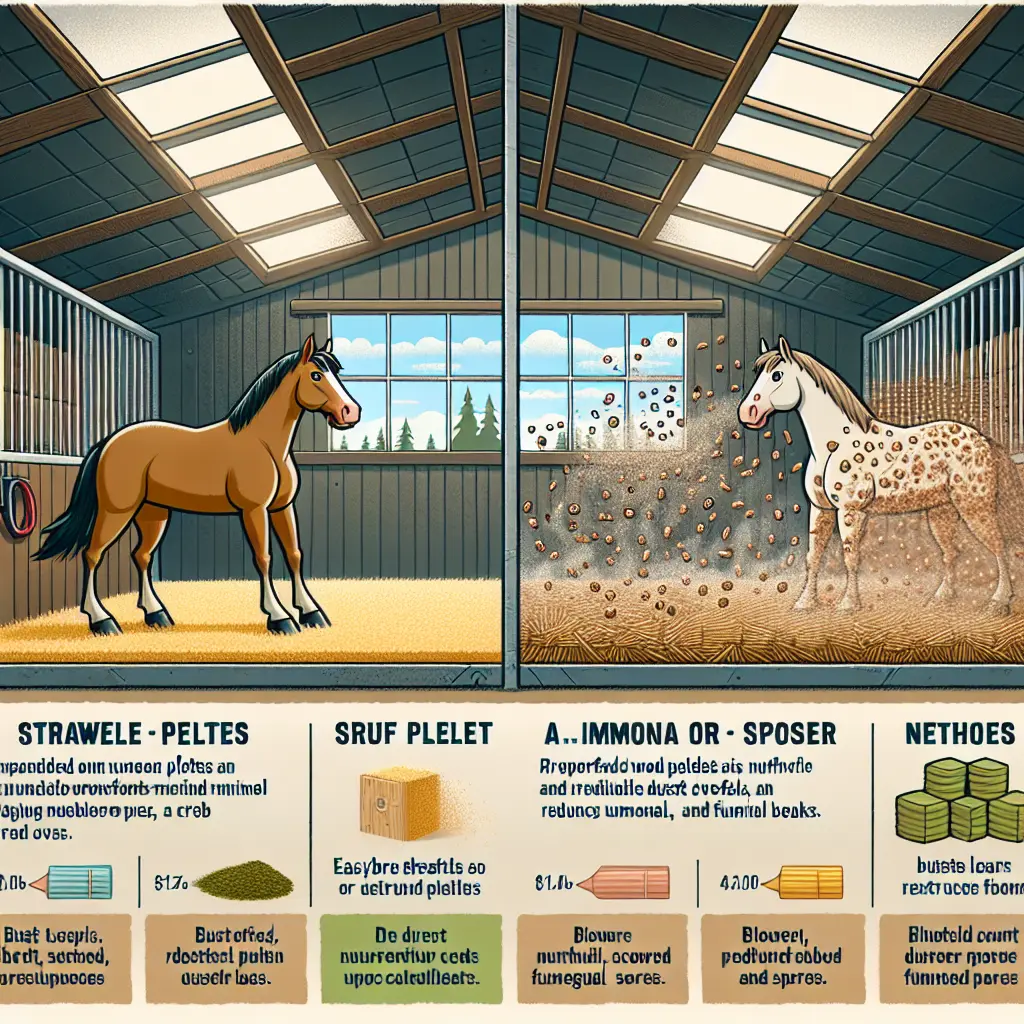
Key Study Insights
- In a 2021 trial, baled peat (Sunebed-like) showed the lowest neutrophil percentages in bronchoalveolar lavage fluid (BALF) (source).
- Straw pellets increased tracheal mucus scores and respiratory rates versus peat.
- A 2017 Polish study found crushed wood pellets produced the most dust but the fewest spores and bacteria.
Real-World Evidence and Horse Owner Tips
Veterinarians often recommend conducting bedding trials using endoscopy or cytology to identify the best choice for your horse (source). Many horse owners rank respiratory health as a top stable concern.
Practical Advice on Bedding Options
- Test small portions of bedding initially.
- Use low-dust hay alternatives and muck daily to minimize ammonia buildup.
- Check bedding depth, aiming for 6-8 inches.
- Coughing typically drops 20-30% with the right bedding change.
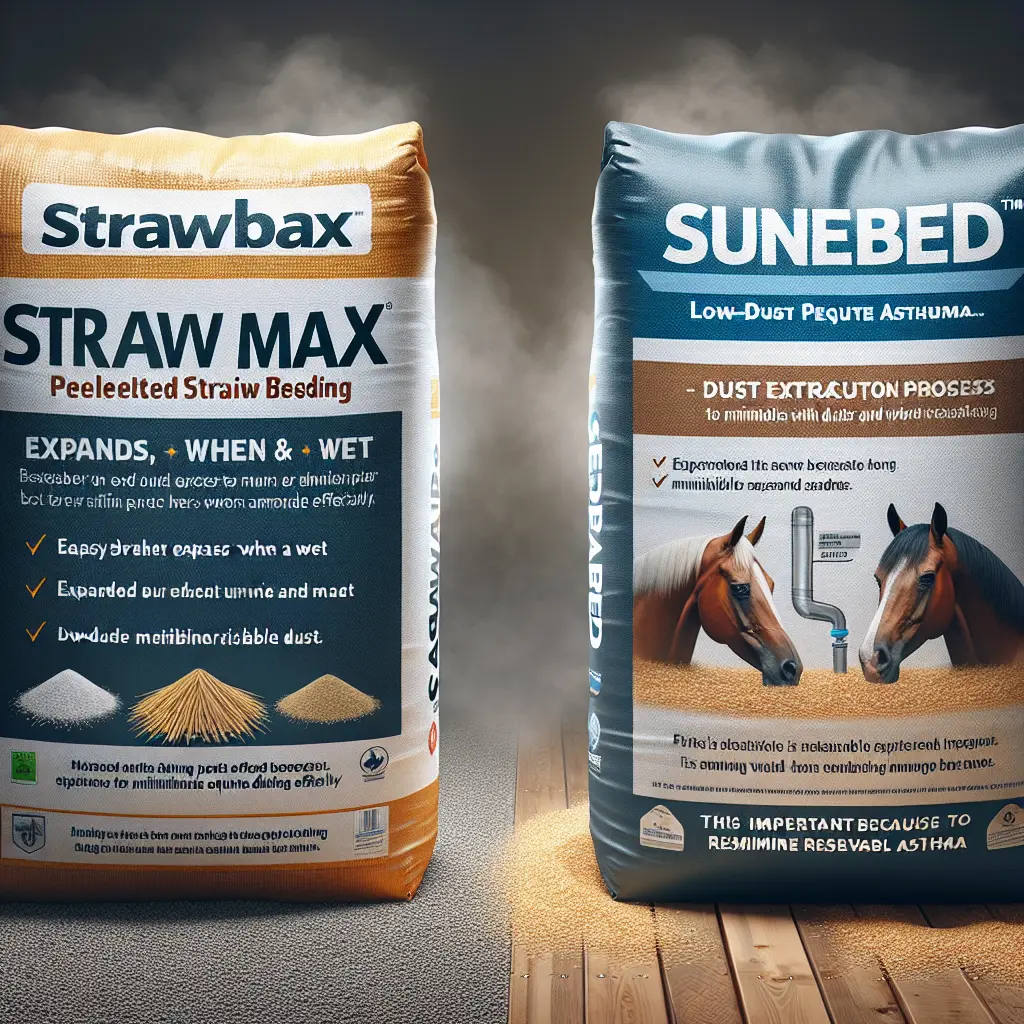
The Verdict: Sunebed Edges Out for Asthma
For horses grappling with asthma, Sunebed-style peat or wood pellet beddings emerge as the superior choice. These options are backed by studies showing lower neutrophil counts, reduced mucus scores, and fewer spores (source). Strawmax remains an effective option with its excellent absorbency and cost benefits, especially for milder cases or budget concerns. Ultimately, consulting a veterinarian for personalized tests is a wise approach.
Investing in quality bedding ensures cleaner air and smoother rides for your horse. Visit our Everyday Horse Vitamins & Supplements to support your horse's health.