

Exploring Safety Concerns and Rescue Techniques in Horse Transport: Lessons from a Recent Incident
Horse transport can be fraught with unexpected challenges. Recent data reveals that 16.2% of surveyed horse owners have encountered a transport incident, with a significant number involving horse behavior. Transport mishaps are not only concerning for the wellbeing of horses but also present risks to human handlers. In this article, we dive into the key risks, prevention strategies, and rescue techniques drawn from data and real-world scenarios to enhance safety in horse transport.
Understanding the Scale of Horse Transport Risks
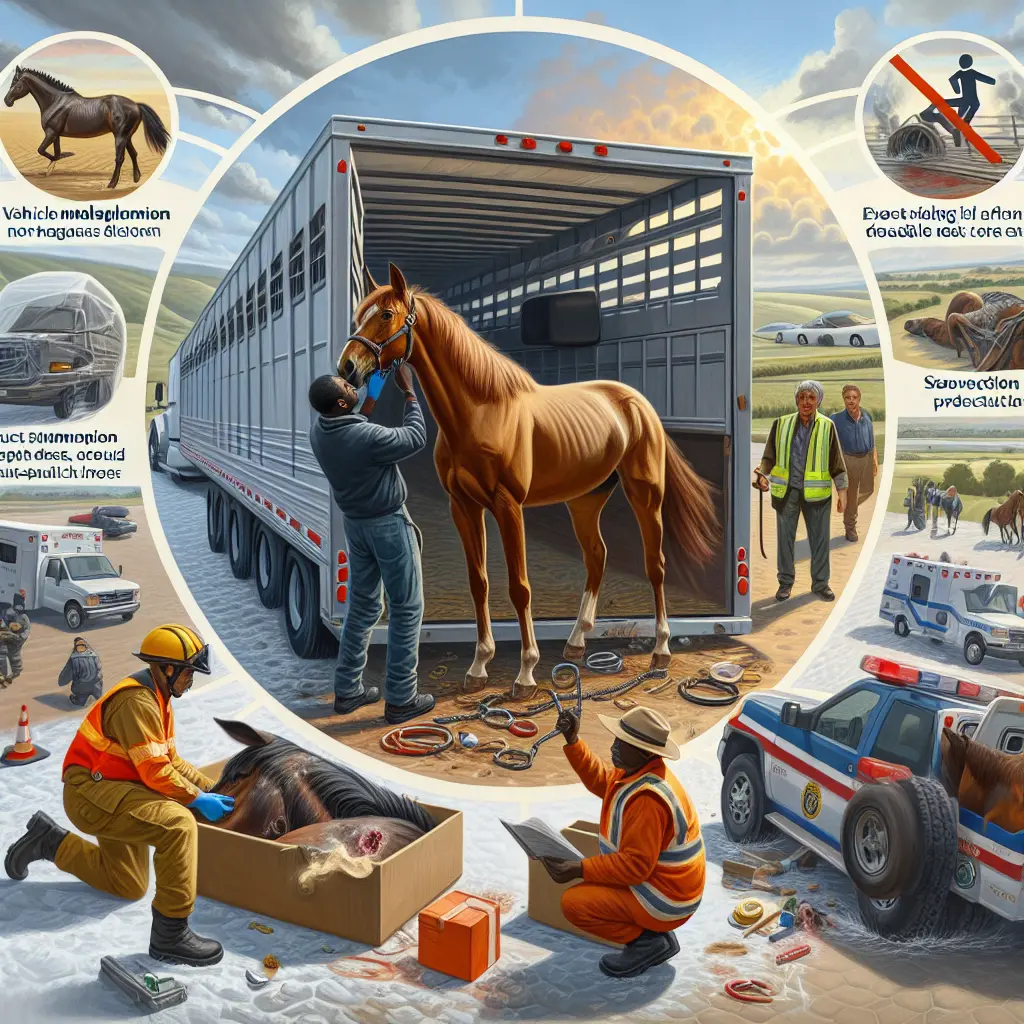
Horse transport issues are prevalent across different ownership categories, affecting professionals and leisure riders alike. More than 342 incidents were reported in a survey of over 2,000 horse owners, with more than half attributed to horse behavior like scrambling or slipping, particularly during the initial hour of travel (source).
Key Causes of Incidents: Lessons from Data
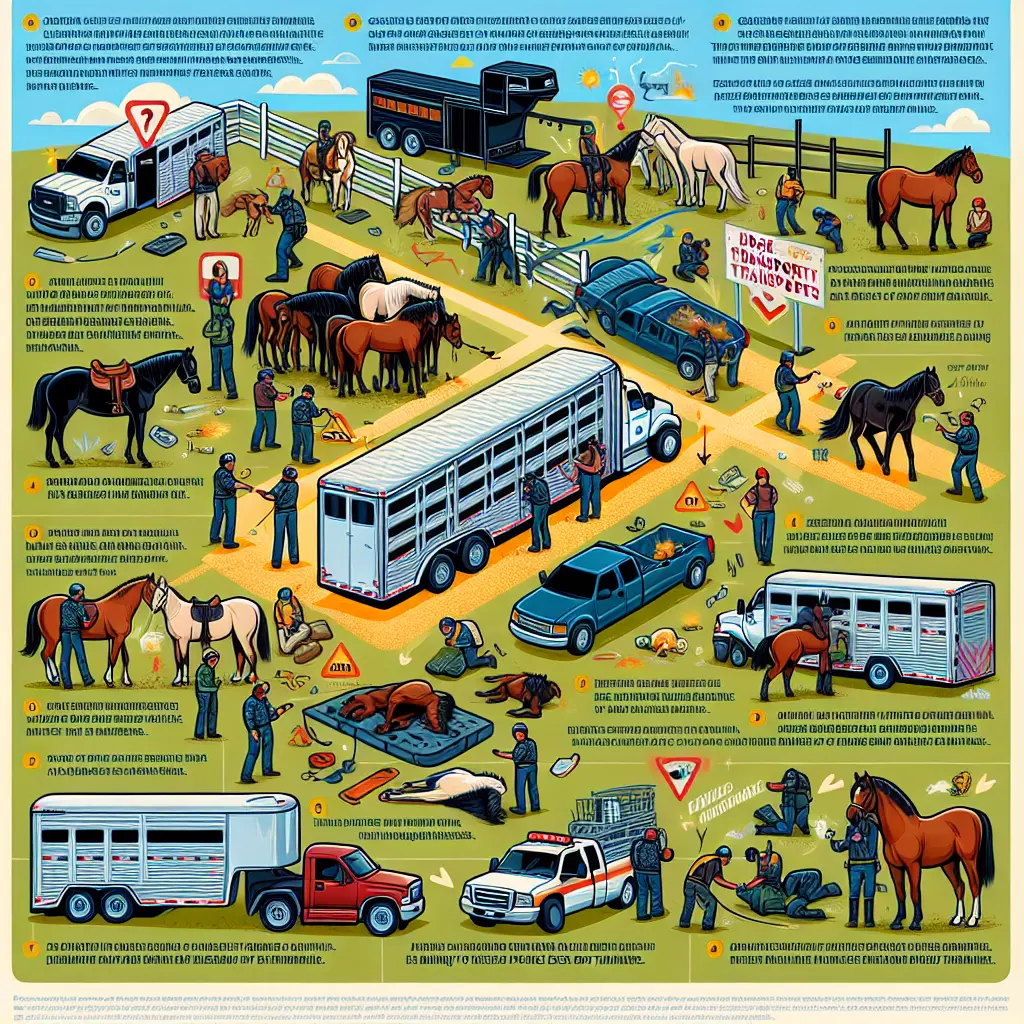
A recent incident involving a trailer overturn emphasized these findings. The main causes of horse transport incidents are horse behavior and vehicle malfunction, with issues like brake failure or inadequate vehicle design accounting for 68% of injuries. Scrambling during transport is a common issue, especially in trailers without rubber mats or chest bars (source).
Prevention Strategies: Proven Ways to Minimize Risks
Preparation is key to reducing the chances of incidents. Essential measures include thorough vehicle checks, such as regular brake inspections, and suitable vehicle design to accommodate travel stressors. Training horses to load and transport calmly can reduce panic and injuries (source).
Vehicle Checks
Regular maintenance of transport vehicles can prevent mechanical failures, which are linked to higher injury rates. Proper equipment, such as rubber mats and chest bars, should be standard features to mitigate risks.
Horse Training
Employing gentle acclimatization techniques over negative reinforcement helps reduce horse anxiety during transit. Establishing a routine with positive reinforcement can make loading and transport smoother.
Loading Practices
Approach loading calmly and avoid using whips or force, which can exacerbate stress in horses and increase the likelihood of incidents during transport.
Rescue Techniques: Step-by-Step Response in a Crisis

In a crisis, such as a moving trailer accident, swift and coordinated actions are essential. A structured response can significantly reduce risk to both horses and humans involved.
1. Secure the Scene
Immediately stop traffic and contact emergency services. Assess and mitigate further hazards, such as fuel leaks or unstable wreckage, to prevent additional incidents.
2. Evaluate Horse and Human Injuries
Check for visible trauma and stress indicators in horses. Prioritize human safety, as historical data indicates a high rate of human injuries during transport mishaps (source).
3. Safe Extrication Methods
Stabilize the transport vehicle before attempting horse extrication. Utilize safety tools such as jacks, props, and slings for safe and efficient rescue operations.
4. Post-Rescue Care
Following a rescue, provide necessary care such as hydration and blanketing to prevent shock. Ensure a full veterinary check-up to assess for any latent injuries.
Broader Implications and Calls to Action
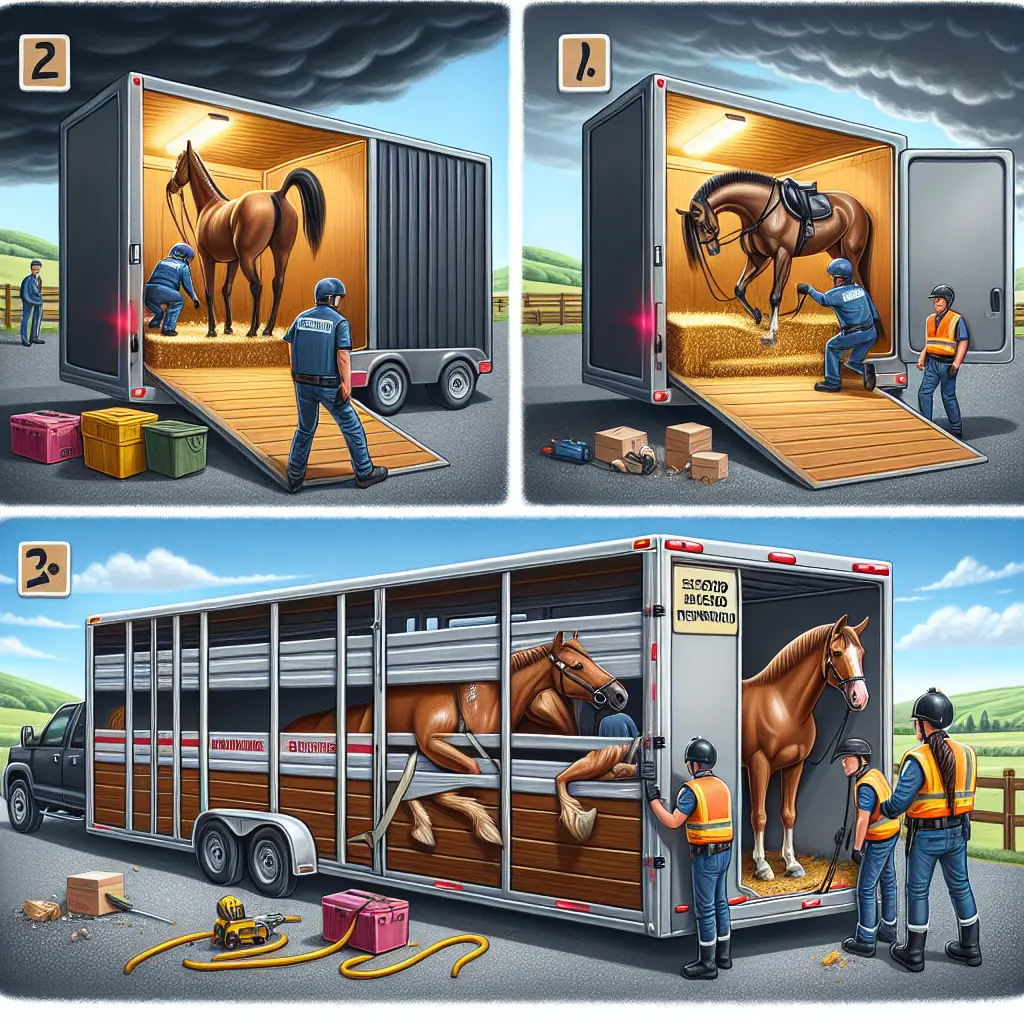
The ramifications of transport incidents call for a robust approach to safety. Continuous improvement and compliance with legislation like the Horse Transportation Safety Act 2025 provide a framework for enhanced safety. Regular training, maintenance checks, and adherence to best practices can lower risks significantly.
Conclusion
Horse transport safety is a multi-faceted issue requiring attention to detail and commitment to best practices. By understanding the data, applying proven prevention strategies, and equipping oneself with effective rescue techniques, both horse welfare and human safety can be prioritized. Share your own experiences or tips in the comments below and help us ensure every horse transport journey is a safe one.
For more equestrian insights and gear, explore our Jodhpur Collection, or browse our Everyday Horse Vitamins & Supplements.