

Introduction: Navigating Equisal Test Delays
Experiencing delays in receiving your Equisal test results can feel like galloping against the wind. Whether you're part of a bustling laboratory or a quiet clinical practice, these delays can disrupt your workflow and decision-making. But worry not! We’re here to help you navigate these hurdles and understand why they happen.
Understanding the Equisal Test and EQAS
The Equisal test is not just any ordinary test. It's a vital part of External Quality Assurance Schemes (EQAS). These schemes aim to assess and improve laboratory analytical performance worldwide by sending out standardized samples that labs test and return for evaluation. Feedback from EQAS highlights any analytical errors, ensuring labs maintain high quality and accuracy in their results.

Common Causes of Delays in Equisal Test Results
Delays in Equisal test results stem from various factors. From sample handling blunders to analytical mishaps, these obstacles can challenge even the most experienced labs. Let's dive deeper into these causes:
Sample Handling Issues
Improper storage, delayed shipping, or incorrect temperature control can degrade sample quality, leading to testing delays. Properly handling your samples is crucial to maintaining their integrity.
Administrative and Communication Barriers
Falling behind in receiving samples or failing to report results promptly in online systems can significantly delay the process. An efficient system is vital to avoid such snafus.

Analytical Problems
Instrument malfunctions or human errors such as incorrect sample handling, inaccurate volumes, or mixed-up procedures can lead to prolonged turnaround times.
Lab Personnel Competency
A skilled staff is essential. Lack of expertise or unfamiliarity with EQAS processes and platform updates can slow down testing significantly.
Explore stable rugs for preparation.External Factors
External factors like postal delays and customs issues are unpredictable and often challenge even the most organized laboratories. It’s crucial to plan for these variabilities to mitigate their impacts.
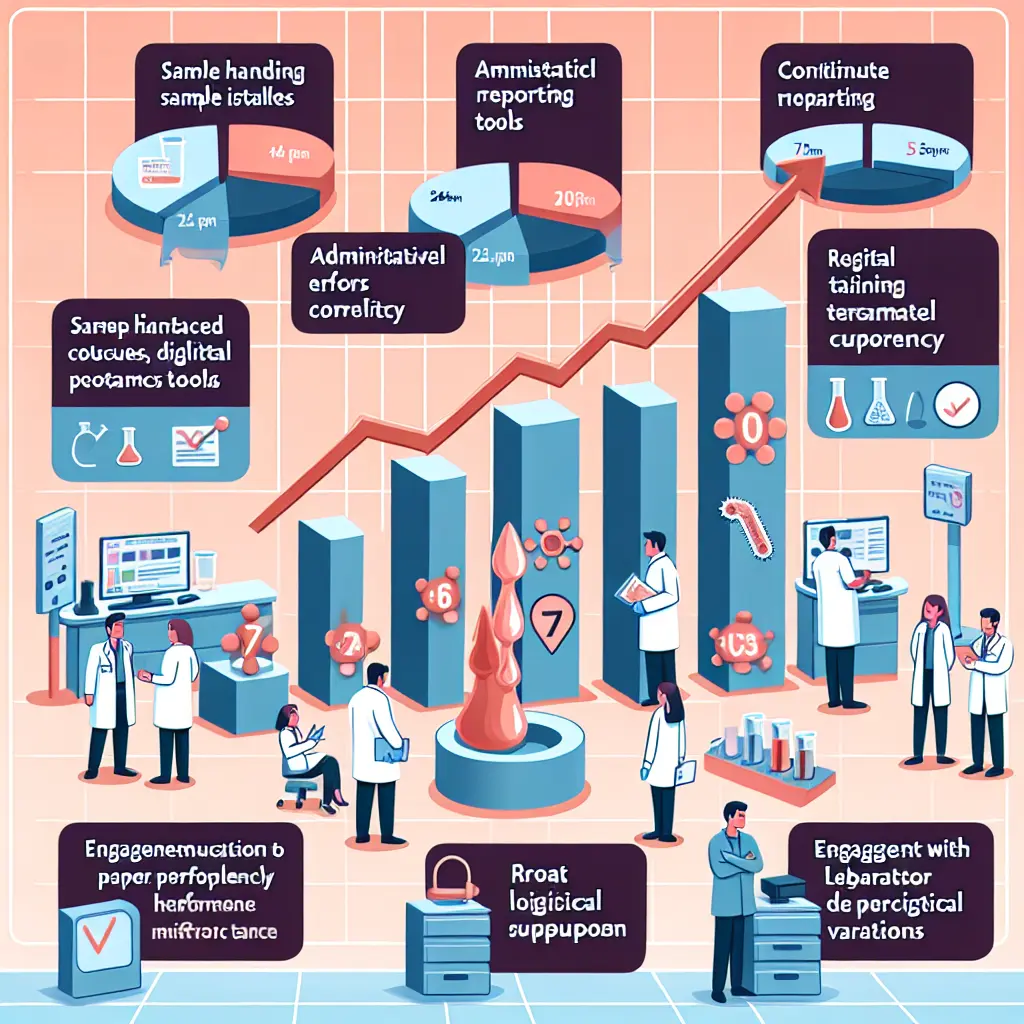
Tips for Managing and Minimizing Delays
As the saying goes, “a stitch in time saves nine.” Proper planning and strategies can help you steer clear of the dreaded Equisal test delays.
Maintain Clear Sample Handling Protocols
By adhering to strict guidelines for storing and reconstituting samples, you'll avoid compromising their integrity. Never underestimate the power of precision in these processes.
Use Efficient Digital Reporting Tools
Turning to web-based or mobile EQAS reporting platforms can save you from paper-based and postal lag, ensuring results are submitted promptly.

Regularly Verify Equipment and Reagents
Keeping equipment well-calibrated and reagents within their expiry date is an excellent preventive measure against repeat runs and ensuing delays.
Check our turnout rugs collection.Train and Refresh Staff Competency
Regular training and refresh courses for staff on EQAS procedures and Point of Care Testing (PoCT) device operations play a key role in improving accuracy and timeliness.
Implement Systematic Root Cause Analysis
When deviations occur, investigate systematically. Compare expected vs. reported results, verify sample IDs, and check intra-lab quality controls to understand root causes.
Fly protection solutions are available.Experiences and Evidence from Labs
In research analyzing EQAS data over several years, structured troubleshooting and root cause analysis were shown to enhance performance significantly. These protocols increased the percentage of analytes with 'very good' performance scores from around 89% to over 94%.
Fact Check: Key Statistics
Did you know approximately 165,000 EQAS sample sets are shipped annually to over 12,000 labs worldwide? With robust quality processes, 89% to 95% of EQAS parameters achieve a "very good" performance rating.
Conclusion: Saddle Up Against Delays!
Delays in the Equisal test results can be quite the obstacle, but with the right tools and techniques, you can manage them effectively. By employing clear protocols, leveraging technology, training staff, and engaging with EQAS providers, your lab can exceed expectations, ensuring accurate results and better service delivery without the dreaded wait. Now that's a win!