

Preventing Theft in Horse Yards: Strategies and Challenges
Horse theft and equipment theft pose significant risks for horse owners, impacting not only financial investment but also animal welfare and personal security. Understanding effective preventive measures and challenges is crucial for maintaining a safe horse yard environment. This blog outlines practical strategies to reduce theft risks, supported by expert recommendations and verified facts.
Understanding the Risk of Theft in Horse Yards
Horse properties are attractive targets for thieves due to the high value of horses, tack, trailers, and equipment. Theft can occur in barns, pastures, and even at horse shows, often resulting in severe emotional and financial hardship for owners. Thieves exploit vulnerabilities such as easy access, unsecured equipment, and predictable routines. To combat this, owners must implement comprehensive security measures that reduce the opportunity and temptation for theft.
Security Challenges
Despite investing in security, horse yards face unique challenges. Remoteness, the high value of livestock, and the necessity for open access can complicate theft prevention strategies. Moreover, sophisticated criminals may bypass basic security measures, necessitating advanced and layered defenses.
Proven Strategies to Prevent Theft
1. Secure Your Horses with Permanent Identification
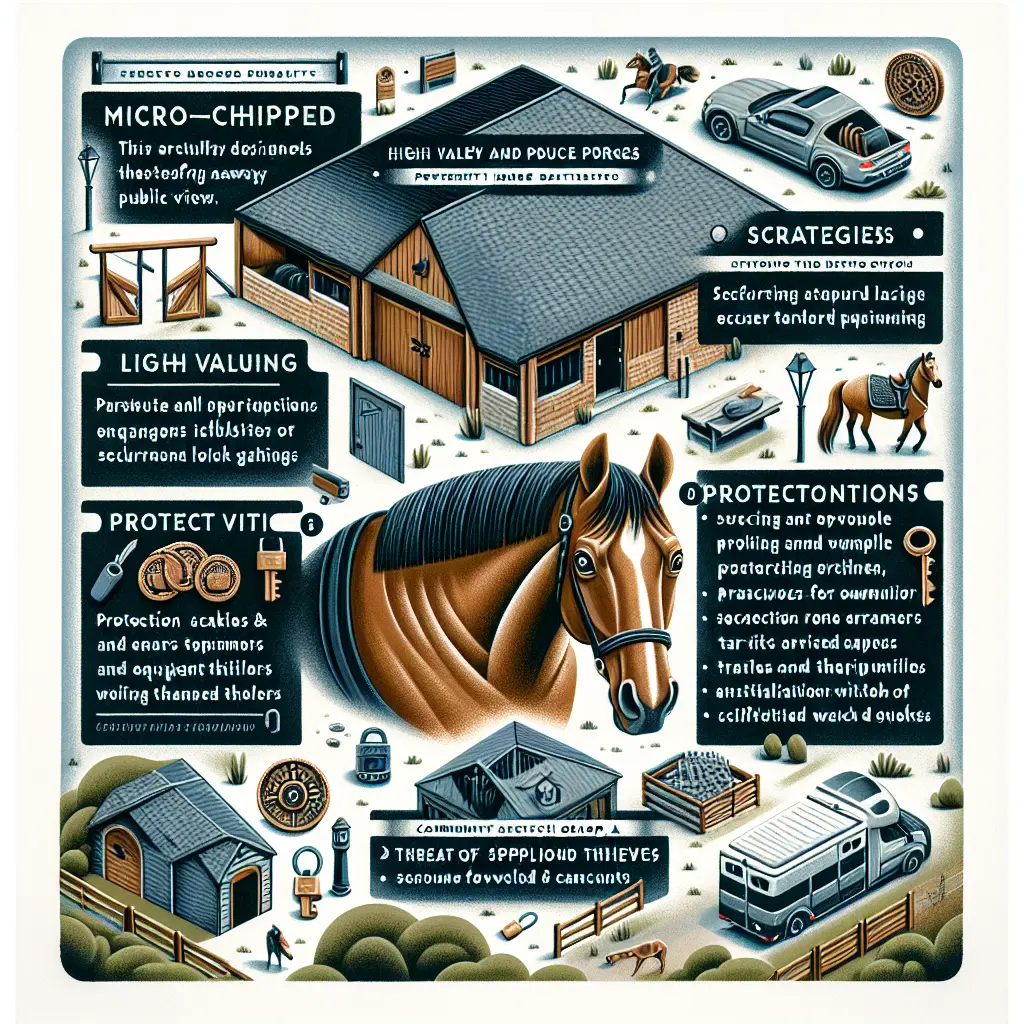
One of the foundational strategies is permanently marking horses to deter theft and aid recovery if stolen. Methods can include microchipping, freeze branding, or tattooing. Keeping up-to-date photographs of each horse is also essential for identification and recovery efforts. For more details, refer to the Horse & Rider Magazine.
2. Thoughtful Yard and Facility Design
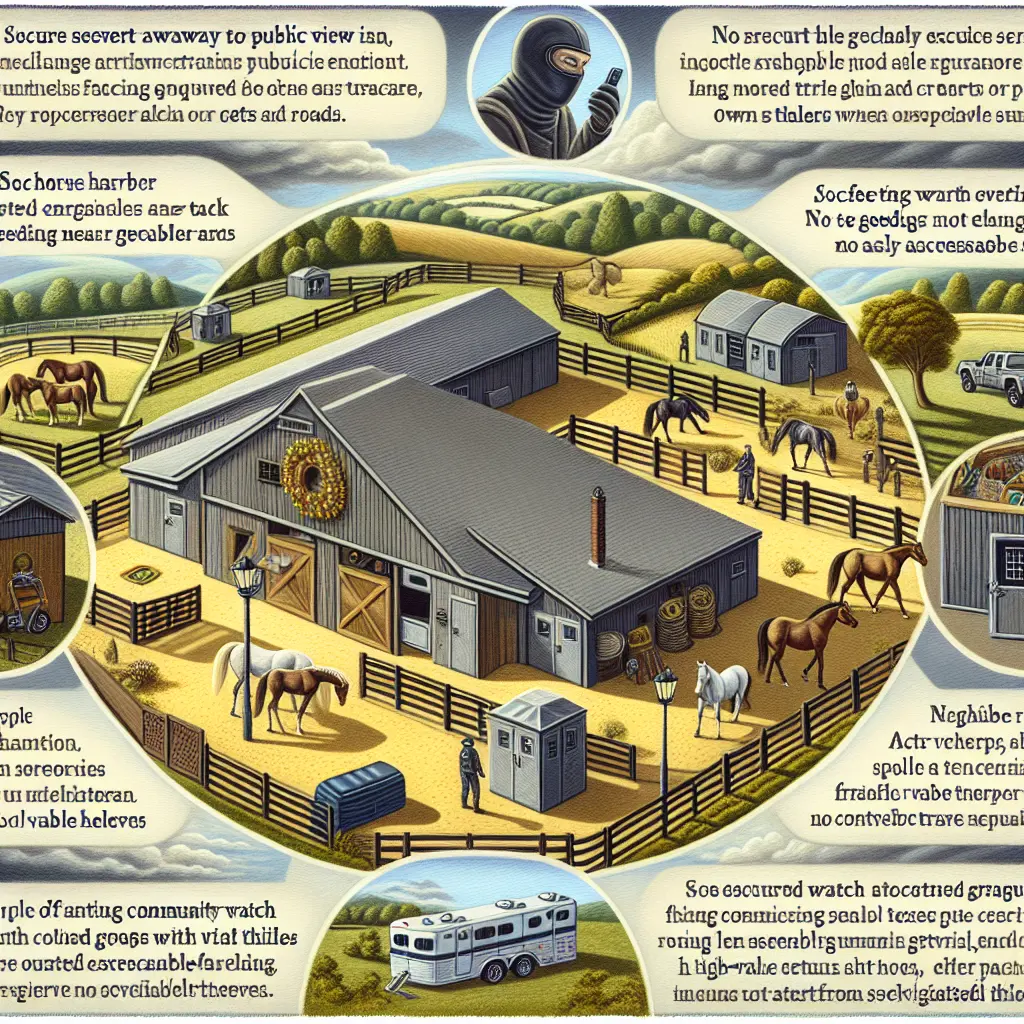
Locating barns and corrals away from roads and public view can significantly reduce theft risk. Facilities positioned beyond the house or behind other structures increase difficulty for thieves to access or escape unnoticed. More insights are available in the The Horse Magazine.
3. Manage Pastured Horses to Avoid Easy Capture
Simple management techniques can make horse theft more difficult:
- Never leave halters on pasture horses to avoid easy catching.
- Avoid feeding horses near gates or roads, as this encourages them to congregate where thieves can easily grab them.
- Keep pasture gates securely locked and check on your horses regularly, varying the times to avoid predictability.
Learn more about minimizing risks by visiting the University Extension.
4. Secure Tack and Equipment
Expensive tack such as saddles and bridles should be permanently identified (for example, engraving driver’s license numbers) and locked away in secure rooms. Halters and lead ropes should never be left hanging visibly on stall fronts or gates. Locking tack rooms increases the time a thief must spend on the property, acting as a deterrent. Consider exploring the Jodhpur Collection for securely storing your attire.

5. Protect Trailers and Vehicles
Horse and livestock trailers are common theft targets. Making trailers inaccessible and out of direct view reduces risk. Owners should keep records of vehicle identification numbers (VIN), license plate numbers, and take photographs. Using commercial locks on trailer hitches and parking trailers inside barns or concealed areas helps further deter thieves. For prime horse travel experiences, visit the Horse Riding Boot Collection.
6. Employ Lighting and Alarm Systems
Installing motion-sensor lights around the yard deters nighttime intruders by illuminating suspicious activity. Outdoor alarms designed for stables, preferably with door contacts to minimize false alarms, can alert owners quickly while discouraging theft attempts. Protect against the elements with Stable Rugs or Turnout Rugs.
7. Promote Community Vigilance
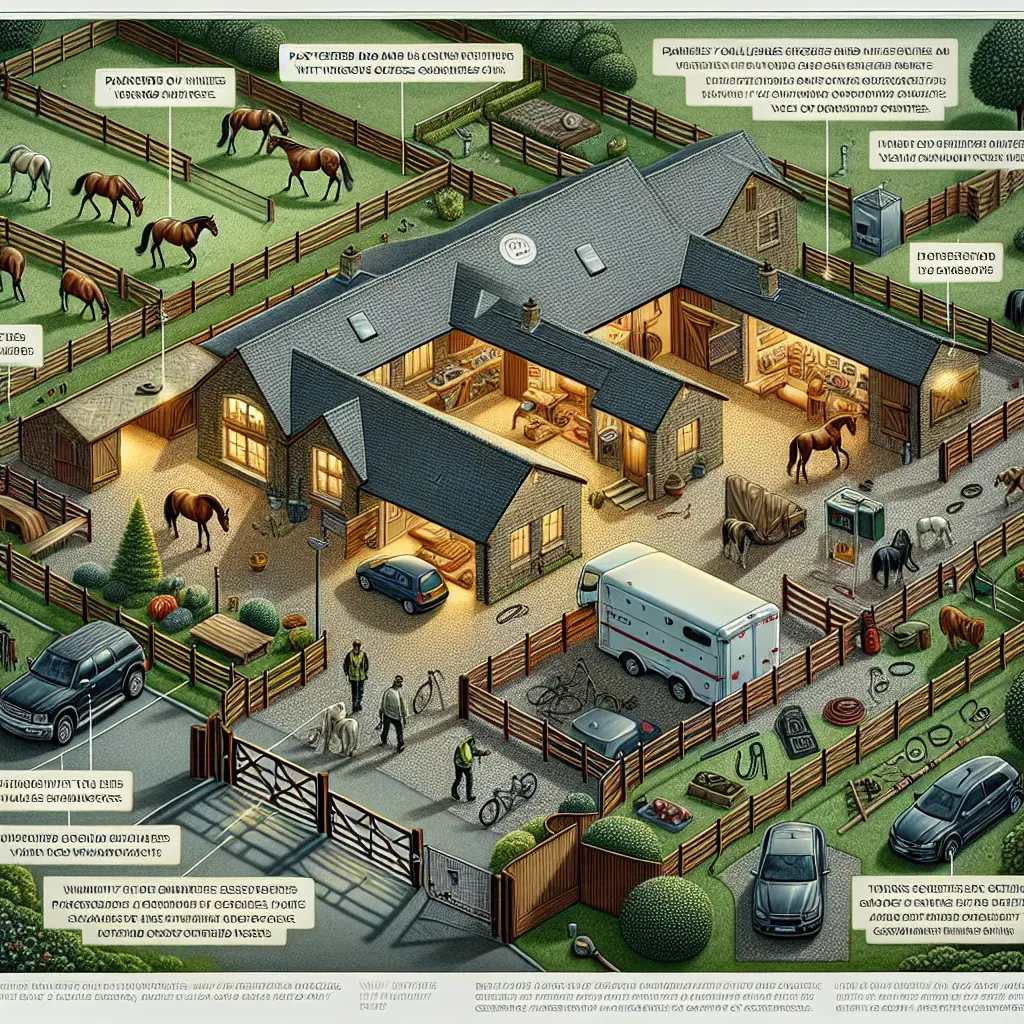
Establishing horse owner watch groups in your area can add an extra layer of surveillance. Such programs facilitate neighbors checking on each other’s horses and property, especially when owners are away. Posting “No Trespassing,” security system, and farm association signs signals that the property is actively monitored and protected. Enjoy camaraderie and camaraderie-strengthening services with Horse Riding Gloves and Socks.
Challenges in Preventing Theft
Despite these strategies, horse yard theft remains a challenge due to:
- Remote Locations: Many horse properties are rural and isolated, which creates opportunities for thieves to act unnoticed.
- Value and Portability: Horses and equipment are valuable and relatively portable, making them attractive targets.
- Owner Absence: Owners may be away for extended periods, delaying discovery of theft.
- Fire Safety vs Security: Locking gates for security must be balanced with emergency access in case of fire.
- Sophisticated Thieves: Some thefts are committed by organized groups with knowledge and tools to bypass security systems.
Overcoming these challenges requires a layered security approach that combines physical deterrents, technological tools, and community cooperation.
Conclusion
Preventing theft in horse yards demands vigilance, strategic planning, and proactive measures. By permanently identifying horses, designing secure yards, managing pastures carefully, locking up tack and trailers, installing lighting and alarms, and fostering community watch programs, horse owners can significantly reduce the risk of theft. While challenges persist due to the nature of horse properties and the value involved, these strategies collectively strengthen defenses. Staying informed, prepared, and connected within the horse-owning community is the best safeguard against theft.
References for Further Reading
15 Steps to Minimizing Theft of Horses and Equipment (University Extension)
Horse Theft: How to Prevent It (World Horse Welfare)
Protecting Your Horse Property From Theft (The Horse Magazine)
10 Steps to Reduce the Risk of Horse Theft (Horse & Rider Magazine)