

Navigating the Emotional Journey: How to Cope with Equine Health Challenges
For horse owners, equines are more than just animals—they're family members, partners, and confidants. However, when a horse faces a health challenge, whether from colic or infectious diseases like equine influenza, the emotional toll can feel overwhelming. This guide will explore practical coping strategies, supported by the latest industry data and expert insights, to help support your beloved horse while taking care of your own well-being.
Understanding the Scope of Equine Health Challenges
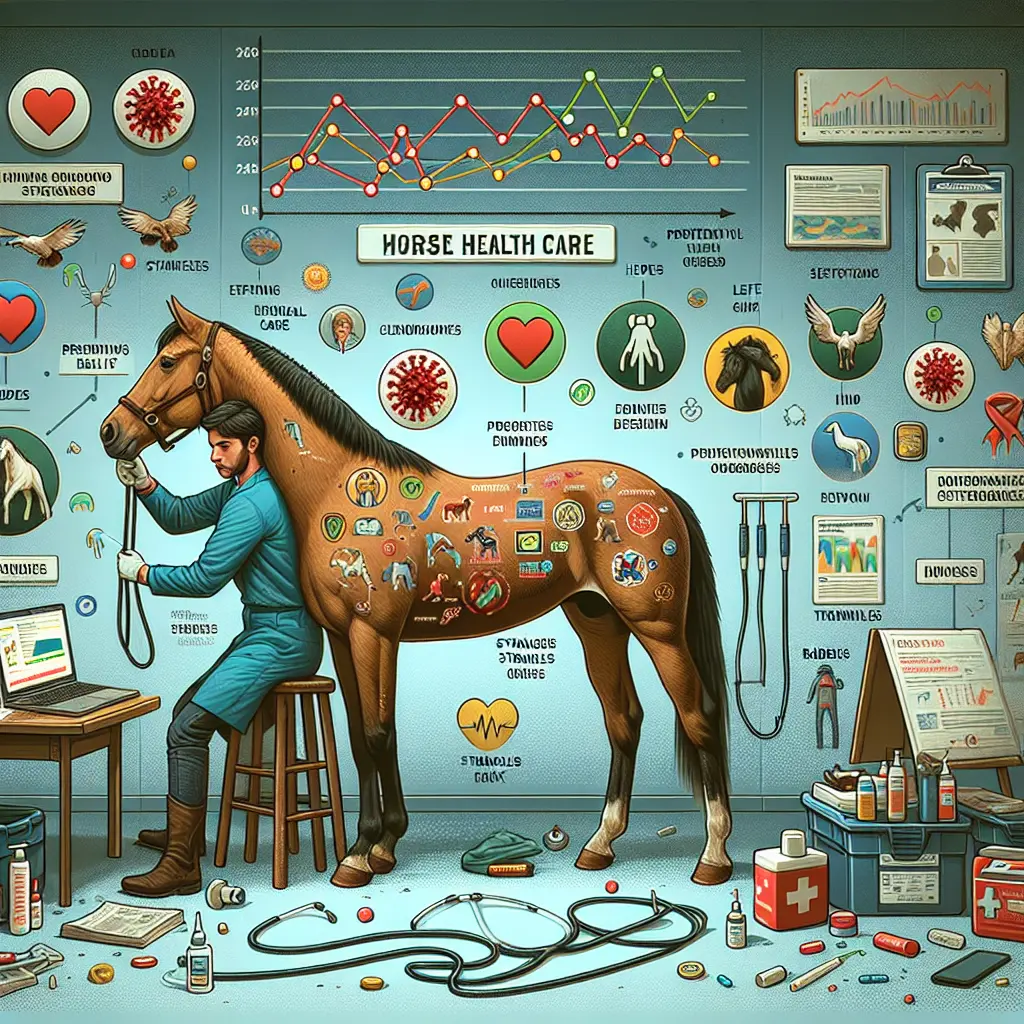
Equine health challenges are widespread, driving a demand for better care and increasing awareness among owners. The global equine health market is projected to expand from $2.36 billion in 2026 to $4.08 billion by 2034, growing at a 7.07% CAGR, due to rising disease prevalence and preventive measures, like vaccines and supplements. Common threats include equine influenza, equine herpes virus, tetanus, rabies, West Nile virus, Potomac horse fever, and more.
The Latest Outbreaks
Recent outbreaks have made the urgency for effective equine health management particularly clear. As of early 2026, facilities reported seven confirmed and four suspected cases of Strangles, a highly contagious bacterial infection. The USDA's NAHMS Equine 2026 Study offers valuable data on disease occurrence and management practices, proving that knowledge empowers proactive care.
The Emotional Stages You'll Likely Face
Caring for a sick horse can mirror the emotional experience of grieving a loved one. Owners often cycle through the following emotional stages:
- Shock and Denial: Sudden diagnoses like lameness or a colic episode can be particularly shocking.
- Anger and Frustration: Experiencing issues like vaccine failures can be frustrating for horse owners.
- Bargaining and Guilt: It's common to wonder if better care might have prevented the health issue.
- Depression and Anxiety: As veterinary shortages impact wait times, owners may feel more isolated than ever.
- Acceptance and Hope: New technologies are aiding recovery and helping owners manage their expectations.
Recognizing Your Feelings
Recognizing these emotions as normal is a crucial step in the healing process. In past NAHMS surveys, an overwhelming 91% of equine owners reported using veterinary services, yet access issues persist. By understanding this, you can better navigate your emotional journey.

Practical Strategies to Cope Emotionally and Support Your Horse
Swapping sorrow for action can help empower you through the challenging times. Here are several evidence-based strategies to follow:
1. Build a Support Network Early
- Connect with fellow horse owners via online forums or local events to share experiences and reduce feelings of isolation.
- While leaning on veterinarians for guidance, it's also crucial to advocate for available emergency care.
- Joining equine welfare groups can provide resources for challenging transitions.
2. Prioritize Self-Care to Stay Strong
- Equine vets often face 24/7 demands, so be sure to manage your own stress with breaks and activities like journaling or speaking with a counselor.
- Studies show mindfulness can significantly reduce stress hormones, making it a valuable practice.
- Keep a journal to track your emotions and reflect on patterns.
3. Focus on Proactive Health Management
Prevention can ease emotional strain. Here's how:
| Strategy | Benefit | Supporting Data |
|---|---|---|
| Routine Vaccinations & Deworming | Targets influenza, rabies, and tetanus | Equine influenza segment holds a 21.36% market share |
| Biosecurity at Events | Limits the spread of diseases like Strangles | NAHMS Phase II samples pathogens at events |
| Wearable Tech & Monitoring | Detects illness early | Tracks activity, preventing costly issues |
| Emergency Preparedness | Manages disasters like colic | Owner readiness is a key NAHMS objective |
These proactive strategies can reduce the risk of diseases like colic, a top concern for horse owners.

4. Navigate Veterinary Challenges
With many vets unable to offer round-the-clock care, it's essential to be prepared:
- Stock a horse first-aid kit with essentials, such as bandages and thermometers.
- Utilize remote tools to share health data with your vet, enhancing communication.
- Seek specialized care for conditions like lameness, being aware of the financial challenges vets face.
5. Foster Hope Through Positives
- Celebrate small victories, such as your horse's return to pasture after recovery.
- Embrace technology-driven innovations for preventive care.
- Remember, equine care trends show improvements over the decades, reflecting resilience.
Long-Term Resilience: Turning Challenges into Strength
While equine health hurdles are challenging, they also build deeper bonds and resilience. Organizations like the Equine Welfare Data Collective provide nationwide insights on at-risk horses, guiding better outcomes. Staying informed through USDA studies or outbreak alerts empowers you to honor your horse's spirit.
Remember, you’re not alone in this journey. Armed with knowledge and support, you can navigate these challenges and emerge stronger. Feel empowered to share your story and insights with others—it could be more valuable than you think.
Explore our Jodhpur Collection and other products, including riding boots and gloves, to further support your journey in horse riding.