

Understanding Equine Kicks: When to Worry and When to Relax
Horses are magnificent beings that encapsulate both grace and power. Yet, behind their serene demeanor lies a facet of unpredictability that can sometimes result in a swift kick. Kicking is an intrinsic behavior of horses, conveying emotions and reactions, sometimes seen as a form of equine expression. For horse enthusiasts and caregivers, deciphering these kicks is crucial to ensuring safety and fostering a harmonious relationship.
Common Causes of Kicking in Horses
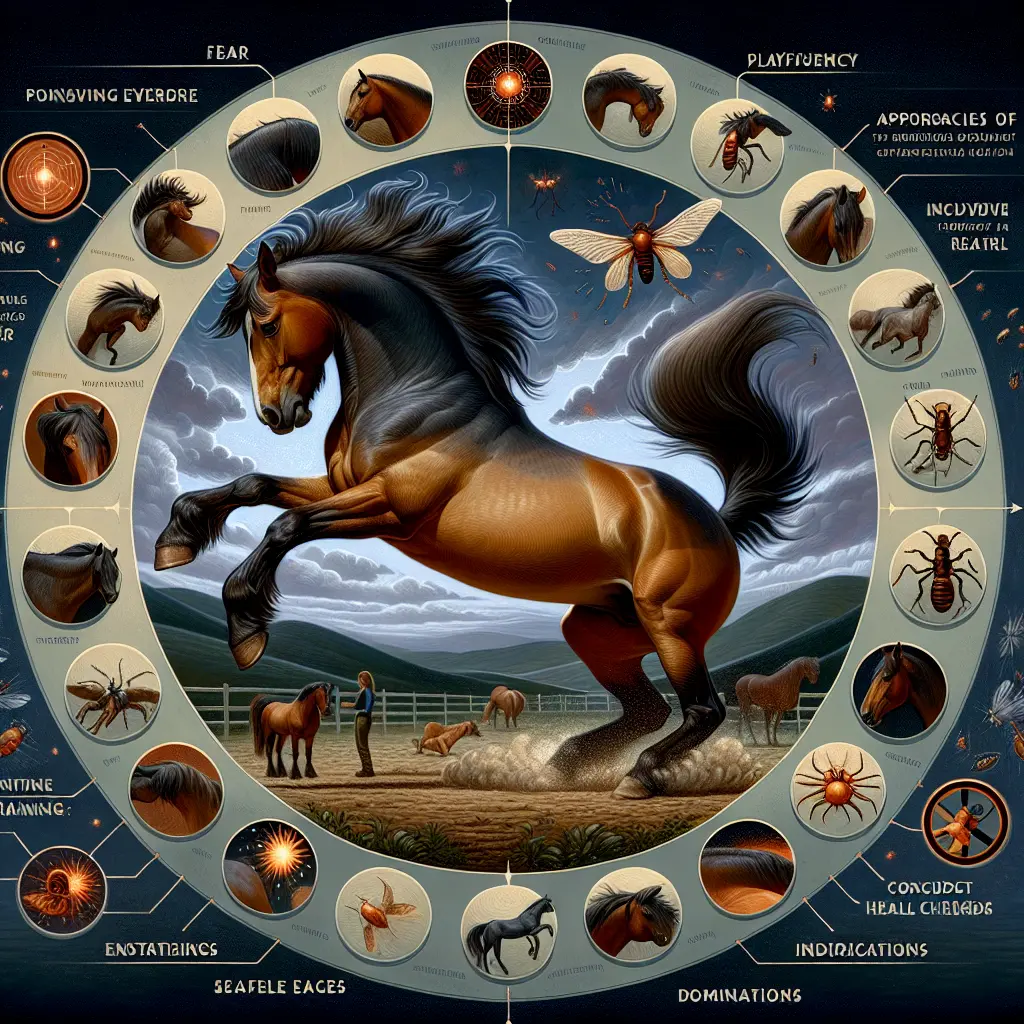
Horses kick for various reasons, often mirroring their physical or emotional state. Let's delve into some common triggers:
Fear and Self-Defense
Instinct prevails when horses feel threatened. As prey animals, their first line of defense is a well-aimed kick. Startling stimuli or cornered situations can ignite this natural response, which is particularly hazardous when inadvertently targeting humans. According to a study on equine behavior and self-defense, it's essential to understand and respect this instinctual response to maintain safety.
Playfulness
Ah, the spirit of equine play! Often, horses kick during moments of sheer joy, especially while frolicking or anticipating meals. While typically non-aggressive, playful kicks warrant caution to avoid incidental harm.
Pain or Discomfort
Like us, horses express pain through actions. A consistent kicking pattern could be a cry for help against poorly fitted tack, colic, or itchy skin. Identifying discomfort promptly is pivotal. Regular health checks can help identify such issues early, as outlined in a piece on identifying pain-induced kicking.
Dominance or Aggression
In the intricate social structure of equine herds, kicking establishes dominance or protects resources like food and mates. Proper training and management can help address such aggression behaviors.
Insects
The relentless buzz of biting flies often triggers a swift kick. This behavior, while protective against insects, can sometimes seem random.
Frustration
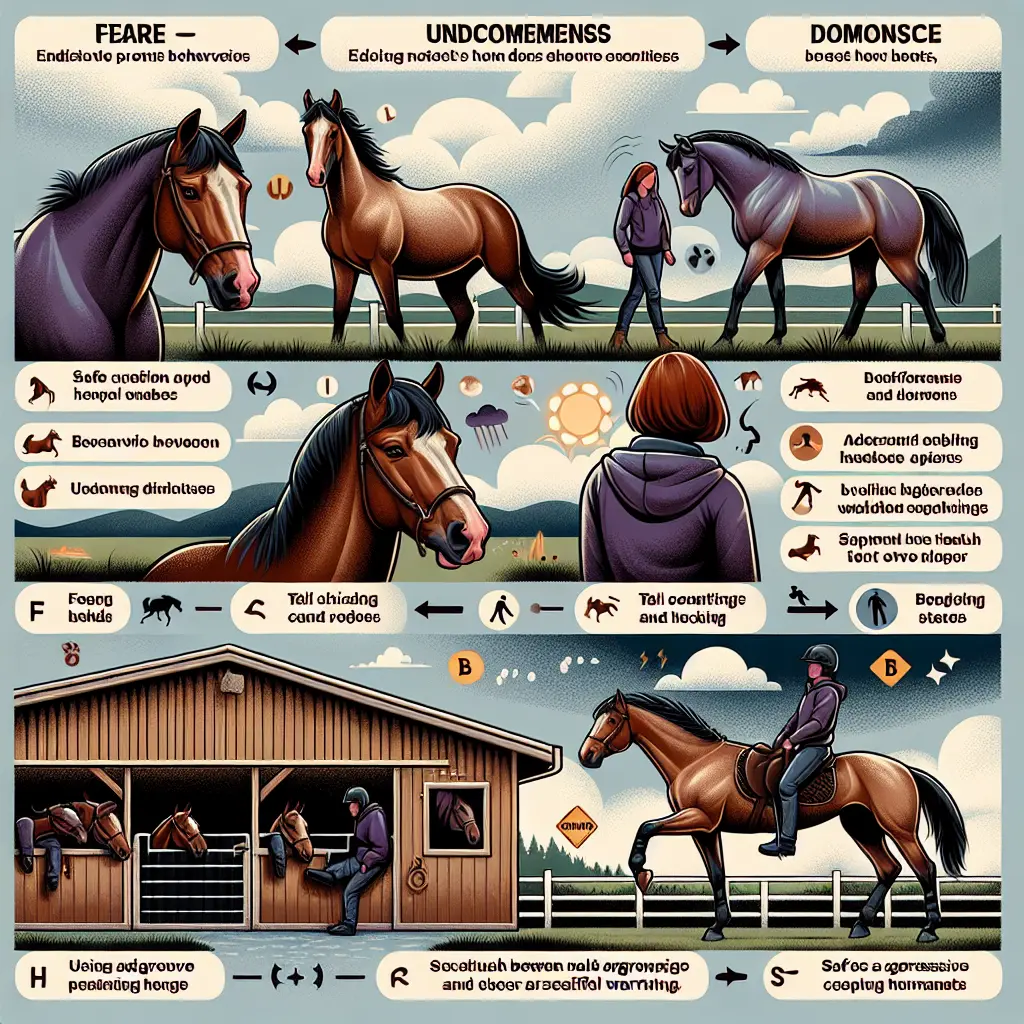
Horses can become frustrated due to hunger, lack of exercise, or the inability to fulfill goals. This frustration can manifest as a kick, a signal that something within their routine needs adjustment.
Identifying Warning Signs
Understanding horse body language is paramount for anticipating potential kicks. Key indicators include:
- Ears Back: An indication of feeling threatened or annoyed.
- Tail Swishing: A tell-tale sign of irritation or frustration.
- Raising Hind Legs: A precursor to kicking.
- Snorting or Vocalizing: These can be indicative of fear or anxiety.
Strategies for Preventing Kicking
Preventive measures can reduce the risk of injury and enhance the horse-human bond. Here are effective strategies:
Environment Management
Ensuring a safe and comfortable stable environment is crucial. Incorporate rubber mats in stalls to reduce the risk of injury from a kick. Details on safe stable management are discussed in this source.
Exercise and Stimulation
Exercise isn't just vital for humans—our equine friends need it too. Adequate exercise and mental stimulation can help alleviate frustration and pent-up energy, vital elements of a balanced horse life. Explore more on everyday horse vitamins & supplements for overall equine health.
Training and Trust
Building a rapport rooted in trust with your horse requires consistent training and communication. Methods such as Parelli Natural Horsemanship offer effective avenues for creating a respectful partnership, focusing on mutual respect and understanding.
Health Checks
Regular veterinary check-ups can preemptively identify health issues that could lead to kicking. Unresolved pain is a common reason for unexpected kicks.
Warning Signs
A simple yet effective visual warning, like tying a red ribbon to the tail, alerts others to a horse that may kick—a small precaution with potentially great benefits.

When to Worry
Not all kicks signal minor issues—some call for professional intervention:
Aggressive Kicking: Consistent aggression without apparent stimuli demands attention from a professional trainer or veterinarian. This can be indicative of deep-rooted behavioral or health issues.
Pain-Related Kicking: If kicking coincides with signs of illness such as colic, immediate veterinary care should be sought as discussed in equine health studies.
When to Relax
Not all kicks warrant concern. Some are part of the horse’s nature:
Playful Kicking: Horses engaging in fun often kick. While non-aggressive, maintaining a respectful distance is prudent.
Normal Herd Behavior: Within a herd, kicking can be daily life, asserting dominance. Observation is key, and intervention is necessary only if it escalates.
Conclusion
Understanding equine behavior, particularly kicking, allows for a richer, safer interaction between humans and horses. Recognizing the myriad causes, from pain to playfulness, demands a thoughtful and adept approach. With patience, knowledge, and strategic prevention techniques, we can navigate these intricacies, fostering a robust and enduring bond with our equine companions.
Explore our collections of top-quality Jodhpur, Horse Riding Boots, Horse Riding Gloves, and other accessories vital to making your riding experience enjoyable and safe! From Stable Rugs to ensure comfort to Fly Protection to keep irritants at bay, we have it all at Just Horse Riders!