

Creative Alternatives for Mouse Bait: When Peanut Butter Isn't Enough
Peanut butter has long held the title of a go-to mouse bait due to its strong aroma and sticky texture, making it an excellent trip-trigger in snap traps. However, sometimes peanut butter simply isn't the best option, especially in households with pets and children. Moreover, as mice can grow accustomed to it, exploring new bait alternatives could enhance your trapping strategy. In this guide, we delve into creative alternatives that promise greater success.
Sweet Treats for Mice

Mice, much like humans, enjoy a sweet treat now and then. Using chocolates, candy, or sugary cereals can draw them in from afar, providing effective alternatives to the usual peanut butter. Sweet aromas can increase the likelihood of a catch on the initial attempt. Note, the use of chocolate must be managed carefully, as it can be harmful to pets and children. Break these treats into small pieces to maximize their attraction potential and keep mice lingering longer at traps.
By tailoring traps to a mouse's natural inclinations, you are more likely to succeed. For more about effective trapping strategies, visit Native Pest Management.
Savory Options for Mice
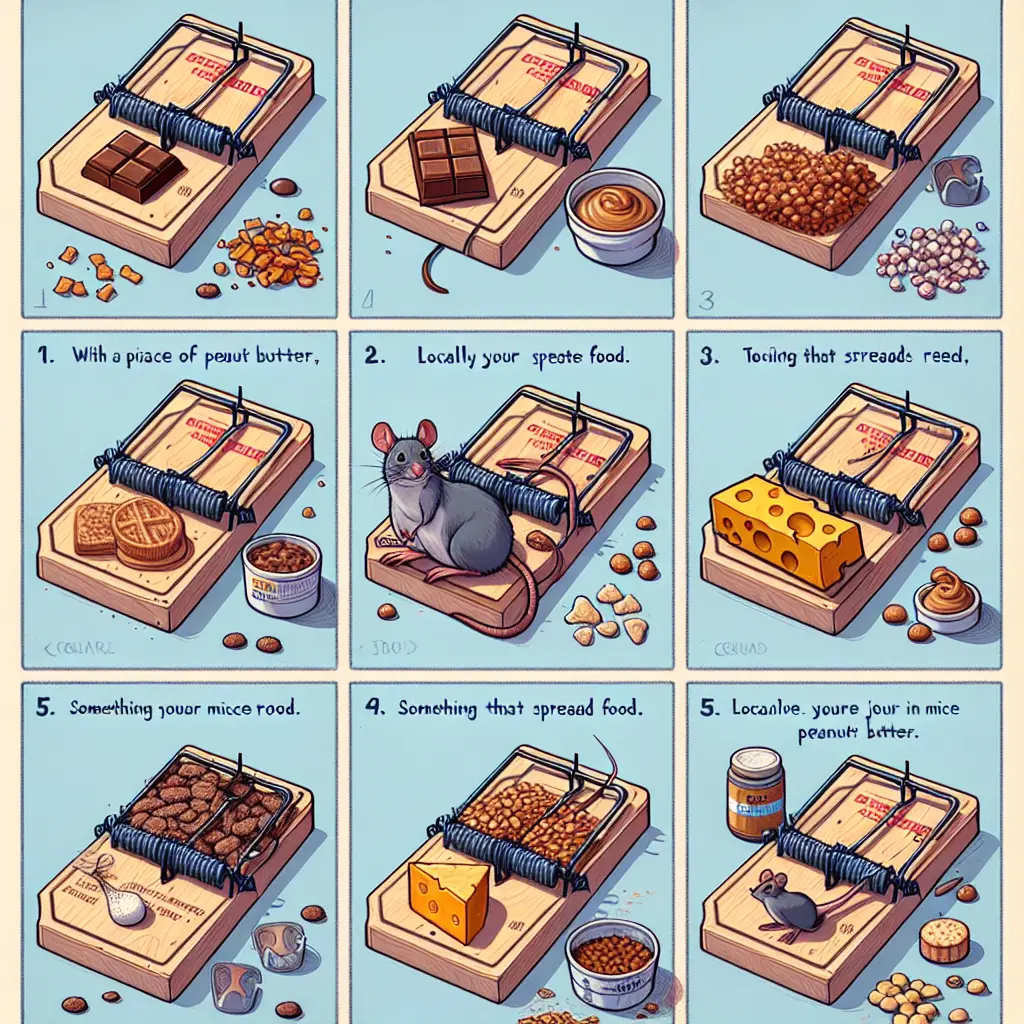
When a mouse has more of a savory tooth, turn to snacks that might be more suitable. Pet foods, which are always on hand for pet owners, serve as an effective alternative and can be made more effective by affixing them with a small dab of peanut butter. Similarly, bird seeds can serve as an enticing option. It's key to identify what foods the local mice favor — such as marshmallows or graham crackers.
You can find more unique bait ideas by checking out Good Earth Pest.
The Allure of Cheese: The Classic Choice
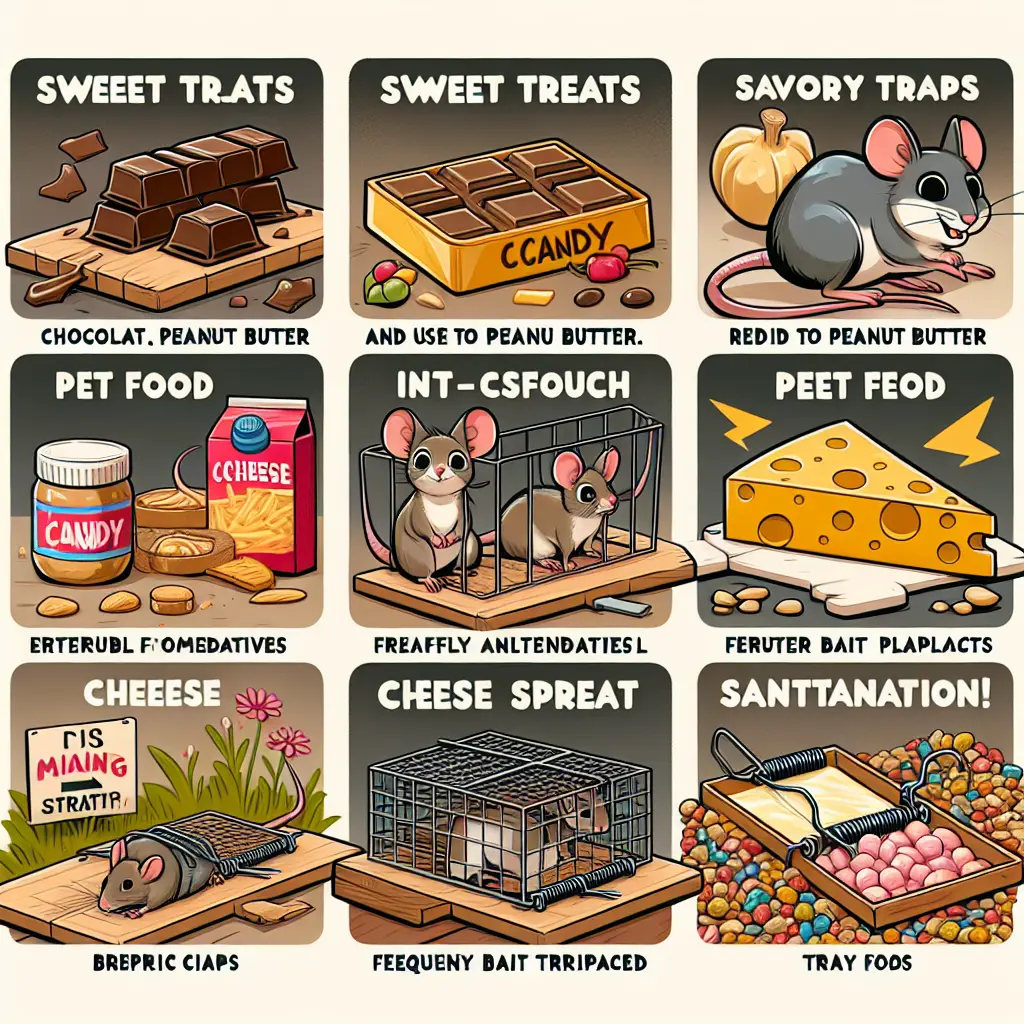
Cheese, immortalized in cartoons as a mouse's favorite food, isn't just a myth. It can indeed be an effective trap bait. However, the amount used should be small to avoid interfering with trap mechanisms. Utilizing cheese spreads, such as Cheese Whiz, further aids in ensuring that the bait stick securely to the trap, allowing for a consistent texture that won't slide off easily.
Additional insights on mouse trapping can be found on Modern Pest.
Leveraging Their Known Preferences
If you have already noticed some pilfering habits — for instance, if you discover mice nibbling marshmallows, graham crackers, or other treats — why not utilize that knowledge? Introducing those exact items as bait in the trap can capitalize on mice's established preferences, enhancing the likelihood of a fast catch.
Mastering Your Trapping Strategy
Choosing the right bait plays a significant role in your strategy, but success often hinges on the deployment plan itself.
- Trap Placement: Focus on areas of high mouse activity, such as along walls, corners, behind appliances, and near food sources.
- Multiple Traps: Increase your catch success by placing multiple traps where mouse sightings are prevalent.
- Fresh Bait: Consistently replace the bait every few days to maintain its aroma and effectiveness.
- Sanitation: Keep possible food morsel environments crumb-free and ensure food is stored in airtight containers, emphasizing the bait's appeal.

Conclusion
While peanut butter may be a traditional bait for mouse trapping, there exist numerous creative alternatives that could prove equally, if not more, successful. By tapping into the Jodhpur Collection and understanding mice's penchant for both sweet and savory flavors, you can alternate your trap's bait to improve efficiency. Remember, a comprehensive approach that includes both the right bait and strategic Boots Collection placement is key to effective mouse control. Dive deeper into smart trapping measures and keep your spaces rodent-free.