

Innovative Ways to Keep Laminitic Ponies Engaged and Healthy on Restricted Grazing
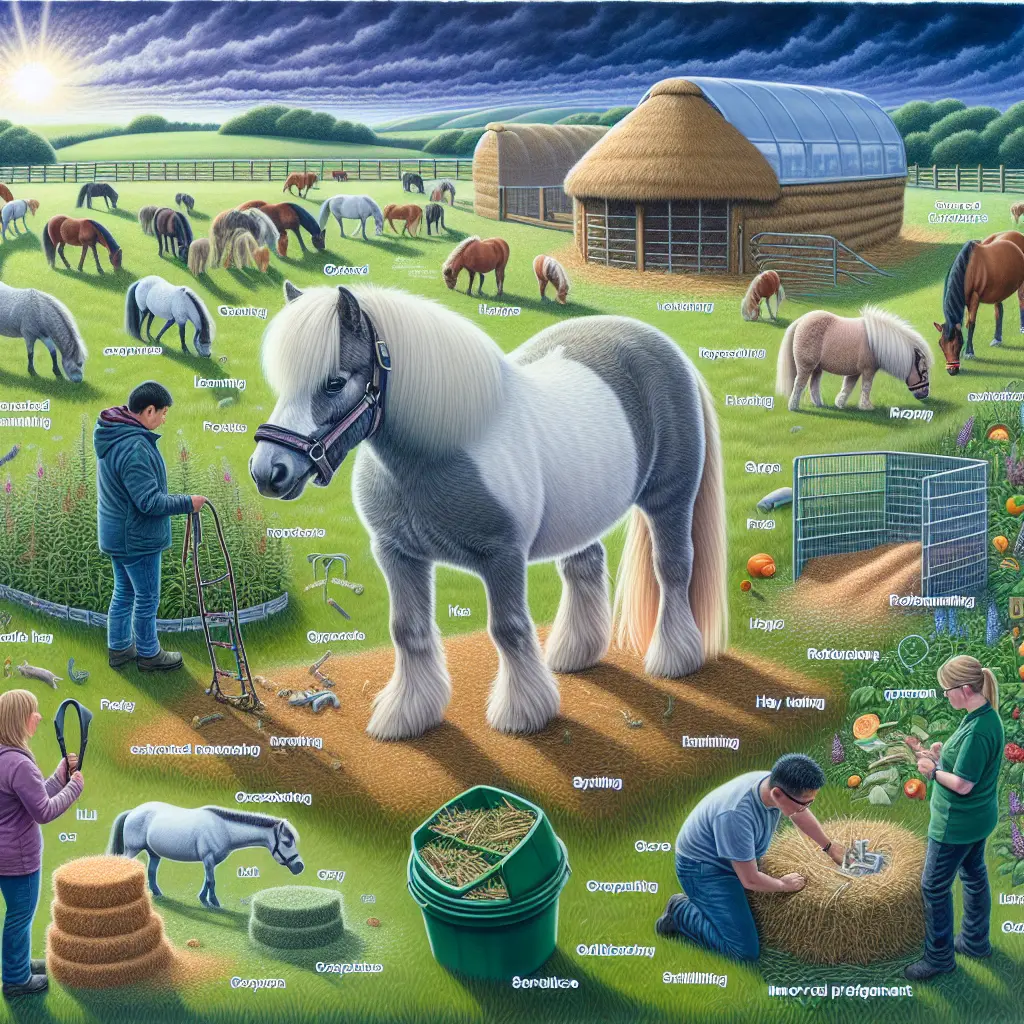 Laminitis is a painful and potentially debilitating condition affecting the hooves of ponies, often triggered by high sugar intake from lush pasture grass. Managing grazing for ponies prone to laminitis is essential to minimize glucose and fructan intake and maintain hoof health. However, this necessary restriction can lead to boredom, stress, and reduced exercise, impacting their overall well-being. This blog explores innovative, evidence-based strategies to keep laminitic ponies engaged, mentally stimulated, and physically healthy while adhering to safe grazing protocols.
Understanding Restricted Grazing for Laminitic Ponies
Pasture-associated laminitis is linked to the intake of non-structural carbohydrates (NSC) like fructans and starch, which accumulate in pasture grasses, especially during spring and fall or during peak photosynthesis hours. To reduce laminitis risk, ponies are often restricted from pasture during these risky times.
- Up to 46% of laminitis cases in the U.S. are pasture-associated due to sugar-rich grass intake.
- Lush, cool-season grasses store sugars that accumulate particularly when nighttime temperatures are low.
- Restricting grazing time and access, combined with feeding tested hay low in NSC (<11%), helps manage laminitis risk.
Challenges of Restricted Grazing
While restricted grazing protects laminitic ponies physiologically, it can reduce natural foraging behavior, leading to:
- Reduced mental stimulation and increased stress,
- Less movement and exercise, raising the risk of obesity and insulin resistance,
- Development of vices like cribbing or weaving due to boredom.
Thus, the goal is to slow forage intake without total deprivation and enhance pony welfare.
Innovative Strategies to Keep Laminitic Ponies Engaged and Healthy
1. Use of Grazing Muzzles and Controlled Grazing
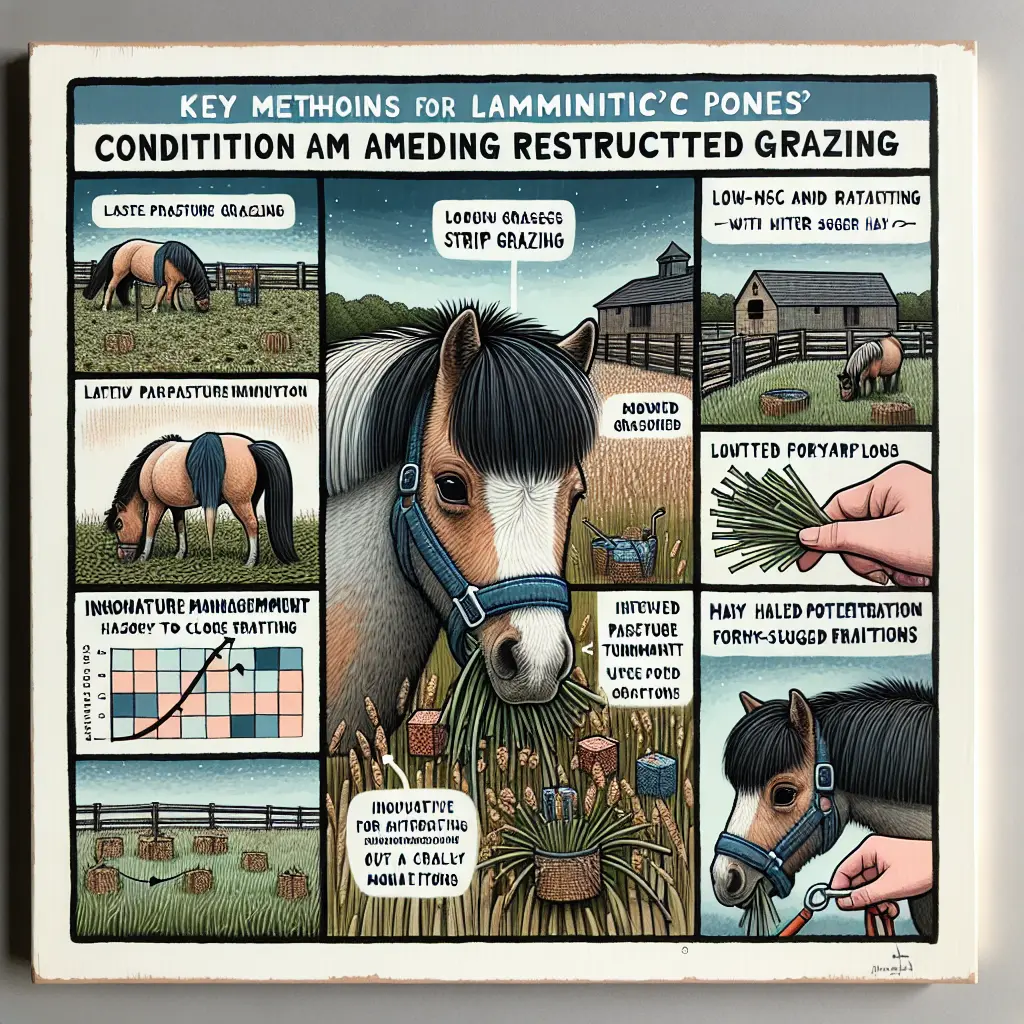 A specially designed grazing muzzle reduces grass intake by up to 80-90%, allowing ponies limited access to pasture to satisfy grazing needs safely. Strategies include:
- Timed turnout with muzzle: Allowing grazing during low-risk periods (e.g., late evening or night) minimizes fructan intake while offering natural foraging opportunity.
- Strip or cell grazing: Restricting ponies to small, fresh strips of grass encourages natural foraging while controlling intake.
2. Provision of High-Quality, Low-NSC Forage
In addition to restricted pasture access, feeding tested hay with low NSC content (<11%) ensures ponies receive adequate fiber without excess sugars that trigger laminitis.
- Hay should be sourced and analyzed regularly for sugar content.
- Soaking hay in water can reduce soluble carbohydrates by up to 30%.
- Fiber-rich forage supports digestive health and satisfies chewing instincts.
3. Enrichment Through Environmental and Behavioral Stimuli
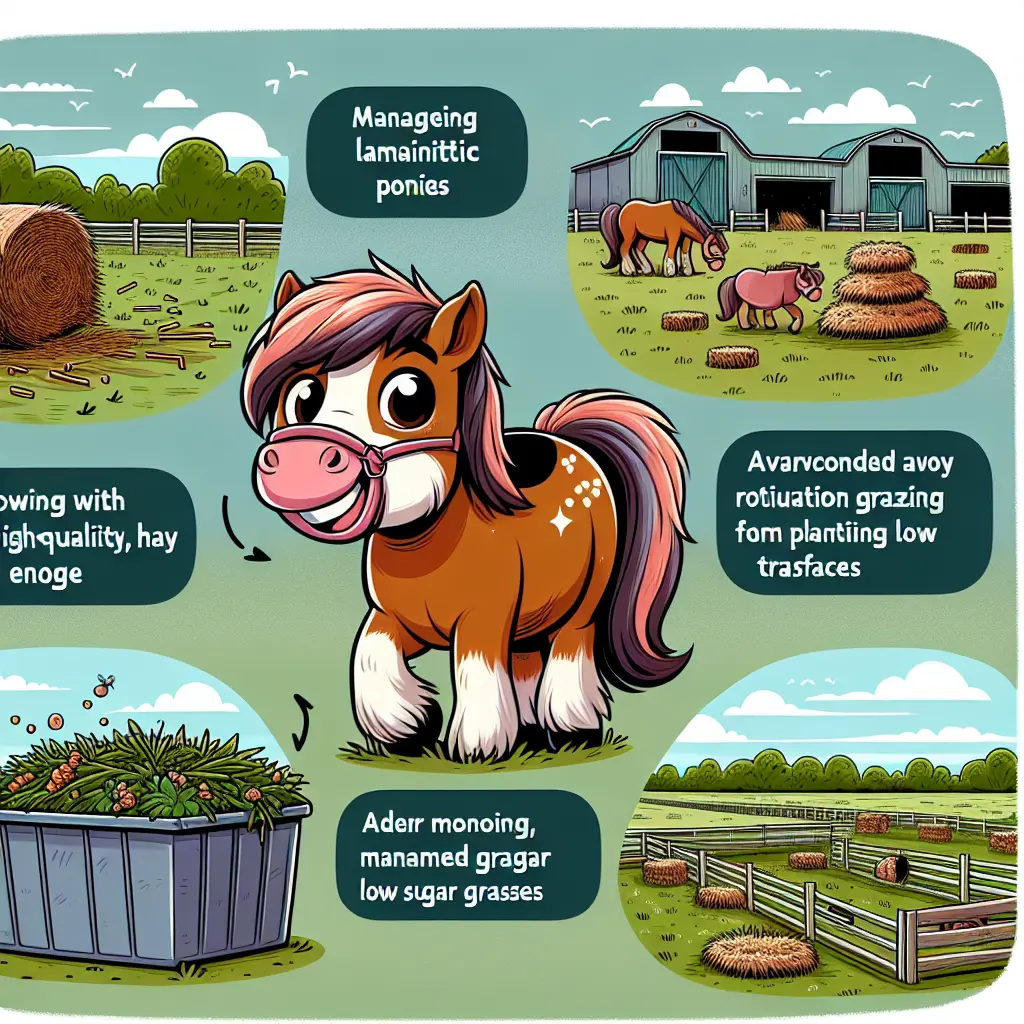 To alleviate boredom on restricted grazing:
- Scatter feeding or hay nets encourage slower eating and natural foraging behavior.
- Introduce safe "forage toys" such as treat balls filled with low-sugar hay or specialized equine enrichment feeders.
- Varied turnout environments including dry lots with safe objects to explore stimulate curiosity and movement.
4. Regular, Appropriate Exercise
Exercise is crucial in managing equine metabolic syndrome (EMS) and insulin resistance—key laminitis risk factors. Even horses on restricted grazing benefit from:
- Daily hand-walking or lunging adapted to their fitness level.
- Structured exercise programs when not in acute laminitis stages.
- Encouraging movement through turnout in dry lots that minimize forage toxicities.
5. Pasture Management Innovations
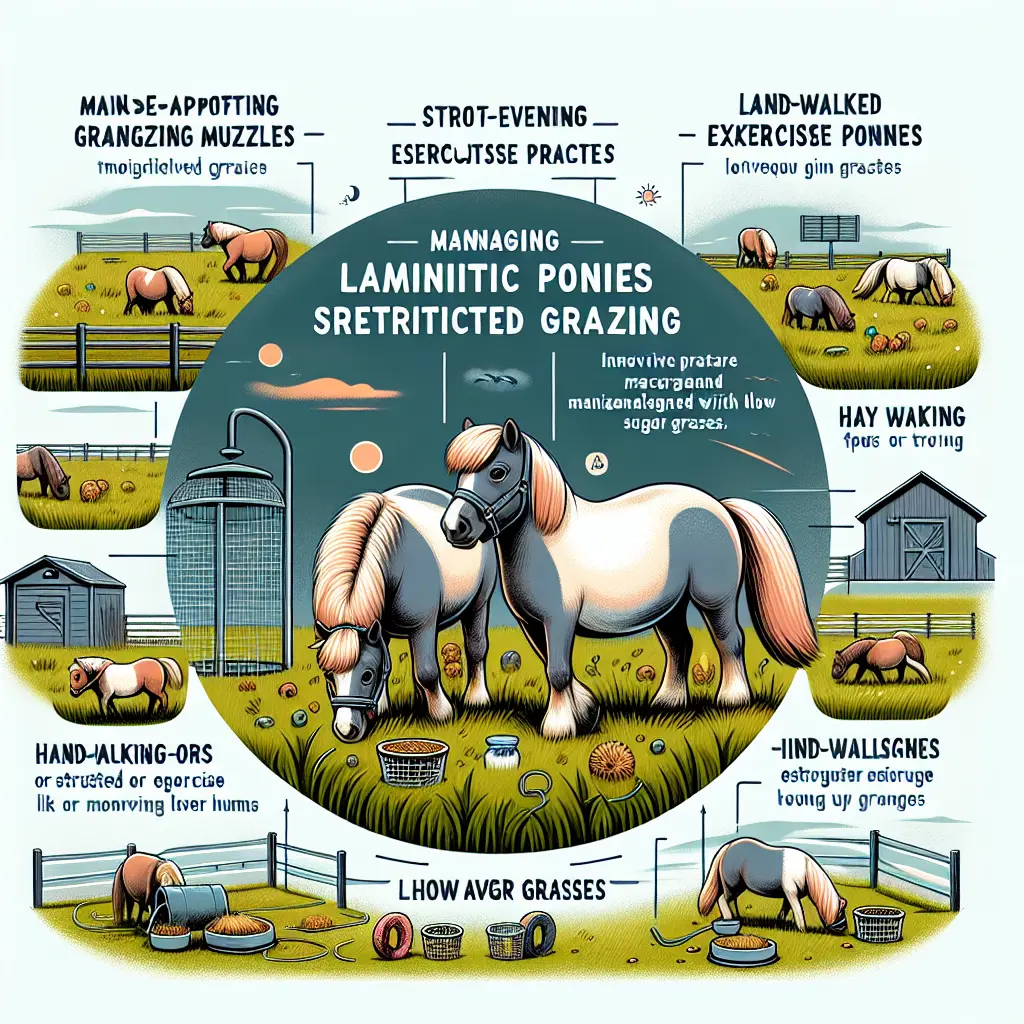 For owners with pasture access, innovations can reduce NSC levels:
- Mowing or rotational grazing using other livestock helps manage seed heads and reduce excessive sugar accumulation.
- Planting low-sugar grass alternatives or overseeding with fiber-rich legumes can improve pasture quality.
- Monitoring environmental factors that increase sugar concentration guides grazing timing decisions.
6. Close Monitoring and Tailoring Individual Plans
Because laminitis susceptibility varies by pony genetics, weight, and health status, owners should:
- Implement daily monitoring for subtle lameness signs.
- Adjust grazing restrictions dynamically informed by weather, pasture tests, and pony condition.
- Work with a veterinarian or equine nutritionist to tailor forage and exercise plans.
Conclusion
For ponies with laminitis, balancing restricted grazing with enrichment and exercise is key to maintaining physical health and psychological well-being. Utilizing tools like grazing muzzles and low-NSC forage, combined with innovative enrichment and pasture management, owners can provide a fulfilling and safe environment that helps prevent laminitis flare-ups while keeping ponies happy and healthy.
Authoritative Resources for Further Reading and Linking
- Kentucky Equine Research on Grazing and Laminitis: In-depth analysis of fructans’ role in laminitis and grazing management strategies.
- Texas A&M Pasture Management Guide: Practical insights on minimizing laminitis risk through pasture and grazing planning.
- The Laminitis Site: Comprehensive approach to EMS and insulin dysregulation management, including grazing and feeding advice.