


Understanding the World of Professional Saddle Fitting
In the equestrian universe, the saddle is more than a mere accessory; it is a critical component that significantly impacts a horse's comfort, performance, and welfare. The role of a professional saddle fitter is not just about aesthetics or general fit; it is about integrating equine anatomy, biomechanics, and rider dynamics. This guide unwraps the fascinating layers of becoming a professional saddle fitter while underscoring why it's a career worth considering.
Why Proper Saddle Fitting Is Paramount
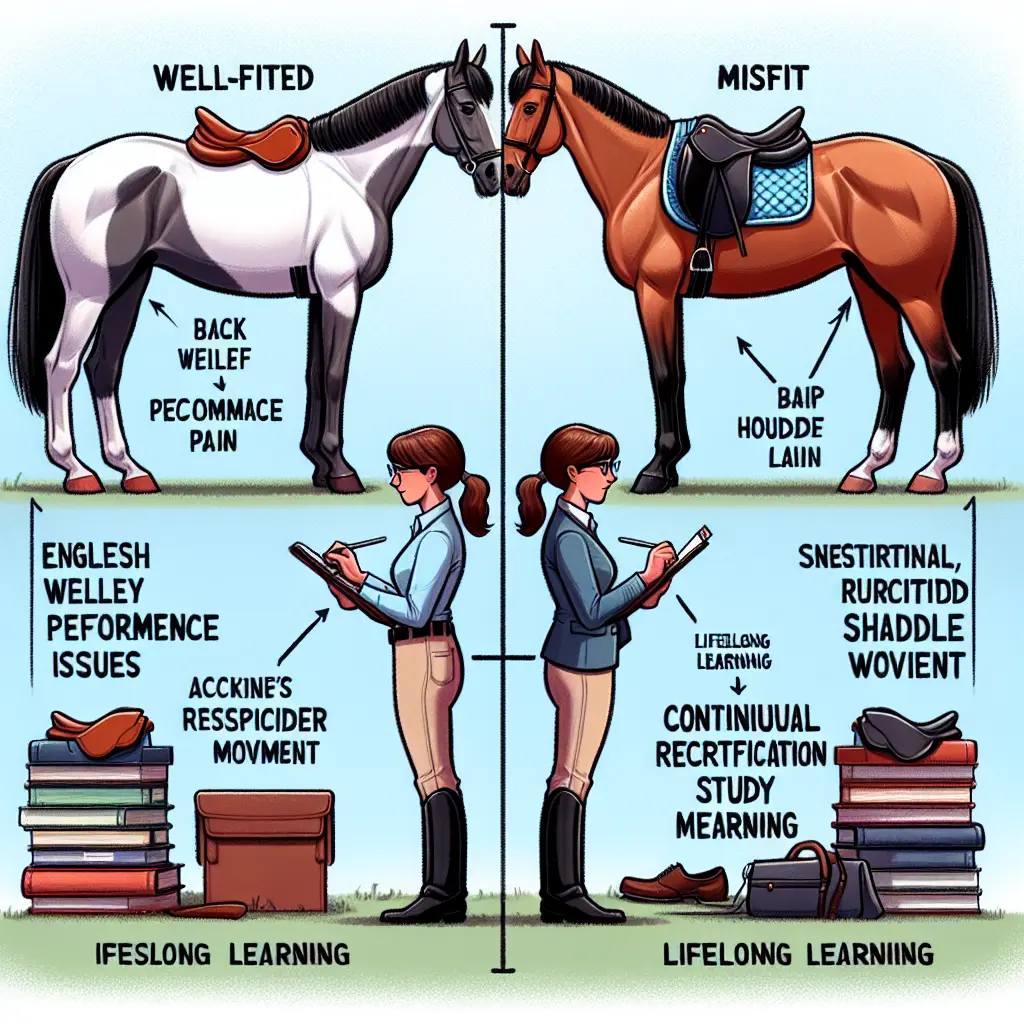
Imagine wearing shoes that are too tight all day. You’d likely be in discomfort, and your ability to perform would suffer. Horses face a similar plight with poorly fitted saddles. Incorrect fitting can lead to back pain, muscle atrophy, and even saddle-related injuries [4]. Therefore, a properly fitted saddle is non-negotiable for ensuring a horse's long-term soundness and happiness.
The Daily Gymnastics of a Saddle Fitter
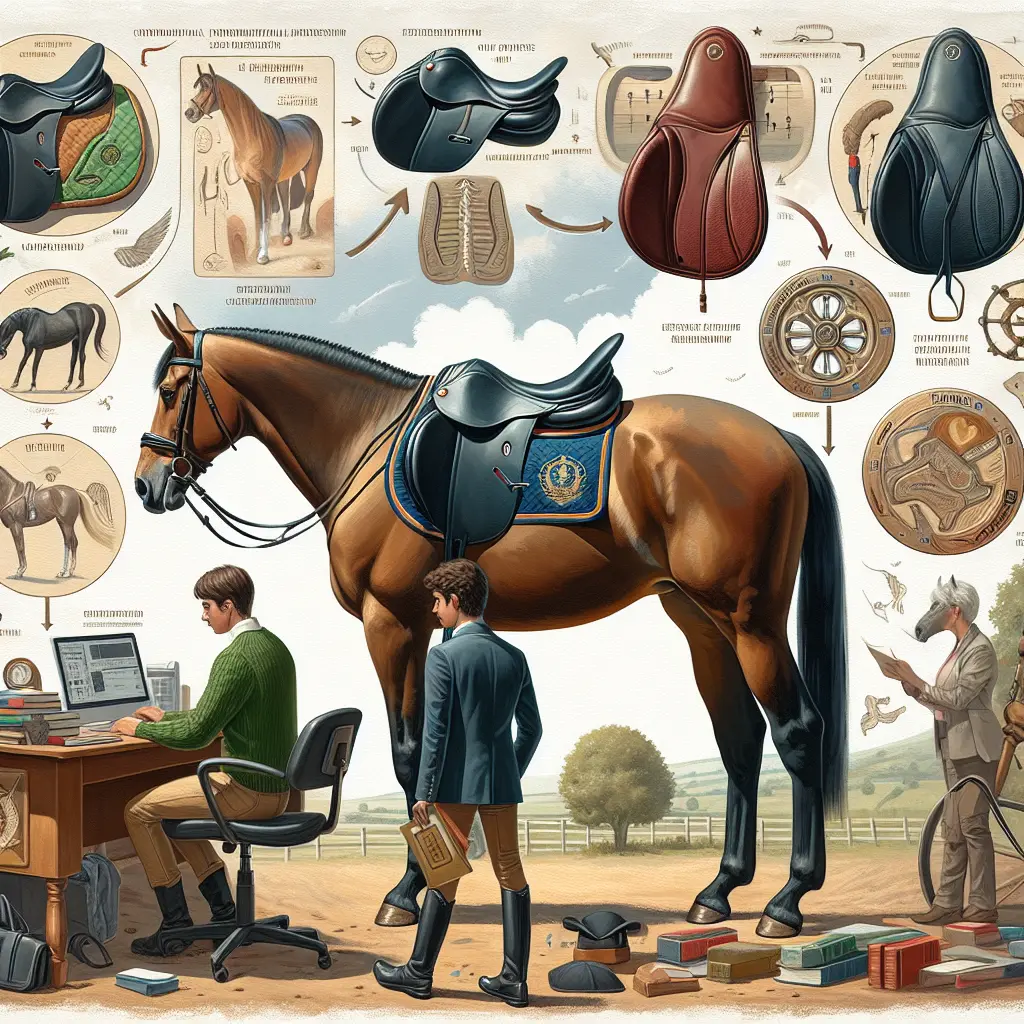
A day in the life of a saddle fitter involves assessing the horse's conformation, musculature, and the rider's goals. It often includes taking back templates, adjusting saddle flocking, and sometimes advising on saddle repairs. This profession is a blend of artistry and science, requiring not just manual skills but also a keen eye for detail.
Key Skills to Thrive in Saddle Fitting
Successful saddle fitters possess an in-depth understanding of equine anatomy, alongside skills in saddle design and construction. Communication is equally essential, as explaining complex terms in a simpler form often bridges the gap between horse owners and fitters.
Building a Strong Foundation in Riding
A solid background in equestrian riding and handling different horses is crucial before diving into saddle fitting. Experienced riders can easily relate saddle fit to horse movement, offering a deeper insight into their work.
Pursuing Structured Education in Saddle Fitting
Professional training courses, like those offered by the International Academy of Saddle Fitters (IASF), provide comprehensive education paths covering fundamental principles, rider biomechanics, and fit assessment.
International Academy of Saddle Fitters (IASF)
The IASF delivers a well-rounded, tiered educational program distinguishing the serious candidate from the casual hobbyist. Encompassing introductory to advanced stages, it educates on everything from basic anatomy to advanced saddle repair techniques.
Saddlefit 4 Life Academy
Saddlefit 4 Life focuses on the principles of anatomic fitting measured against practical standards. Furthermore, this academy emphasizes continuous education and recertification, ensuring professionals remain updated with cutting-edge advancements [4].
Hands-On Mentoring and Practical Apprenticeships
Theoretical expertise is only half the battle; hands-on mentoring solidifies skills, making practical experience indispensable. In programs like the Saddlefit 4 Life, students engage in externships that provide valuable real-world fitting scenarios.
Choosing Your Saddle Fitting Niche
Whether pursuing a career with English or Western saddles, specializing in a niche can sharpen your skills. English saddle fitters and Western fitters each face unique challenges, requiring specific expertise reflected in separate examinations or courses.
The Role of Certification and Exams
Certification assures clients of your competence, accounting for technical knowledge through written and practical exams. Exams often challenge candidates to identify saddle faults, complete re-flocking, and solve fitting problems [2].
Saddle Maintenance and Repairs
A capability to perform minor saddle repairs and adjustments is advantageous, adding value to your service. Courses often integrate repair skills along with diagnostics, empowering fitters in the field.
Client Engagement and Business Acumen
Successful saddle fitters transform technical expertise into thriving businesses through strong client communication, record-keeping, and ethical conduct. Transparency and equine welfare should always be in the foreground.
Lifelong Learning in Saddle Fitting
The saddle fitting realm evolves continually with new research and technological advancements. Regular recertification and CPD hours maintain your edge and cater to the industry's evolving nature [4].
Becoming a Professional Saddle Fitter: A Timeline
Your educational journey can range from online workshops lasting a few hours to in-depth certification courses spreading over 18 months. Factoring in on-the-job training, expect to invest roughly 2–4 years in creating a solid path as a professional fitter.
Is Saddle Fitting a Viable Career Path?
With an increasing emphasis on welfare and performance, there is growing demand for skilled saddle fitters. Training investments offer long-term returns as professionals build trust, repeat clientele, and referrals. However, this path requires dedicated training, much like the $2,500 specialist courses offered by elite academies [3].
For those considering this career, emphasize structured, evidence-based education, practical experience, and a clear ethical framework. By promoting articles from reputable providers like IASF, Saddlefit 4 Life, and EquiLearn Institute, you bolster not only trust but also the credibility of the profession.
If you’re passionate about horses and blending science with craft, saddle fitting is a fulfilling yet demanding vocation that makes a direct impact on horses’ lives. Keep honing your skills, expanding your knowledge, and prioritizing equine welfare, and your career will undoubtedly flourish.